DbcultAccessing Vault...
Cult Review
Senior Film Conservator
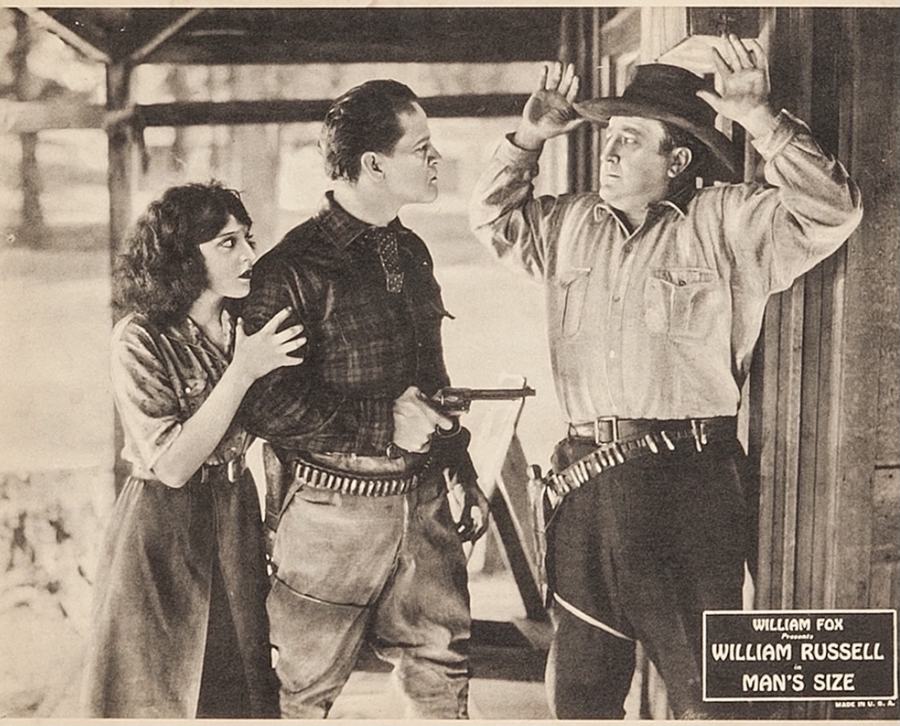
Stepping into the cinematic archives of the early 20th century, one occasionally unearths a relic that, despite its age and silent demeanor, still resonates with a surprising vitality. Such is the case with 1921's Man's Size, a film that, at first glance, might appear to be a straightforward Western romance, but quickly reveals itself to be a more intricate tapestry woven with threads of familial animosity, burgeoning love, and the perennial struggle against lawlessness. This isn't merely a historical curiosity; it's a testament to the storytelling prowess of an era often overlooked in the clamor of modern blockbusters. To truly appreciate Man's Size is to engage with its nuances, its visual poetry, and the raw, unvarnished emotions conveyed through the expressive performances characteristic of the silent screen.
The narrative thrust of Man's Size propels us into the rugged Canadian wilderness, a setting that immediately evokes a sense of both untamed beauty and inherent danger. Here, we encounter Tom Morse, portrayed with a commendable blend of earnestness and determination by William Russell. Morse is not merely a transient visitor; his presence is necessitated by the serious business of government, specifically the eradication of the rampant illegal liquor trade. This professional mandate soon intertwines with a deeply personal entanglement when he crosses paths with Jessie McRae, brought to life with captivating energy by Alma Bennett. Jessie is a character forged in the crucible of hardship, possessing a headstrong spirit that defies the societal constraints of her time and environment. Her adoptive father, Angus McRae (James Gordon), a man whose weathered face tells tales of a life lived hard, holds a profound and enduring grudge against Tom's Uncle Carle (Charles K. French). This deeply entrenched animosity forms the bedrock of the film's central conflict, creating an immediate, almost insurmountable barrier to the blossoming affection between Tom and Jessie.
Angus's backstory, riddled with perceived injustices, fuels his relentless opposition to Tom's courtship of Jessie. The film deftly portrays the destructive power of long-held resentments, illustrating how past grievances can poison present happiness and future possibilities. In a move that shocks both the characters and the audience, Angus, in a moment of what appears to be misguided protectiveness or perhaps profound desperation, 'sells' Jessie into a de facto servitude with Bully West (Stanton Heck), a menacing bootlegger. This act is a pivotal turning point, transforming the romantic drama into a perilous rescue mission. West is not merely a villain; he embodies the lawlessness and moral decay that Tom is officially commissioned to combat. The convergence of Tom's professional duty and his personal quest to save Jessie from this ignominious fate elevates the stakes considerably, crafting a compelling narrative arc that transcends the typical genre conventions of the era.
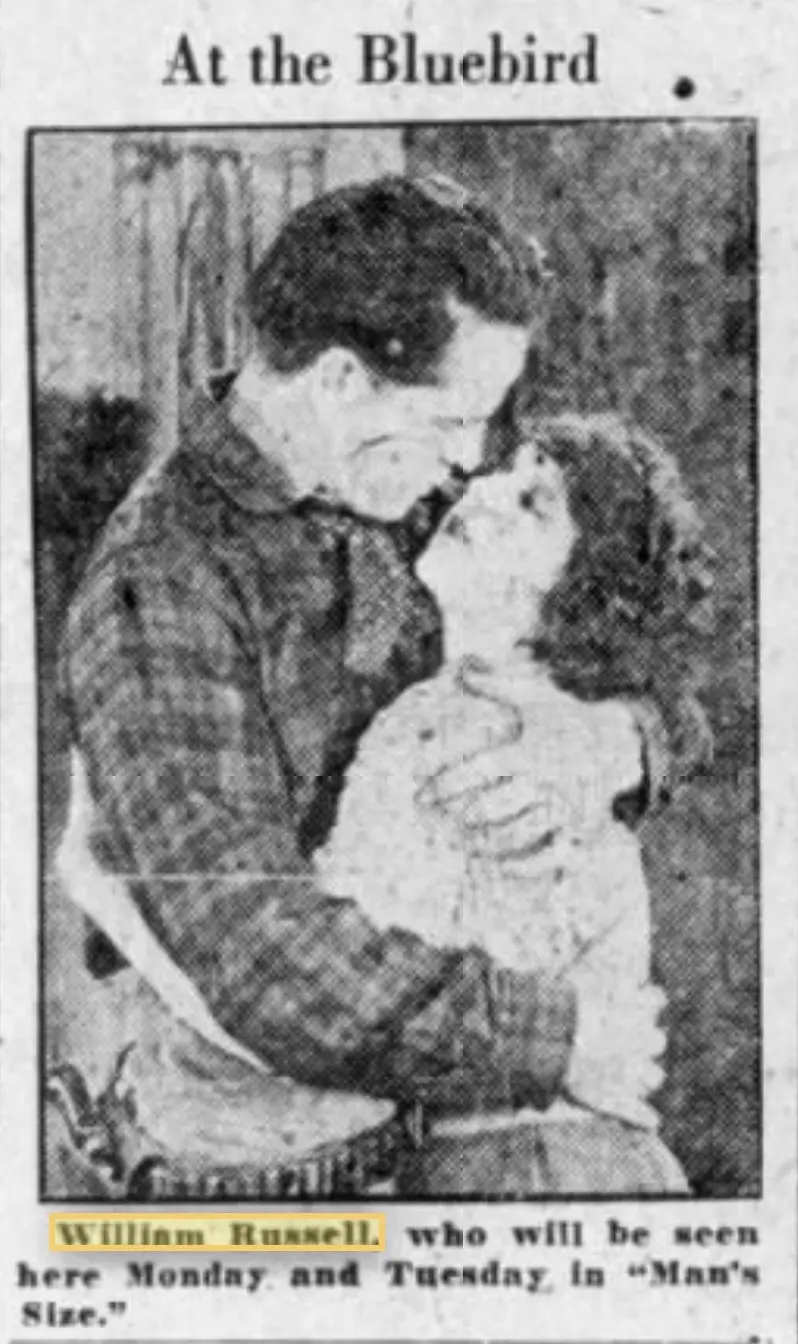
The climax of the film involves Tom's efforts to not only liberate Jessie but also to mend the fractured relationship between Angus and Carle. This dual objective adds a layer of complexity, transforming Tom from a mere romantic hero into a figure of reconciliation. The resolution, wherein Angus, chastened by his actions, reveals Jessie to be his biological daughter, is a powerful moment of emotional catharsis. It retrospectively recontextualizes much of Angus's earlier behavior, lending a tragic dimension to his misguided attempts to 'protect' Jessie. This revelation is a masterstroke in a silent film, relying heavily on visual cues and the emotional weight carried by the performers. The narrative, penned by Joseph F. Poland and William MacLeod Raine, manages to weave together elements of adventure, romance, and familial drama with a surprising degree of sophistication for its time, culminating in a resolution that is both satisfying and emotionally resonant.
In the silent era, acting was a language of grand gestures, nuanced facial expressions, and profound physicality. The cast of Man's Size largely rises to this challenge, delivering performances that, while occasionally broad by today's standards, effectively convey the emotional landscape of the story. William Russell, as Tom Morse, projects an image of steadfast heroism. His portrayal is less about verbose declarations and more about resolute action, a quality essential for a protagonist in this genre. Russell’s earnestness makes Tom a sympathetic figure, his determination palpable even without spoken dialogue. One can draw parallels to the earnest, action-oriented heroes seen in other adventure films of the era, though perhaps with a touch more dramatic weight than, say, the lighter fare of Sunshine Dad.
Alma Bennett, as Jessie McRae, is arguably the film's most dynamic presence. Her 'headstrong' nature is not merely stated but visually communicated through her posture, her defiant gaze, and her spirited interactions. Bennett injects Jessie with a vibrant independence that makes her more than just a damsel in distress; she is a woman with agency, even when circumstances conspire against her. Her performance is particularly crucial in conveying the emotional turmoil of being caught between her adoptive father's wrath and her burgeoning love for Tom. This kind of strong female lead, while not unheard of, was still a powerful statement in silent cinema, often contrasting with more passive heroines. Her resilience might even remind one of the tenacious spirit found in the protagonists of films like Find the Woman, though in a distinctly different context.
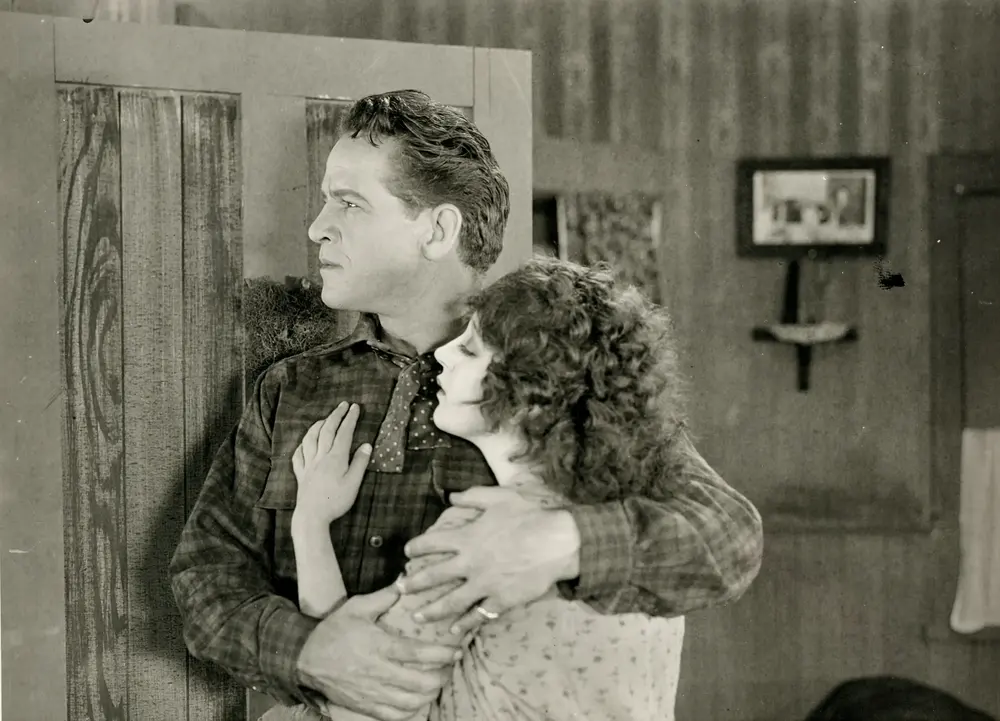
James Gordon's portrayal of Angus McRae is a masterclass in silent film character acting. Angus is a man consumed by bitterness, and Gordon articulates this with remarkable clarity through his stoic demeanor, the lines etched on his face, and the occasional flash of anger in his eyes. His eventual repentance and the revelation of his secret are handled with a tenderness that makes the character's arc truly compelling. It's a performance that demonstrates the depth achievable without dialogue, relying solely on presence and expression. Charles K. French as Uncle Carle, while having less screen time, effectively embodies the other side of the family feud, his expressions conveying a similar stubborn pride that mirrors Angus’s. The antagonism between these two characters is vividly drawn, making their eventual reconciliation all the more impactful.
Stanton Heck, as the villainous Bully West, delivers a performance that is suitably menacing. His physical presence and aggressive gestures effectively establish him as a threat, a necessary foil to Tom's heroic endeavors. The supporting cast, including Carl Stockdale, contributes to the overall texture of the film, creating a believable world for these dramatic events to unfold within. Each actor, through their silent craft, contributes to the rich tapestry of character, making the emotional stakes feel genuine and immediate.
Man's Size, despite its century-old vintage, grapples with themes that remain remarkably pertinent. At its heart, it is a story about the destructive nature of unresolved feuds. Angus McRae's prolonged animosity towards Carle Morse is a powerful illustration of how grudges can fester, distort perceptions, and ultimately lead to acts of profound cruelty. The film meticulously demonstrates the ripple effect of such bitterness, impacting not just the direct adversaries but innocent bystanders like Jessie. This aspect of the narrative serves as a timeless cautionary tale, reminding us of the importance of forgiveness and reconciliation. One could draw parallels to the enduring family conflicts often depicted in literature and cinema, where generations are burdened by the transgressions of their forebears. The eventual resolution of this feud, orchestrated by Tom, underscores the redemptive power of understanding and proactive peacemaking.
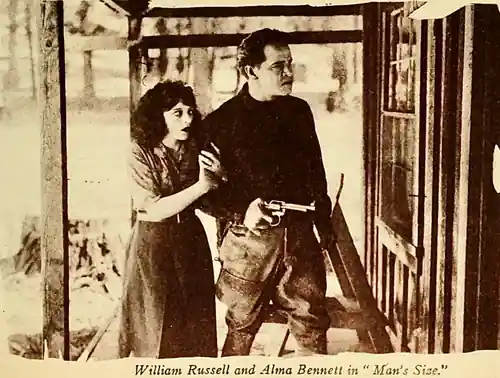
Another prominent theme is that of identity and belonging. Jessie's belief about her parentage—that her parents were killed by 'drunken Native Americans'—is a significant part of her self-perception. The ultimate revelation that Angus is her biological father shatters this long-held belief, forcing her to confront a new reality about her origins. This struggle for identity, the search for truth about one's lineage, is a universal human experience. It speaks to the fundamental need to understand where one comes from and how that shapes who one becomes. The film handles this reveal with a delicate touch, emphasizing the emotional impact on Jessie and the profound shift it brings to her relationship with Angus. This particular plot point could be compared to other narratives where hidden parentage drives much of the dramatic tension, such as in certain melodramas or even later Westerns that explored complex family histories.
Furthermore, the film delves into the pervasive issue of lawlessness and the fight for order. The illegal liquor trade, embodied by Bully West, serves as a backdrop against which the personal dramas unfold. Tom Morse's dual role as a government agent and a romantic hero allows the film to explore the challenges of establishing justice in a frontier setting. The bootlegging operations are not merely a plot device; they represent a societal ill that corrupts individuals and communities. The contrast between the moral uprightness of Tom and the depravity of West highlights the film's underlying moral compass. This struggle against illicit activities was a common theme in early 20th-century cinema, reflecting real-world concerns during the Prohibition era. Films like The Trap or The Terror, while different in genre, also explored societal threats and the heroes who confront them.
Finally, the theme of redemption is powerfully explored through Angus McRae's character arc. His decision to 'sell' Jessie is reprehensible, yet his eventual confession and the revelation of his true relationship with her pave the way for his redemption. It suggests that even deeply flawed characters can find a path to atonement, albeit through painful honesty and self-reflection. This narrative journey from antagonist (or at least, a deeply misguided figure) to a repentant father is one of the film's most compelling emotional beats, demonstrating that even in the stark black and white of silent cinema, moral complexities could be effectively conveyed.
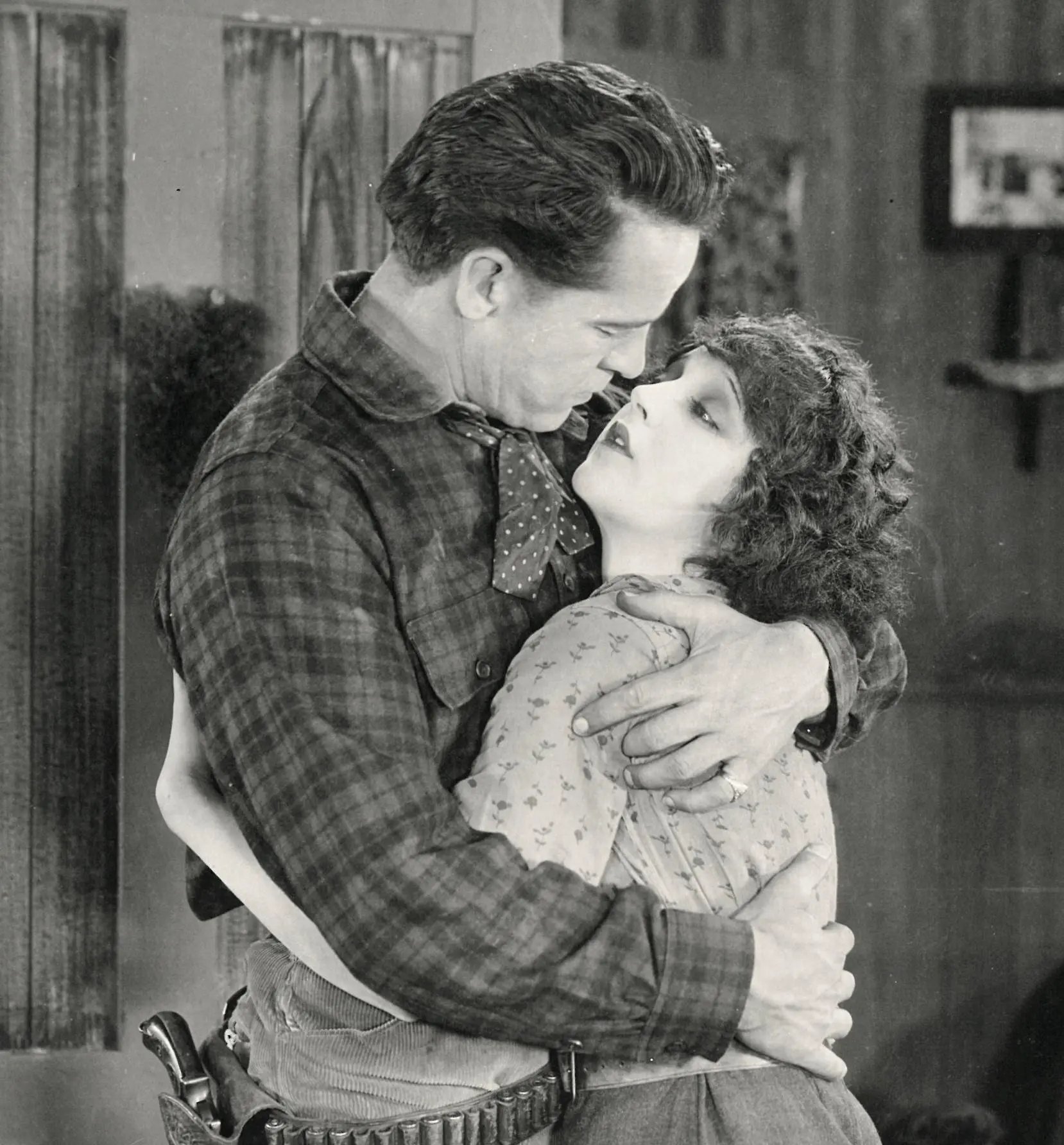
Directed by William Russell (who also stars as Tom Morse), Man's Size exhibits a competent understanding of silent film aesthetics and narrative pacing. The cinematography, while not groundbreaking by today's standards, effectively captures the wild beauty of the Canadian landscape, using it as more than just a backdrop. The vastness of the outdoors underscores the isolation and the challenges faced by the characters, lending an epic scope to their personal struggles. The use of location shooting would have been particularly impactful for audiences of the time, offering a window into a world far removed from their urban realities.
Pacing in silent films was crucial, as the rhythm of the narrative had to be conveyed without spoken dialogue. Man's Size manages a good balance between moments of intense action and quieter, more character-driven scenes. The intertitles, which served as the spoken dialogue and narration, are well-integrated, providing just enough information to advance the plot without overwhelming the visual storytelling. The effectiveness of intertitles varied greatly across silent films, with some being overly verbose. Here, they are concise and impactful, allowing the performances to carry the emotional weight.
The editing, too, plays a vital role in building suspense and conveying emotional shifts. The transitions between scenes are generally smooth, guiding the viewer through the unfolding drama. While not employing the rapid-fire montage techniques that would become more prevalent later in the decade, the film’s editing serves its purpose in maintaining narrative clarity and emotional tension. The action sequences, particularly those involving Tom's pursuit of Bully West, are staged with a clear sense of spatial relationship and dramatic urgency. This attention to visual clarity in action is a hallmark of effective silent film direction, ensuring that even complex physical confrontations are easily understood by the audience.
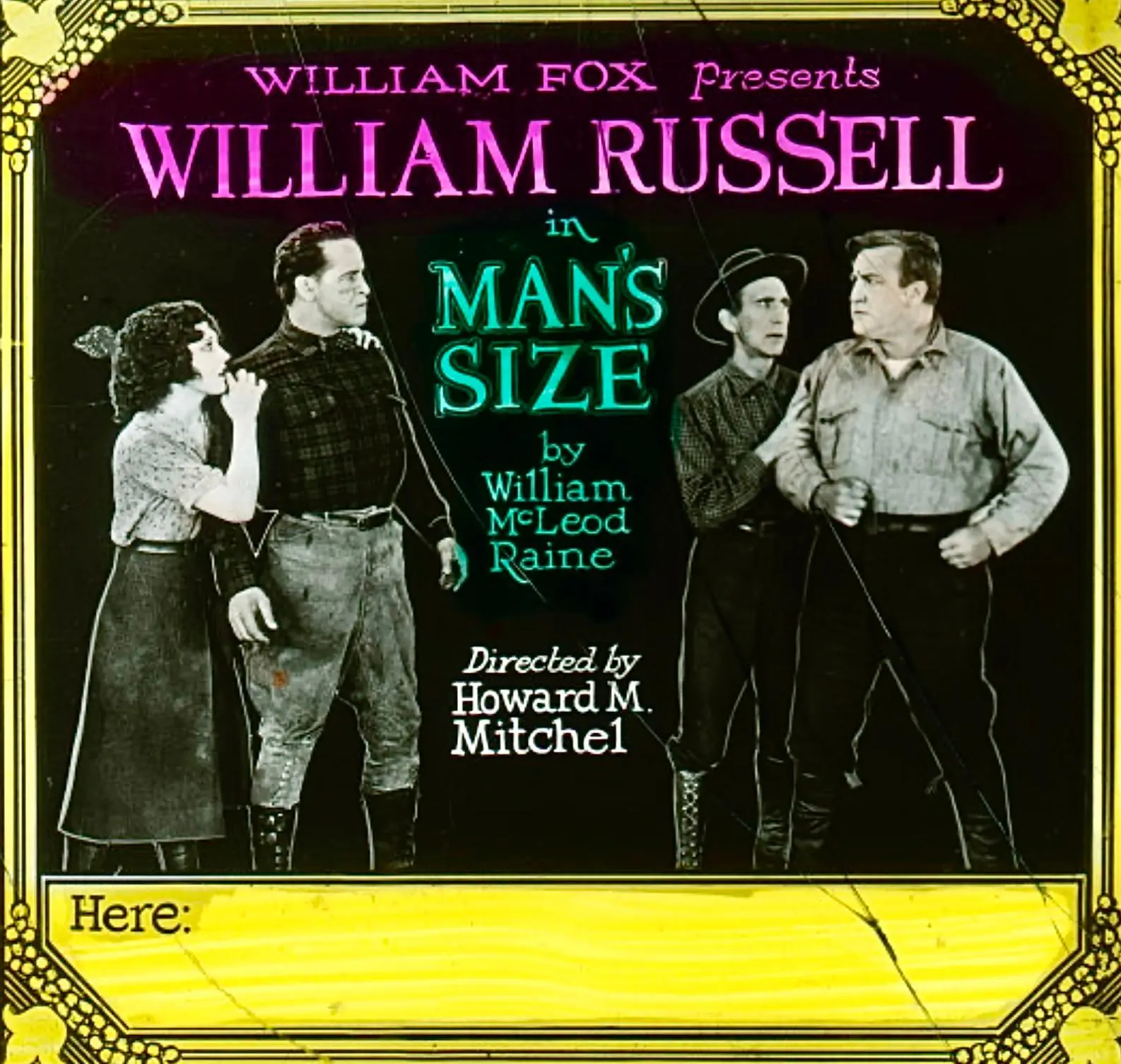
It's imperative, when revisiting films of this vintage, to view them through a lens that acknowledges their historical context while also critically examining elements that may be problematic by contemporary standards. The plot point regarding Jessie's parents supposedly being killed by 'drunken Native Americans' is one such element. This narrative detail reflects prevailing stereotypes and prejudices of the early 20th century, where Indigenous peoples were often unfortunately cast in simplistic, often negative, roles within Western narratives. It’s a trope that, while historically common in films like The Ranger or Sunlight's Last Raid, must be understood as a product of its time rather than an endorsement. The film itself doesn't dwell on this aspect beyond its initial mention, quickly shifting focus to the familial feuds and bootlegging. However, a modern viewer should be aware of such representations and understand them within the broader, often problematic, history of cinema's portrayal of marginalized groups.
The Canadian setting also offers a unique flavor compared to the more common American Westerns. It subtly influences the aesthetics and the specific nature of the lawlessness depicted, focusing on the illicit liquor trade rather than, say, cattle rustling or railroad expansion. This distinction provides a fresh perspective on the frontier narrative, demonstrating the versatility of the Western genre even in its nascent stages. The film, therefore, serves not only as entertainment but also as a cultural artifact, offering insights into the social anxieties and entertainment preferences of its original audience. Its depiction of moral conflicts and the pursuit of justice, while framed in a specific historical context, retains a universal appeal.
Man's Size, though a lesser-known entry in the vast catalog of silent films, offers a compelling and emotionally rich experience. It is a film that successfully melds adventure, romance, and familial drama into a cohesive and engaging narrative. The performances, particularly from Alma Bennett and James Gordon, are powerful testaments to the communicative power of silent acting. The themes of unresolved feuds, identity, lawlessness, and redemption are explored with a depth that transcends the limitations of its medium, proving that compelling storytelling is timeless, regardless of technological advancements.
For enthusiasts of early cinema, or anyone curious about the foundational elements of dramatic storytelling, Man's Size is more than just a historical footnote. It is an intricate piece of cinematic heritage that, with its strong characterizations, engaging plot, and underlying thematic resonance, holds its own even a century later. It invites us to appreciate the artistry of an era where emotions were writ large on the screen, and the power of a glance or a gesture could speak volumes. Watching Man's Size is an opportunity to connect with the roots of cinematic narrative, to understand how early filmmakers captivated audiences, and to discover the enduring strength of a story well told, even in silence. It serves as a potent reminder that the 'size' of a film's impact is not measured by its decibels, but by the resonance of its human drama.
IMDb 6.3
1932
Community
Log in to comment.