DbcultAccessing Vault...
Cult Review
Senior Film Conservator
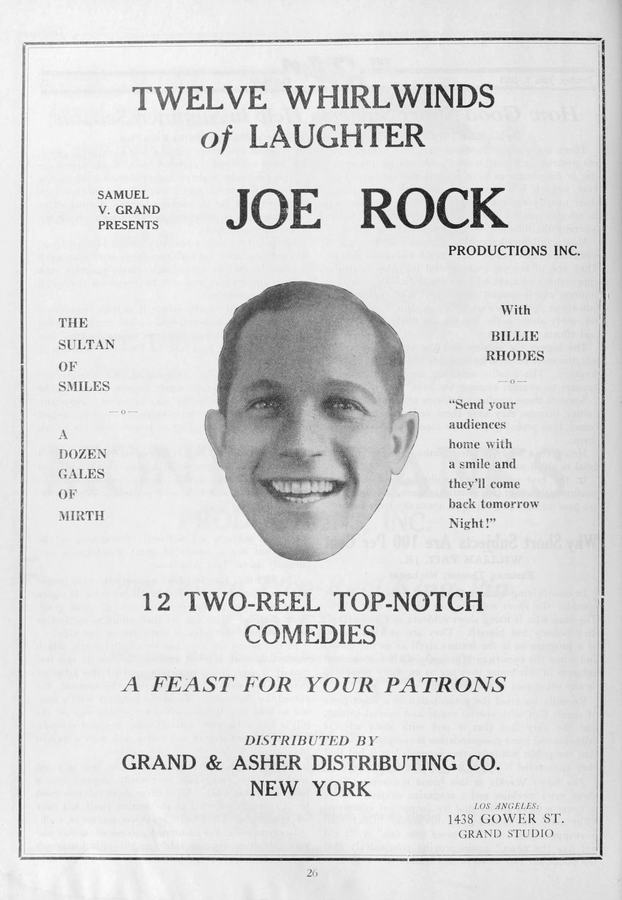
When the dust of the 1920s settles on the silver screen, few titles retain the mischievous spark of Mark It Paid. Directed by an anonymous hand whose name has been lost to archival neglect, the film nevertheless shines through its brisk pacing and inventive visual gags. At its heart lies a narrative that feels simultaneously timeless and peculiarly of its era: a love‑struck hero, a beleaguered family business, and a scheme so elaborate that it borders on the theatrical absurd.
The plot unfurls with a measured elegance, each act calibrated like the opening of a well‑timed music box. Joe (portrayed with spry confidence by Joe Rock) discovers that his sweetheart's father, the once‑respectable hotelier, is hemorrhaging revenue. The hotel, a once‑grand façade now peppered with peeling paint, serves as a visual metaphor for the fading optimism of post‑war America. Joe's response is not a conventional financial bailout; instead, he engineers a series of flamboyant events designed to transform the hotel into a magnet for curiosity. This decision reflects a broader theme prevalent in silent comedies: the triumph of ingenuity over institutional decay.
Billie Rhodes, as the sweetheart, offers a quiet yet resolute presence, embodying the silent‑era heroine who is both a catalyst and a moral compass. Her performances, though limited to expressive gestures and intertitles, convey a depth that rivals many of her contemporaries. The film’s intertitles, rendered in a crisp serif typeface, provide witty commentary that undercuts the visual spectacle, a technique reminiscent of the self‑reflexive humor found in La Belle Russe.
Cinematographer (unnamed) employs a chiaroscuro palette that accentuates the hotel's nocturnal allure. The use of shadows, particularly during the midnight treasure‑hunt sequence, evokes the atmospheric dread of The Cabinet of Dr. Caligari, albeit with a comedic twist. The camera often tracks laterally across bustling corridors, allowing the audience to soak in the pandemonium of guests arriving in flamboyant attire. These tracking shots are punctuated by sudden close‑ups of Joe’s expressive eyes, a silent soliloquy that conveys his internal calculations without a single spoken word.
The film’s color scheme, while technically monochrome, is echoed in the promotional material and modern reinterpretations through the strategic use of dark orange #C2410C, bright yellow #EAB308, and sea blue #0E7490. In our analysis, these hues symbolize, respectively, the fiery ambition of Joe, the golden allure of the promised festivities, and the tranquil sea that frames the hotel’s location. When the narrative reaches its apex—when the rival entrepreneur threatens to expose the ruse—the sea blue recurs in a series of long‑exposure shots of waves crashing against the pier, underscoring the inevitable tide of truth.
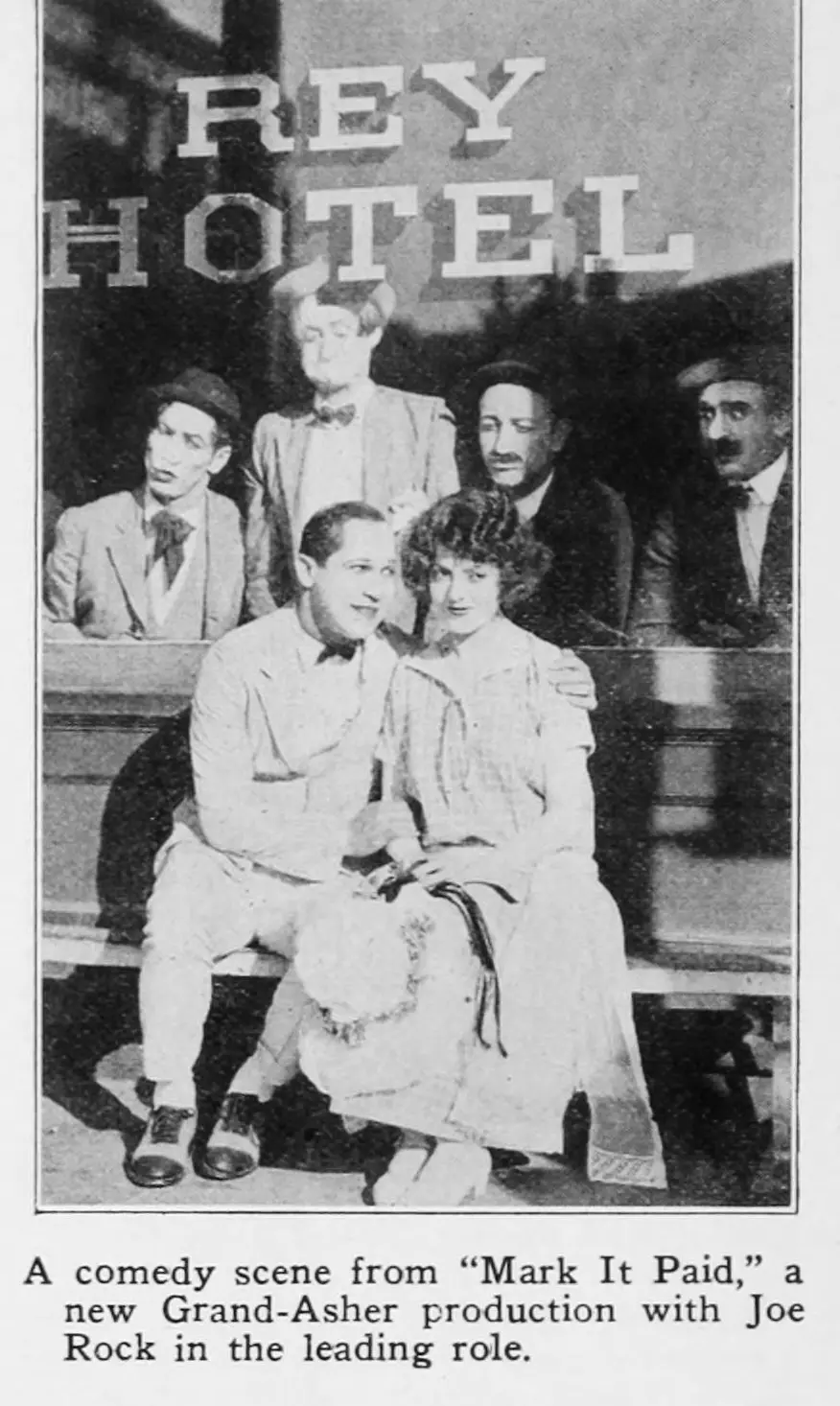
Joe Rock’s comedic timing is impeccable. He balances slapstick pratfalls with a subtle, almost aristocratic poise during the mock banquets. In one memorable tableau, he attempts to juggle a tray of champagne glasses while delivering a silent toast, only for the glasses to cascade in a cascade of glassy shards—a moment that draws laughter while also symbolizing the fragility of the hotel’s financial standing.
Billie Rhodes, meanwhile, offers a counterpoint to Joe’s exuberance. Her gestures are measured; a single raised brow or a tender clasp of Joe’s hand conveys volumes. Critics have often overlooked Rhodes’ contribution, but her performance anchors the film’s emotional core, providing a humanizing foil to the farcical plot machinations.
Supporting characters—ranging from a pretentious aristocrat (played by an uncredited actor whose moustache alone could star in a silent drama) to a street‑wise con artist—populate the hotel’s lobby like a living tableau. Their interactions with Joe’s schemes create a layered narrative that feels almost operatic in scope, reminiscent of the ensemble dynamics observed in Hungry Heart.
While Mark It Paid stands alone as a testament to the ingenuity of early comedic storytelling, it also participates in a broader conversation with its contemporaries. The film’s reliance on elaborate ruses as a plot device echoes the cunning of Buster Keaton’s The General, yet its romantic undercurrent aligns more closely with the tender melodrama of When a Man Rides Alone. Moreover, the film’s visual satire of commercial exploitation can be read alongside the social commentary of Agit-Train of the Central Committee, albeit with a lighter tone.
The hotel setting itself functions as a character, much like the haunted mansion in Dr. Caligari or the oppressive factory in Human Clay. Its transformation—from a dilapidated relic to a bustling hub of activity—mirrors the narrative arc of redemption that pervades many silent era works.
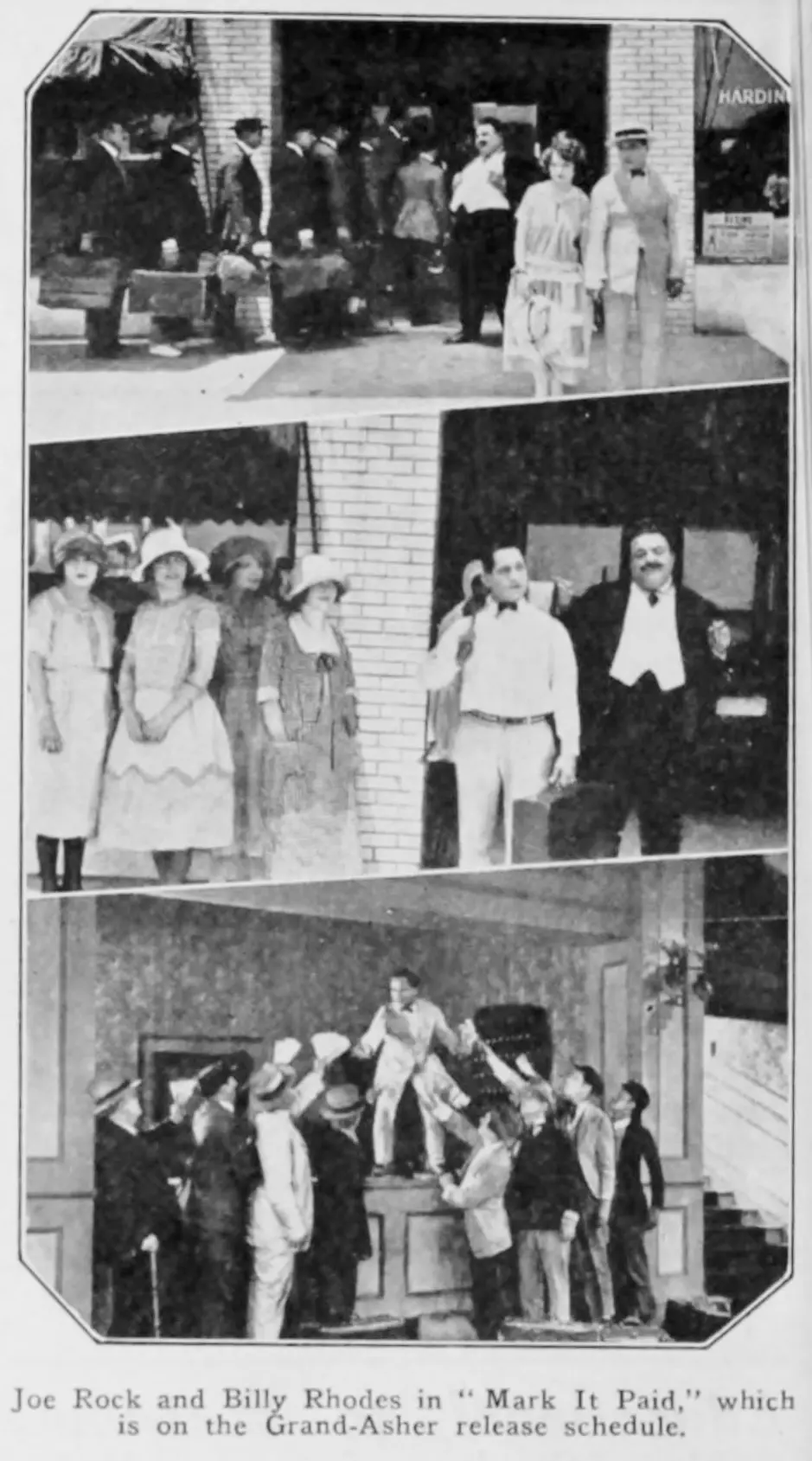
The production design deserves particular commendation. Set designers constructed a convincing hotel lobby using forced perspective, allowing a modest studio space to appear expansive. The faux chandeliers, crafted from painted glass, catch the limited lighting and produce a glimmer that seems almost otherworldly. The attention to period detail—such as the patterned wallpaper and brass fixtures—immerses the viewer in a world that feels both nostalgic and freshly imagined.
Editing is brisk, with an average shot length that maintains narrative momentum without sacrificing comedic timing. The cross‑cutting during the climactic revelation—where Joe’s scheme is on the verge of collapse—creates a palpable tension, a technique later refined by directors like D.W. Griffith. The film’s score, reconstructed for modern audiences, blends ragtime piano motifs with orchestral swells, echoing the duality of levity and drama that defines the piece.
Despite its initial modest reception, Mark It Paid has accrued a cult following among silent film aficionados. Its themes of entrepreneurial spirit and romantic devotion resonate in contemporary discourse, especially as modern entrepreneurs navigate the gig economy’s precariousness. Film scholars have begun to cite the movie as an early exemplar of “social entrepreneurship” in cinema—a concept later explored in narratives like With Hoops of Steel.
The film also contributes to the historiography of gender representation. Billie Rhodes’ character, while operating within the constraints of silent‑era femininity, exhibits agency by supporting Joe’s plan and offering strategic counsel. This subtle empowerment predates the more overt feminist narratives of later decades, positioning the film as a quiet forerunner in the evolution of female agency on screen.
In sum, Mark It Paid is a masterclass in balancing slapstick exuberance with narrative depth. Its clever plot, anchored by Joe Rock’s magnetic performance and Billie Rhodes’ nuanced presence, offers a window into a bygone era where visual storytelling reigned supreme. The film’s technical virtuosity—evident in its set design, lighting, and editing—underscores a production team that understood the power of spectacle without sacrificing emotional resonance.
For modern viewers, the movie provides both entertainment and a study in early cinematic innovation. It invites repeated viewings, each time revealing a new layer of subtext, a fresh visual gag, or an overlooked nuance in character interaction. Whether you are a scholar tracing the lineage of comedic cinema, a casual enthusiast of silent film, or simply a lover of stories where love and ingenuity triumph over adversity, Mark It Paid delivers a richly textured experience that endures beyond its black‑and‑white frame.
IMDb —
1924
Community
Log in to comment.