DbcultAccessing Vault...
5.8/10
Senior Film Conservator
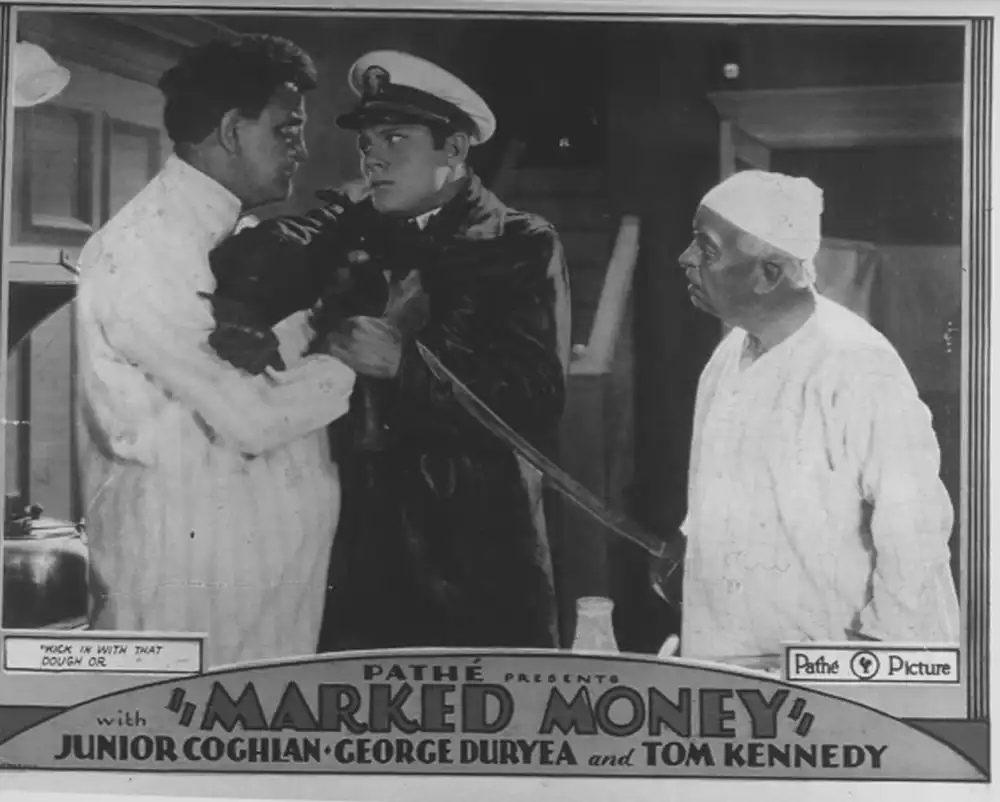
A definitive 5.8/10 rating for a film that redefined the boundaries of cult cinema. Marked Money remains a cornerstone of transgressive art.
“Marked Money,” a 1925 silent farce, is a peculiar artifact more than a universally engaging experience for today’s casual viewer. For dedicated silent film enthusiasts, particularly those with a soft spot for broad physical comedy and the distinct rhythm of 1920s slapstick, it might be worth a look as a curious example of the era’s comedic output. However, anyone expecting the sophisticated narrative or character work of later comedies, or simply a fast-paced modern viewing experience, will likely find its charms limited and its comedic timing often lost to the sands of time. This is a film for the historically curious, not the casual streamer.
The film opens with a surprisingly poignant, if brief, scene: a dying sailor, Bill, entrusting his young son, his pet monkey, and a lockbox containing $25,000 to a lawyer. The lawyer’s mission is clear—deliver the boy, the primate, and the inheritance to Bill’s former shipmate, Captain Fairchild. This setup, however, is merely the launching pad for a relentless series of bungled robbery attempts by a trio of unnamed, perpetually frustrated bad guys. Their sheer ineptitude forms the backbone of the film’s comedic engine.
A significant portion of the humor, and indeed the narrative clarity, relies on the intertitle cards. Unlike many silent films where titles merely convey dialogue, here they often function as an additional comedic voice, setting up gags or directly commenting on the absurdity unfolding. For a modern viewer, this is an invaluable aid, not just in following the plot, but in appreciating the intended timing of the jokes. Without them, much of the frantic energy would likely dissipate into mere visual noise. One particular title card, describing the villains' “brainless” plans, feels less like exposition and more like a direct punchline, guiding the audience's reaction.
Tom Keene, typically known for his Westerns and action roles, finds himself in unfamiliar territory here, playing the heroic figure caught up in the farcical chaos. He handles the physical demands well enough, but the script doesn't ask for much beyond reactive heroism. The real comedic heavy lifting falls to the ensemble of villains, led by Maurice Black and Tom Kennedy, whose exaggerated expressions and flailing limbs are pure silent-era caricature. Their repeated failures to secure the money—from botched rooftop entries to clumsy attempts at pickpocketing—are the film’s most consistent source of laughs, albeit of a very broad variety. Kennedy, in particular, has a way of reacting to a setback with a slow, dawning realization of failure that is genuinely amusing for a moment.
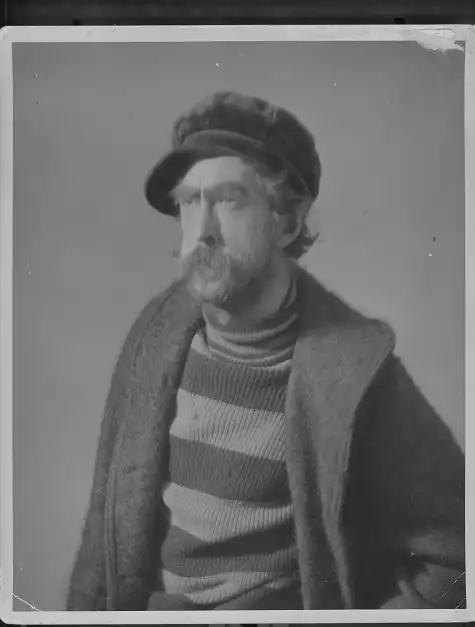
Virginia Bradford, as Grace (or Phyllis, depending on which intertitle you catch – a curious small detail that suggests either a last-minute script change or a simple oversight), Captain Fairchild’s niece, plays the standard ingénue, mostly reacting to the chaos around her. More notable is Bert Woodruff as Captain Fairchild, whose gruff but ultimately good-hearted demeanor anchors the household. Frank Coghlan Jr., as the young son, is charming without being cloying, and his interactions with the pet monkey provide some unexpected moments of warmth amidst the slapstick.
The standout, however, is Clyde, Grace’s klutzy suitor, portrayed by an actor whose name isn't immediately clear in all existing prints but whose physical comedy is central. Clyde’s entire existence seems to be a magnet for accidental destruction. His attempts at chivalry invariably result in broken furniture, spilled drinks, or tangled situations, often escalating the comedic tension rather than resolving it. There's a particular sequence involving a ladder and a window that highlights his unique brand of uncoordinated heroism, where his efforts to help only make things worse, a classic trope of the era executed with admirable commitment.
As a farce, “Marked Money” maintains a relentless pace. The narrative rarely pauses, jumping from one failed robbery attempt to the next, often cross-cutting between the bumbling crooks and the increasingly bewildered household. This rapid-fire succession of gags is both a strength and, occasionally, a weakness. While it keeps the energy high, some of the more elaborate physical comedy sequences could have benefited from a slightly longer beat to land fully. There are moments, especially in the middle act, where the sheer volume of chaotic activity starts to feel a little repetitive, rather than building in intensity.
The tone is consistently light and comedic, never venturing into genuine peril despite the presence of criminals. The stakes feel low, which is appropriate for a farce, but it also means the “heroics” in the climax, while visually exciting, lack any real emotional punch. The film’s visual style is typical of its time: mostly static camera work, functional lighting, and sets that are clearly soundstage constructions. There are few flourishes of cinematography, with director Albert Rogell prioritizing clear sightlines for the physical comedy. One notable visual choice, however, is the recurring use of the lockbox itself as a visual punchline, often appearing in unexpected places or being clumsily handled by the villains, almost becoming a character in its own right.
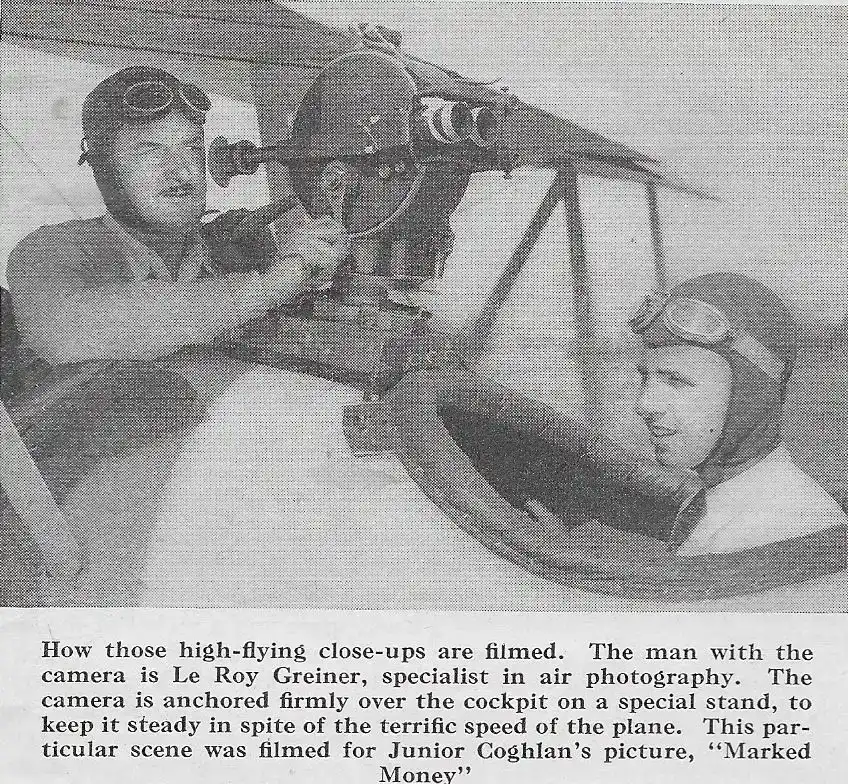
The film’s primary strength lies in its commitment to the farce genre. It doesn't pretend to be anything more than a vehicle for gags and mistaken identities. The sheer energy of the cast, particularly the villains and Clyde, carries much of the film. The pet monkey, often an afterthought in such productions, is surprisingly well-integrated into several gags, even 'helping' in one of the robbery attempts, adding an unexpected layer of charm.
However, the film’s weaknesses are also evident. The humor, while broad, occasionally feels dated, relying on tropes that have been refined and often surpassed in later decades. The lack of character depth means that while the situations are amusing, there's little investment in the personal stakes of anyone involved beyond the immediate plot mechanics. The ending, while happy, feels somewhat perfunctory, a rapid tying up of loose ends rather than a satisfying emotional conclusion. It’s a film that leaves you with a smile, but little to ponder.
For those interested in other silent-era comedies or farces, one might compare its frantic energy to something like The Country Heir, though “Marked Money” leans more heavily into pure slapstick. For a more dramatic take on early cinema, one could look to That Royle Girl, though the two films occupy entirely different aesthetic spaces.
“Marked Money” is a charming, if unsophisticated, example of 1920s slapstick. It delivers on its promise of frantic farce, with plenty of physical comedy and a healthy dose of bumbling villainy. For the right audience—namely, silent film aficionados and those curious about the evolution of cinematic comedy—it offers a pleasant, if not groundbreaking, hour of entertainment. It’s a film that largely succeeds at what it sets out to do, but its appeal today is primarily historical. Approach it as a peek into a bygone era of humor, and you might find yourself chuckling at its enduring, if simplistic, charms. For everyone else, there are countless other films, even from the silent era, that offer a more compelling or emotionally resonant experience.
IMDb 6.6
1927
Community
Log in to comment.