DbcultAccessing Vault...
7.2/10
Senior Film Conservator
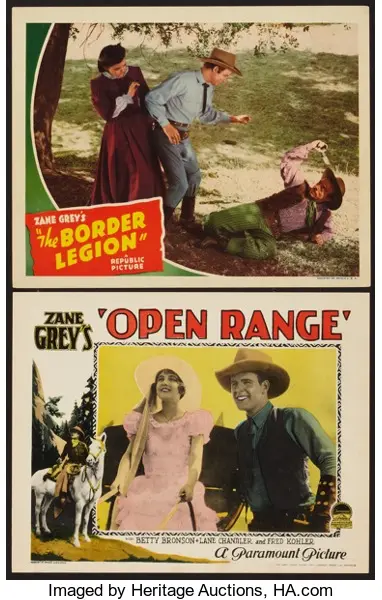
A definitive 7.2/10 rating for a film that redefined the boundaries of cult cinema. Open Range remains a cornerstone of transgressive art.
Is this film worth watching today? Short answer: yes, but only if you possess a genuine curiosity for the foundational building blocks of the American Western. This is a film specifically for silent cinema historians and fans of Zane Grey’s literary grit; it is certainly not for audiences who demand the rapid-fire editing or moral complexity of modern revisionist Westerns.
Open Range (1927) stands as a fascinating artifact from the twilight of the silent era. It arrived at a time when the Western genre was beginning to codify its tropes, moving away from the simple morality plays of Land o' Lizards and toward something more structurally ambitious. While it lacks the sheer scale of later talkies, there is a tactile quality to its dust and drama that remains surprisingly effective.
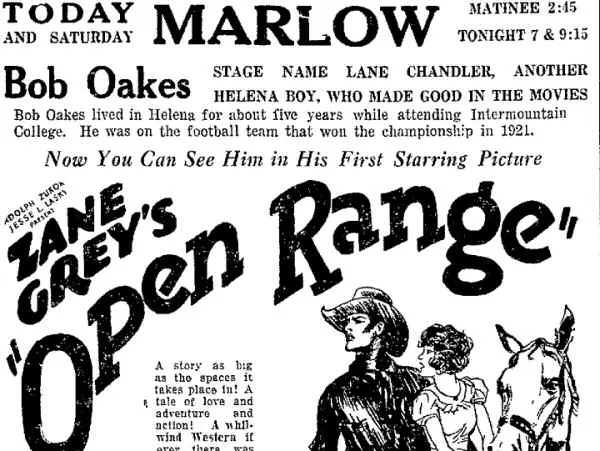
1) This film works because it leverages the physical presence of its cast and the raw, unvarnished landscapes of the West to create a sense of genuine environmental peril that feels more authentic than many studio-bound productions of the same decade.
2) This film fails because its narrative reliance on the 'treacherous native' trope is handled with a lack of nuance that even for 1927 feels derivative and lazy, especially when compared to more empathetic contemporary works like The Exiles.
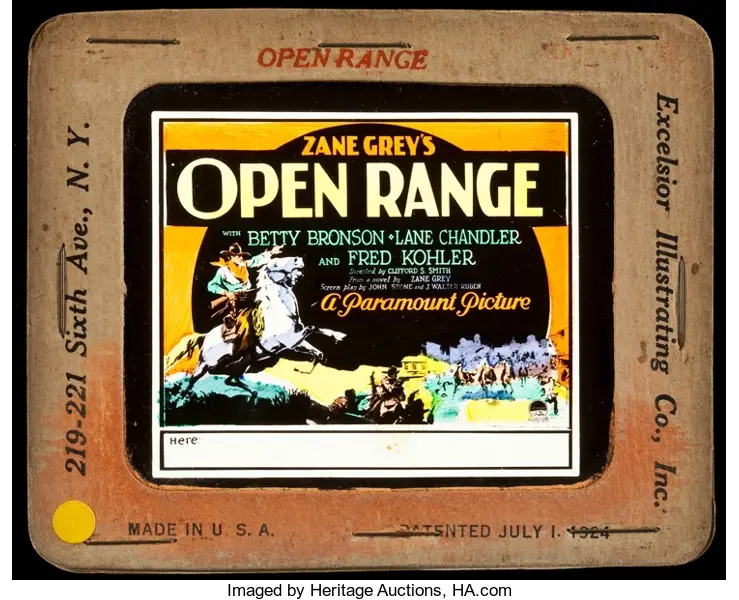
3) You should watch it if you want to see Betty Bronson, famous for her ethereal turn as Peter Pan, attempt to ground herself in the harsh reality of a frontier drama, showing a range that her more whimsical roles often obscured.
Zane Grey’s name was synonymous with a specific brand of Western romanticism, one where the landscape was not just a setting but a moral force. In Open Range, this is evident in the way director Clifford Smith frames the settlement of Marco. It feels isolated, a fragile pocket of civilization surrounded by a wilderness that is both beautiful and threatening. The screenplay, co-written by Grey himself, maintains the author's focus on the 'code of the West,' though it occasionally stumbles into melodrama.
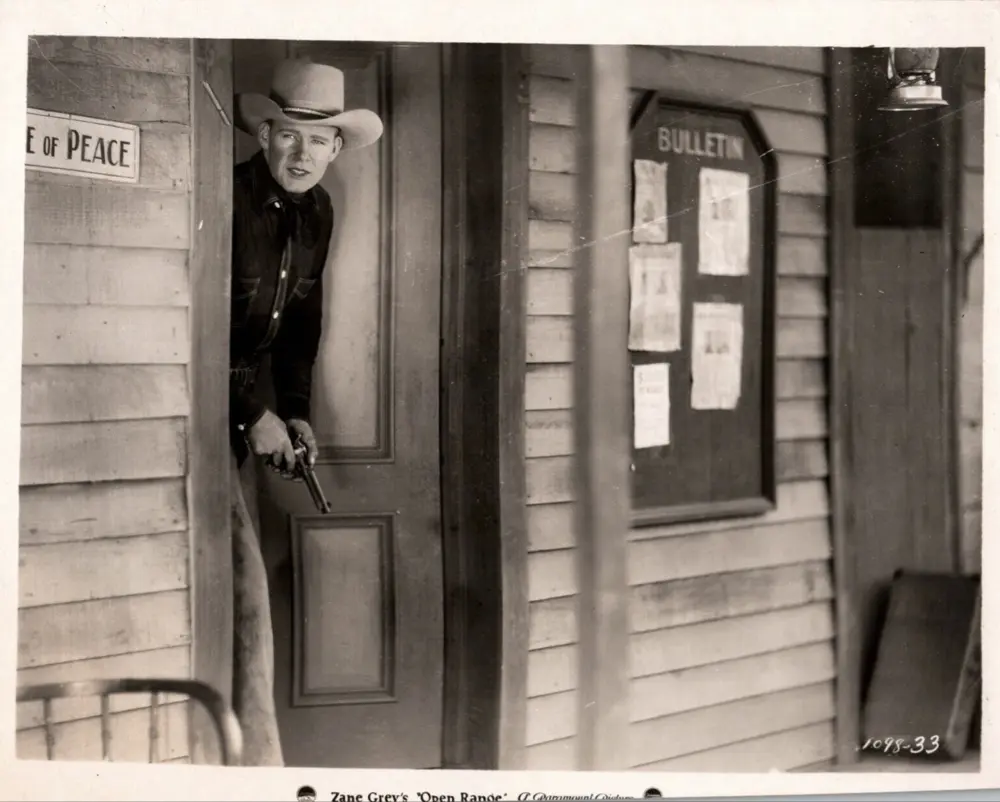
The plot revolves around the intersection of personal desire and communal duty. Tex Smith, played with a somewhat stiff but earnest athleticism by Lane Chandler, represents the archetypal hero who must be prodded into action. Unlike the more aggressive protagonists found in The Man Above the Law, Tex is defined by his internal conflict. He wants the girl, but he is forced to confront the reality that his world is changing. The 'open range' of the title is a literal and metaphorical concept—it’s the freedom that is slowly being fenced in by both law and greed.
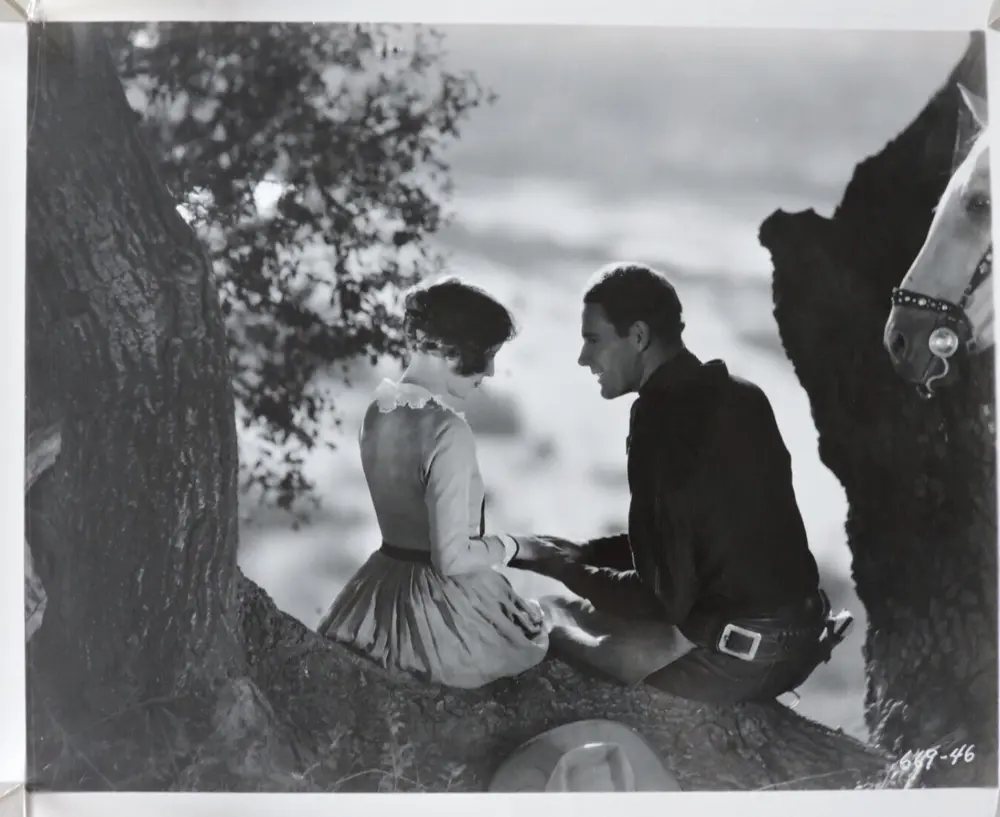
The casting of Betty Bronson as Lucy Blake was a significant draw in 1927. Having captured the world's imagination in Peter Pan (1924), her presence here is a pivot. She brings a certain luminosity to the screen, but more importantly, she handles the more grounded demands of a rancher’s daughter with surprising grit. In the scene where she first realizes the cattle are being moved under the cover of the rodeo, her facial expressions convey a sharp intelligence that elevates the character beyond a simple damsel in distress.
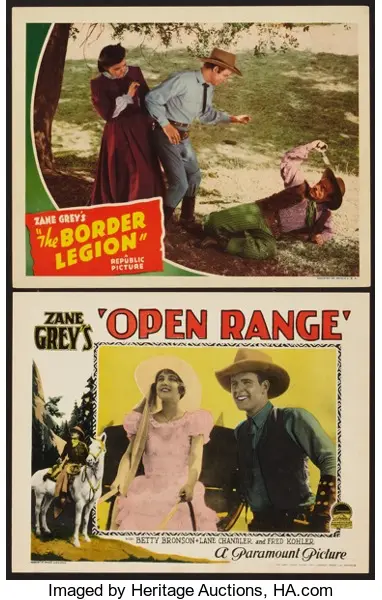
Lane Chandler, as Tex, is a capable lead, though he lacks the magnetic screen presence of a Gary Cooper or a John Wayne. He is at his best during the physical sequences. His riding is impeccable, and he moves with a grace that suggests he spent more time in a saddle than in a makeup chair. However, it is Fred Kohler as the villainous Sam Hardman who steals every scene he inhabits. Kohler had a face built for silent-era villainy—heavy-browed and capable of projecting a sneering menace without saying a word. His collaboration with Chief Brave Bear (Bernard Siegel) provides the film’s primary engine of conflict.
The dynamic between Hardman and Brave Bear is where the film gets complicated. Hardman is the classic 'white devil' who manipulates indigenous grievances for his own profit. This is a recurring theme in films like The Scarlet Road, where the true antagonist is the man who betrays his own kind. However, the depiction of Brave Bear is sadly one-dimensional. Siegel plays him with a stoic anger that feels more like a caricature than a character, a common failing of the era that modern viewers will find jarring.
Technically, Open Range is a mixed bag. The cinematography by George Robinson is often impressive. He uses deep focus to keep the vast herds of cattle in the frame while characters argue in the foreground, creating a sense of scale that was difficult to achieve with the heavy equipment of the time. The rodeo sequence is the film’s centerpiece, and it is edited with a rhythmic intensity that mirrors the chaos of the event. The cuts between the bucking broncos and the silent, creeping movement of the cattle thieves create a genuine sense of suspense.
However, the pacing drags. It works. But it’s flawed. The first act spends an inordinate amount of time on the flirtation between Tex and Lucy. While necessary for character development, these scenes often feel repetitive. One can see the director struggling to balance the romantic requirements of the studio with the action-heavy expectations of a Zane Grey adaptation. For instance, a long sequence involving a local dance could have been trimmed significantly without losing any narrative weight.
Open Range is worth watching if you are interested in the evolution of the Western genre and the transition of silent film stars like Betty Bronson. It provides a clear look at how 1920s cinema handled large-scale action sequences and landscape photography. However, if you are looking for a fast-paced thriller or a film with a modern sensibility regarding social issues, you might find it frustratingly dated. It is a piece of history more than a piece of entertainment for the casual viewer.
Open Range is not a forgotten masterpiece, but it is a sturdy, well-crafted example of the late-silent Western. It lacks the poetic soul of John Ford's early work, yet it possesses a rugged charm that is hard to dismiss. The film is a bridge between the simplistic shorts of the early 1910s and the epic Westerns that would dominate the 1930s and 40s. It’s a film of moments—a dust-choked chase, a sneering glance from a villain, a luminous close-up of a star—that collectively justify its existence. Watch it for the history, stay for the rodeo, but be prepared for the slow burn.
IMDb —
1930
Community
Log in to comment.