DbcultAccessing Vault...
Cult Review
Senior Film Conservator
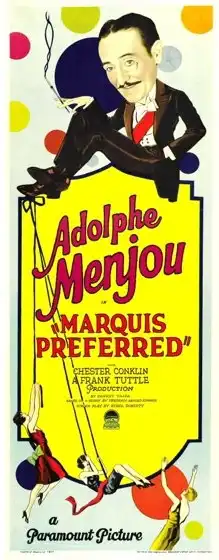
So, you’re wondering if Marquis Preferred is worth digging up in this day and age? Look, if you’re into the *very* early talkies—or maybe even a late silent film with some added sound—and have a soft spot for drawing-room comedies with mistaken identities or social maneuvering, then **yeah, give it a go**. But if you’re expecting modern pacing or anything slick, you’ll probably be checking your watch. This one’s for the folks who appreciate a bit of cinematic history, even with its creaks and groans. Others will likely find it a slog. 😴
The whole setup feels like a stage play translated to film, which was super common back in '29. You've got this notion of a "preferred" marquis, and it’s all about who's got the right title, the right manners. It’s a very specific kind of old-money absurdity, you know? Like, **they really cared about this stuff.**
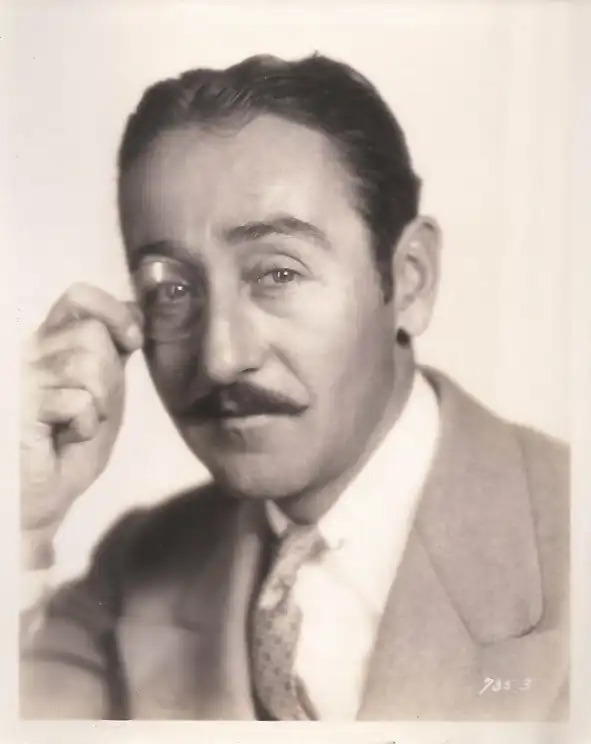
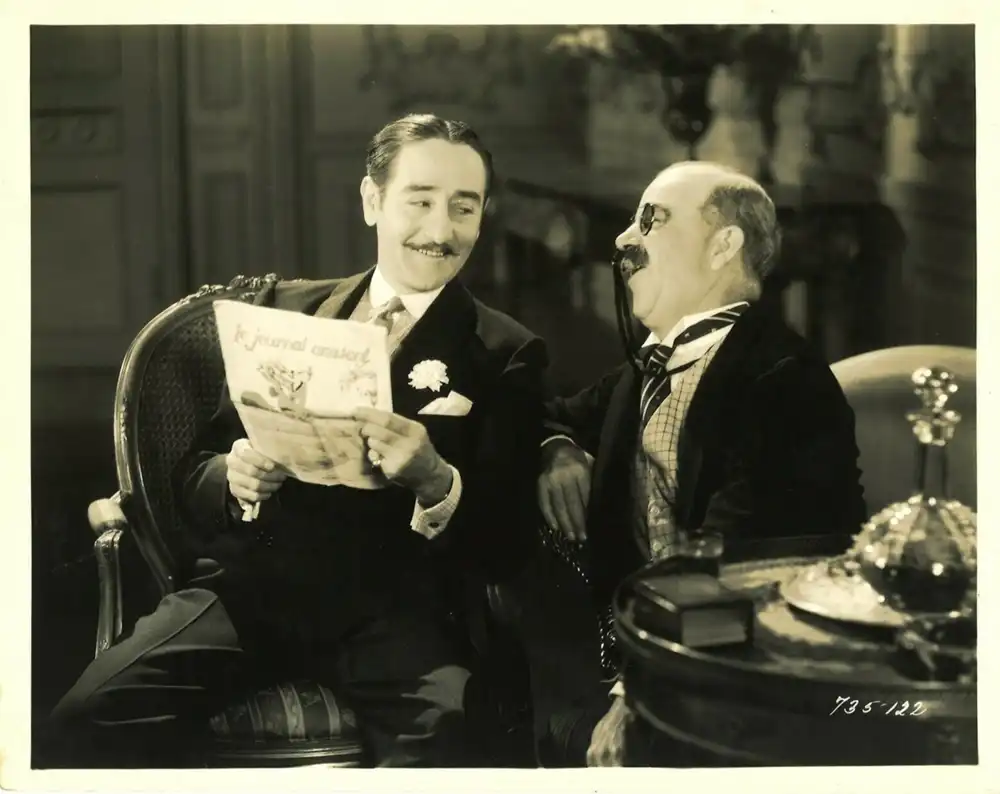
Adolphe Menjou is here, doing his usual suave thing. He walks into a room and instantly commands attention, even if his character is a bit of a scoundrel. There's a scene where he's just *casually* adjusting his cuff, but the way he does it, you just know he’s plotting something. It’s those little, almost invisible gestures that tell you a lot.
Then you’ve got Mischa Auer, who pops up and instantly injects a bit of delightful chaos. His character seems to always be just one step behind everyone else, or perhaps one step ahead in a completely different direction. There’s a bit where he tries to discreetly listen in on a conversation, hiding behind a ridiculously small potted palm. The camera just holds on him for a beat too long, and it becomes genuinely funny. You can almost hear the director saying, "Okay, Mischa, *really* milk it."
The film is *full* of these little visual gags. Sometimes they land, sometimes they feel a little broad, but you can feel the effort. Dot Farley, too, has some great reaction shots, often looking utterly scandalized by some bit of social faux pas. Her eyes widen to saucers, and you just *get* it. No dialogue needed, just pure, exaggerated silent-film acting, even if there’s sound.
I found myself wondering about the fashion sometimes. The outfits are just *wildly* elaborate. Like, how long did it take to get ready every morning? The hats! Oh man, the hats. One character wears a hat so enormous, it almost obscures the person standing next to them. It’s a bit much, but also kind of charming in its excess.
The pacing is… well, it’s 1929 pacing. Things unfold very deliberately. There are long stretches where characters are just *looking* at each other, conveying emotions through expressions rather than rapid-fire dialogue. It makes you slow down and really pay attention to faces. Sometimes, a scene goes on about 20 seconds too long, and the silence starts to feel awkward rather than emotional. But then, a sharp cut or a sudden burst of dialogue jolts you back.
There's this moment, fairly early on, where the whole plot sort of hinges on a misunderstanding about who *exactly* the "Marquis" is. It's not a huge reveal, but the way the characters all react differently, some with dawning horror, others with a knowing smirk, is pretty neat. You can almost feel the movie trying to convince you this moment matters, and it mostly does.
It’s not a film that's going to stick with you for weeks, probably. But for an hour or so, it transports you. It’s a peek into a different time, a different way of telling stories. **You gotta appreciate that.** It's like finding an old postcard in an antique shop – maybe not a masterpiece, but it tells a story.
One odd thing: the sound quality. Sometimes it’s surprisingly clear, then other times it dips and sounds like they're speaking through a tin can. It’s part of the charm, I guess, but it did make me miss the pure visual storytelling of silent films for a bit. There's a particular scene with Lucille Powers trying to sing, and the microphone placement seems to be *all wrong*. You barely catch half the words.
The ending felt a little rushed, honestly. Like they knew they had hit their runtime and just needed to wrap things up. It’s a bit of a neat bow, perhaps too neat for the slightly chaotic journey that came before. But hey, happy endings were the name of the game back then, right? ✨
IMDb 5.2
1929
Community
Log in to comment.