DbcultAccessing Vault...
Cult Review
Senior Film Conservator
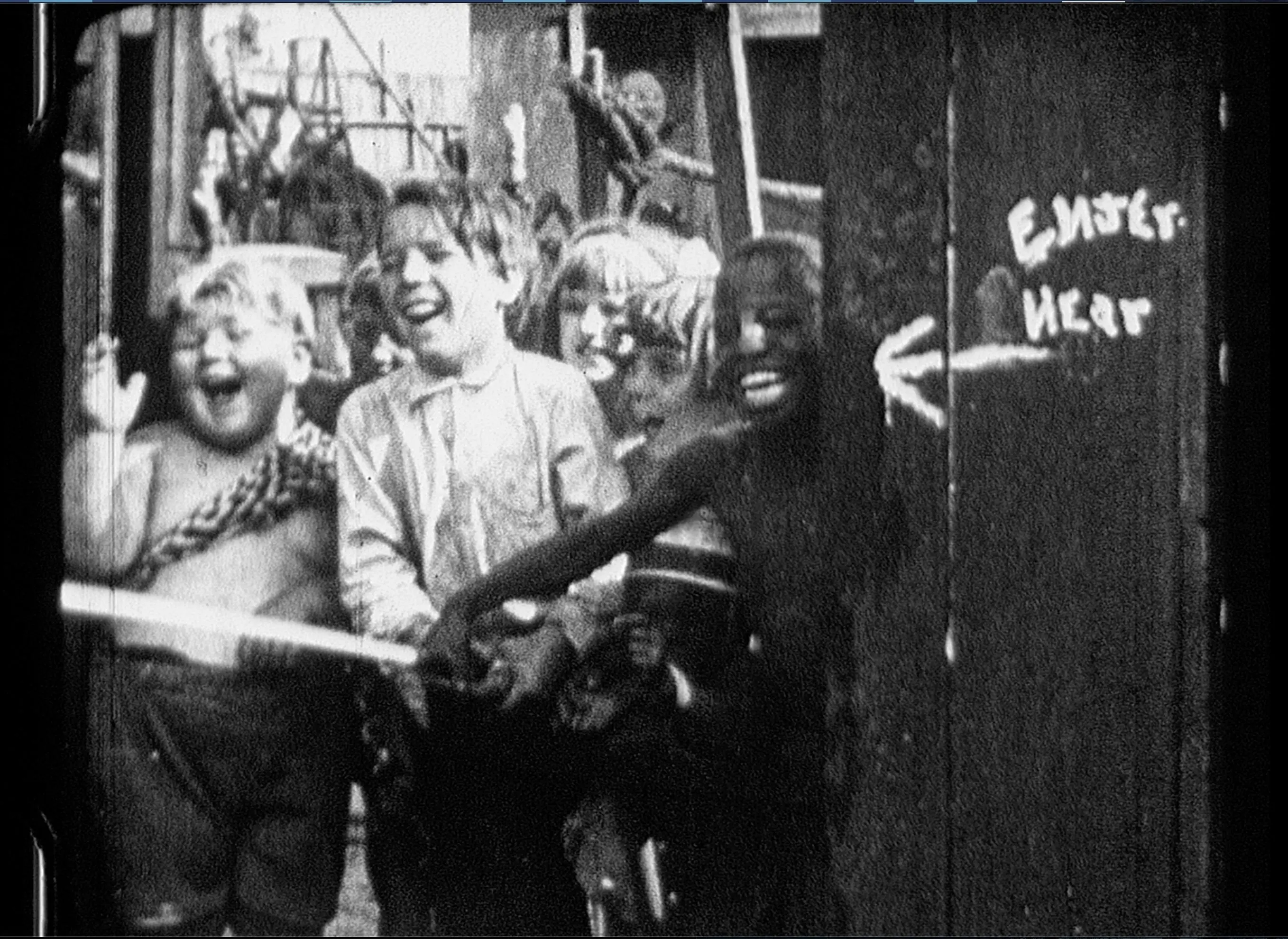
Is 'Ringling's Rivals' worth watching today? Short answer: yes, but with significant caveats. This isn't a film you simply 'watch' in the conventional sense; it's an experience in cinematic archaeology, a journey into the tantalizing void of early cinema history. It’s for the dedicated film historian, the silent film enthusiast, and those fascinated by the cultural phenomenon of the American circus, but it is emphatically NOT for casual viewers seeking a straightforward narrative or modern production values.
The very act of reviewing 'Ringling's Rivals' is an exercise in critical inference, a dance with ghosts. With its plot largely lost to the mists of time, and its very existence a whisper in the annals of cinema, we are left to piece together its essence from fragments: a title, a cast list, and the cultural context of its era. This isn't a film that demands your passive consumption; it demands your active imagination, your historical lens, and a willingness to embrace the unknown. It’s a film that works, in its own peculiar way, but it’s undeniably flawed by its elusiveness.
'Ringling's Rivals' exists more as a concept than a concrete cinematic artifact for most. The title alone, evocative of the legendary Ringling Bros. and Barnum & Bailey Circus, immediately conjures images of grand spectacles, daring feats, and the intense competition that defined the golden age of the American circus. Given the historical backdrop, one can surmise that the film likely tapped into the public's fascination with these traveling empires, perhaps even drawing inspiration from real-life rivalries like those between Barnum & Bailey and the Forepaugh & Sells Brothers Circus.
The film, by Kingsley Benedict and Pinto Colvig, hints at a narrative rich in potential. Colvig, later famous for his voice work in animation (Goofy, Bozo the Clown), suggests a storyteller with a flair for the dramatic and perhaps a touch of the whimsical, even in his early screenwriting. Benedict, a prolific writer of the era, would have brought structure and emotional depth. The collaboration promises a blend of spectacle and character-driven conflict, a formula common in the melodramas of the 1920s.
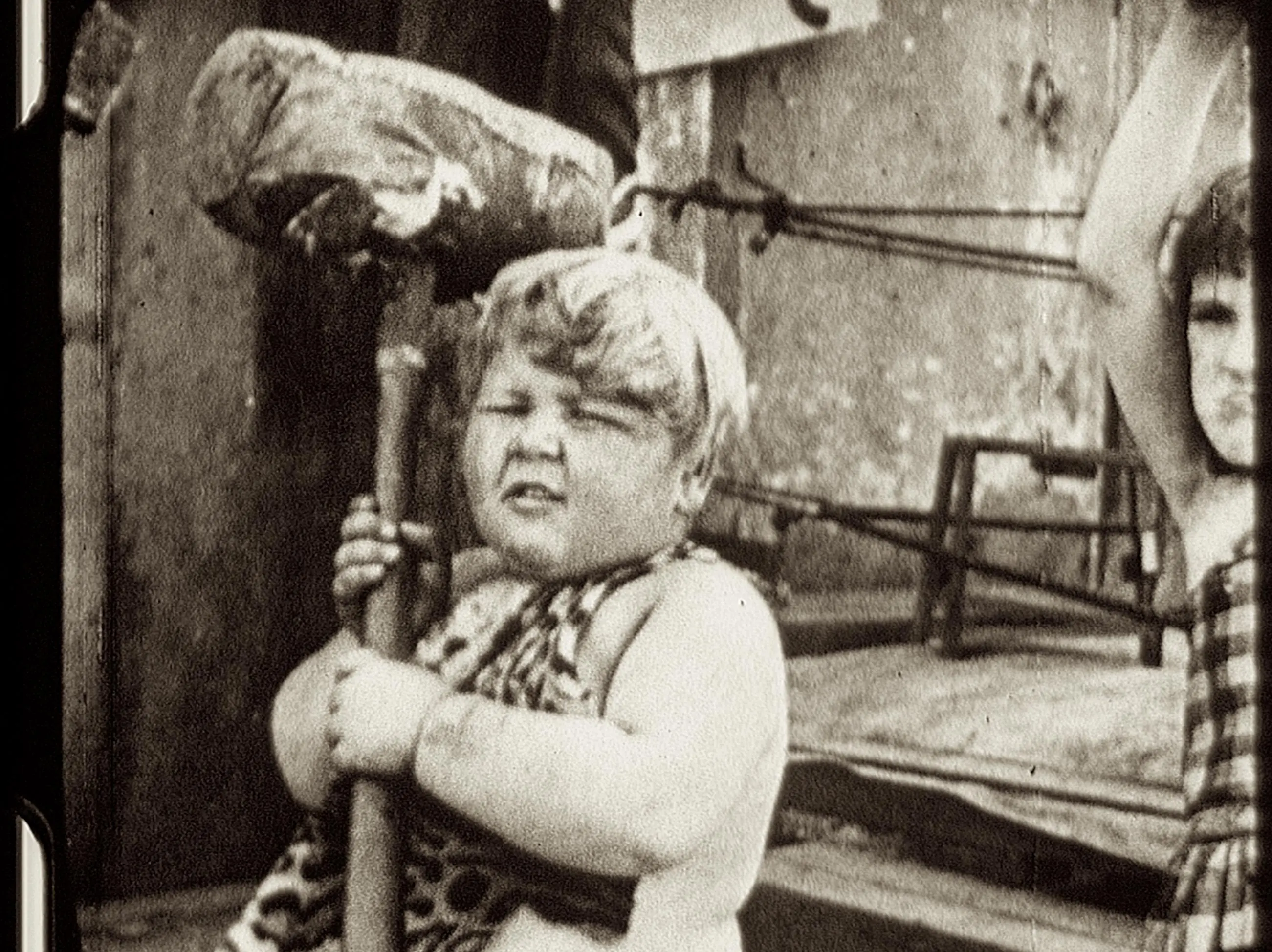
Without a plot synopsis, we are left to speculate on the nature of these 'rivals'. Were they competing circus owners, battling for territory and audiences? Or perhaps performers within the same troupe, vying for the spotlight and the affections of a shared love interest? The ambiguity is both a curse and a curious blessing, allowing for a broader discussion of the themes inherent to the circus world: ambition, danger, camaraderie, and the constant struggle for survival and spectacle.
This film works because: It acts as a powerful historical artifact, offering a rare glimpse into the cultural preoccupations and cinematic approaches of its time, even in its absence. Its very obscurity fuels a unique form of engagement for those interested in film preservation and the evolution of storytelling.
This film fails because: Its narrative is largely inaccessible, preventing a direct critical evaluation of its plot, pacing, and specific character development. For most, it remains an idea, not a tangible viewing experience, which is its most profound limitation.
You should watch it if: You are a film historian, a silent film scholar, or someone deeply intrigued by the history of the American circus and are prepared for a viewing experience that involves significant contextual research and intellectual reconstruction.
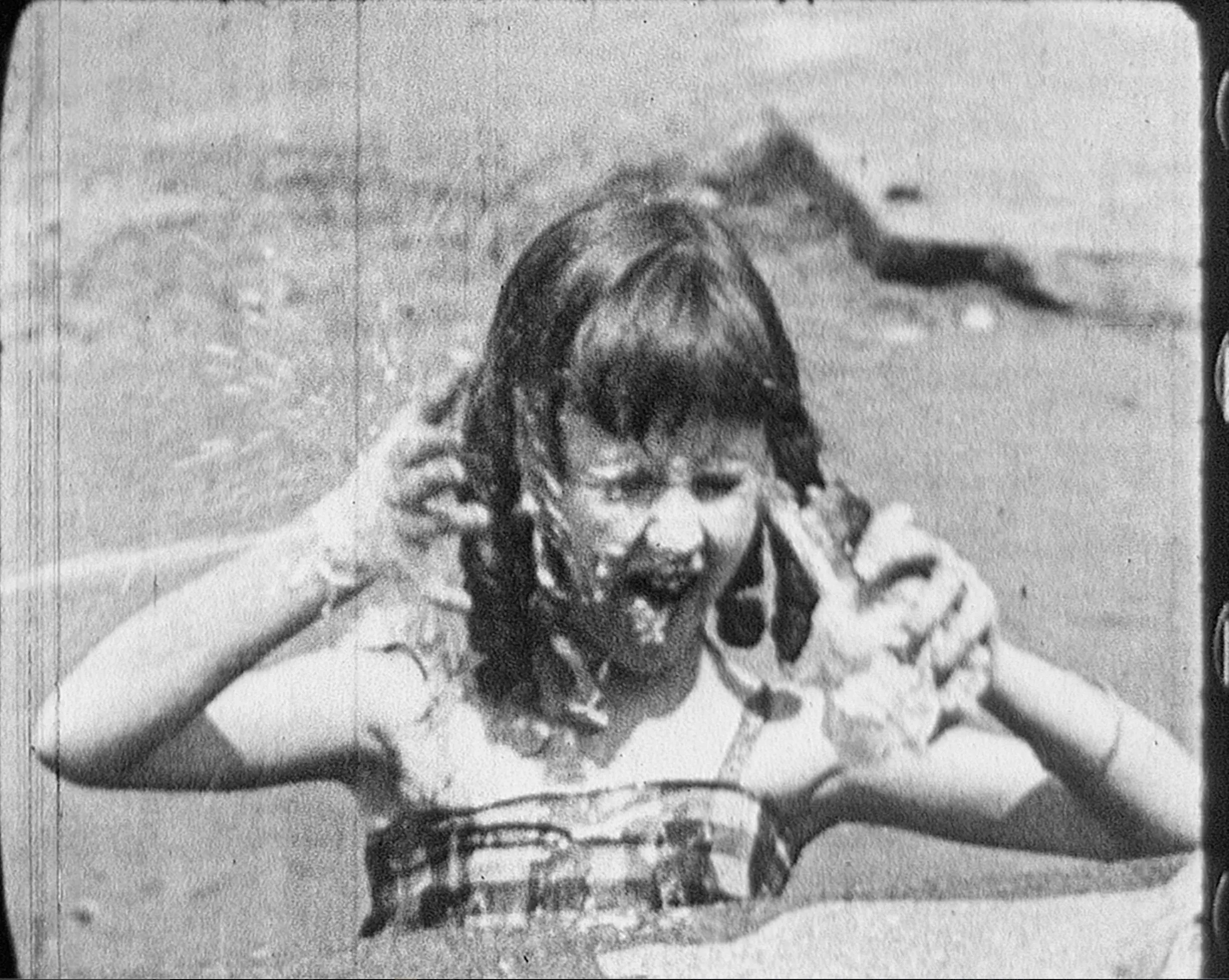
The listed cast for 'Ringling's Rivals' includes names like Harry Navarra, Gene Buckel, Billy Naylor, and Mary Jane Milliken. These were performers of a specific era, trained in the broad, expressive acting style necessary for silent cinema. Without dialogue, actors relied heavily on exaggerated facial expressions, body language, and pantomime to convey emotion and drive the narrative forward. One can imagine Navarra, perhaps as the titular Ringling-esque figure, exuding a commanding presence, his every gesture conveying power and ambition.
Gene Buckel and Billy Naylor might have embodied the 'rivals' themselves, their performances likely calibrated to create distinct, compelling antagonists or sympathetic competitors. The nuances of their rivalry would have been etched onto their faces, in their posturing during climactic scenes, or through their interactions with shared love interests, perhaps played by Mary Jane Milliken or Elizabeth Ann Keever. The challenge for these actors was immense: to be both larger-than-life for the back rows of a theater and subtly expressive enough for the camera's often static gaze.
Consider the physicality required for a circus film. Actors would have needed to convey not just dramatic tension but also the inherent athleticism and danger of the big top. One can picture Cliff Daniels, perhaps playing an acrobat or a strongman, his movements precise and powerful, his character's internal struggles mirrored in the physical demands of his craft. The performances, even without direct observation, speak to a particular school of acting, one that valued clarity and theatricality above all else. It's a style that, to modern eyes, can appear melodramatic, but was essential for audience comprehension in the absence of spoken words. The very notion of these actors bringing life to a story about circus rivalry is a fascinating study in early screen performance.
Directing a film like 'Ringling's Rivals' in the 1920s presented unique challenges, particularly when depicting the dynamic world of the circus. Directors of the era, operating with relatively primitive equipment, had to find creative ways to convey scale, movement, and excitement. Early silent films often relied on static camera positions, wide shots to capture entire scenes, and intertitles to provide context or dialogue. However, by the mid-1920s, camera movement was becoming more sophisticated, and filmmakers were experimenting with editing to create rhythm and tension.
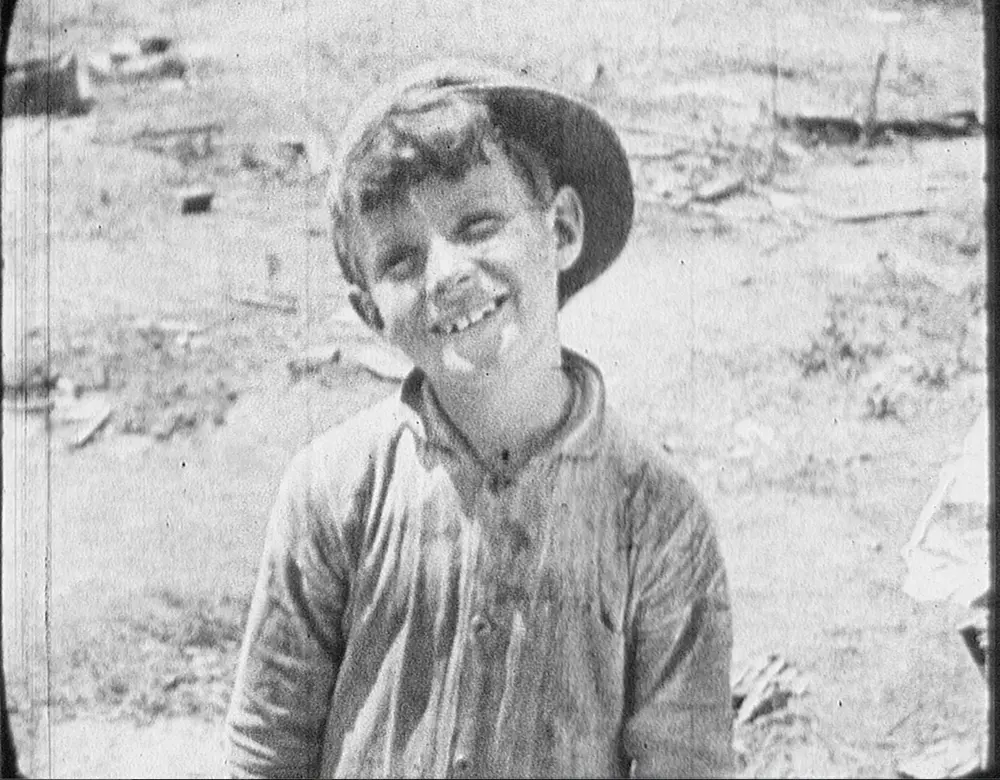
One could imagine the director (whose name is not explicitly provided, suggesting it might have been Kingsley Benedict or an uncredited talent) leveraging the inherent visual richness of the circus. Think of the vibrant costumes, the elaborate sets, and the sheer number of performers and animals. Cinematography would have focused on capturing the grandeur of the tent, the precision of acrobatic acts, and the dramatic confrontations between the rivals. The use of light and shadow, especially within the cavernous space of a big top, could have been particularly effective, casting an almost mythic glow on the performers.
A specific example of effective cinematography in a circus setting from that era might be drawn from films like The Pousse Cafe (though not a circus film, it shows early visual flair) or even the later Number 17 in its use of dynamic set pieces. For 'Ringling's Rivals', the camera might have lingered on the faces of the audience, capturing their awe and excitement, or focused on the intricate details of a trapeze act, creating a sense of both beauty and peril. The pacing, in line with many silent films, would have likely been deliberate, punctuated by moments of intense action or emotional climax, often signaled by rapid cuts or close-ups on an actor's expressive face.
The tone of 'Ringling's Rivals' would almost certainly have been a blend of high drama and spectacle, characteristic of 1920s cinema. The inherent melodrama of a rivalry, whether personal or professional, lends itself to grand gestures and heightened emotions. Given the circus setting, there would likely have been moments of awe and wonder, perhaps even lighthearted comedy provided by clowns or animal acts (a common feature in films of the period, and certainly within Pinto Colvig's wheelhouse). Yet, beneath the glitter, the film would have explored deeper themes.
Competition and ambition are obvious contenders. The very title screams of a struggle for dominance, a battle for the top spot. The fleeting nature of fame and the constant pressure to innovate and entertain would have resonated deeply with audiences of the time. There's also the theme of illusion versus reality – the polished performance hiding the grit and sacrifice behind the scenes. This is a powerful, universal theme that would have anchored the film's narrative, regardless of its specific plot points. It's an unconventional observation, but the film's title, in its simplicity, might be its most profound statement, encapsulating an entire era's ethos of relentless aspiration.
The human element – love, betrayal, loyalty – would undoubtedly have been woven into the fabric of the story. Perhaps a love triangle complicated the rivalry, or a moment of unexpected camaraderie transcended the competition. Films like The Girl Who Came Back or Love's Boomerang often explored similar emotional complexities. These universal themes, presented against the unique backdrop of the circus, would have provided the emotional core, making the film relatable despite its exotic setting. It works. But it’s flawed by its current inaccessibility.
For the vast majority of moviegoers, 'Ringling's Rivals' is not a film that can be 'watched' in the traditional sense. Its obscurity means that obtaining a complete, viewable print is a significant challenge, if not impossible. However, for a niche audience, its value is immense.
It serves as a portal to a bygone era, a historical document of early cinematic ambition and popular entertainment. For film scholars, its study offers insights into silent film techniques, storytelling conventions, and the cultural resonance of the circus. For those fascinated by the lives of the listed actors and writers, it provides another piece of their professional puzzle.
Its worth lies not in its entertainment value for a modern audience seeking a polished narrative, but in its academic and historical significance. It is a testament to the ephemeral nature of early cinema and the ongoing efforts of preservationists to salvage what remains. So, yes, it is worth 'engaging' with, understanding, and appreciating its place in history, even if a full viewing is beyond reach.
Pros:
- Offers a unique historical perspective on early 20th-century entertainment and cinema.
- The title itself is highly evocative, sparking imagination about its potential narrative and themes.
- Provides a tangible link to the careers of its cast and writers, including the notable Pinto Colvig.
- Its obscurity makes it a fascinating subject for film preservation and academic study.
- Likely explored universal themes of ambition, competition, and spectacle in a unique setting.
Cons:
- Virtually impossible to watch in its entirety, hindering any direct critical engagement.
- Lack of accessible plot details makes specific analysis incredibly difficult and speculative.
- Silent film conventions (e.g., broad acting, intertitles) may be a barrier for modern audiences.
- Its primary value is academic rather than entertainment-driven for contemporary viewers.
- The experience is more about intellectual reconstruction than cinematic immersion.
'Ringling's Rivals' stands as a compelling phantom of early cinema, a film whose true narrative is largely lost but whose echoes resonate with historical and cultural significance. It is not a film to be judged by conventional metrics of plot, character development, or directorial flair in the modern sense, for its very existence is a testament to the fragile nature of early film. Instead, it demands to be understood as a cultural artifact, a window into a specific moment in time when the circus reigned supreme and cinema was still finding its voice.
For those willing to engage with its historical context and accept the limitations of its inaccessibility, 'Ringling's Rivals' offers a unique, albeit challenging, journey. It's a film that asks us to imagine, to research, and to appreciate the enduring power of a title to conjure an entire world. While it won't be gracing any 'best of' lists for mainstream audiences, its place in the annals of film history, however shadowy, is undeniable. It is a film that, by its very absence, speaks volumes about the early promise and the eventual loss inherent in cinema's nascent years. A fascinating, if frustrating, piece of the cinematic puzzle.
IMDb —
1917
Community
Log in to comment.