DbcultAccessing Vault...
Cult Review
Senior Film Conservator
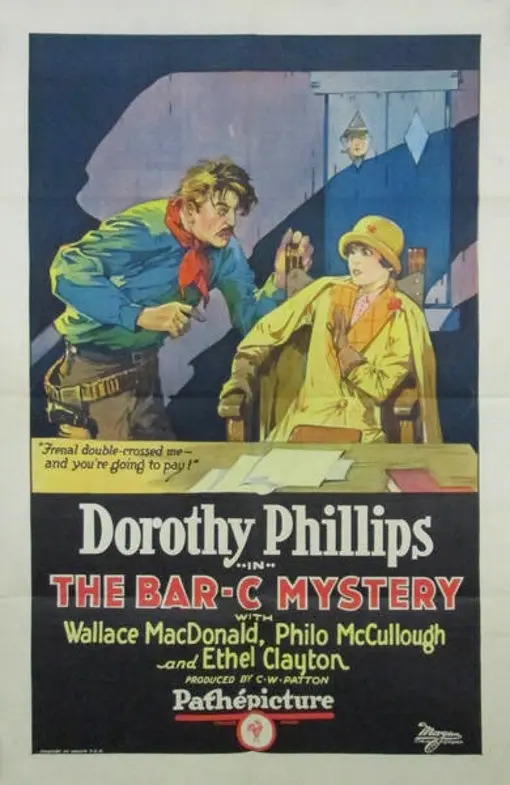
Does Chapter 5 of 'The Bar-C Mystery' still pack a punch nearly a century later? Short answer: Yes, but only if you appreciate the raw, unpolished danger of pre-CGI stunt work. This isn't a film for those who need high-definition clarity or complex psychological layering. It is for the cinema historian and the adrenaline junkie who wants to see real horses, real cattle, and real peril.
This film works because the scale of the cattle stampede feels genuinely unmanageable, creating a sense of chaotic dread that digital effects simply cannot replicate. This film fails because the narrative relies heavily on the 'damsel in distress' trope, which feels particularly dated even by the standards of 1926. You should watch it if you are a fan of Western history or want to see the foundational building blocks of the modern action sequence.
The fifth installment of this serial, titled 'Thundering Hoofs,' is a masterclass in practical tension. Director Robert F. Hill doesn't have the luxury of quick-cut editing to hide a lack of resources. Instead, he places Dorothy Phillips and Robert Irwin in what looks like genuine proximity to a charging herd. The cinematography captures the dust and the sheer mass of the animals with a grit that feels almost claustrophobic.
When Nevada’s horse stumbles, the impact is jarring. It isn't a clean, choreographed fall. It looks heavy and dangerous. This moment serves as the emotional anchor of the chapter. We see the transition from a controlled retreat to a desperate scramble for survival. Unlike the polished melodrama found in Camille, 'The Bar-C Mystery' trades in the currency of physical vulnerability.
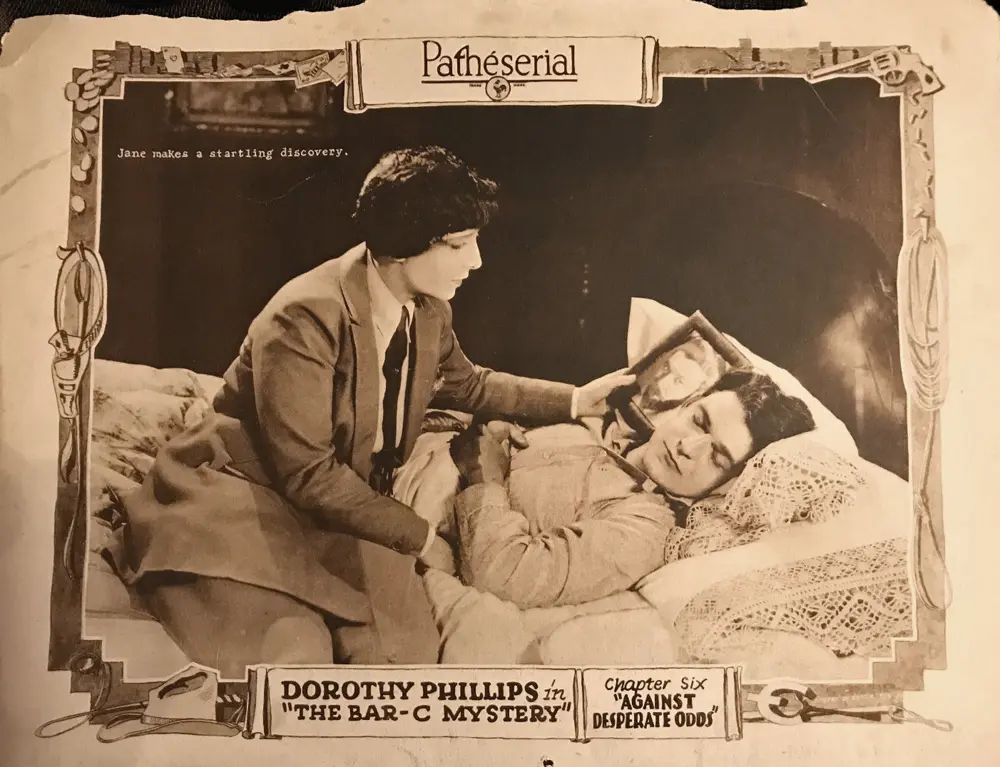
Dorothy Phillips brings a level of intensity to Jane that transcends the silent medium's tendency toward over-acting. Her fear feels grounded. While the script by William Sherwood and Raymond Spears doesn't give her much to do other than react to the impending doom, her physical performance is commendable. She isn't just waiting to be saved; she is actively struggling against the environment.
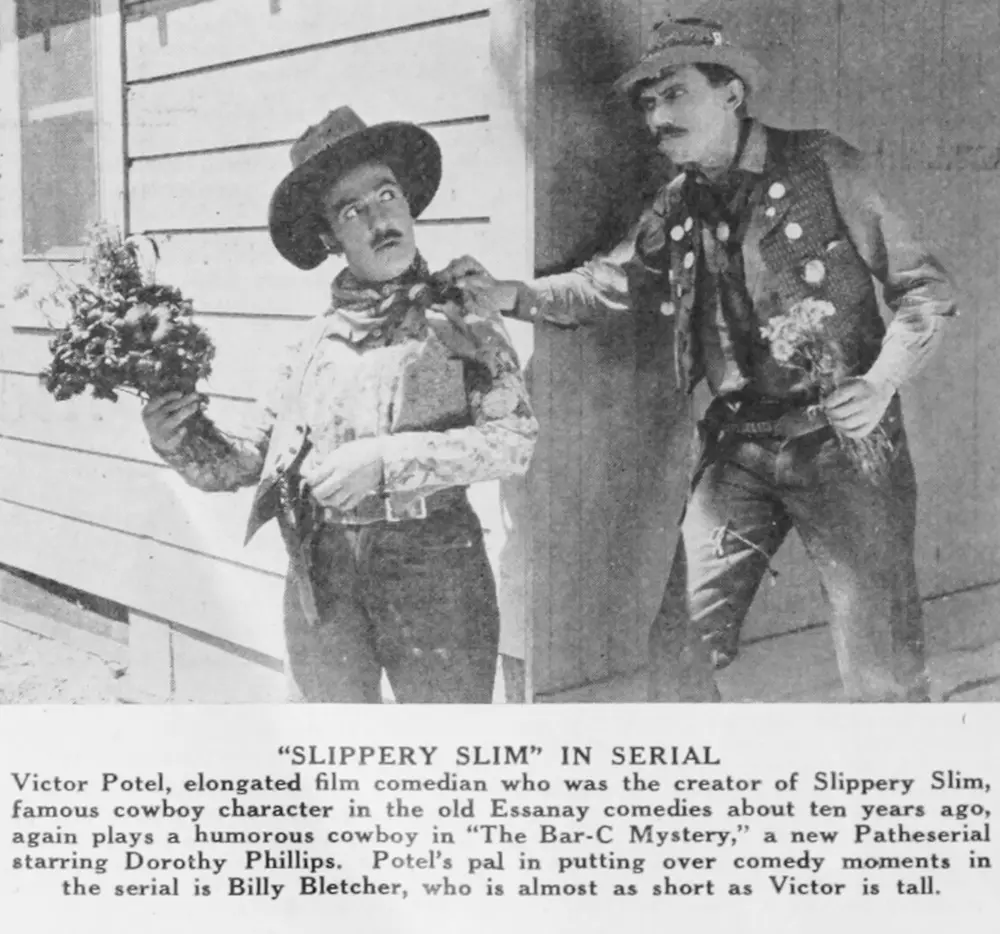
Robert Irwin, as Nevada, embodies the stoic Western hero, but with a crack in the armor. The moment his horse fails him, we see a flicker of genuine panic. It’s a subtle touch that differentiates this from more heroic-fantasy Westerns like The Lone Wolf. Here, the hero is at the mercy of chance and biology. If the horse trips, the hero dies. It is that simple.
The direction in this chapter is surprisingly modern in its focus on geography. Hill ensures the audience knows exactly where the outlaws are in relation to the herd, and where Nevada and Jane are in relation to the 'choke point.' This spatial awareness is often lost in modern action films, but here, it is essential for the tension to work. We understand the trap because we can see the walls closing in.
The use of long shots to establish the size of the herd makes the later close-ups of the trampling hoofs more effective. It’s a rhythmic approach to directing. Compared to the domestic pacing of The Show-Off, this is a frantic, breathless experience. The editing is sharp, cutting between the prodding outlaws and the fleeing couple to create a ticking clock scenario.
For the modern viewer, 'The Bar-C Mystery' is worth watching as a testament to the bravery of early filmmakers. It provides a window into a time when 'action' meant putting actors in front of real, unpredictable animals. It is a short, sharp burst of energy that reminds us that stakes don't need a hundred-million-dollar budget to feel real. It works. But it’s flawed.
Sherwood and Spears were veterans of the serial format, and it shows. They understand that a chapter needs to function as a singular unit of tension while contributing to the larger whole. The 'horse stumble' is a classic trope, but they deploy it here with perfect timing. It happens just as the audience thinks the protagonists might actually escape, effectively pulling the rug out from under both the characters and the viewers.
This mechanical approach to storytelling is different from the character-driven narratives of The Pinch Hitter. In a serial, the plot is the protagonist. The characters are merely the vessels through which we experience the danger. Some might find this shallow, but in the context of a Saturday afternoon matinee, it is highly effective.
The tone of 'Thundering Hoofs' is one of mounting anxiety. There is no humor here, no lighthearted relief. From the first frame of the cattle being prodded, the film commits to its premise. The pacing is relentless. Unlike Molly Make-Believe, which takes its time to build a world, 'The Bar-C Mystery' assumes you are already invested and throws you straight into the fire.
The cinematography by the uncredited camera team deserves praise for its stability during the chase. Shooting from moving vehicles or parallel horses in 1926 was a technical nightmare, yet the shots remain clear and focused. The dust kicked up by the cattle acts as a natural filter, adding a layer of hazy, dreamlike horror to the sequence.
Pros:
- Authentic practical effects that outshine many modern digital equivalents.
- Strong physical performances from Dorothy Phillips and Robert Irwin.
- Excellent use of landscape to create a sense of entrapment.
Cons:
- Narrative depth is sacrificed for the sake of the cliffhanger format.
- Some supporting characters feel like caricatures of 'outlaws.'
- The film requires a high tolerance for the technical limitations of 1926.
'The Bar-C Mystery' Chapter 5 is a fascinating artifact. It captures a moment in film history where the Western was transitioning from simple morality plays to complex action spectacles. While it lacks the emotional weight of something like Sold at Auction, it compensates with pure, unadulterated energy. It is a loud, dusty, and dangerous piece of cinema that proves you don't need sound to hear the thundering hoofs of fate. It is a 7/10 for its era, and a must-watch for anyone who wants to see where the modern blockbuster began. The horse stumbles, but the film doesn't.
IMDb —
1919
Community
Log in to comment.