DbcultAccessing Vault...
Cult Review
Senior Film Conservator
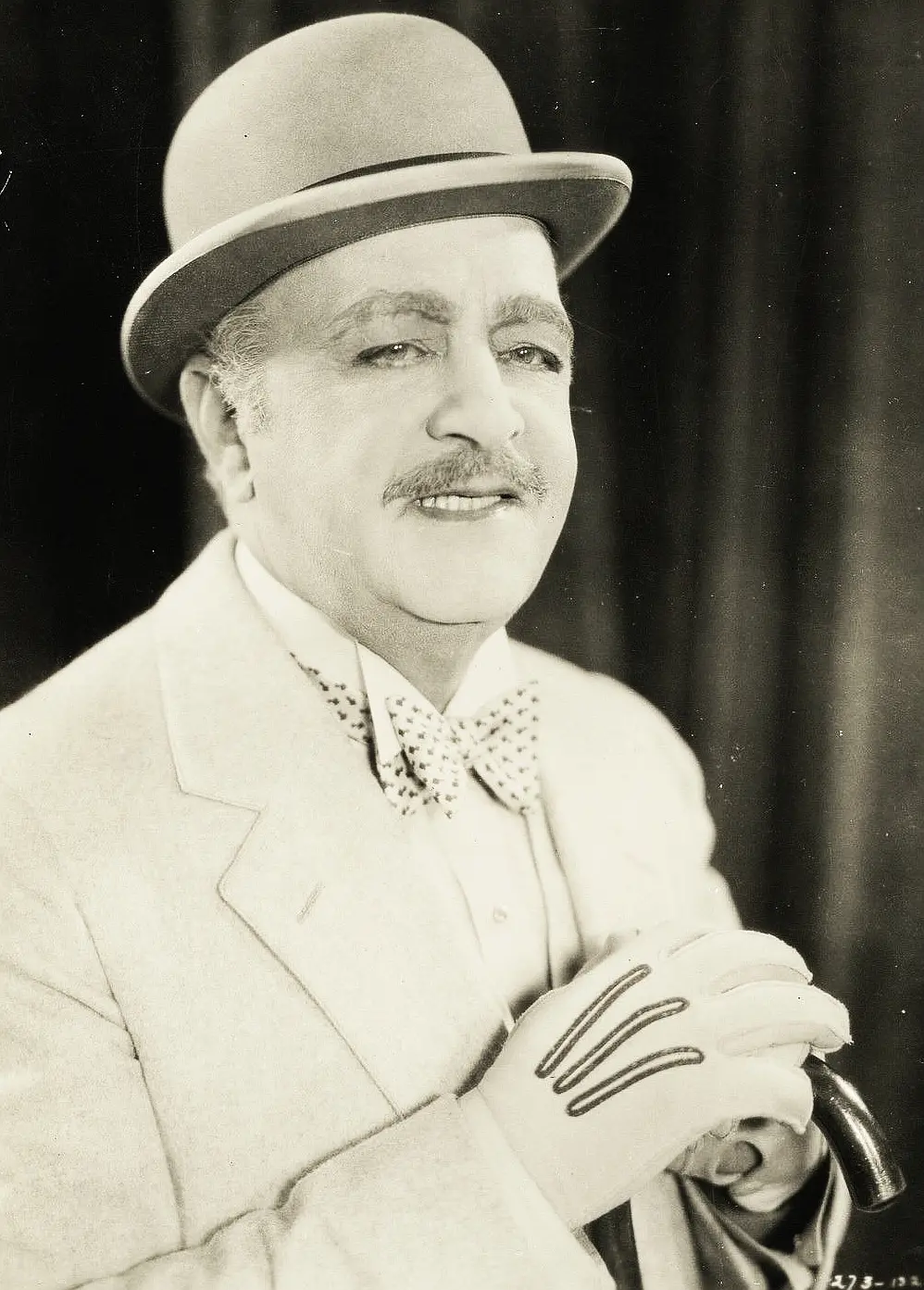
Is The Rejuvenation of Aunt Mary a relic worth digging up for a modern movie night? Short answer: yes, but only if you have an appetite for the frantic, high-speed energy of late-period silent slapstick.
This film is specifically for those who enjoy character-driven comedies where the humor stems from social friction rather than just pratfalls. It is absolutely not for viewers who require a slow-burn narrative or those who find the exaggerated gestures of 1920s cinema to be distracting.
1) This film works because May Robson delivers a physical performance that transcends the limitations of the silent medium, turning a caricature into a living, breathing rebel.
2) This film fails because the secondary plot involving Jack’s financial woes feels like a redundant carryover from the stage play, lacking the spark of the main transformation arc.
3) You should watch it if you want to see a rare 1920s film that treats an older woman as a protagonist with agency rather than just a punchline or a burden.
At the heart of this film is May Robson, an actress who could command a room with a single twitch of her eyebrow. In the opening scenes, she plays Mary Watkins with a rigid, almost terrifying stillness. She is the embodiment of the 19th-century moral code. When she sits in her parlor, the air around her seems to freeze.
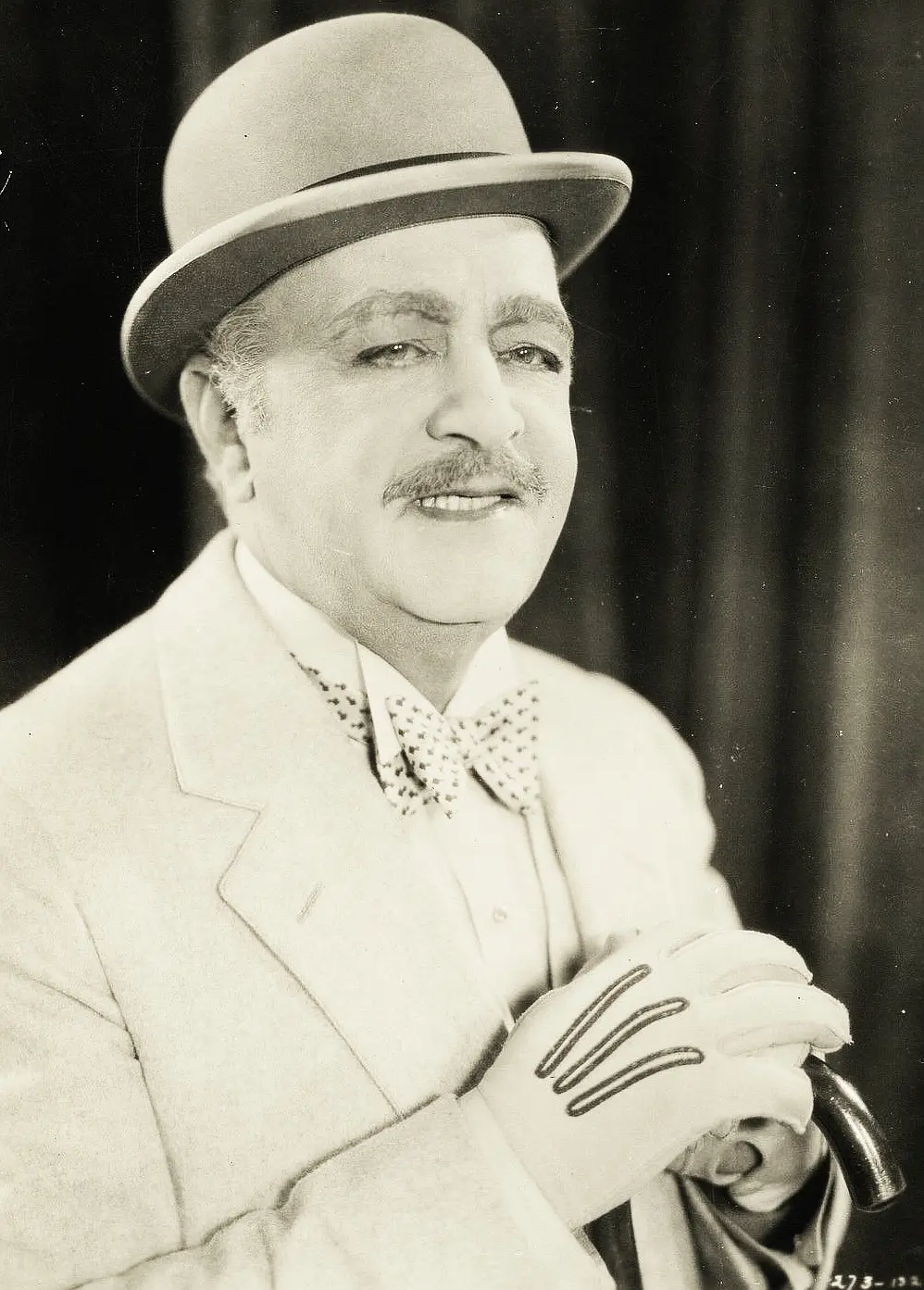
The magic happens when she hits the city. Unlike many 'fish-out-of-water' stories where the protagonist remains the butt of the joke, Mary adapts. There is a specific scene involving a high-speed car chase that highlights Robson’s comedic timing. She doesn't scream in terror; she leans into the wind, her face shifting from shock to a predatory kind of joy. It is a brilliant bit of acting that tells us everything we need to know about her character's internal liberation.
Her chemistry with Harrison Ford (the silent era star, not the modern icon) is surprisingly tender. Ford plays the nephew Jack with a desperate, sweaty charm. He is terrified of her, yet he clearly admires her. Their interaction provides a grounded emotional center that many other comedies of this era, such as Short Change, often lacked.
The direction by Donald Crisp (though Raymond Cannon and Anne Warner handled the script) is remarkably fluid for 1927. The pacing is relentless. Once the action shifts to the city, the film adopts a rhythmic quality that mimics the jazz music of the era. The editing is sharp, cutting between Mary’s wide-eyed discoveries and Jack’s frantic attempts to hide his debauchery.
The film manages to avoid the 'stagey' feel that plagued many adaptations of the time. While it was based on a popular play, the filmmakers utilized the outdoor spaces of Los Angeles to give the story a sense of scale. The contrast between the dusty, sun-bleached country roads and the neon-lit, crowded city streets is visually striking. It creates a palpable sense of two different worlds colliding.
However, the pacing does falter in the middle. There are a few too many scenes of Jack explaining himself to his friends. These moments feel like filler, meant to pad the runtime before the next big set piece. Compared to the tight narrative of The Forfeit, this film occasionally meanders into repetitive territory.
The camera work in The Rejuvenation of Aunt Mary is surprisingly adventurous. There are several tracking shots during the party scenes that capture the chaotic energy of the 1920s. The lighting, too, plays a role in the storytelling. In the country, the light is flat and harsh, reflecting Mary’s unyielding nature. In the city, the shadows are deeper, and the highlights are more diffused, creating a world of mystery and excitement.
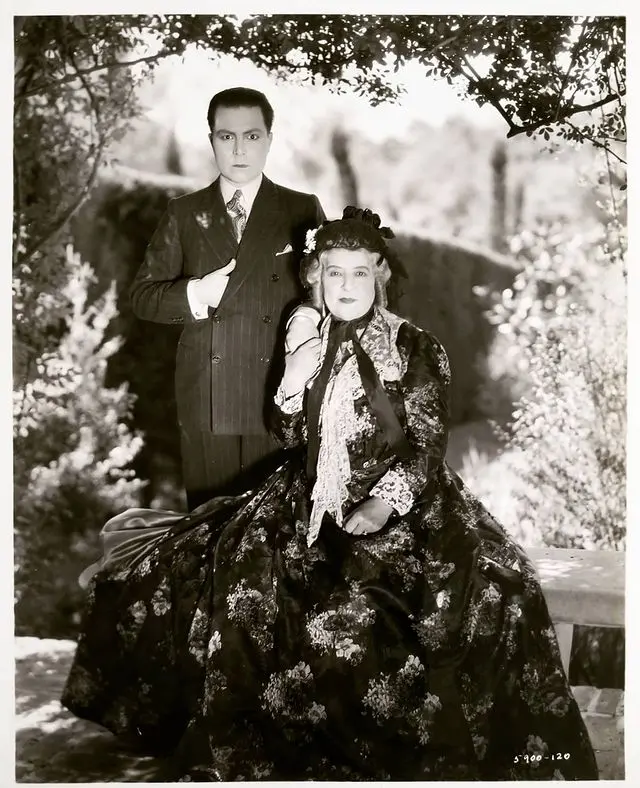
One standout moment involves a multi-car pile-up that is captured with a grit usually reserved for dramas like The Pride of New York. The physical comedy is dangerous and visceral. You can almost feel the exhaust fumes and the grinding of gears. It’s not just 'funny'—it’s thrilling. This film understands that for the comedy to land, the stakes (and the speed) must feel real.
The Rejuvenation of Aunt Mary is absolutely worth watching for anyone interested in the evolution of the American comedy. It captures a specific cultural moment where the old world was being forcibly dragged into the new. While some of the supporting performances, like those of Phyllis Haver or Franklin Pangborn, are standard for the era, May Robson’s lead performance is a revelation. She proves that comedy doesn't have a shelf life.
If you are a fan of films like Mary Moves In or Molly of the Follies, you will find a lot to love here. It shares that same DNA of female-led rebellion against societal expectations. It’s a film that celebrates the idea that it’s never too late to start living, and it does so with a wink and a smile.
What makes this film more than just a collection of gags is its underlying subversion. In 1927, the idea of an elderly woman 'rejuvenating' by joining a jazz party was practically scandalous. The film argues that the youth culture of the 20s wasn't a threat to the older generation, but an opportunity for them to escape the stifling boxes they had been placed in. It’s a surprisingly progressive stance for a film of its age.
We see similar themes explored in The Innocent Lie, but where that film leans into melodrama, Aunt Mary uses laughter as its primary weapon. It’s a more effective strategy. By making us laugh at Mary’s initial rigidity, the film makes us root for her eventual liberation. When she finally dons a flapper-style outfit, it doesn't look ridiculous—it looks right.
The writing by Raymond Cannon and Anne Warner is sharp. They understand that the best comedy comes from a place of truth. The dialogue (via intertitles) is punchy and avoids the flowery prose common in films like The Illustrious Prince. It feels modern. It feels alive.
The Rejuvenation of Aunt Mary is a loud, proud, and incredibly fast-paced joyride. It works. But it’s flawed. The narrative structure is a bit clunky, and the ending is wrapped up too neatly in a bow. However, May Robson is a force of nature that cannot be ignored. She carries the film on her shoulders and delivers a performance that feels as fresh today as it did nearly a century ago. If you can handle the silence, the reward is a loud and boisterous celebration of life. It’s a forgotten gem that deserves a spot in the pantheon of great silent comedies.
IMDb —
1925
Community
Log in to comment.