DbcultAccessing Vault...
Cult Review
Senior Film Conservator
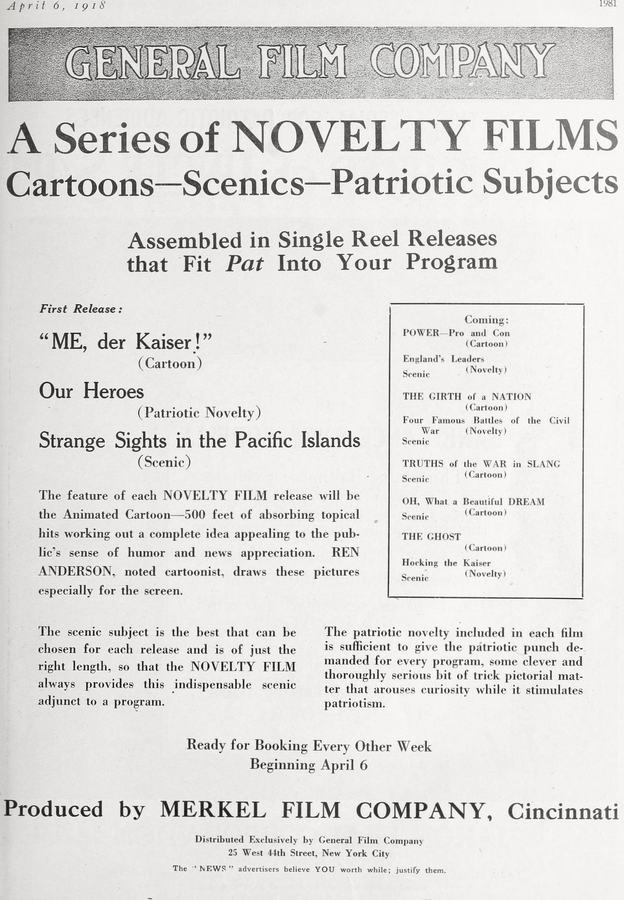
To truly grapple with the audacious vision of ME, der Kaiser! is to confront the very architecture of human ambition, laid bare in its most unvarnished, terrifying form. This is not merely a film; it is a seismic event in cinematic storytelling, a profound psychological excavation that leaves an indelible mark upon the psyche long after the credits roll. At its pulsating core is Kenneth M. Anderson's tour-de-force performance as Elias Thorne, a character so meticulously crafted, so disturbingly plausible, that he transcends the screen to become a chilling archetype of self-made divinity. Anderson doesn't just play Thorne; he inhabits him, allowing us to witness the agonizing, exhilarating birth of an emperor from the ashes of a forgotten cartographer. His portrayal is a masterclass in controlled intensity, a gradual unveiling of a man whose genius is inextricably intertwined with a burgeoning, megalomaniacal delusion.
The film commences with an almost poetic melancholy, introducing us to Thorne amidst the sprawling, skeletal remains of an abandoned industrial district. This 'Thorneland,' as he so grandiosely christens it, is more than a mere setting; it is a character in itself, a silent testament to societal neglect and the fertile ground for one man's burgeoning imperial fantasy. The cinematography, drenched in hues of muted grey and sepia, perfectly captures the desolation, yet also the strange, desolate beauty of this forgotten realm. It’s a canvas upon which Thorne projects his grand design, transforming decay into dominion. The initial scenes, depicting Thorne's almost ritualistic mapping of this urban wilderness, are steeped in a quiet, obsessive fervor. He doesn't just chart land; he charts a destiny, meticulously drawing boundaries that exist only in his mind, yet soon take on a terrifying, tangible reality. This methodical approach to madness is what makes Thorne so compelling, and so utterly terrifying. He is not a madman ranting in the streets; he is a man of logic and order, applying his formidable intellect to a deeply irrational pursuit.
What truly distinguishes ME, der Kaiser! is its unflinching exploration of how power is not merely seized but cultivated, nurtured, and ultimately, weaponized. Thorne's ascension is not a sudden coup but a gradual, insidious process. He preys on the desperate, the dispossessed, those who have been cast aside by the very society that now dismisses his 'empire' as a mere eccentricity. He offers them not just food and shelter, but purpose, identity, and a sense of belonging to something greater than themselves – a 'Thorneland' where they are seen, valued, and protected. This nuanced depiction of social contract, albeit a twisted one, elevates the film beyond a simple character study into a potent socio-political allegory. It forces us to question the inherent human need for leadership, for order, even when that order is imposed by a self-appointed despot. The film's brilliance lies in demonstrating how quickly the line blurs between a visionary leader and a tyrannical ruler, particularly when circumstances conspire to grant absolute authority.
Anderson's performance is a masterclass in psychological transformation. We witness the subtle shifts in Thorne’s demeanor: the initial quiet intensity giving way to a more pronounced, almost regal bearing; the glint of idealism in his eyes slowly hardening into the cold, calculating gaze of a monarch. His voice, initially measured and articulate, gains an imperious resonance, each pronouncement a decree. This evolution is chillingly organic, making his eventual descent into paranoia and despotism feel not only inevitable but horrifyingly logical within the twisted reality he has constructed. It evokes echoes of other complex characters driven by an inner fire, perhaps even the unyielding resolve seen in films like The Iron Heart, though Thorne's ambition is far more insular and self-serving. Where other protagonists might seek external validation, Thorne seeks only to solidify his internal conviction, externalizing it onto his 'subjects.'
The film's narrative structure is as meticulously crafted as Thorne's maps. It unfolds with a deliberate, almost hypnotic rhythm, building tension through subtle foreshadowing and an escalating sense of unease. The introduction of Thorne's 'imperial guard,' composed of fiercely loyal, almost fanatical followers, marks a crucial turning point, signifying the transition from an abstract idea to a tangible, enforced reality. The anachronistic laws Thorne institutes – bizarre decrees that blend archaic customs with his own idiosyncratic vision of justice – serve to further isolate Thorneland from the modern world, creating a hermetically sealed ecosystem of his own making. This self-imposed isolation, however, becomes a double-edged sword, fostering both unwavering loyalty and burgeoning resentment among his subjects. The internal conflicts, the whispers of dissent, and the loyalty tests Thorne orchestrates are handled with an exquisite psychological precision, reminiscent of the intricate power struggles depicted in The Enemy Within, albeit on a far grander, more allegorical scale.
Directorially, the film is a triumph of atmosphere and mood. The use of shadow and light, particularly in the cavernous, decaying structures of Thorneland, creates a palpable sense of claustrophobia and foreboding. The sound design is equally masterful, employing an unsettling ambient score that underscores Thorne's growing paranoia and the precariousness of his reign. Moments of quiet contemplation are punctuated by sudden, jarring events, keeping the audience perpetually on edge. The camera often lingers on Anderson’s face, capturing every flicker of emotion, every subtle shift in his increasingly imperial demeanor. This intimacy forces the audience to confront the character's internal landscape, making his descent into tyranny a deeply personal, almost empathetic experience, despite the monstrousness of his actions.
The thematic richness of ME, der Kaiser! extends beyond mere power dynamics. It delves into the human need for meaning, for belonging, and for an explanation of the chaos that often defines modern existence. Thorne offers his followers not just a new home, but a new narrative, a new history, one in which they are not forgotten but central. This seductive promise, however, comes at the highest bid – the complete surrender of individual agency. The film brilliantly illustrates how easily hope can be manipulated into blind obedience, a cautionary tale that resonates deeply in an increasingly fragmented world. The parallels to the seductive nature of absolute ideology, and the cost of such surrender, are stark and unsettling. One might even draw a comparison to the intricate schemes for control and manipulation found in narratives like Stolen Orders, though Thorne's orders are not stolen, but self-proclaimed and then fiercely defended.
The climax of ME, der Kaiser! is a breathtaking collision of two realities: Thorne’s meticulously constructed illusion and the undeniable, indifferent force of the outside world. It’s a confrontation that forces Thorne, and by extension the audience, to grapple with the fragility of self-made empires. The resolution, far from offering easy answers, is complex and profoundly ambiguous, leaving a lingering sense of disquiet. Does Thorne truly fall, or does his delusion triumph in a more insidious way? The film’s refusal to neatly categorize its ending is a testament to its artistic integrity, forcing viewers to become active participants in interpreting its meaning. This ambiguity is a bold choice, elevating the film from a mere spectacle to a philosophical inquiry into the nature of reality itself. The themes of loyalty and betrayal, so central to Thorne's reign, find a powerful, dramatic zenith in this final act, recalling the high stakes and intricate betrayals explored in In Treason's Grasp, but with a unique, internal psychological dimension.
In its entirety, ME, der Kaiser! is a searing indictment of unchecked power and a chilling portrait of a mind that dares to redraw the map of reality. It is a film that demands attention, rewards contemplation, and provocatively challenges preconceived notions of leadership, sanity, and the very fabric of society. Kenneth M. Anderson delivers a career-defining performance, one that will undoubtedly be discussed and dissected for years to come. The film's aesthetic, its narrative audacity, and its profound psychological depth combine to create an experience that is both intellectually stimulating and deeply unsettling. It is a cinematic achievement that solidifies its place as a monumental work, a timeless allegory for the allure and ultimate peril of becoming one's own emperor in a world that desperately seeks order, even at the cost of freedom. The legacy of a character like Thorne, much like the 'immortal flame' of ambition itself, explored in The Immortal Flame, burns brightly and dangerously within the annals of cinematic memory. This is a film that doesn't just entertain; it interrogates, it provokes, and it lingers, haunting the edges of your thoughts long after the screen fades to black.
The directorial choices throughout are consistently bold, never shying away from the unsettling implications of Thorne's self-proclaimed sovereignty. The gradual erosion of the initial, almost idealistic veneer of Thorneland, replaced by a rigid, fear-driven hierarchy, is depicted with stark realism. The vibrant, almost hopeful yellow tones that occasionally punctuate the otherwise muted palette during Thorne's early, more benevolent phase, slowly give way to the stark, almost institutional blues and oranges as his rule becomes more absolute, mirroring the shift in his psychological state. This subtle use of color as a narrative device is a testament to the film's meticulous attention to detail, adding another layer of depth to its already complex tapestry. The design of Thorne’s 'palace' – a repurposed, grand industrial building – is particularly striking, a brutalist monument to his ego, adorned with his self-designed imperial insignia. Every element, from the costume design to the sparse, yet impactful, dialogue, serves to reinforce the film's central themes of control, delusion, and the seduction of power. It’s a complete, immersive world, meticulously constructed to draw the viewer into Thorne's increasingly warped perception of reality, ensuring that the impact of ME, der Kaiser! is not just intellectual, but visceral and deeply resonant.
IMDb —
1921
Community
Log in to comment.