DbcultAccessing Vault...
Cult Review
Senior Film Conservator
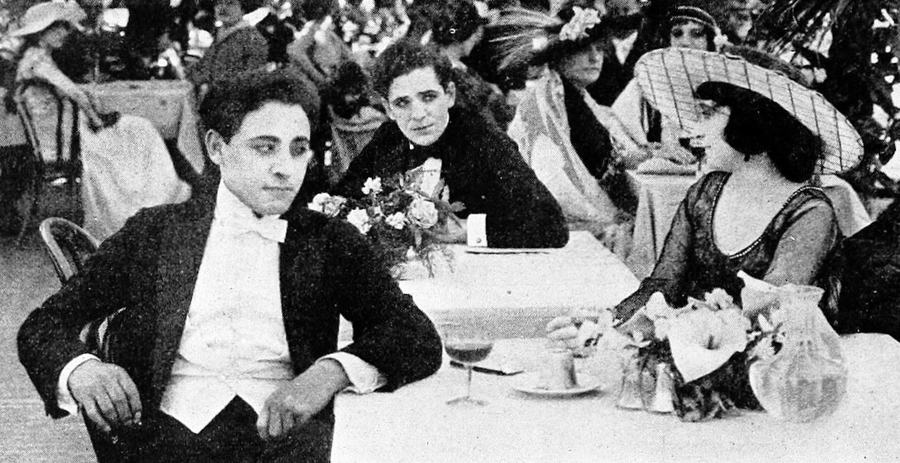
There are films that merely tell a story, and then there are those that etch themselves into the very fabric of one’s emotional landscape, leaving an indelible mark. The Wasted Years, a silent-era melodrama of profound emotional depth, unequivocally belongs to the latter category. From its opening frames, which introduce us to the desolate figure of Old Weatherby, a man seemingly adrift on the currents of forgotten time, we are drawn into a narrative vortex that is as heartbreaking as it is compelling. This isn't just a tale of love lost or fortune squandered; it's a meticulously crafted character study, a stark commentary on the insidious nature of urban temptations versus the enduring purity of rural innocence, and ultimately, a powerful meditation on regret. The genius of this film lies not only in its ambitious scope but in its unflinching portrayal of life's brutal ironies, all framed within the poignant, almost voyeuristic experience of Weatherby reliving his own undoing on a theatrical stage.
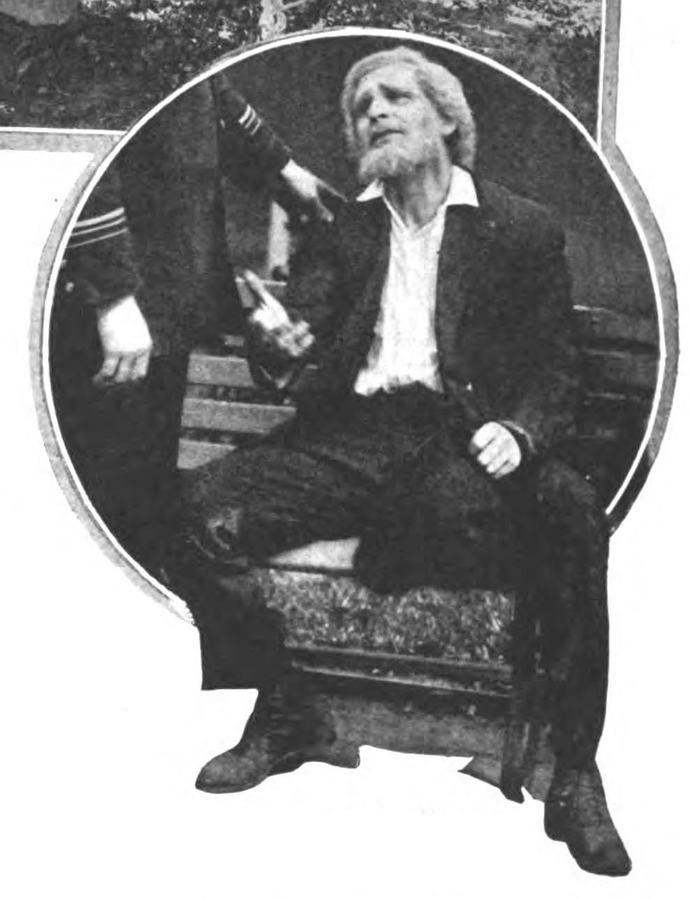
The film’s ingenious framing device immediately sets a melancholic tone. Old Weatherby, a broken man whose very posture suggests a lifetime of hardship, is granted a fleeting moment of grace—a small sum from a compassionate passerby. The choice he faces, between the immediate solace of food and the spectral allure of a play titled "Youth," is a microcosm of the larger narrative's central conflict. His decision to forgo sustenance for the theatrical experience is a testament to the irresistible pull of nostalgia, a yearning to revisit a past, however painful, that defined him. As the curtain rises on the drama within the drama, Weatherby becomes more than an audience member; he is the protagonist, his own life unspooling before his weary eyes. This meta-narrative approach elevates the film from a simple melodrama to a profound exploration of memory, regret, and the inescapable weight of one's choices. It’s a bold narrative stroke that imbues the entire story with a sense of predestination and tragic inevitability, making Weatherby's eventual, quiet demise in the theater seat not just an ending, but a poignant, almost poetic release from a life consumed by its own echoes.
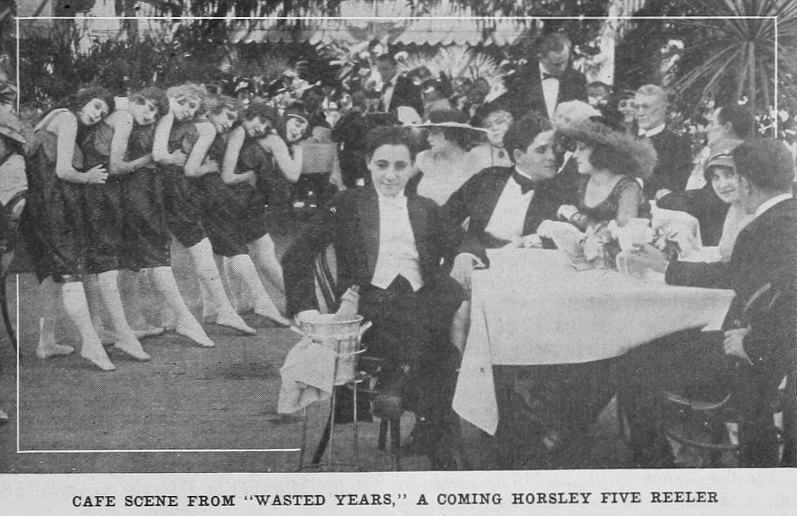
The heart of the story, Harry's youth, begins in the pastoral simplicity of Cedarville, a stark contrast to the urban labyrinth that will later consume him. Here, we witness the genesis of a pure, untainted love between Harry and June, two souls intertwined since their orphanage days. Their bond, forged in shared innocence and adolescent dreams, is depicted with a tender authenticity that makes their subsequent separation all the more agonizing. Harry, the earnest machinist, and June, the diligent milliner's apprentice, represent an idealized vision of ambition and devotion. Their plans for matrimony are not merely a social convention but the natural culmination of a love deeply rooted in mutual respect and shared history. The film masterfully establishes this foundation, allowing the audience to invest deeply in their happiness, only to then systematically dismantle it, piece by agonizing piece. This early portrayal of idyllic romance, reminiscent of the untroubled beginnings often seen in films like My Lady Incog. where initial happiness is often tested by external forces, serves to heighten the tragic impact of what is to come. The local physician's unrequited affection for June adds a subtle layer of complexity, foreshadowing the choices she will be forced to make in the wake of Harry's catastrophic missteps.
Harry's unexpected inheritance, a sudden windfall from a distant uncle, acts as the catalyst for his downfall. This sudden elevation from working-class humility to unaccustomed wealth transports him to the glittering, yet morally treacherous, "white lights" of the big city. The film brilliantly contrasts the genuine warmth and community of Cedarville with the superficial glamour and predatory opportunism of urban life. Harry, naive and unseasoned, becomes an easy mark, his country sensibilities no match for the sophisticated deceits that lurk beneath the city's dazzling facade. His desire "to see a little of life" is a common trope, yet in Harry's case, it's rendered with a particular poignancy, as his curiosity leads him not to enlightenment, but to a precipice. This narrative arc, where a character's sudden fortune leads to their moral corruption and eventual ruin, echoes themes explored in literary works and films of the era that critiqued the perceived dangers of modernization and unchecked ambition. The city here is not just a setting; it's an active antagonist, a labyrinth of temptations designed to ensnare the unwary.
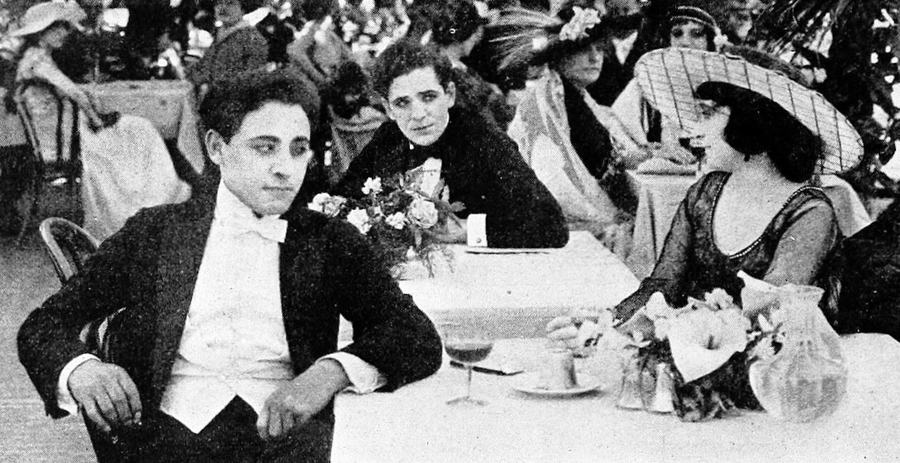
The introduction of Billie, a quintessential "woman of the world," and her conniving accomplice, Robert Leslie, marks the beginning of Harry's irreversible descent. Their encounter at a roof garden, a symbol of urban decadence, is meticulously choreographed. Billie's calculated charm, combined with Leslie's strategic withdrawal, creates a perfect storm of manipulation. Harry, unversed in such duplicity, is utterly mesmerized, his judgment clouded by alcohol and infatuation. The film excels in portraying the insidious nature of their trap, culminating in Leslie's "dare" that propels Harry into a hasty, ill-conceived marriage. This sequence is a masterclass in psychological manipulation, showcasing how easily innocence can be exploited by seasoned predators. The speed and casualness with which the ceremony takes place underscore Harry's compromised state and the schemers' ruthless efficiency. It's a stark reminder of how quickly one's life can be derailed by a single, catastrophic error in judgment, especially when fueled by intoxication and a desperate desire for belonging or excitement. The tragedy here is amplified by the audience's knowledge of June's unwavering loyalty back in Cedarville, creating a powerful sense of dramatic irony.
June's journey in The Wasted Years is a testament to resilience in the face of profound heartbreak. Her faithful waiting, her growing concern, and her courageous decision to seek Harry in the city speak volumes about her character. The scene of her confrontation with Harry and Billie is arguably one of the film's most emotionally potent moments, a silent scream of betrayal and shattered dreams. The raw anguish depicted on June's face, her world collapsing around her, is palpable. Yet, her subsequent return to Cedarville and her eventual marriage to the steadfast physician is not merely a consolation prize; it's an act of self-preservation and a quiet triumph of enduring decency. She chooses stability and genuine affection over a destructive, elusive love. Her new life, a happy home built on mutual respect, stands in stark contrast to the chaotic downfall that awaits Harry. This parallel narrative effectively underscores the film's moral compass, suggesting that true happiness lies not in fleeting glamour or inherited wealth, but in integrity and steadfast love. It provides a glimmer of hope amidst the pervasive sorrow, a reminder that even after devastating loss, life can find a way to flourish, albeit along a different, unexpected path.
Harry's descent into financial ruin at Billie's hands is a slow, agonizing process, painted with the brushstrokes of blind devotion. His love, or perhaps infatuation, for Billie is so profound that it renders him utterly oblivious to her mercenary motives. This tragic flaw—his inability to discern genuine affection from calculated exploitation—is central to his character's undoing. The film meticulously charts Billie's gradual extraction of his wealth, a chilling demonstration of her manipulative prowess. The moment of his awakening, when he discovers Billie and Leslie conspiring against him in his own home, is a seismic shock. It's a brutal, visceral revelation that shatters his illusions and exposes the depth of their treachery. The ensuing confrontation, culminating in Leslie's expulsion and Billie's defiant unmasking of her true contempt, is a powerful scene of emotional devastation. It’s a moment of clarity that comes far too late, leaving Harry utterly bereft and stripped of both his fortune and his dignity. This narrative arc finds echoes in other melodramas where financial ruin and personal betrayal intertwine, perhaps even in the dramatic stakes of a film like The Family Cupboard, though Harry's betrayal feels far more public and devastating.
The sheer callousness of Billie's elopement with Leslie, particularly on the eve of her motherhood, adds another layer of profound tragedy to Harry's ordeal. This act transcends mere infidelity; it's a deliberate abandonment of all familial responsibility and a testament to her utter lack of moral compass. The image of a pregnant woman fleeing with her lover, leaving her husband to grapple with the wreckage, is a shocking and deeply unsettling moment, highlighting the depths of human perfidy. Harry's subsequent four-year quest, employing every means to trace his wife and child, becomes a desperate, solitary odyssey. The fruitlessness of his search only amplifies his despair, transforming him into a haunted figure, perpetually chasing shadows. The film then provides a grim update on the fates of the villains: Leslie descends into the criminal underworld, a fitting end for his avarice, while Billie, abandoned and heartbroken, succumbs to her folly, leaving their child in squalor. Her demise, though self-inflicted through her choices, offers a complex note of pathos, suggesting that even the most villainous characters can be victims of their own destructive paths.
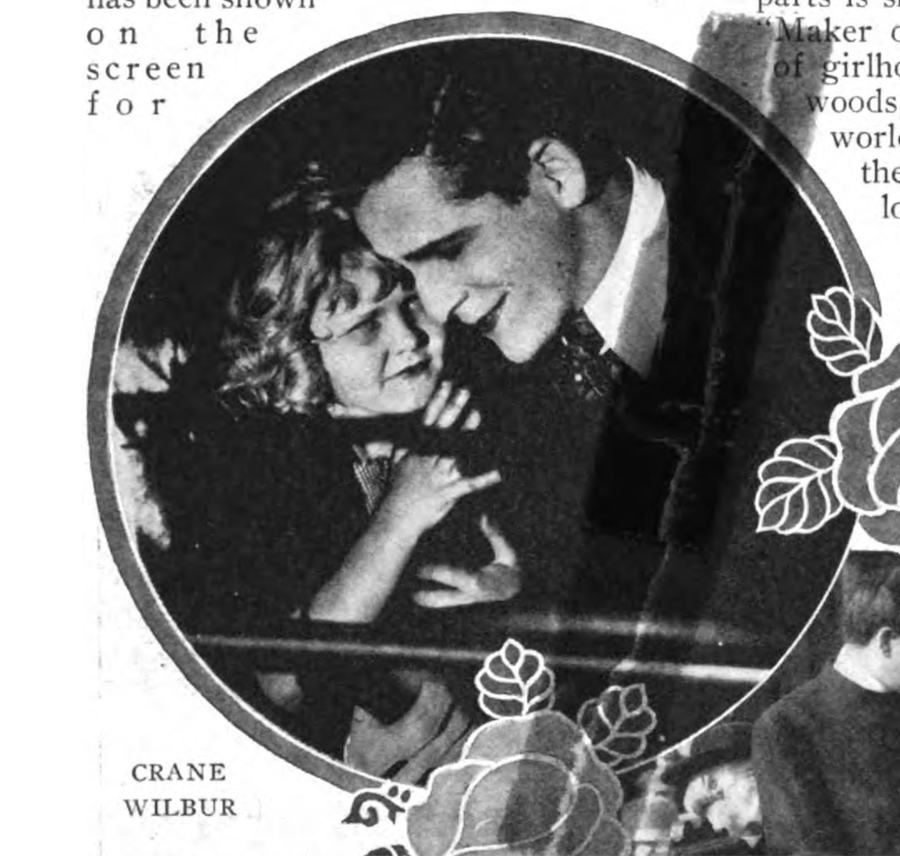
The serendipitous reunion of Harry with his daughter, "Little Pal," is a moment of fragile, almost miraculous hope amidst the prevailing gloom. Her innocent presence in his unoccupied automobile is a poignant twist of fate, a tiny beacon in his desolate existence. This unexpected connection injects a renewed purpose into Harry's life, offering a chance at redemption and a tangible link to a future he thought lost. However, the past refuses to remain buried. Leslie's return, now a masked burglar, orchestrating a home invasion, brings the narrative full circle in a devastating manner. The struggle, the torn mask, and the child's appearance coalesce into a dramatic revelation: Leslie, the architect of Harry's ruin, is also the one to reveal his paternity. The moment Leslie makes known that the child is Harry's own daughter is charged with immense emotional weight, a cruel gift from a malevolent source. Leslie's subsequent escape, leaving Harry clinging to his child, is a powerful visual metaphor for the lingering scars of betrayal, even as a new chapter begins. This scene, with its high stakes and dramatic reveals, showcases the film's ability to interweave personal tragedy with thrilling, almost noir-like elements.
Harry's decision to return to Cedarville with "Little Pal" is a desperate attempt to reclaim a semblance of his lost past, to find solace in the familiar landscapes of his untainted youth. The scenes depicting his nostalgic journey, the recognition of childhood haunts, are imbued with a bittersweet melancholy. However, the film denies him any easy comfort. The cruel twist of the gypsy encounter, where his clothes and automobile are stolen, forcing him and his daughter into the life of itinerants, is a stark reminder that the past cannot be simply re-entered or reclaimed. This symbolic stripping away of his remaining possessions, forcing him into the guise of a gypsy, represents his final descent into destitution, a complete severance from his former identity. It’s a powerful visual metaphor for how external circumstances can further compound personal tragedy. His visit to the town doctor, where he learns of June’s settled and happy life with the physician, adds another layer of bitter irony. The contrast between June's contentment and his own wandering, impoverished existence is profoundly affecting, a silent testament to the diverging paths their lives have taken since that fateful inheritance.
The tragic culmination of Harry's journey arrives with the death of "Little Pal." After months of aimless wandering on the outskirts of Cedarville, his last tether to hope, his only source of redemption, is cruelly severed. The child's sudden illness and subsequent demise are depicted with an unsparing realism that is truly devastating. Harry's act of burying her in the very landscape of his lost youth, a place once synonymous with innocence and promise, now becomes a grave marker for all his unfulfilled dreams and squandered possibilities. It’s a moment of absolute desolation, where the weight of his "wasted years" becomes unbearable. This final, crushing blow ensures that Harry's life ends not with triumph or even quiet peace, but with an echo of the profound sorrow that has defined his existence since leaving Cedarville. The film's refusal to offer a saccharine ending, instead embracing the full tragedy of Harry's fate, is a testament to its artistic integrity and its commitment to portraying life's harsh realities. This relentless progression of misfortune, where happiness is always snatched away, bears a thematic resemblance to the epic, often tragic, narratives of fate and circumstance found in films like Atlantis, where grand designs are often undone by the inexorable march of destiny and human folly.
Beyond its compelling narrative, The Wasted Years is a masterclass in silent film artistry. The performances, particularly from John Oaker as Harry and Thelma Salter as June, are nuanced and deeply emotive, conveying profound internal struggles through gesture and expression alone. The direction is purposeful, utilizing close-ups to emphasize emotional states and wider shots to establish the contrasting worlds of Cedarville and the bustling city. The film’s pacing, while deliberate, never drags, maintaining a relentless march towards its tragic conclusion. The use of intertitles is economical yet impactful, guiding the audience without overwriting the visual storytelling.
Thematically, the film explores universal ideas that remain relevant today. It's a cautionary tale about the corrupting influence of sudden wealth and the seductive dangers of urban life. It examines the enduring power of first love against the fleeting nature of infatuation and betrayal. Moreover, it's a poignant reflection on the concept of wasted potential and the irreversible consequences of poor choices. The cyclical nature of the narrative, ending with Old Weatherby's quiet passing as the play concludes, reinforces the idea that some destinies are tragically predetermined, or at least, irrevocably shaped by the past. The final image of Weatherby, a silent sentinel to his own demise, is a haunting and unforgettable cinematic moment, cementing the film's status as a powerful, if melancholic, work of art. The film doesn't shy away from depicting the harsh realities of life, a characteristic shared with other socially conscious films of the era, such as When Rome Ruled, which often explored moral dilemmas within grand narratives, or even the stark social commentary of Lena Rivers (1914).
In an era often characterized by simpler narratives, The Wasted Years stands out for its sophisticated psychological depth and its unflinching portrayal of human frailty and resilience. It's a film that demands to be seen, pondered, and felt, a timeless reminder of the delicate balance between choice and destiny, and the profound, often tragic, beauty of a life fully lived, however imperfectly. Its legacy is not just in its dramatic twists but in its empathetic portrayal of a man utterly undone by the very desires that once promised him happiness. A truly masterful piece of early cinema that resonates with a timeless, universal sorrow.
IMDb —
1917
Community
Log in to comment.