DbcultAccessing Vault...
7.3/10
Senior Film Conservator
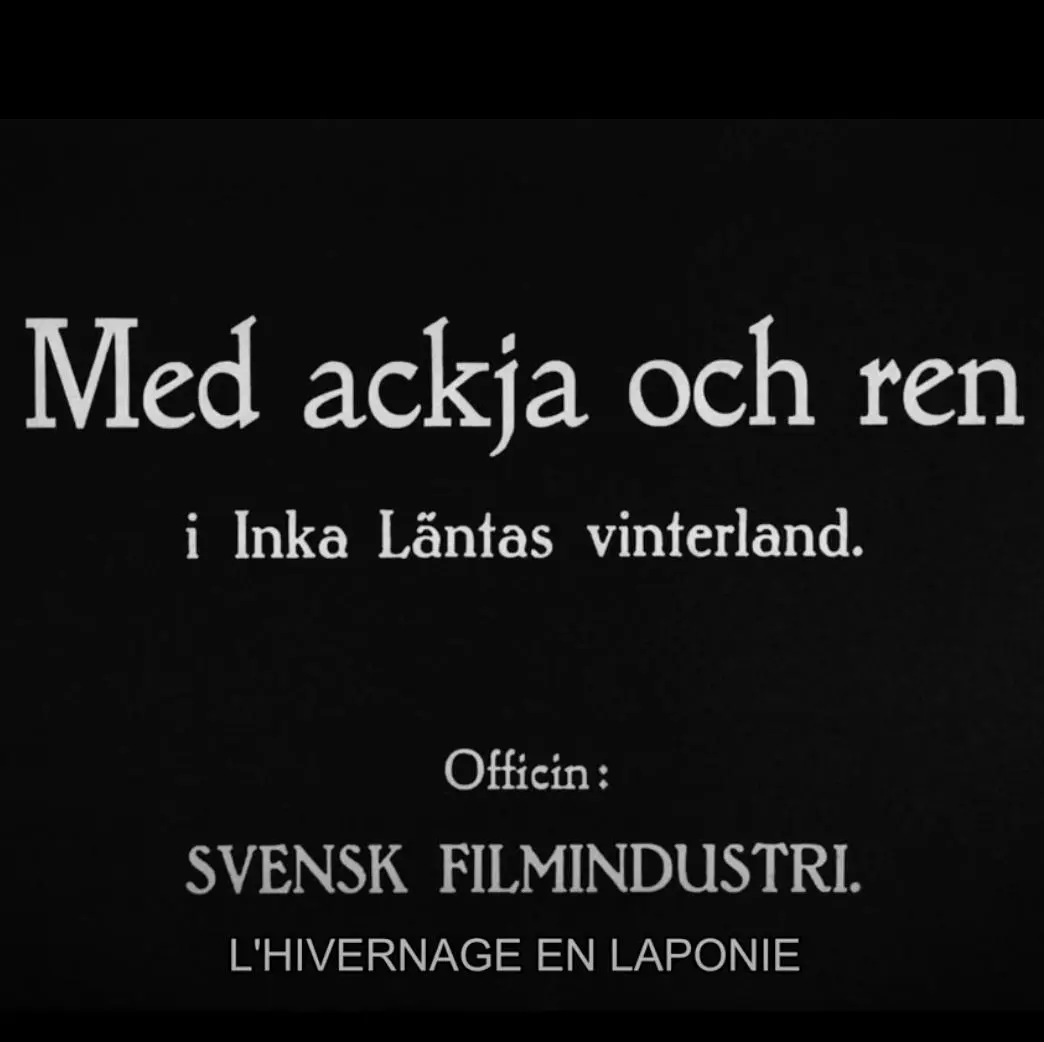
A definitive 7.3/10 rating for a film that redefined the boundaries of cult cinema. Med ackja och ren i Inka Läntas vinterland remains a cornerstone of transgressive art.
Short answer: Yes, but only if you view it as a historical artifact rather than a Friday night popcorn flick. This film is for students of ethnographic cinema and those who find beauty in the slow, silent rhythms of the early 20th century; it is definitely not for anyone who requires a fast-paced plot or modern cinematic tropes.
The film exists in a space between documentary and drama, capturing a way of life that was already under threat when the cameras began rolling in 1926. It is a difficult, sometimes uncomfortable watch, but its significance in the history of Nordic representation cannot be overstated.
This film works because it treats the Sámi landscape as a character rather than just a backdrop. The vastness of the snow-covered plains creates a sense of isolation that makes the arrival of the pastor feel like a genuine invasion of privacy.
This film fails because its pacing is glacial, even by the standards of the 1920s. The narrative tension often dissipates into long, repetitive shots of reindeer herding that, while historically interesting, stall the emotional momentum of Inka’s personal struggle.
You should watch it if you want to see one of the earliest cinematic depictions of the Sámi people that isn't entirely filtered through a colonial lens, despite its flaws.
1) This film works because of its raw, location-based authenticity.
2) This film fails because the moral conflict is often too heavy-handed and lacks nuance.
3) You should watch it if you are interested in the intersection of indigenous culture and religious history.
Yes, for the right audience. If you are looking for a deep dive into how cinema was used to document—and sometimes judge—marginalized cultures, this is essential viewing. It is a stark, honest look at a world that feels alien to modern eyes. It works. But it’s flawed.
The heart of Med ackja och ren i Inka Läntas vinterland is the tension between Inka and Pastor August Lundberg. Lundberg isn't just a man; he is a symbol of the Swedish state and church's attempt to 'tame' the north. When he arrives, the atmosphere of the film shifts from the fluid movement of the reindeer to the static, judgmental stillness of the pulpit.
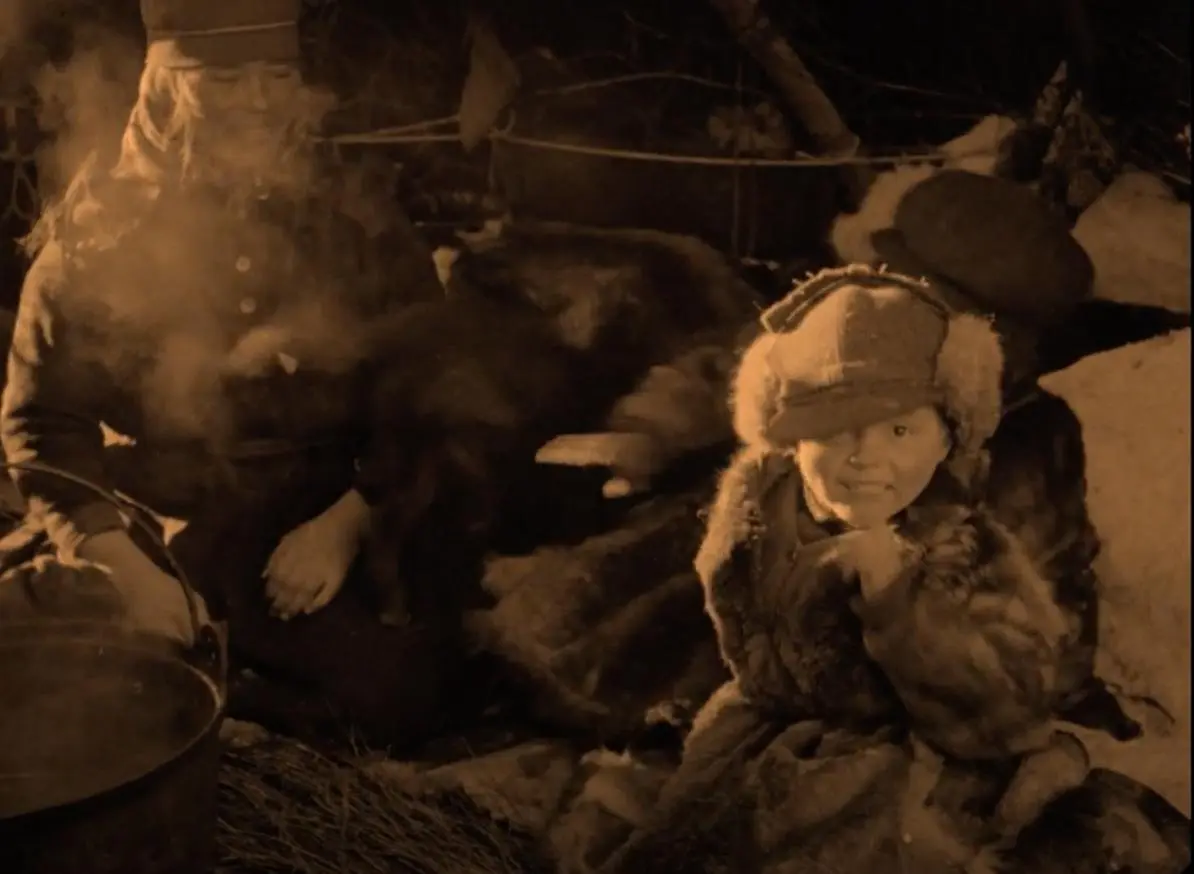
In one particularly telling scene, Lundberg’s moral preaching is juxtaposed with the freedom of Inka on her ackja. The contrast is sharp. The pastor stands stiff, dressed in dark, heavy clothes that look out of place against the white snow, while Inka moves with a grace that suggests she is part of the landscape itself. This visual storytelling is where director Erik Bergström truly shines.
However, the film doesn't always handle this conflict with subtlety. Lundberg is often portrayed as a caricature of religious zealotry. While this makes the 'villain' easy to identify, it robs the film of a more complex exploration of how these two cultures might have actually negotiated their coexistence. It’s a blunt instrument used to make a point about moral overreach.
Bergström, who also wrote the film, seems more interested in the ethnography than the drama. His camera lingers on the details of Sámi life—the way the tents are constructed, the specific knots used in the reindeer harnesses, and the grueling labor of moving an entire community through the winter. This gives the film a documentary feel that is far more successful than its scripted emotional beats.
Compared to other films of the era, such as Pursued or the high-stakes drama of The Witness for the Defense, Bergström’s work feels unhurried and almost meditative. There is no rush to get to the climax. Instead, the director forces the audience to sit with the cold and the silence. It is a bold choice, but one that might alienate viewers used to the more theatrical style of 1920s Hollywood.
The cinematography is the film's greatest asset. The use of natural light on the snow creates a high-contrast world where every shadow feels significant. The wide shots of the reindeer herds stretching across the horizon are genuinely impressive. You can almost feel the biting wind coming off the screen.
There is a specific moment where Inka is silhouetted against a rising sun, her reindeer following behind her. It is a powerful image of endurance. It reminds me of the starkness found in On the Night Stage, but with a grounded, earthy reality that Westerns often lack. The camera doesn't romanticize the cold; it respects it.
The pacing, however, is where the cinematography suffers. The film often holds on shots for thirty seconds longer than necessary. In a modern context, this feels like a technical error, but in 1926, it was likely an attempt to convey the sheer scale of the journey. Regardless of the intent, it makes for a challenging viewing experience in the 21st century.
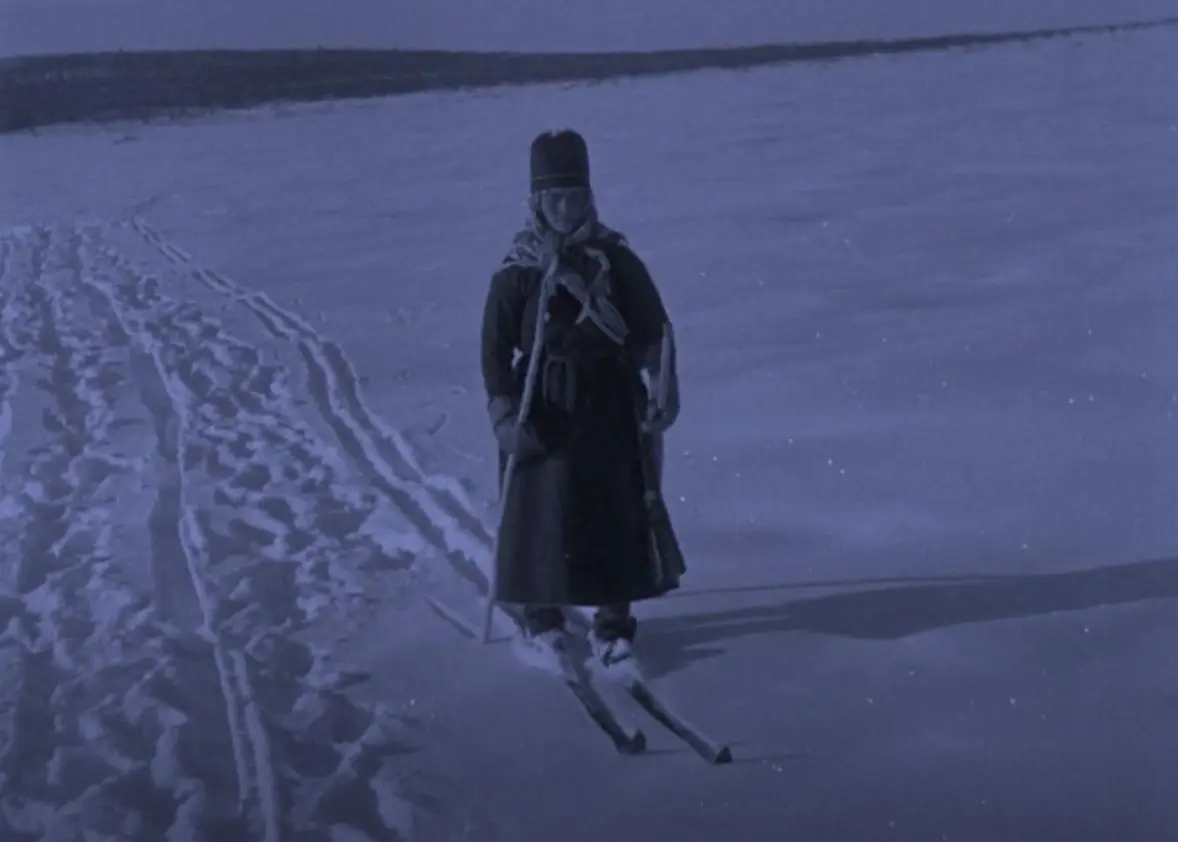
Erik Bergström’s performance (as he cast himself) is serviceable, but the real star is the environment and the non-professional Sámi 'actors' who populate the background. Their presence gives the film an air of legitimacy that a studio-bound production like The Magnificent Brute could never achieve.
The acting style is typical of the silent era—lots of wide eyes and grand gestures to indicate 'emotion'—but it feels particularly jarring here. When the pastor is 'preaching,' his movements are so exaggerated that it borders on the comical. This undermines the threat he is supposed to represent. If he had been played with a quiet, simmering intensity, the film might have been a true masterpiece of psychological tension.
Pros:
- Unrivaled historical documentation of Sámi life in the 1920s.
- Beautiful, high-contrast black and white cinematography.
- A unique perspective that deviates from the standard urban dramas of the time, such as For $5,000 a Year.
Cons:
- The 'moral preaching' plotline feels dated and overly simplistic.
- Pacing that can feel like watching ice melt (literally).
- Minimal character development for anyone other than the two leads.
Here is something most critics miss: the film is actually a proto-environmentalist text. While the surface level is about a pastor and a girl, the underlying subtext is about the sanctity of the land. The reindeer aren't just animals; they are a currency of freedom. Every time the pastor tries to exert control, the film cuts back to the reindeer, as if to say that the natural world is the only true authority in the north.
This makes the film far more radical than its contemporaries like Tangled Lives or His Turning Point, which are firmly rooted in human-centric morality. In Inka Länta, the humans are secondary to the frost.
Med ackja och ren i Inka Läntas vinterland is a difficult film to love but an easy one to respect. It lacks the polish of a film like The Man Without a Country, but it possesses a grit and a sense of place that is rare in early cinema. It is a testament to the power of location shooting and a somber reminder of the cultural conflicts that shaped the modern world.
If you can stomach the slow speed and the heavy-handed religious themes, you will find a hauntingly beautiful portrait of a woman and a culture refusing to be erased. It isn't a masterpiece of storytelling, but it is a masterpiece of survival. Watch it for the history; stay for the snow.
Community
Log in to comment.