DbcultAccessing Vault...
5.6/10
Senior Film Conservator
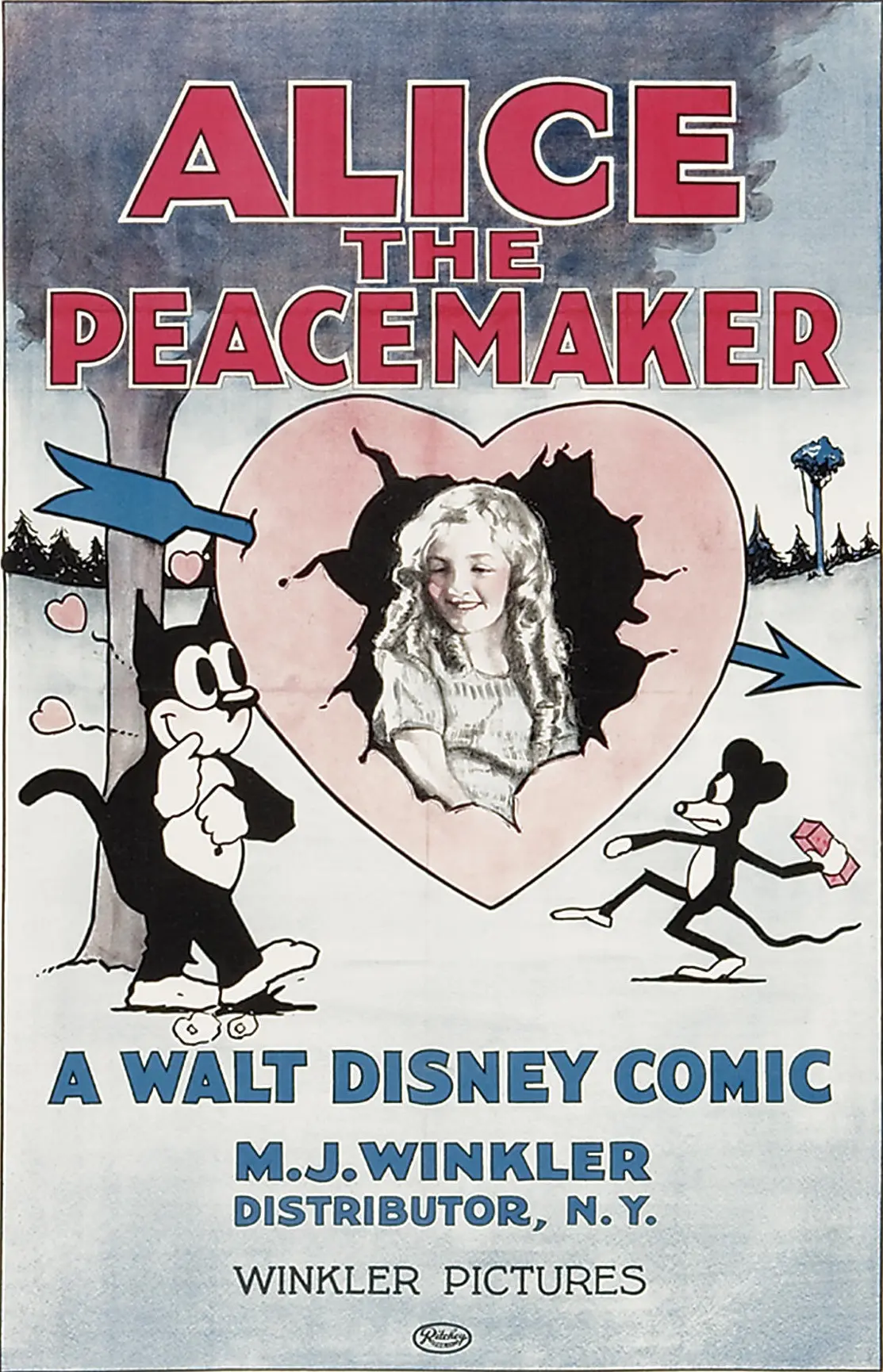
A definitive 5.6/10 rating for a film that redefined the boundaries of cult cinema. Alice the Peacemaker remains a cornerstone of transgressive art.
Stepping into the whimsical world of "Alice the Peacemaker", one is immediately struck by its charming innocence and surprisingly profound message, especially for a cinematic offering from the early 1920s. This particular entry in Walt Disney's groundbreaking Alice Comedies series, starring the effervescent Virginia Davis, transcends mere entertainment, weaving a delicate tapestry of live-action storytelling and inventive animation to deliver a timeless lesson in camaraderie and conflict resolution. It’s a testament to the nascent genius of a studio that would, in time, redefine the very landscape of animated cinema, but even in these formative years, the seeds of that innovation were clearly discernible, blossoming with a captivating, if simple, narrative.
The film opens not with a grand spectacle, but with the gritty realism of urban childhood, where two rival newsboys, Tommy Hicks and Leon Holmes, are locked in a spirited, yet ultimately futile, battle for street corner supremacy. Their youthful exuberance, while endearing, is tinged with the familiar bitterness of competition, a microcosm of larger societal struggles played out on a smaller, more accessible stage. This live-action preamble grounds the story in a tangible reality, allowing the audience, regardless of age, to empathize with the squabbling duo. Enter Alice, portrayed with an irresistible blend of mischievous charm and earnest wisdom by Virginia Davis. Her presence is a breath of fresh air, a beacon of calm amidst the newsboys' boisterous bickering. Davis, even at such a tender age, possesses an undeniable screen presence, effortlessly conveying Alice's innate goodness and her clever resourcefulness. She is not merely a character; she is the moral compass, the narrative fulcrum upon which the entire film pivots.
Alice, with the sagacity of a seasoned philosopher, understands that direct confrontation often yields little fruit. Instead, she employs the ancient art of storytelling, a potent tool for imparting wisdom without resorting to preachy admonitions. She settles the boys down, her voice a soothing balm, and begins to spin a yarn – a tale that seamlessly transitions the audience from the live-action world into the wondrous realm of animation. This transition itself is a marvel, a fluid blending of mediums that was revolutionary for its era. Suddenly, the screen is populated by a mischievous cat and an equally cunning mouse, their animated forms embodying the very essence of the newsboys' rivalry. Their ceaseless skirmishes, initially portrayed with a slapstick glee that elicits genuine chuckles, quickly escalate. Every chase, every near miss, every ingenious trap laid by one for the other mirrors the petty squabbles and escalating tensions between Tommy and Leon. It’s a brilliant allegorical device, allowing the audience to observe the destructive futility of perpetual conflict from a detached, yet entirely engaging, perspective.
The animated segment truly shines in its depiction of the cat and mouse's escalating warfare. What begins as a game of wits soon morphs into a chaotic spectacle, drawing the attention of the animated police force – a delightful, if somewhat ominous, turn of events. This external threat, the shared danger of being apprehended, forces the erstwhile adversaries into an unexpected, yet utterly logical, alliance. The sight of the cat and mouse, once sworn enemies, now forced to cooperate to evade their pursuers, is both humorous and deeply insightful. It underscores the film's central thesis: that common peril can forge uncommon bonds, and that cooperation, born of necessity, can ultimately lead to a more peaceful and productive existence. The animation, simple by today's standards, is imbued with an expressive vitality that brings these characters to life, making their plight and eventual understanding genuinely compelling. The animators of the era, including the uncredited talents who brought these sequences to fruition, demonstrated an early mastery of character movement and comedic timing that would become synonymous with the Disney brand.
The genius of "Alice the Peacemaker" lies not just in its innovative technical approach, but in its understated yet powerful thematic resonance. It's a film that speaks directly to the universal human experience of conflict and reconciliation. The message of cooperation over endless antagonism is delivered with a light touch, devoid of heavy-handed moralizing, making it digestible and impactful for its young audience, and indeed, for adults too. It gently suggests that the most effective way to overcome external challenges is often through internal unity. This isn't just about two boys or a cat and a mouse; it's about communities, nations, and individuals finding common ground. The film subtly critiques the self-defeating nature of incessant rivalry, proposing an alternative path rooted in mutual aid and understanding.
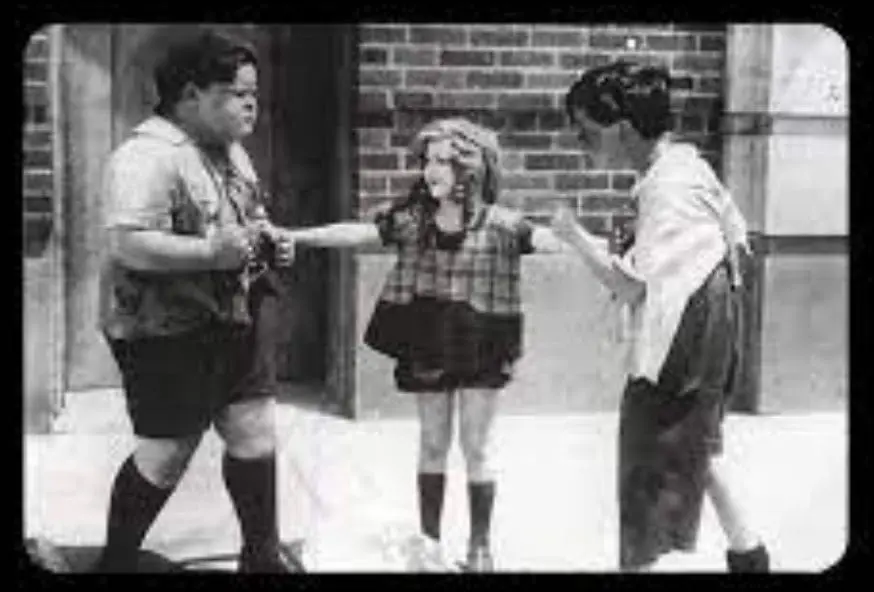
From a technical standpoint, the Alice Comedies were pioneering, and this installment is no exception. The seamless integration of a live actor into an animated environment was a significant technological feat for the time, blurring the lines between reality and fantasy in a way that captivated audiences. The cinematography, though rudimentary by modern metrics, effectively captures the energy of the newsboys and the charm of Alice, while the animation segments showcase an early understanding of visual storytelling dynamics. It’s a fascinating glimpse into the nascent stages of an art form that was rapidly evolving, a period where experimentation was king and every new short film pushed the boundaries of what was thought possible. Compared to contemporary dramatic fare like "The Gates of Gladness" or the more stark realism of "Betrayed" (1917), films that often delved into the heavier aspects of human existence, "Alice the Peacemaker" offered a lighter, yet no less significant, contribution to the cinematic landscape, proving that innovation could also reside in joyful, imaginative narratives.
The cast, though small, delivers performances that are entirely appropriate for the film's tone. Tommy Hicks and Leon Holmes embody the spirited, if somewhat stubborn, nature of rival newsboys, their youthful energy palpable even through the grainy lens of early cinema. Spec O'Donnell and Virginia Davis, as the titular Alice, anchor the narrative with their respective charm and gravitas. Davis, in particular, carries the weight of the story's moral core with remarkable grace, her expressive face and natural demeanor drawing the audience into her tale. It’s a testament to the early casting choices that these young performers were able to convey such clear characterizations, making the film's message resonate all the more powerfully.
Beyond its immediate narrative, "Alice the Peacemaker" stands as a crucial artifact in the history of animation and, more broadly, in the evolution of cinematic storytelling. It represents a foundational block in the edifice of Disney's empire, showcasing an early commitment to blending technical ingenuity with emotionally resonant narratives. The film's enduring appeal lies in its simplicity and its universal truth. The idea that understanding and cooperation can defuse even the most entrenched conflicts remains as relevant today as it was a century ago. It’s a gentle reminder that sometimes, the most complex problems can be unraveled by a well-told story and a willingness to see beyond immediate grievances.
Watching this film today, one can appreciate not only its historical significance but also its pure, unadulterated charm. It’s a delightful journey back to a time when cinema was still discovering its voice, and when pioneers like Walt Disney were bravely experimenting with new forms of expression. The blending of live-action and animation, the allegorical storytelling, the endearing performances – all contribute to a work that feels both of its time and remarkably timeless. It’s a small, unassuming film with a giant heart, proving that even the earliest cinematic endeavors could tackle weighty themes with grace and imaginative flair. The lasting impression is one of warmth and optimism, a belief in the power of empathy to transform conflict into concord, a message beautifully delivered through Alice’s captivating narrative.
It is easy to overlook such early works in the vast panorama of film history, especially when compared to the grander, more technologically advanced spectacles that followed. Yet, to do so would be to miss a vital piece of the puzzle. "Alice the Peacemaker", much like other foundational pieces such as "The Warfare of the Flesh" (though vastly different in tone and ambition, both representative of their era's diverse cinematic output), provides insight into the burgeoning creativity of the nascent film industry. While "Warfare" explored spiritual struggle, "Alice" championed social harmony through innovative means. These early films, despite their varying genres, collectively illustrate an era of boundless experimentation, where every projector flicker unveiled a new possibility. The simplicity of its premise belies a sophisticated understanding of narrative structure and audience engagement. The resolution, where the newsboys find common ground, is not forced but earned, a natural consequence of Alice's compelling fable. It underscores the profound influence that storytelling can wield, capable of reshaping perspectives and fostering understanding where only discord once reigned. A truly remarkable, understated achievement.
IMDb 6.4
1927
Community
Log in to comment.