DbcultAccessing Vault...
Cult Review
Senior Film Conservator
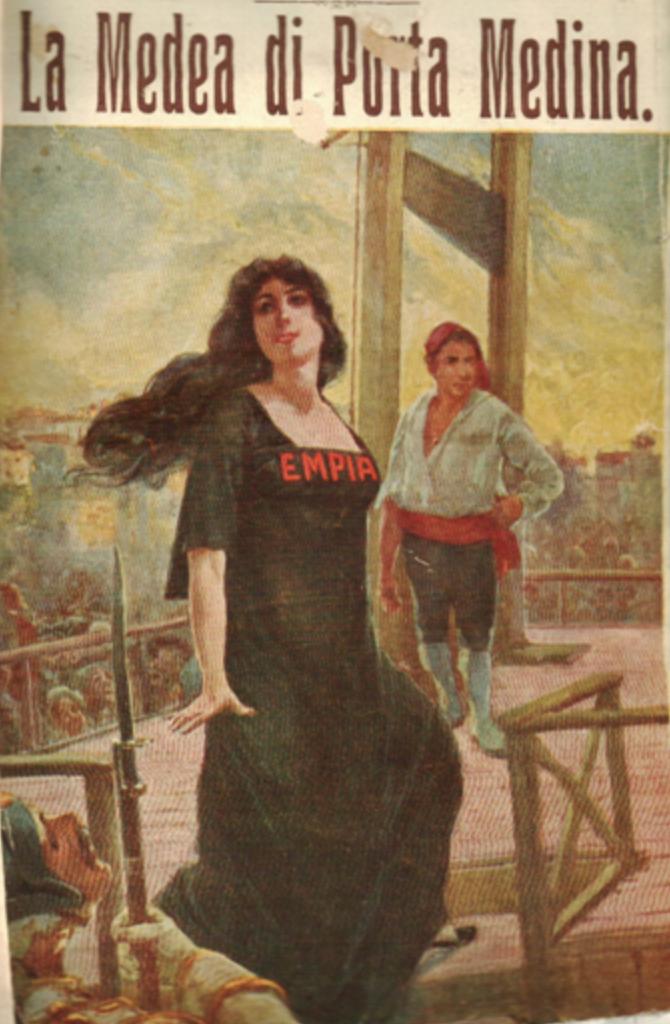
In the annals of early cinema, few names resonate with the pioneering spirit and raw authenticity of Elvira Notari. Her 1918 masterpiece, Medea di Portamedina, stands as a stark, compelling testament to her singular vision, a film that tears through the romantic veneer often associated with silent-era melodrama to expose the brutal underbelly of human passion and societal neglect. This isn't merely a film; it's a visceral cry from the heart of a scorned woman, echoing the timeless tragedy of betrayal and the devastating consequences of unchecked despair. Set against the vibrant, yet unforgiving, backdrop of early 20th-century Naples, Notari's work captures the essence of a world where honor, love, and vengeance intertwine with fatal precision, rendering a narrative that remains as potent and disquieting today as it was over a century ago.
Elvira Notari, often hailed as the first Italian female filmmaker, wasn't just directing stories; she was documenting life itself, imbued with the raw energy and dialectical nuances of her beloved Naples. Her films, unlike many of their contemporaries, eschewed the opulent sets and grand gestures of historical epics for the gritty realism of the streets. With Medea di Portamedina, Notari solidifies her reputation for a cinema that is deeply rooted in local culture, exploring themes of class, gender, and justice with an unflinching gaze. She had an unparalleled ability to capture the authentic expressions and movements of common people, transforming everyday tragedies into compelling cinematic narratives. Her method was a precursor to Neorealism, long before the movement was formally recognized, demonstrating a profound understanding of the human condition as shaped by its environment. This approach lends an almost documentary-like authenticity to Coletta's harrowing journey, making her anguish palpable and her drastic actions tragically understandable within the confines of her desperate circumstances. The film benefits immensely from Notari's intuitive direction, guiding performances that, even without spoken dialogue, convey a wealth of emotional complexity.
At the heart of this somber narrative is Coletta Esposito, portrayed with searing intensity by Mary Cavaliere. Coletta is not merely a character; she is the embodiment of the Medea archetype, transplanted from ancient Greek tragedy to the bustling, impoverished streets of Portamedina. Her story begins with the universal promise of love and fidelity, only to descend into a vortex of abandonment and humiliation. The man who swore eternal devotion, whose child she bore, casts her aside for another, celebrating his new union with a callous disregard for the life he has irrevocably shattered. This betrayal is not just personal; it's a profound social injustice, leaving Coletta with no recourse, no honor, and no future in a society that offered little to unwed mothers.
Her subsequent act of infanticide, while horrifying, is presented not as an act of pure evil, but as a desperate, final, and tragically misguided attempt at reclaiming agency, a scream of ultimate protest against an unbearable fate. It's a choice born of a mind pushed beyond all limits, where the only perceived path to justice, or at least a monumental act of vengeance, is to destroy what binds her to her betrayer. This portrayal of a woman driven to such extremes by societal pressure and personal agony finds echoes in other cinematic depictions of female desperation, though perhaps none quite as starkly as Notari’s. One might consider the tragic figures in films like Magdalene, where women are often victims of circumstance and societal condemnation, or even the intense emotional turmoil seen in The Craving, where desire can lead to destructive outcomes. However, Coletta’s particular brand of revenge feels more primal, more rooted in a specific cultural context where honor and family ties hold immense weight.
The film reaches its devastating crescendo in the churchyard, a location pregnant with symbolic resonance. While the wedding bells peal, celebrating a union built on Coletta's ruin, she commits her unspeakable act. The juxtaposition of sacred vows and profane violence, of joyous celebration and profound grief, creates an almost unbearable tension. Notari masterfully uses the setting to amplify the tragedy. The churchyard, typically a place of peace and spiritual significance, becomes the stage for an act of ultimate despair and vengeful desecration. The throwing of the lifeless infant body into this hallowed ground, amidst the oblivious revelry, is a visual metaphor for Coletta's shattered world and her desperate attempt to force her betrayer to confront the consequences of his actions. It’s a silent scream that reverberates louder than any spoken word, an indelible image of a soul pushed beyond redemption.
The visual storytelling here is paramount. In the silent era, actors relied heavily on exaggerated expressions, body language, and the power of their gaze to convey complex emotions. Mary Cavaliere, as Coletta, delivers a performance of breathtaking intensity, her face a canvas of anguish, fury, and a terrifying resolve. Her eyes, in particular, convey a depth of suffering that transcends the limitations of silent film, drawing the audience into her psychological torment. Eduardo Notari, Umberto Mucci, and Isabella Zanchi, while perhaps not given the same emotional weight as Cavaliere, contribute to the narrative's fabric, playing roles that underscore the social dynamics and moral failings central to the tragedy. The performances collectively create a tapestry of human emotion that is both specific to its time and universally resonant.
Medea di Portamedina transcends mere melodrama to become a powerful piece of social commentary. Notari subtly critiques the patriarchal structures and class divisions of her time, which left women like Coletta vulnerable and without recourse. Her film illuminates the harsh realities faced by the working class in Naples, where promises were easily broken and consequences disproportionately borne by the less powerful. The film’s raw depiction of infanticide, while shocking, serves as a searing indictment of a society that could drive a woman to such an extreme. It forces the audience to confront uncomfortable truths about justice, forgiveness, and the limits of human endurance when pushed to the brink.
The enduring power of Medea di Portamedina lies in its refusal to offer easy answers or simplistic moral judgments. Instead, it presents a complex, agonizing situation, forcing viewers to grapple with the motivations behind Coletta’s horrifying act. It challenges us to look beyond the surface of a shocking crime and understand the profound despair that birthed it. This is a film that doesn't just tell a story; it poses a question to society about its responsibility towards its most vulnerable members. In this regard, it shares thematic resonance with films that explore the desperate plight of individuals against overwhelming social forces, such as No Man's Land, which often depicts characters caught in impossible situations with dire consequences.
Elvira Notari's films, including Medea di Portamedina, were immensely popular in their time, particularly among the working classes of Southern Italy and Italian immigrant communities abroad. Yet, like many silent films, and particularly those made by women, they often fell into obscurity with the advent of sound and the shifting tides of cinematic history. The rediscovery and restoration of Notari's work in recent decades have been crucial for understanding the breadth and diversity of early Italian cinema, and for recognizing her foundational contribution as a female auteur. Her unique blend of melodrama, social realism, and documentary-like observation set her apart and cemented her place as a true pioneer. This film, in particular, offers invaluable insights into the social fabric of early 20th-century Naples and the emotional landscape of its inhabitants.
The film's enduring relevance also lies in its exploration of themes that continue to resonate: betrayal, the quest for justice, and the devastating impact of societal indifference. Coletta's story, while extreme, touches upon universal human experiences of love lost, trust broken, and the desperate search for dignity in the face of profound humiliation. It is a powerful reminder that the struggles of the past, particularly those concerning gender and class, are not entirely dissimilar to the challenges we face today. The raw, unfiltered emotion captured by Notari's camera ensures that Medea di Portamedina remains a harrowing, unforgettable experience, a vital piece of cinematic heritage that demands our attention and reflection. It stands as a testament to the power of film to not only entertain but also to provoke, to challenge, and to illuminate the darkest corners of the human heart and the societies that shape it. The film, in its stark portrayal of a woman’s ultimate despair, forces a confrontation with the uncomfortable truths of human nature and societal neglect, leaving an indelible mark on the viewer long after the final frame.

IMDb —
1921
Community
Log in to comment.