DbcultAccessing Vault...
Cult Review
Senior Film Conservator
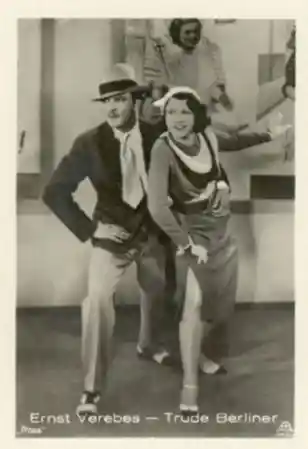
Okay, "Mein Herz sehnt sich nach Liebe" – which, if your German is rusty like mine, means "My Heart Longs for Love." Right away, you know what kind of ride you're in for. This 1929 German film isn't exactly a casual Friday night watch, unless your idea of casual involves diving deep into early cinema. For classic film enthusiasts, especially those into Weimar-era melodramas, it’s a neat little time capsule. Everyone else? You might find its rhythms a bit... much. Maybe skip this one if you’re hoping for modern pacing or understated acting.
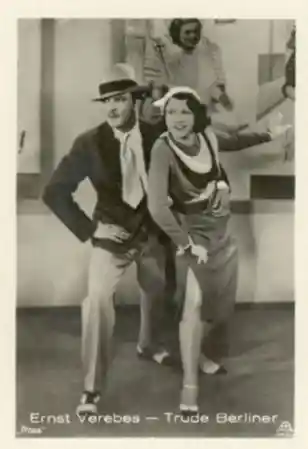
The film, from what I gathered, really leans into that yearning. My notes from watching just say: 'Lots of staring.' And I mean, a whole lot. Trude Berliner, who plays... well, she certainly emotes. Her eyes do half the work. You can almost feel the screen trying to capture every single ripple of sadness or hope. It’s not subtle, but it’s definitely expressive.
Paul Hörbiger, a name I recognized, is also there, doing his thing. He brings a certain groundedness to the drama, which is sometimes a welcome anchor amidst all the emotional flailing. Still, even he gets to do a few dramatic hand-to-forehead moments. It was the style, I guess.
The sets often feel a bit grand for the intimate dramas playing out. Like, one scene in what looks like a huge, ornate drawing-room – the characters are having this incredibly personal, whispered conversation, but the sheer scale of the room just swallows them up. It creates this odd sense of loneliness despite the big emotions. I kept thinking, "Could they not find a smaller, cozier corner?"
And the pacing! Oh, the pacing. There are moments when a character just looks at another. For what feels like an eternity. Then they sigh. Then maybe they take a step. It’s all very deliberate. You almost feel the movie telling you, "No, really, feel this moment." Sometimes it works, pulling you into the intensity. Other times, honestly, you just want them to get on with it. 😩 It’s a real exercise in patience, sometimes.
One sequence, where someone (I think it was Margarete Sachse's character?) is waiting by a window, watching the street. The camera just holds on her, her silhouette against the fading light. It goes on about 25 seconds too long. You start to wonder if the projectionist fell asleep, then you realize, no, that’s just the scene. It’s trying to build tension or despair, but it just becomes a bit awkward. Like when you stare at someone too long and they notice.
The writers, Franz Rauch and Eugen Thiele, were clearly going for high drama. And they got it. The plot feels like a series of emotional escalations. One misunderstanding leads to a grand gesture, which leads to another misunderstanding, and so on. It’s like a rollercoaster of feelings, but one that moves at a very gentle speed. You know where it’s going, but the journey is all about the feels.
I particularly remember a scene where a letter is opened. The focus on the hands, the slow tear of the envelope, the careful unfolding of the paper. It's almost painful how long it takes. You're practically screaming at the screen, "Just read it!" But that slow reveal, it forces you to anticipate, to really lean in. It’s a very old trick, but it still kinda works. 💌 A good reminder of how much impact a simple prop can have.
For a film from 1929, the visual quality for the print I saw was surprisingly decent. Some of the close-ups on the actors’ faces are quite striking. The lighting often felt dramatic, casting these deep shadows that really emphasized the turmoil the characters were going through. Or at least, that’s what they were going for.
It's a curious piece. Not a groundbreaking masterpiece, certainly. But it gives you a real sense of what audiences in 1929 were probably flocking to see. The raw, unfiltered emotion, the grand gestures. It's a window into a different way of storytelling. A little rough around the edges by today’s standards, but still, *charming* in its own way.
I did notice one particular shot where Kurt Lilien’s character, usually quite stern, cracks this incredibly small, almost imperceptible smile. It flashes and is gone. A blink-and-you-miss-it detail that just added a tiny bit of *humanity* to what felt like a very serious world. Little things like that stick with you.
Overall, it’s less about the story beats and more about the *experience* of watching something so steeped in its time. It’s a bit melodramatic, yes, but it wears its heart on its sleeve. If you’re into the history of cinema, or just curious about how emotions were portrayed before sound really took over, give it a shot. Otherwise, there are probably other silent films to start with. Like maybe The Smiling Lieutenant if you want something a bit lighter from that era.
IMDb —
1921
Community
Log in to comment.