DbcultAccessing Vault...
Cult Review
Senior Film Conservator
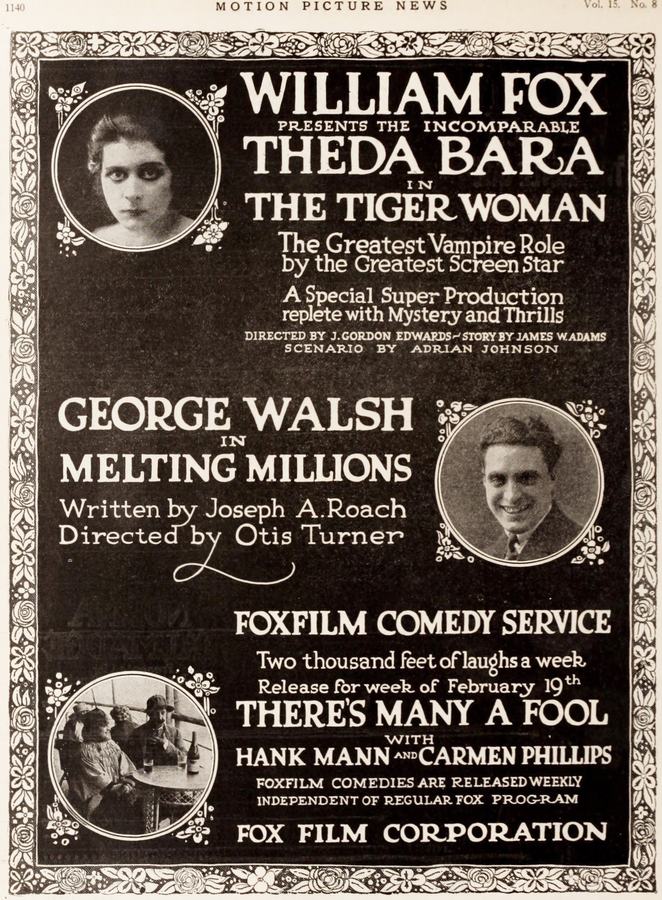
Stepping back into the nascent days of cinematic storytelling, we encounter Melting Millions, a film from 1914 that, despite its age, offers a surprisingly sophisticated and entertaining narrative. This isn't merely a quaint relic; it's a vibrant snapshot of early 20th-century societal values, infused with a delightful comedic touch and an intriguing exploration of wealth, responsibility, and the surprising agency of women. Penned by Joseph Anthony Roach, the screenplay is a testament to the ingenuity that defined the silent era, crafting a tale that manages to be both morally instructive and genuinely amusing without uttering a single spoken word.
At its core, Melting Millions presents a familiar trope: the young man suddenly thrust into immense wealth. Our protagonist, Balentine, inherits not only a considerable fortune from his recently departed father but also, rather quaintly, a fiancée named Vera Morton. This dual inheritance sets the stage for a compelling character study. Balentine, initially, embodies the archetypal prodigal son. He views his newfound millions not as a trust to be managed, but as a challenge to be conquered through sheer expenditure. His mission, should he choose to accept it—and he enthusiastically does—is to dissipate every last cent, a reckless endeavor driven perhaps by a youthful disdain for responsibility, or simply an overwhelming desire for unbridled freedom. The film, through its visual storytelling, likely conveys Balentine’s lavish parties, extravagant purchases, and general disregard for financial prudence, painting a vivid picture of his initial descent into hedonism. This portrayal, while perhaps exaggerated for comedic effect, resonates with timeless anxieties surrounding inherited wealth and the potential for its corrosive influence on character.
However, the narrative takes a sharp and unexpected turn with the intervention of Vera Morton. Far from being a demure, passive fiancée awaiting her wealthy suitor, Vera emerges as the true intellectual and strategic force of the film. Her actions elevate Melting Millions beyond a simple morality play. Recognizing Balentine’s destructive trajectory, she doesn't merely admonish him; she acts decisively and cunningly. Vera embarks on an audacious mission to wrest the fortune from Balentine’s grasp, not out of greed, but with a clear, almost pedagogical intent. Her objective is to save him from himself, to instill in him the value of honest labor and the satisfaction of earned success. This makes Vera a fascinating character, a proto-feminist figure in a cinematic landscape often dominated by more conventional female roles. Her method is ingenious: she systematically gets his money away from him, safeguarding it until he demonstrates a willingness to settle down and earn a living. This pivotal plot point transforms the film from a story about losing money to one about gaining character, deftly steered by Vera’s unwavering resolve.
The film’s exploration of love and marriage also deviates from predictable paths. Balentine’s forced period of financial self-sufficiency brings about a profound change in his perspective. As he grapples with the realities of earning a living, his affections naturally shift. He re-evaluates his priorities, and in doing so, finds himself drawn to Jane Billon. Jane represents a different kind of value, perhaps a more grounded, authentic connection that stands in stark contrast to the transactional nature of his initial engagement. This romantic pivot introduces a new complication: what of Vera, the woman who so shrewdly rescued his fortune and, by extension, his character? Here again, Vera demonstrates her exceptional wit and pragmatic spirit. Instead of becoming a jilted lover, she orchestrates a solution that is both incredibly clever and remarkably selfless. She marries old Billon, Jane’s father, thereby resolving the romantic entanglement with a flourish of unexpected convenience. This maneuver allows her to return Balentine’s fortune, now secured and appreciated, and clears the path for him to marry Jane. The ending is a masterclass in narrative efficiency, tying up loose ends with a satisfying blend of romance and financial rectitude.
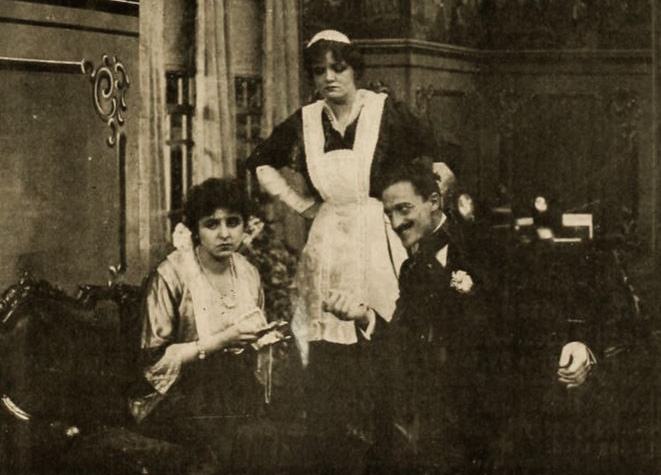
The cast, though operating within the expressive constraints of silent film, undoubtedly brought these characters to life with compelling performances. George Walsh as Balentine would have needed to convey a wide range of emotions, from the initial carefree exuberance to the subsequent frustration, determination, and eventual maturity. His physical comedy and nuanced expressions would have been crucial in charting his character's transformation. Velma Whitman, in the role of Vera Morton, must have been tasked with portraying a formidable blend of intelligence, charm, and unwavering resolve. Her subtle gestures and commanding presence would have been key to making Vera’s unconventional actions believable and even admirable. The supporting cast, including Cecil Holland, Frank Alexander, Sydney Deane, Charles K. Gerrard, and Anna Luther, would have contributed to the vibrant tapestry of this early cinematic world, each playing their part in the intricate dance of social maneuvering and romantic discovery. While specific performance details are often lost to time, the very success of such a complex plot hinges on the actors' ability to communicate character and intent through pantomime and facial expressions, a true art form of the era.
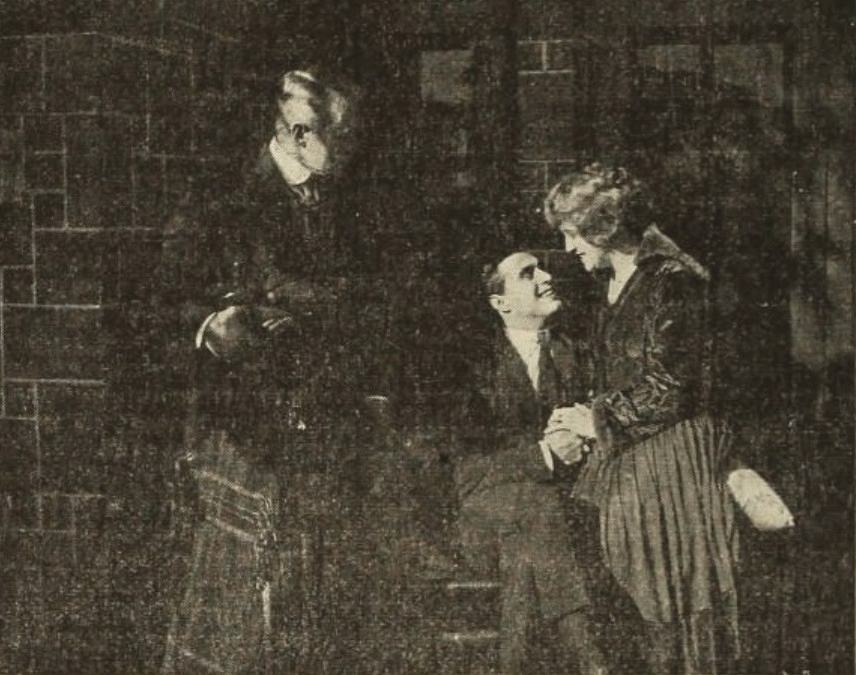
Thematic resonance abounds within Melting Millions. Foremost is the enduring message about the corrupting influence of unearned wealth versus the character-building power of labor. Balentine's journey from a spendthrift dilettante to a responsible individual who understands the value of money because he has earned it, is a classic morality tale. This theme echoes in other early films exploring social mobility and individual responsibility, perhaps finding parallels in the struggles depicted in films like The Ticket-of-Leave Man, where a protagonist strives for redemption and honest living against societal odds. Furthermore, Vera’s character challenges traditional gender roles of the period. She is not merely an object of affection or a damsel in distress; she is an active agent, shaping her own destiny and that of the man she initially intended to marry. Her actions are driven by intellect and foresight, making her a remarkably modern figure for a 1914 production. This proactive female agency is a refreshing departure from many contemporary narratives, where women often served primarily as romantic foils or symbols of virtue.
The film also delves into the complexities of romantic choice. The arranged engagement between Balentine and Vera gives way to a love born of shared experience and genuine connection between Balentine and Jane. This transition speaks to a nascent cultural shift, where personal affection began to supersede purely transactional or familial considerations in marital unions. The resolution, with Vera marrying old Billon, is a brilliant comedic and narrative stroke, illustrating how practicality and affection can sometimes intertwine in unexpected ways. It’s a sophisticated twist that avoids the simpler, more melodramatic outcomes often seen in films of the period. Comparing this delicate dance of affection and arrangement, one might even draw a subtle line to the romantic aspirations and social stratifications explored in films like Cinderella, where social barriers are eventually overcome for true love, albeit through very different means.
As a piece of cinematic history, Melting Millions offers valuable insights into the techniques and narrative conventions of the silent era. The reliance on visual storytelling, exaggerated gestures, intertitles, and the pacing of scenes would have been expertly calibrated to convey emotion and plot without dialogue. The film's ability to maintain audience engagement through a relatively complex plot, replete with character development and thematic depth, speaks volumes about the skill of its writer and director. The visual language of early cinema, often underestimated, was incredibly potent, demanding a heightened sense of observation from its audience. The film’s success would have depended on clear visual cues, strong performances, and a well-structured narrative, all hallmarks of quality filmmaking even then.
The charm of Melting Millions lies not just in its historical context, but in its enduring relevance. The themes of financial responsibility, personal growth, and the pursuit of genuine happiness remain as pertinent today as they were over a century ago. The film manages to deliver a moral lesson without ever feeling preachy, instead wrapping its wisdom in a delightful package of comedic situations and clever plot twists. It's a testament to the power of well-crafted storytelling that a film from this period can still resonate, inviting viewers to reflect on their own values and choices. The intricate dance of its characters, particularly Vera's calculated altruism, offers a refreshing perspective on how challenges can be overcome with intelligence and a touch of unconventional thinking. It stands as a prime example of how early cinema, often dismissed as primitive, was capable of producing nuanced and engaging narratives, laying the groundwork for the rich tapestry of film we enjoy today.
Ultimately, Melting Millions is more than just a historical curiosity; it is a captivating piece of early cinema that deserves recognition for its clever plot, strong characterizations, and timeless themes. It's a reminder that even in the absence of sound, the human story, with all its foibles and triumphs, can be told with remarkable clarity and emotional depth. Its unique blend of social commentary and romantic comedy, all wrapped up in a surprisingly intricate plot, makes it a delightful discovery for anyone interested in the evolution of film and the enduring power of a good story. This film, with its ingenious resolution and spirited characters, certainly earns its place as a noteworthy entry from cinema’s formative years, proving that a compelling narrative can indeed transcend the limitations of its medium and era, leaving a lasting impression on those who encounter its charming, silent world.
IMDb —
1922
Community
Log in to comment.