DbcultAccessing Vault...
7.1/10
Senior Film Conservator
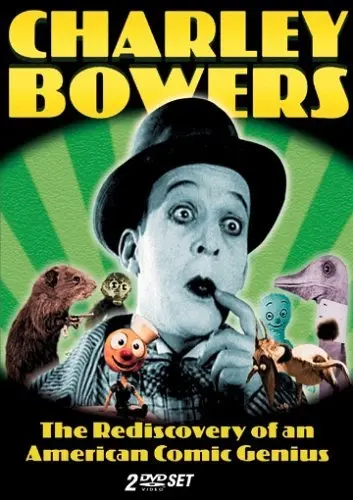
A definitive 7.1/10 rating for a film that redefined the boundaries of cult cinema. A Wild Roomer remains a cornerstone of transgressive art.
Short answer: yes, but only if you crave a 1930s fever dream of invention. A Wild Roomer thrives as a showcase for Charles R. Bowers’ physical comedy and the era’s boundless technical optimism. Not for: viewers seeking coherent antagonists or linear storytelling.
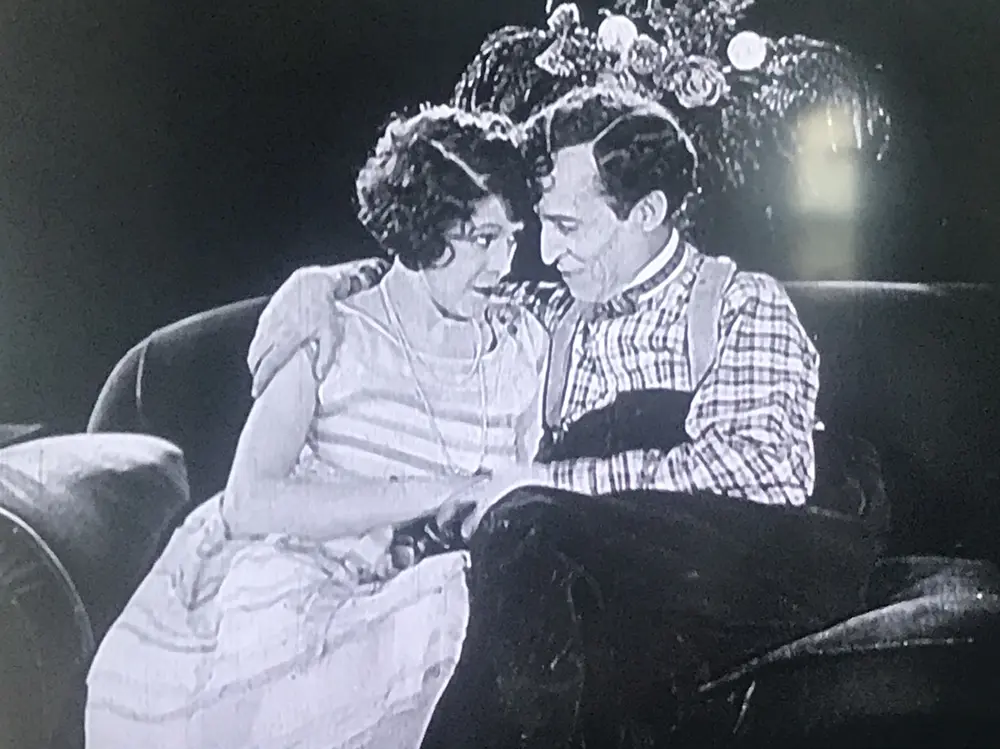
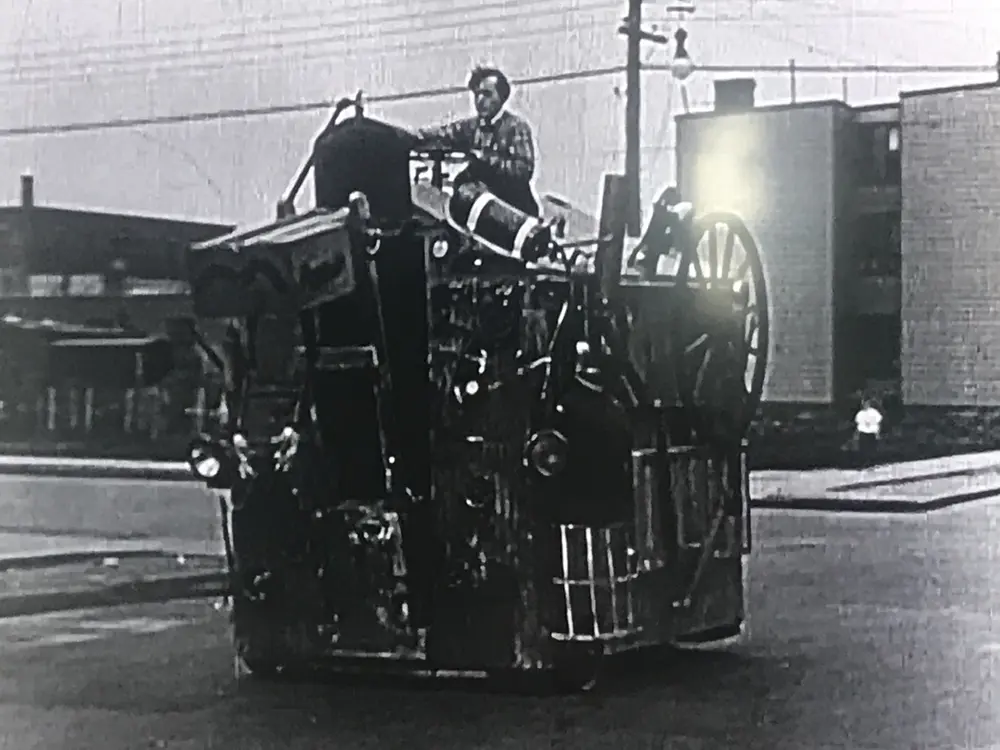
This film works because it leans all-in on its absurdist charm. Bowers’ machine—a hulking contraption of gears, pistons, and spinning reels—feels like a Victorian steampunk nightmare given life. The standout doll sequence (discussed in detail below) is a masterclass in practical effects, blending stop-motion and hand-crafted miniatures with eerie precision. You should watch it if you enjoy silent-film-era experimentation, even when it falters.
Charles R. Bowers anchors the film with his signature manic energy. His physicality—think rapid-fire gestures and wide-eyed panic—recalls Buster Keaton’s deadpan precision, though with less control. In one scene, he juggling a wrench, a blueprint, and a coffee cup while shouting at a malfunctioning machine feels less comedic than exhausting. Contrast this with his uncle (a mustache-twirling caricature who never escapes the shadows), whose one-dimensional villainy makes him feel like a leftover prop from a different film. The supporting cast, including a secretary who repeatedly fails to understand basic English, oscillates between deadpan and overcooked.
Director Bowers (who also stars) stages set pieces like a man possessed. The film’s first act hurtles through invention sketches and family history at breakneck speed, while the final act drags in a drawn-out courtroom sequence that feels tacked on. This tonal whiplash is most glaring during the doll scene: after the machine’s gentle creation of life, the narrative abruptly cuts to a courtroom where lawyers argue over bequests in a monotone so dull it erases the preceding wonder. It’s a missed opportunity to explore the moral weight of creating life—a theme touched on in The Mirage’s haunting doppelgänger subplot.
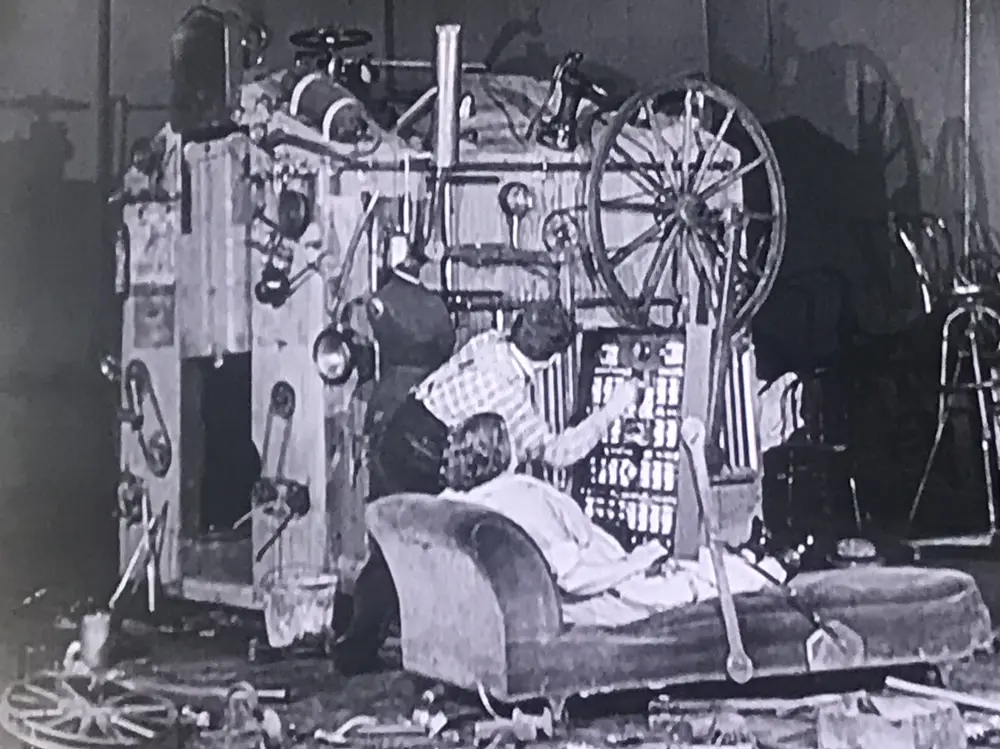
The film’s visual style is both its greatest strength and weakness. Close-ups of the machine’s inner workings—gears spinning in slow motion, pistons hissing steam—capture the 1930s obsession with mechanized progress. But these flourishes often overshadow the story. A prolonged montage of the machine “breathing” (literally, with bellows mimicking lungs) feels more like a technical flex than narrative momentum. Cinematographer Ted Sears deserves praise for the doll scene’s ethereal lighting, which bathes the miniature in golden hour hues that contrast with the machine’s metallic coldness. Yet this visual poetry is undercut by a score that shifts jarringly between circus music and funeral dirge motifs.

Here’s a controversial take: A Wild Roomer is more successful as a technical showcase than as a narrative. The film’s true “character” is the machine itself, with Bowers serving more as its operator than a fully realized human being. That said, the doll sequence suggests a deeper philosophical inquiry—does creating life make one a god, or a monster? The film never answers, but that’s part of its charm. Another hot take: this is one of the few pre-code films where the protagonist’s eccentricity doesn’t mask moral flaws. Bowers’ uncle, meanwhile, is so cartoonishly evil that his plan to steal the bequest feels less villainous than farcical.
If you’re a completist for early inventor films (see also: The Golden Goal), the answer is yes. For casual viewers, this is a mixed bag. The film’s ingenuity is undeniable—particularly in the doll sequence, which uses miniatures so delicate they seem like Victorian toys. But the narrative’s disregard for logic (e.g., no explanation of how the machine works) will frustrate those craving coherence. Bowers’ performance is a double-edged sword: his physical comedy is charming, but his one-note enthusiasm makes him feel less like a character and more like a carnival barker.
A Wild Roomer is a time capsule of 1930s optimism and technical ambition. It works as a showcase for Bowers’ inventiveness and the era’s practical effects prowess. It fails as a cohesive story, with underdeveloped characters and pacing that alternates between frantic and glacial. You should watch it if you want to see how filmmakers once celebrated science as magic. Skip it if you prefer your narratives to make sense. The film’s greatest legacy isn’t its plot, but its willingness to dream—flawed machine and all.

IMDb 5.4
1930
Community
Log in to comment.