DbcultAccessing Vault...
7.1/10
Senior Film Conservator
A definitive 7.1/10 rating for a film that redefined the boundaries of cult cinema. Michael remains a cornerstone of transgressive art.
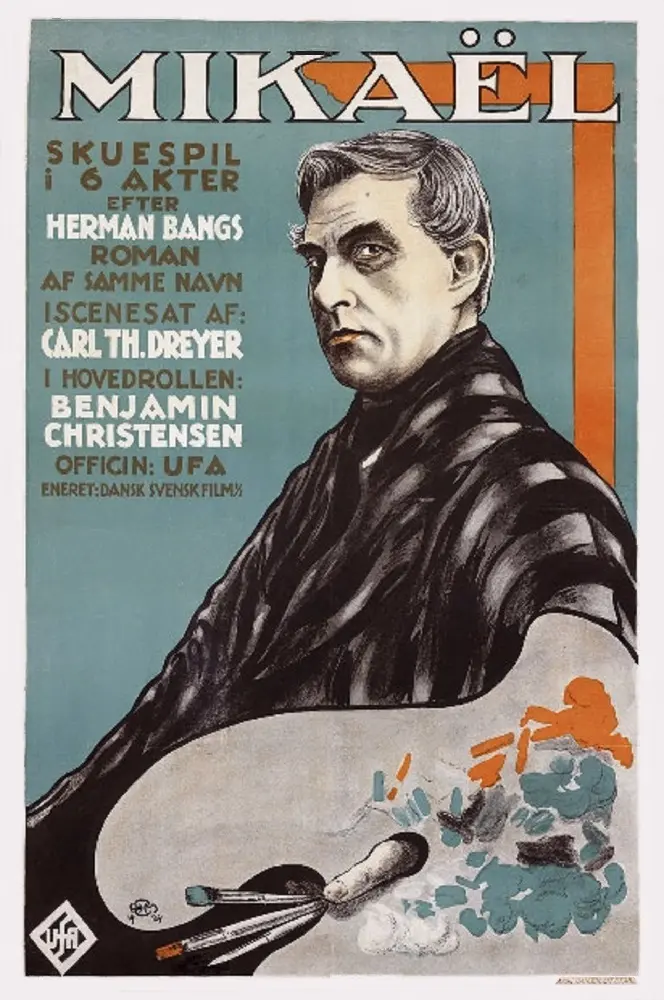
Stepping into the world of Carl Theodor Dreyer's 1924 silent drama, Michael, is akin to entering a hushed gallery where every brushstroke on the canvas of human emotion is rendered with exquisite, almost painful clarity. This isn't merely a film; it's a profound meditation on the labyrinthine nature of love, the consuming fire of artistic obsession, and the devastating quietude of a heart breaking in plain sight. Dreyer, even in these earlier works, demonstrates an unparalleled command over visual storytelling, eschewing bombast for an intimate, psychological realism that resonates across the decades.
The narrative, adapted from Herman Bang's novel 'Mikaël,' and brought to screen by the collaborative genius of Thea von Harbou and Dreyer himself, spins a delicate yet potent web around three central figures. At its core is the renowned, aging painter Claude Zoret, portrayed with a masterful blend of gravitas and vulnerability by Benjamin Christensen. Zoret is a titan in his field, but his world, both artistic and personal, revolves entirely around his young protégé and adopted son, Michael, played with an ethereal innocence by Walter Slezak. Michael is Zoret's muse, his creation, his very reason for existence, and the object of a devotion so profound it borders on the suffocating.
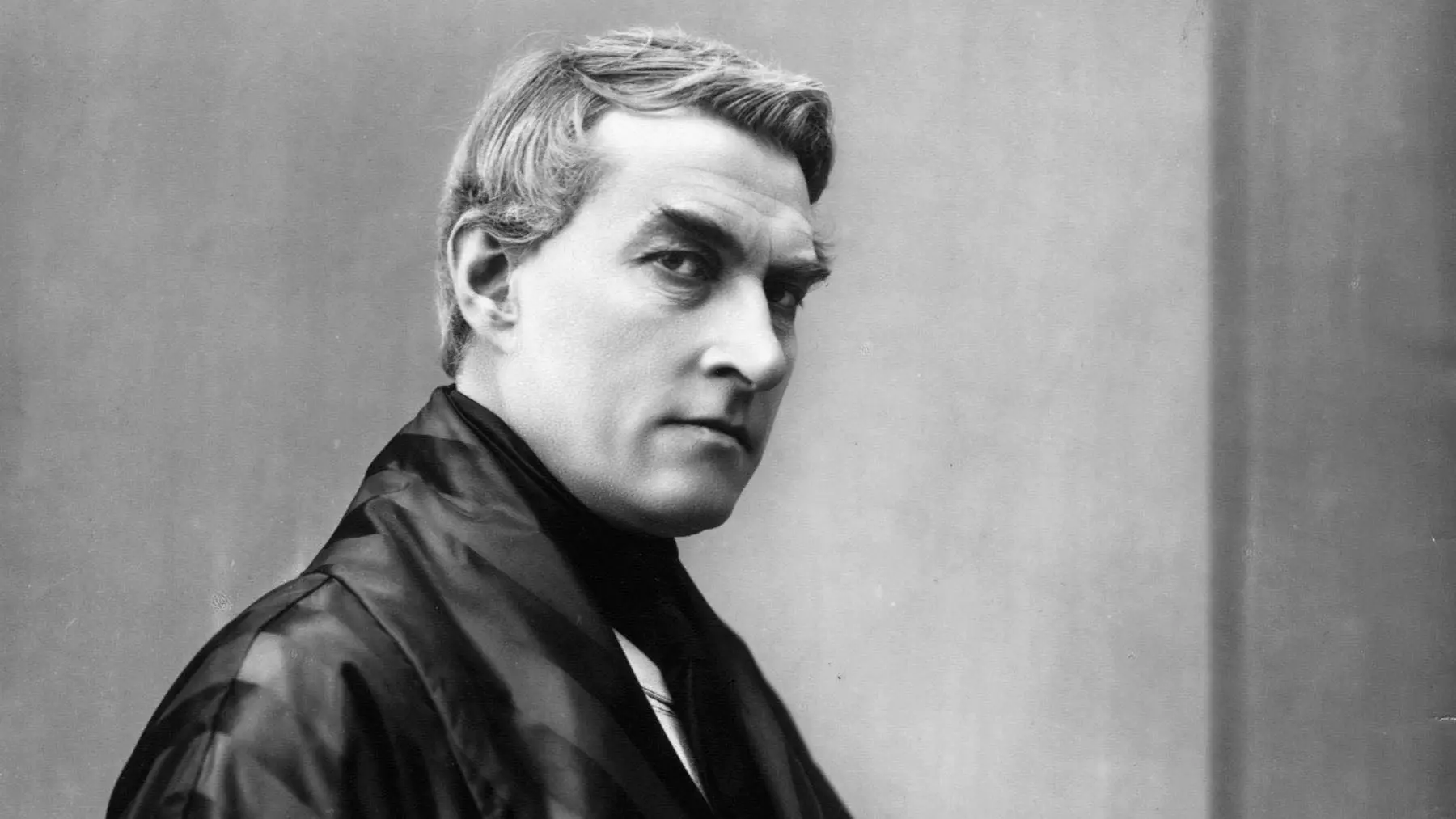
Dreyer's genius lies in his ability to articulate the unspoken. The film is a masterclass in visual subtext, particularly concerning Zoret's unrequited, paternalistic love for Michael. It's a love that, while never explicitly defined in the rigid terms of the era, is palpable in every lingering glance, every tender gesture, every possessive command. Zoret’s studio, a sanctuary of art and shared intimacy, feels like a fragile ecosystem, meticulously balanced by this unspoken bond. When the film opens, we are immediately immersed in this world, where Michael's youthful beauty inspires Zoret's greatest works, and Zoret's adoration provides Michael with a sheltered, if somewhat cloistered, existence.
This delicate equilibrium is shattered by the arrival of Princess Lucia Zamikoff, embodied by the striking Nora Gregor. The Princess is not merely a character; she is a force of nature, a whirlwind of calculated charm and aristocratic ennui. Her interest in Zoret’s art quickly morphs into a predatory fascination with Michael. Gregor imbues the Princess with a captivating blend of sophistication and ruthlessness, making her a truly formidable antagonist not through overt villainy, but through her sheer, elegant self-interest. She sees Michael as a new toy, a fresh conquest, and perhaps, a means to subtly undermine the great Zoret, whose reputation might overshadow her own social standing.

Michael, still very much a young man navigating the complexities of his own identity and burgeoning desires, is utterly unprepared for the Princess's sophisticated machinations. He mistakes her calculated attention for genuine affection, her worldly allure for true passion. His innocent susceptibility makes him an easy mark for her manipulative games. The film meticulously charts his slow, inexorable drift away from Zoret, a departure that is agonizingly visible to the painter, yet impossible to prevent. The tragedy is amplified by Zoret's inability to articulate his deepest fears and feelings, a silent suffering that becomes the emotional core of the film.
Dreyer's direction is nothing short of masterful. He employs a visual language rich in symbolism and psychological depth. The use of light and shadow, expertly captured by cinematographer Karl Freund, is particularly striking. The studio, initially bathed in a warm, inviting glow, gradually becomes a place of deepening shadows as Michael's affections shift. Close-ups are used sparingly but with devastating effect, allowing the audience to glimpse the raw, unvarnished emotions flickering across the characters' faces. Zoret's face, in particular, becomes a landscape of quiet anguish, his eyes reflecting the slow death of his hopes.
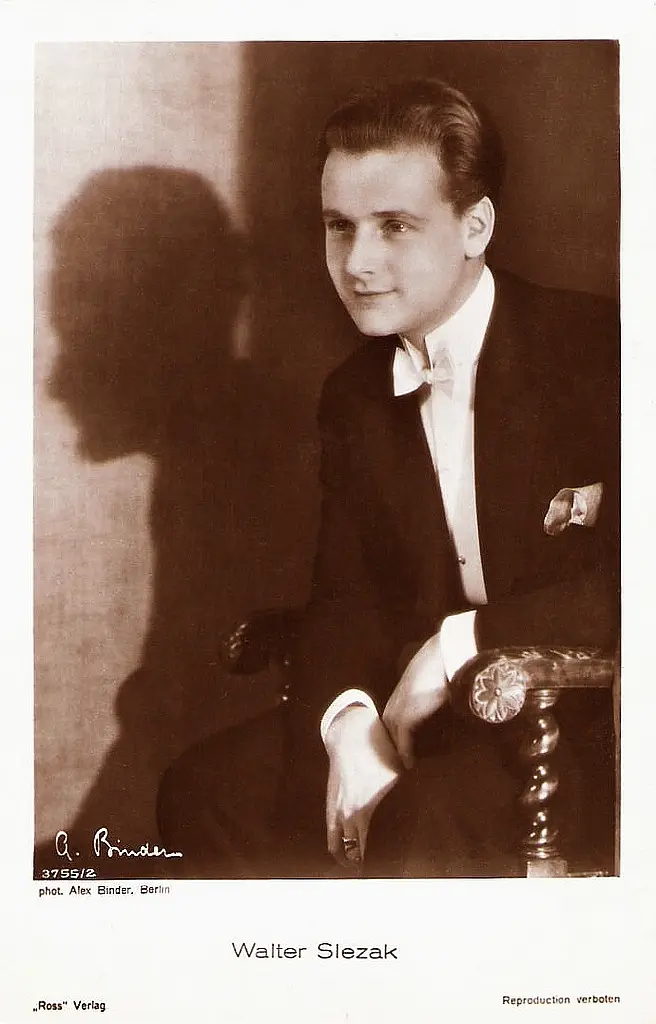
The pacing of the film is deliberate, almost meditative, allowing the emotional weight of each scene to fully settle. This measured approach ensures that the audience becomes deeply invested in the internal struggles of the characters, feeling every subtle shift in their relationships. It's a testament to Dreyer's skill that a film devoid of spoken dialogue can convey such profound psychological complexity. One might draw a parallel to the intense, suffocating atmosphere of desire and betrayal found in films like Drama na okhote, where unspoken passions lead to tragic conclusions, though Dreyer's touch is often far more restrained, focusing on internal dissolution rather than overt melodrama.
The performances in Michael are uniformly excellent, a testament to Dreyer’s meticulous direction and the inherent talent of his ensemble. Benjamin Christensen as Zoret is a revelation. His portrayal of an artist consumed by love and then by despair is heartbreakingly authentic. He conveys a lifetime of experience and a bottomless well of sorrow through subtle gestures and the profound sadness in his eyes. Walter Slezak, in an early career role, perfectly captures Michael's youthful naiveté and his gradual awakening to a world beyond Zoret's protective embrace. His transition from innocent muse to a man caught between two powerful forces is handled with remarkable sensitivity.
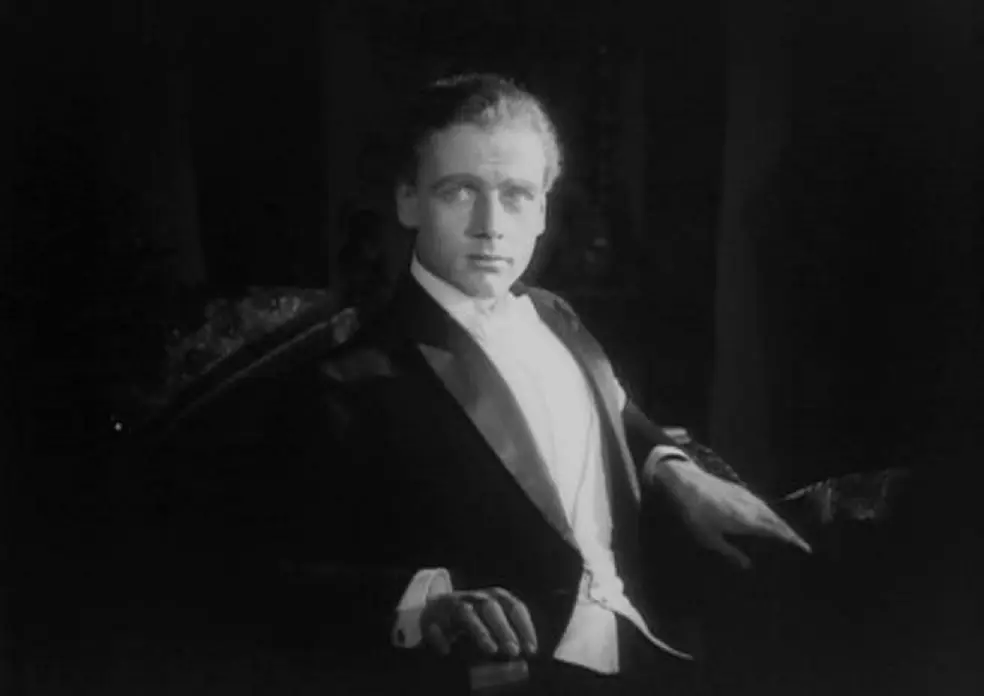
Nora Gregor's Princess Zamikoff is a marvel of calculated elegance. She is not a caricature of evil but a nuanced portrayal of a woman driven by ego and a desire for control. Her interactions with Michael are a masterclass in subtle manipulation, making her a truly compelling, if ultimately unsympathetic, figure. The supporting cast, including Mady Christians, Alexander Murski, and Karl Freund (who also served as cinematographer), all contribute to the rich tapestry of the film, adding layers of authenticity to the world Dreyer creates. The film’s emotional resonance is heavily reliant on these silent performances, a feat that distinguishes it from many of its contemporaries. The understated emotional turmoil here is reminiscent of the quiet desperation found in some of the more poignant dramas of the era, such as Love's Redemption, where character's inner lives are foregrounded.
Beyond the surface narrative of a love triangle, Michael delves into profound philosophical questions about art and life. For Zoret, Michael is not just a person; he is the embodiment of his artistic ideal, the living muse that fuels his creativity. This blurs the lines between love and possession, between inspiration and ownership. When Michael begins to assert his own identity, to seek a life independent of Zoret's gaze, it threatens to dismantle not just their relationship but Zoret's very artistic foundation. This struggle between the artist's need for control over his muse and the muse's inherent right to autonomy is a central, compelling theme.
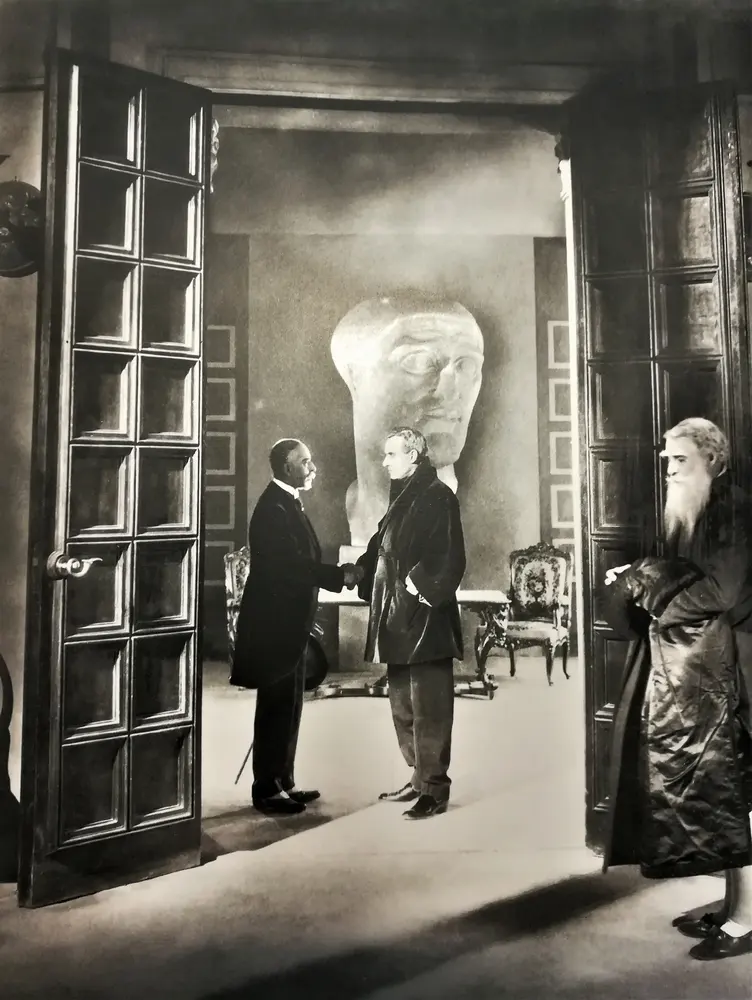
The film also subtly, yet powerfully, explores themes of queer desire, particularly for its time. Zoret's love for Michael, while framed in paternal terms, carries an undeniable undercurrent of romantic and possessive longing. Dreyer handles this with remarkable sensitivity and nuance, allowing the audience to infer the depth of Zoret's feelings without resorting to explicit declarations. This approach makes the film a significant, albeit often overlooked, work in the history of queer cinema, showcasing complex emotional dynamics that were rarely depicted on screen with such honesty in the 1920s. The quiet tragedy of Zoret's unrequited love for Michael forms the heart of the narrative, a feeling that, for many, remains deeply resonant.
Furthermore, the film is a stark portrayal of the perils of idealization. Zoret idealizes Michael to such an extent that he fails to see him as a separate, evolving individual. This blindness ultimately contributes to his sorrow. Michael, in turn, idealizes the Princess, projecting onto her qualities she does not possess, and thus becomes vulnerable to her manipulations. The film suggests that true connection requires seeing others for who they are, not for who we wish them to be.
Dreyer's Michael stands as a testament to the enduring power of silent cinema and the universal nature of human emotion. It is a film that, despite its age, feels remarkably modern in its psychological depth and its refusal to offer easy answers. The final scenes, culminating in Zoret's poignant confession and the completion of his magnum opus – a painting depicting a man consumed by the fire of love – are profoundly moving. It's a moment that encapsulates the film's central thesis: that even in loss, there can be a profound, if melancholic, beauty; that art can emerge from the ashes of a broken heart.
The film's influence, while perhaps not as overtly dramatic as some of Dreyer's later, more overtly spiritual works, is undeniable in its contribution to the art of psychological drama. It showcases Dreyer's nascent visual style and his unwavering commitment to exploring the inner lives of his characters. For anyone interested in the evolution of cinematic storytelling, the nuanced portrayal of complex relationships, or simply a deeply affecting human drama, Michael remains an essential viewing experience. Its quiet power lingers long after the final frame, a haunting echo of a love too profound to be contained, and ultimately, too fragile to endure.
It might not have the overt action of a film like The Indian Wars, or the lighthearted romance of a Piccadilly Jim, but its dramatic weight is immense. The subtle machinations of the Princess could even be seen to parallel the sophisticated social maneuvering in films like Komtesse Doddy, where personal desires often clash with societal expectations. But where many films might opt for external conflict, Michael delves inward, finding its greatest drama in the silent struggles of the soul. It's a reminder that sometimes, the most devastating stories are those told in whispers and knowing glances, rather than shouts and grand gestures.

IMDb 5.4
1933
Community
Log in to comment.