DbcultAccessing Vault...
6.8/10
Senior Film Conservator
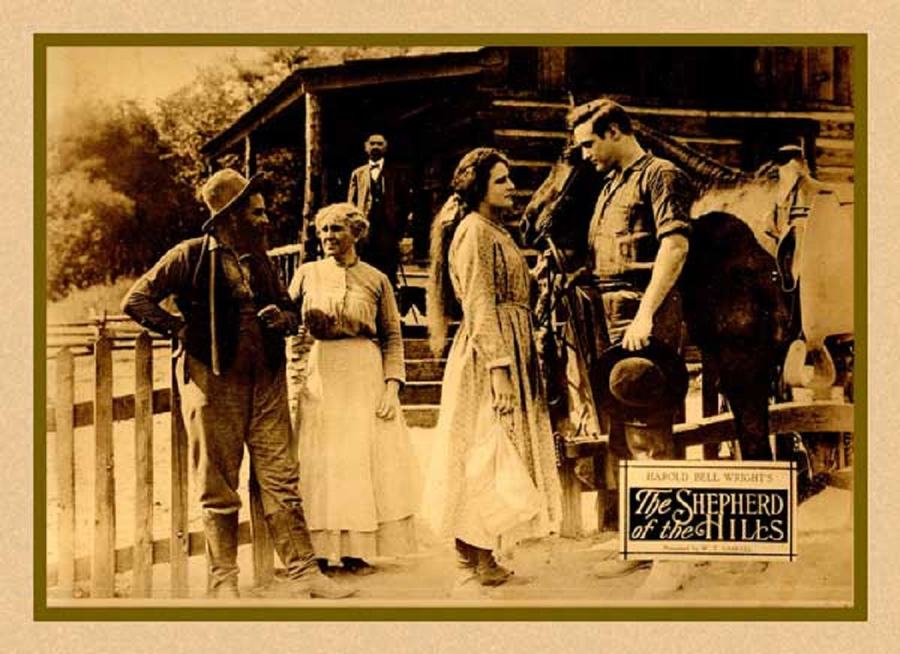
A definitive 6.8/10 rating for a film that redefined the boundaries of cult cinema. The Shepherd of the Hills remains a cornerstone of transgressive art.
In the pantheon of early American cinema, few narratives capture the visceral intersection of landscape and morality as poignantly as The Shepherd of the Hills. Based on the seminal novel by Harold Bell Wright, this 1919 adaptation (featuring a cast led by Ardita Mellinina and Bert Sprotte) serves as a foundational text for the Ozark gothic tradition. Unlike the more domestic betrayals seen in The Other Man's Wife, this film elevates personal failure to the level of mythic tragedy, utilizing the rolling peaks and shadowed valleys of Missouri as a sentient witness to a family's unraveling and eventual reconstitution.
The arrival of the mysterious stranger in Mutton Hollow is not merely a plot point; it is a spiritual intervention. Played with a quiet, gravitas-laden stoicism, the Shepherd represents the 'city' coming to terms with its own decadence. He is a man burdened by the weight of his son’s artistic vanity—a son who captured the beauty of a mountain girl on canvas only to discard her like a spent charcoal stick. This dynamic mirrors the thematic concerns of The Locked Heart, where emotional isolation is both a prison and a catalyst for change. The Shepherd’s decision to serve as a literal and figurative guardian for Old Matt Matthews is a masterclass in the performance of penance. He does not seek to dominate the mountain folk with his education; rather, he seeks to be absorbed by their rugged simplicity, finding in their labor a cure for the existential rot of his previous life.
Ardita Mellinina’s portrayal of Sammy Lane is perhaps the film’s most complex achievement. Initially presented as the 'belle of the town,' Sammy is caught between the gravitational pull of the earth and the seductive promise of the horizon. Her engagement to Ollie Stewart—a man whose identity is entirely contingent upon an impending inheritance—serves as the primary conflict of her character arc. When Sammy asks the Shepherd to teach her to be a 'lady,' she is essentially asking to be erased, believing that her natural vitality is insufficient for the world Ollie inhabits. This transformation is handled with a delicate nuance that predates the more heavy-handed social critiques found in The Poor Rich Man.
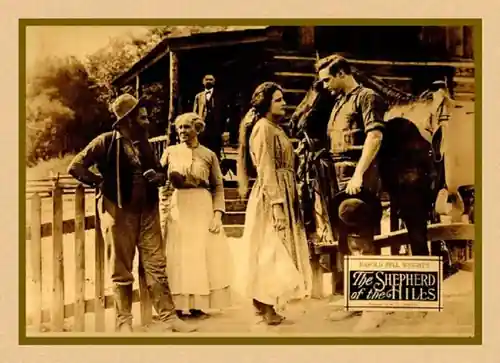
However, the brilliance of the script lies in the subversion of this goal. As Sammy gains the 'refinement' she sought, she simultaneously gains the clarity to see Ollie’s hollowness. The scene of Ollie’s return is a masterstroke of silent era blocking. We see the physical change in him—the stiff collars and the practiced mannerisms—and we see Sammy’s immediate, visceral rejection. She has become a lady, yes, but a lady of the hills, one whose sophistication is rooted in the Shepherd’s teachings of kindness and character rather than the city’s teachings of status and consumption. Her eventual union with Young Matt (played with an atavistic strength) is not a regression, but a reclamation of her true self, reminiscent of the romantic resolutions in Rose o' the River.
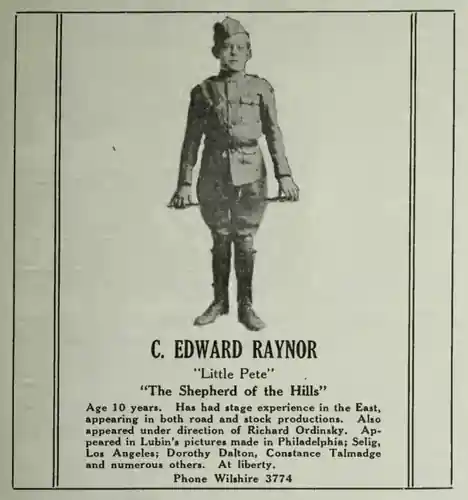
The third act of The Shepherd of the Hills takes a sharp turn into the subterranean gothic. The revelation of the son, dying in a cave near his child, Little Pete, shifts the film from a pastoral drama into a somber meditation on the persistence of the past. The cave acts as a purgatorial space where the Shepherd’s two lives finally collide. George Hackathorne’s performance as the son—broken, haunted, and physically diminished—is a stark contrast to the robust life of the Matthews family. It is here that the film’s central question is posed: Can a debt of honor ever truly be repaid? Unlike the vengeful motivations in The Vengeance of Durand, the Shepherd seeks only a peaceful transition for his son and a cessation of the cycle of hatred that has consumed Old Matt.
The confrontation between Old Matt and the dying artist is the emotional crescendo of the film. Bert Sprotte’s performance as the grieving father is monumental; his face is a landscape of its own, weathered by years of resentment and the harsh mountain winters. When he finally grants forgiveness, it feels less like a narrative convenience and more like a seismic shift in the moral universe of Mutton Hollow. This scene achieves a level of pathos that rivals the most intense moments in When a Man Loves, proving that silent cinema was more than capable of articulating the complexities of the human soul without the crutch of dialogue.
From a technical perspective, the 1919 production utilizes deep focus and natural lighting to an extraordinary degree. The director (often attributed to Wright himself in collaboration with various technicians) understands that the Ozarks are not just a setting but a character. The moonshiner sequences, which provide the necessary tension to keep the plot from becoming overly sentimental, are shot with a gritty realism that contrasts sharply with the ethereal beauty of the scenes featuring the Shepherd and Little Pete. The way the light filters through the dense foliage of Mutton Hollow creates a chiaroscuro effect that mirrors the internal struggle between the characters' higher aspirations and their darker impulses.
In comparison to films like A Knight of the Range, which focuses more on the external action of the frontier, The Shepherd of the Hills is an internal odyssey. It is a film about the architecture of the spirit. The Shepherd’s teachings—which the mountain folk initially greet with suspicion before eventually defending him against the moonshiners—are presented not as dogmatic religious tracts, but as essential truths for communal survival. This communal defense of the Shepherd is a powerful visual metaphor for the way society must protect its moral anchors, even when those anchors come from the very world that caused their initial suffering.
While modern audiences might find the pacing of 1919 cinema deliberate, there is a profound reward in the slow-burn development of these characters. The film avoids the freneticism of later genre pieces like Fighting Back, opting instead for a rhythmic cadence that mimics the seasons of the mountains. Harold Bell Wright’s influence as a writer is palpable in every frame; his preoccupation with the restorative power of nature and the inherent dignity of the common man is the heartbeat of this production. It is a work that demands to be viewed not just as a piece of history, but as a living document of the American psyche at the turn of the century.
Ultimately, The Shepherd of the Hills is a film about the necessity of looking back in order to move forward. It is about the way we carry our lineages—both the glorious and the shameful—into every new territory we inhabit. Whether it is the Shepherd seeking to mend his son's broken promises or Sammy Lane seeking to reconcile her heritage with her aspirations, the film speaks to the universal desire for a home that is built on something more substantial than wealth or fame. It is a haunting, beautiful, and deeply resonant piece of art that stands as a testament to the enduring power of forgiveness.
If you enjoyed this deep dive into the Ozark silents, consider exploring our reviews of other period dramas such as Mr. Opp or the visually stunning Il Fauno. For those interested in the darker side of silent era social critique, our analysis of The Evil Women Do offers a compelling counterpoint to the Shepherd's redemptive arc.
IMDb 5.5
1920
Community
Log in to comment.