DbcultAccessing Vault...
Cult Review
Senior Film Conservator
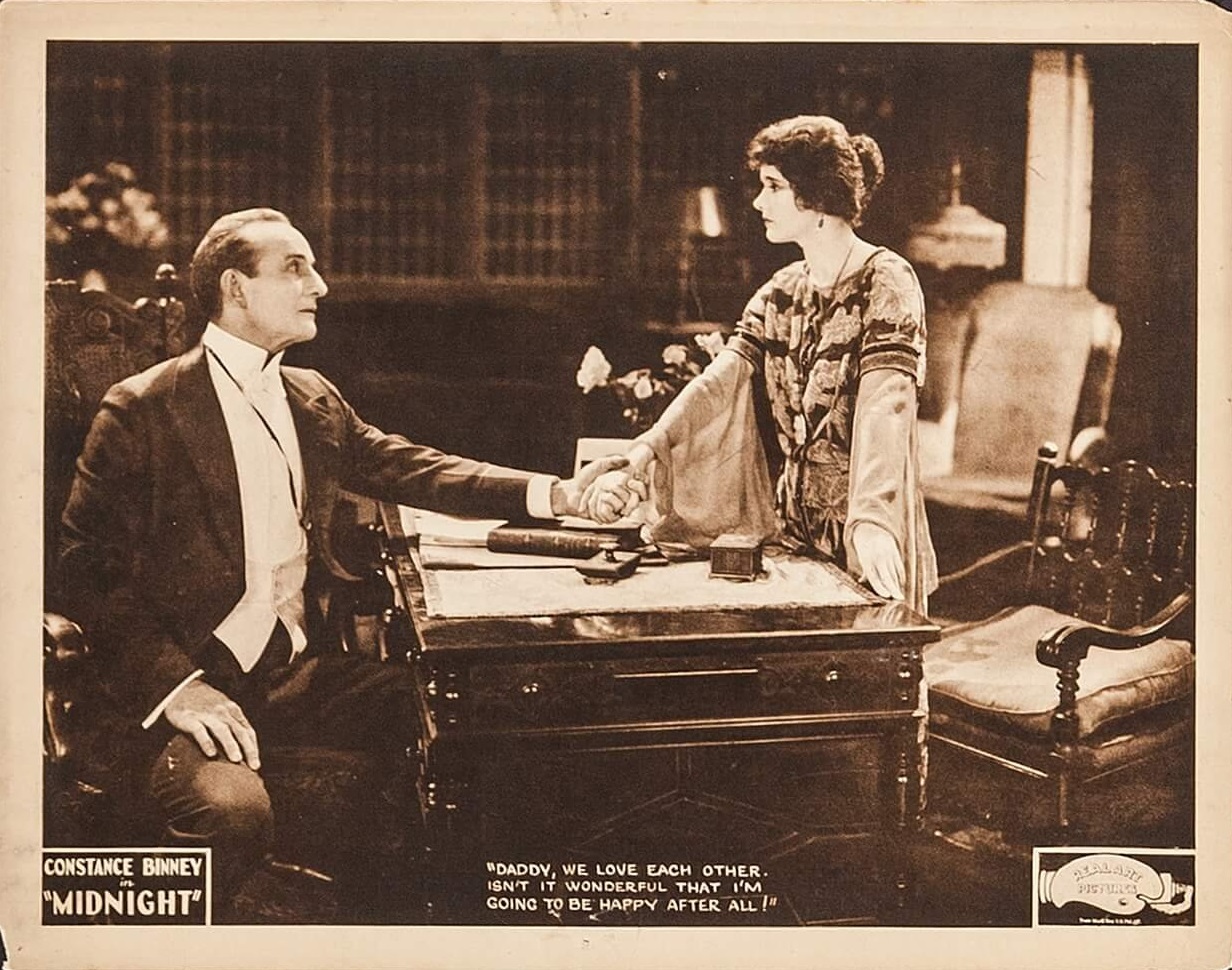
The silent era of the 1920s often operated on a frequency of heightened melodrama, yet few films from that period capture the claustrophobic intersection of social reputation and existential dread as effectively as the 1922 production, Midnight. Directed with a keen eye for the shadows that lurk behind diplomatic prestige, this film presents a labyrinthine plot that feels remarkably modern in its exploration of the 'ghosts' of our past. While many contemporary viewers might dismiss silent cinema as a collection of exaggerated gestures, Midnight demands a more nuanced reading, particularly in how it utilizes the South American setting as a crucible for American moral decay.
The narrative propellant is the character of Potter, played with a slinking, opportunistic energy that contrasts sharply with the stoic dignity of the Morris family. When Potter leaps into the bay to escape the consequences of his embezzlement, the film doesn't just offer a physical stunt; it offers a symbolic cleansing that we, the audience, know is destined to fail. This 'resurrection' trope is handled with far more sophistication here than in other genre pieces of the time, such as Labyrinth of Horror, where the scares are often more visceral and less psychological.
The screenplay, penned by Harvey F. Thew and Rob Wagner, meticulously constructs a trap for Edna Morris. Helen Lynch delivers a performance that transcends the 'damsel in distress' archetype, portraying Edna as a woman caught between the rigid expectations of her father, the Ambassador, and her own pursuit of happiness. The film excels in depicting the 'American Ambassador' lifestyle—not as a position of power, but as one of extreme vulnerability. In the high-society circles seen in films like Society Snobs, reputation is a currency, but in Midnight, it is a noose.
"The clock is the ultimate antagonist in this domestic tragedy, ticking away the minutes between salvation and social ruin."
When Potter reappears, the film shifts from a romantic drama into a noir-inflected thriller. The blackmail sequences are shot with an emphasis on the library—a space of knowledge and law—becoming a site of corruption and death. This use of domestic space as a hunting ground is a recurring theme in silent melodramas, yet Midnight elevates the stakes by tethering the protagonist's legal status to the exact moment of a man's expiration. It lacks the sweeping sentimentality of Silver Wings, opting instead for a cold, almost clinical fascination with the timing of the soul's departure.
Visually, the film utilizes the limited technology of 1922 to create a sense of impending doom. The lighting in the library scene is particularly noteworthy, casting long, jagged shadows that mirror the fractured psychological state of Edna. Jack Mulhall, playing Jack Dart, provides a grounded, heroic contrast to the shifting moral sands around him. His performance is less about theatricality and more about a quiet, steadfast presence, a style that would later become a staple of the American leading man.
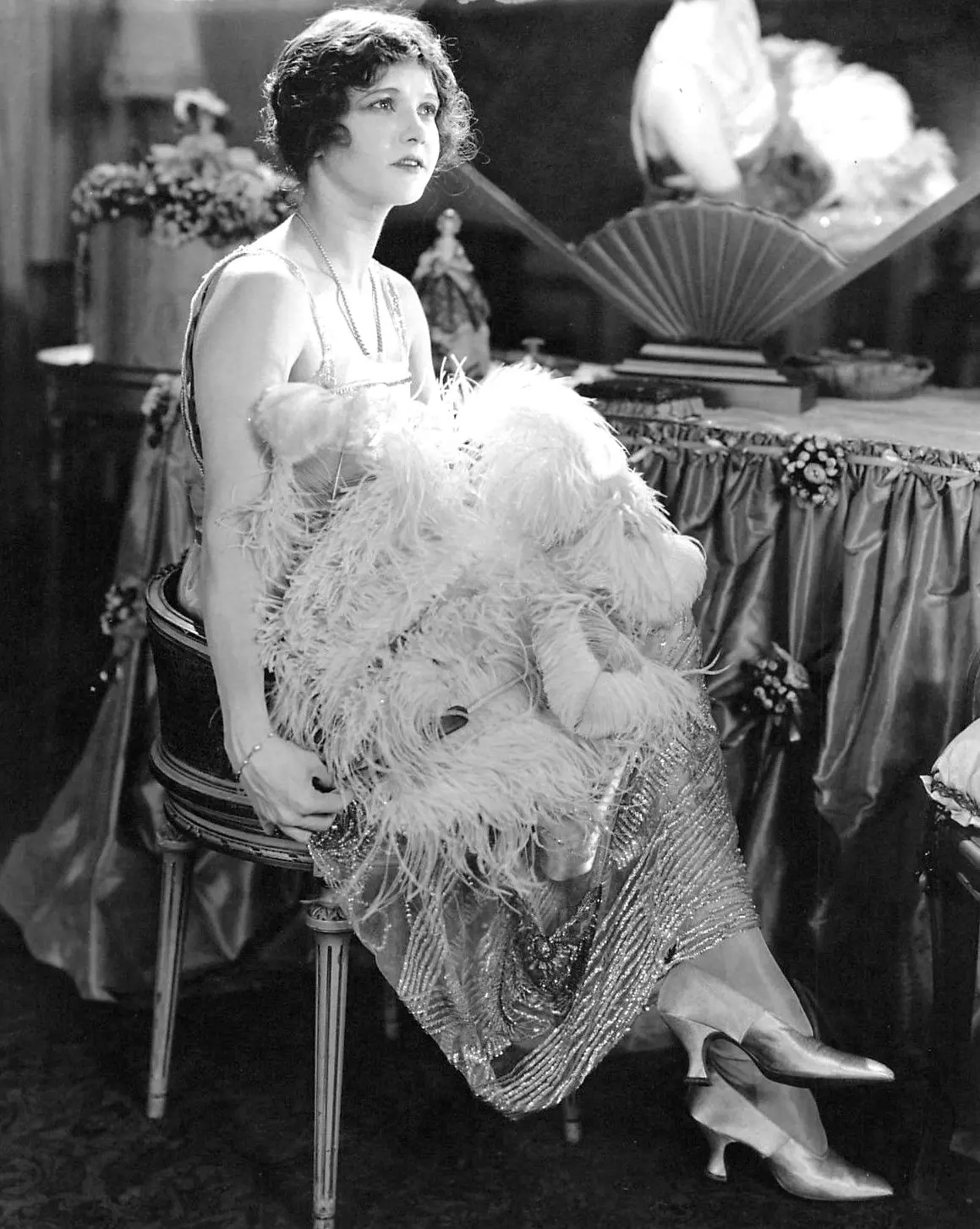
Unlike the broader comedic strokes found in Keystone Comedies or the overtly simplistic morality of Simple Souls, Midnight thrives in the gray areas of human behavior. The father, Herbert Fortier's Ambassador Morris, is not a villain, yet his fear of scandal drives him to an act of cruelty toward his daughter. This complexity makes the film a compelling study of the patriarchal structures of the early 20th century. The film questions: what is more important, a daughter's heart or a father's ledger of honor?
The climax of the film is a masterclass in editing and tension. As Edna returns from her clandestine midnight wedding, only to find her first husband's corpse, the film enters a state of temporal suspension. The revelation that Potter died ten minutes before the ceremony is not merely a convenient plot device; it is a profound commentary on the arbitrary nature of law and morality. Had he died ten minutes later, Edna would be a criminal in the eyes of the state. This thin margin of error highlights the fragility of the social order the Ambassador so desperately tried to protect.
We see echoes of this high-stakes timing in other suspense films of the era, such as The Shark, but Midnight anchors its stakes in the domestic rather than the adventurous. The horror here is not found in a monster or a natural disaster, but in the ticking of a clock. It shares a certain thematic DNA with The Heart of Maryland in its focus on a woman's agency during a time of crisis, though Midnight is far more cynical about the institutions surrounding her.
In the broader landscape of 1922 cinema, which saw everything from the exoticism of The Arab to the mythic proportions of Narasinha Avtar, Midnight stands out as a tightly coiled spring of a movie. It doesn't need the grandiosity of The Star Prince to make its point. Instead, it relies on the universal fear of being trapped by one's choices and the terrifying realization that our lives can be upended by the actions of those we thought were long gone.
The cast, including Sidney Bracey and Arthur Stuart Hull, provide solid support, ensuring that the world Edna inhabits feels lived-in and authentic. While the film may not have the name recognition of Bulldog Drummond, it offers a more intimate and perhaps more disturbing look at the human condition. It reminds us that while we may elope into the night to find our freedom, the morning light always brings a reckoning. For Edna Morris, that reckoning was a matter of minutes, but for the audience, the impact of Midnight lingers far longer than its runtime.
Ultimately, Midnight is a testament to the power of the silent medium to convey complex emotional and legal paradoxes. It is a film that rewards the patient viewer, offering a sophisticated blend of mystery and melodrama that remains potent over a century later. Whether you are a scholar of the silent era or a casual fan of classic thrillers, this is a film that deserves a place in the conversation about the evolution of the American suspense narrative.
IMDb 5.8
1932
Community
Log in to comment.