DbcultAccessing Vault...
Cult Review
Senior Film Conservator
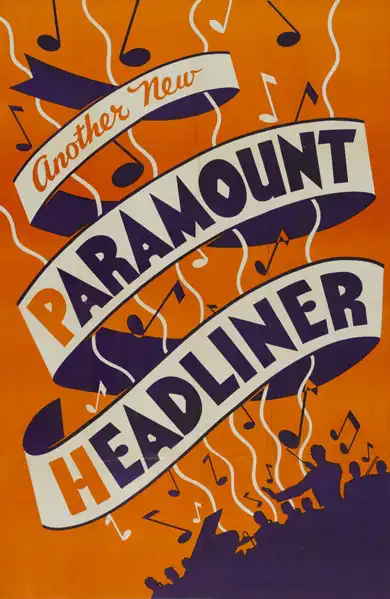
Look, if you have a soft spot for vintage musical variety acts and grainy, old-fashioned nightclub vibes, you might actually enjoy this. But if you’re looking for a narrative or anything resembling a modern movie flow, you are going to be bored to tears within five minutes. This isn't a movie with a point; it’s a recording of people doing their thing on a stage.
It’s a lot like stumbling into the Dream Cafe late at night, only to find the entertainment is a bit more stiff and the lights are way too bright. It’s a weird, static little relic.
Jack Gilford is in here doing impressions of film characters, and it’s honestly kind of fascinating in a “why is he doing this?” sort of way. He’s got this nervous energy that makes you wonder if he’s sweating under the stage lights as much as he looks like he is. It feels less like a polished show and more like a live rehearsal.
Loretta Lee shows up for the torch songs, and she’s fine, really. She stands there and belts it out, but there’s this oddly empty feeling in the background. Like the audience was told to sit perfectly still so they wouldn't mess up the audio. It feels… quiet. Too quiet for a nightclub.
The whole thing feels like it was put together on a lunch break. Maybe that’s the charm? Or maybe it’s just thin. Honestly, I’m not sure. It doesn't try to be anything other than what it is—a stage show. You can almost feel the camera operator getting tired of filming the same three spots on the stage.
If you watch this, don't expect a revelation. It’s just a snapshot of a night that happened a long time ago. 🎷
Year
1936
IMDb Rating
—
Editorial
Deciphering the legacy of transgressive cult cinema.
Community
Log in to comment.