DbcultAccessing Vault...
Cult Review
Senior Film Conservator
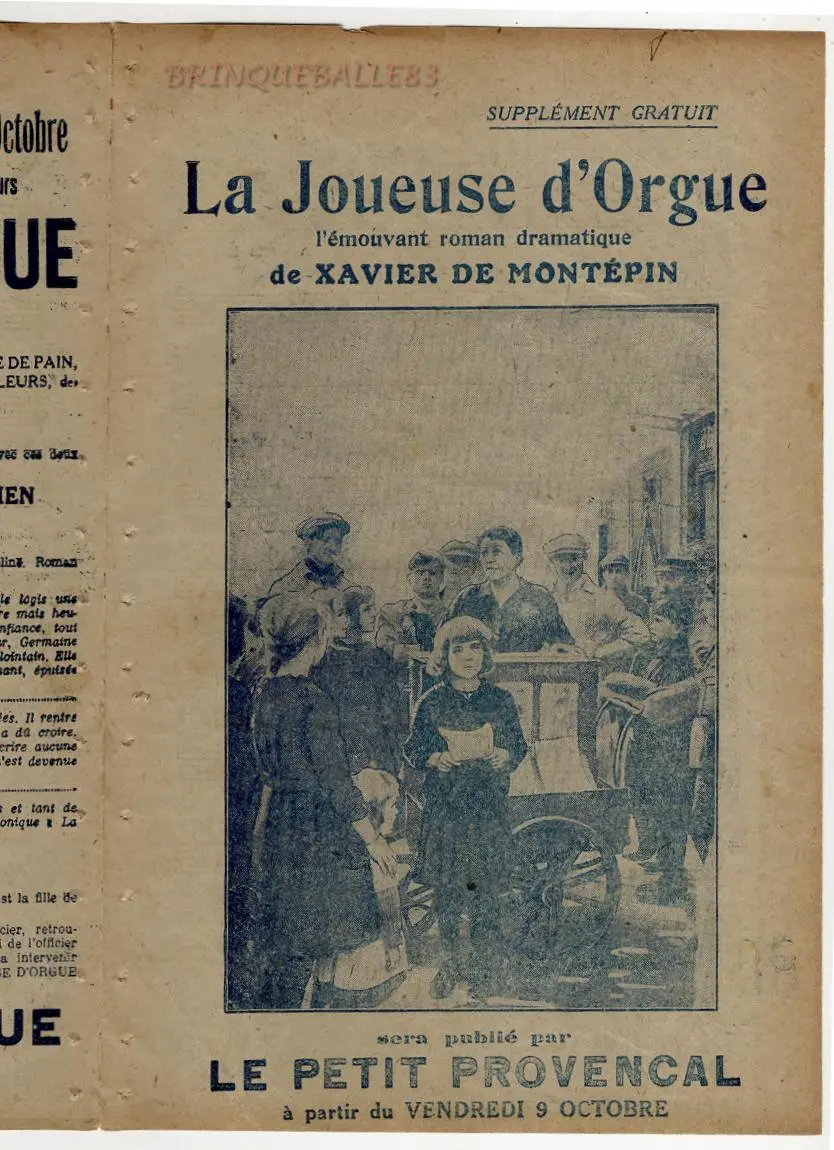
La joueuse d'orgue, a film of unflinching candor and emotional depth, presents a complex exploration of the human condition, one that eschews simplistic narratives in favor of a richly textured and deeply felt character study. Through the lens of its protagonist, played with remarkable nuance by Eugénie Buffet, the film examines the intricate web of relationships and experiences that shape our lives, and the ways in which we find meaning in the face of adversity.
The movie's narrative, penned by Xavier de Montépin, is a masterful exercise in subtlety, eschewing grand gestures and melodrama in favor of a more measured, introspective approach. As the story unfolds, we are drawn into a world of quiet desperation and resilience, one in which the characters must navigate the treacherous waters of their own emotions, as well as the societal expectations that threaten to constrain them. The performances, too, are noteworthy, with Émile Girardin delivering a particularly nuanced portrayal of a man grappling with his own morality.
One of the most striking aspects of La joueuse d'orgue is its use of visual motifs to convey the characters' inner lives. The film's cinematography is characterized by a muted color palette, with flashes of vibrant color used to convey moments of emotional intensity. This aesthetic choice serves to underscore the characters' emotional states, creating a sense of visual tension that propels the narrative forward. In this regard, the film recalls One of the Finest, which also employed a bold visual style to explore themes of love and redemption.
The themes of love, loss, and redemption that animate La joueuse d'orgue are timeless and universal, and the film's exploration of these topics is both deeply personal and profoundly resonant. As the characters navigate their complicated relationships and confront the challenges of their own mortality, we are reminded of the fragility and beauty of human existence. This is a film that lingers in the mind long after the curtain falls, its characters and themes continuing to haunt us like specters. In its contemplative, introspective approach, La joueuse d'orgue recalls The Midnight Girl, which also employed a thoughtful, deliberate pacing to explore themes of love and loss.
In terms of its place within the broader cinematic landscape, La joueuse d'orgue is a film that defies easy categorization. While it shares certain affinities with The Jail Bird and The Volcano in its exploration of themes such as love, loss, and redemption, its unique visual style and introspective approach set it apart from its contemporaries. Similarly, the film's use of visual motifs and symbolism recalls Kino-pravda no. 7, which also employed a bold visual style to convey its themes.
The performances in La joueuse d'orgue are a major highlight, with Eugénie Buffet delivering a particularly nuanced portrayal of a woman with a mysterious past. Her chemistry with Émile Girardin is palpable, and their scenes together are characterized by a sense of emotional intensity that propels the narrative forward. The supporting cast, too, is noteworthy, with Régine van Delly and René Blancard delivering memorable performances in key roles.
One of the most striking aspects of La joueuse d'orgue is its use of music to convey the characters' emotional states. The film's score, which features a range of musical styles and motifs, serves to underscore the characters' emotions, creating a sense of sonic tension that propels the narrative forward. This use of music as a narrative device recalls The Delicious Little Devil, which also employed music to convey themes of love and redemption.
In conclusion, La joueuse d'orgue is a film of remarkable nuance and emotional depth, one that presents a complex exploration of the human condition. Through its thoughtful character development, bold visual style, and introspective approach, the film invites us to reflect on the fragility and beauty of human existence. As we watch, we are reminded of the power of cinema to capture the essence of the human experience, and the ways in which film can be used to explore themes of love, loss, and redemption. A powerful and evocative work, La joueuse d'orgue lingers in the mind long after the curtain falls, a testament to the enduring power of cinema to touch our hearts and minds.

IMDb —
1928
Community
Log in to comment.