DbcultAccessing Vault...
3.5/10
Senior Film Conservator
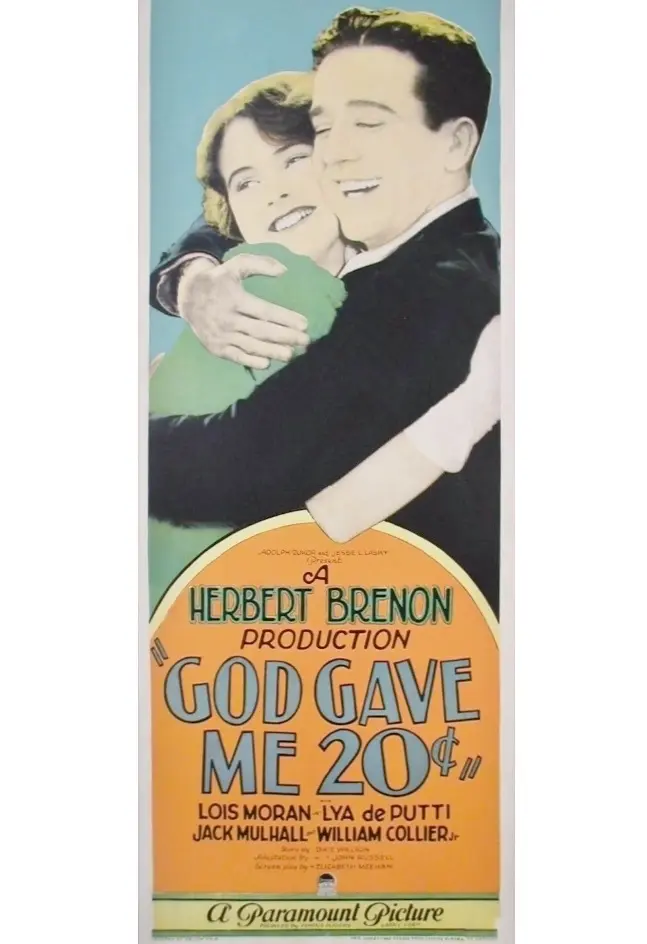
A definitive 3.5/10 rating for a film that redefined the boundaries of cult cinema. God Gave Me Twenty Cents remains a cornerstone of transgressive art.
Is God Gave Me Twenty Cents worth your time today? Short answer: Yes, but primarily for those who appreciate the intersection of gritty pre-Code realism and the heightened emotionality of silent-era melodrama. This is a film for viewers who enjoy character-driven stories where the setting—in this case, a feverish New Orleans—acts as a primary antagonist.
This film is for historians of the silent screen and fans of complex female archetypes. It is NOT for those who demand logical, fast-paced plot resolutions or viewers who find the 'fragile heroine' trope frustrating.
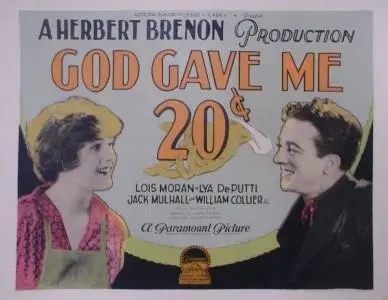
At its heart, God Gave Me Twenty Cents is a tug-of-war between the cynical world of the sailor and the hopeful world of the believer. This film works because the visual contrast between the carnivalesque Mardi Gras and the intimate, desperate interior of a safe-cracker’s hideout creates a palpable sense of urban dread. This film fails because the 'miraculous' ending feels like a narrative cheat that undermines the gritty realism established in the first two acts. You should watch it if you are a completionist of silent-era vamps like Lya De Putti or if you enjoy films that explore the intersection of luck and religion.
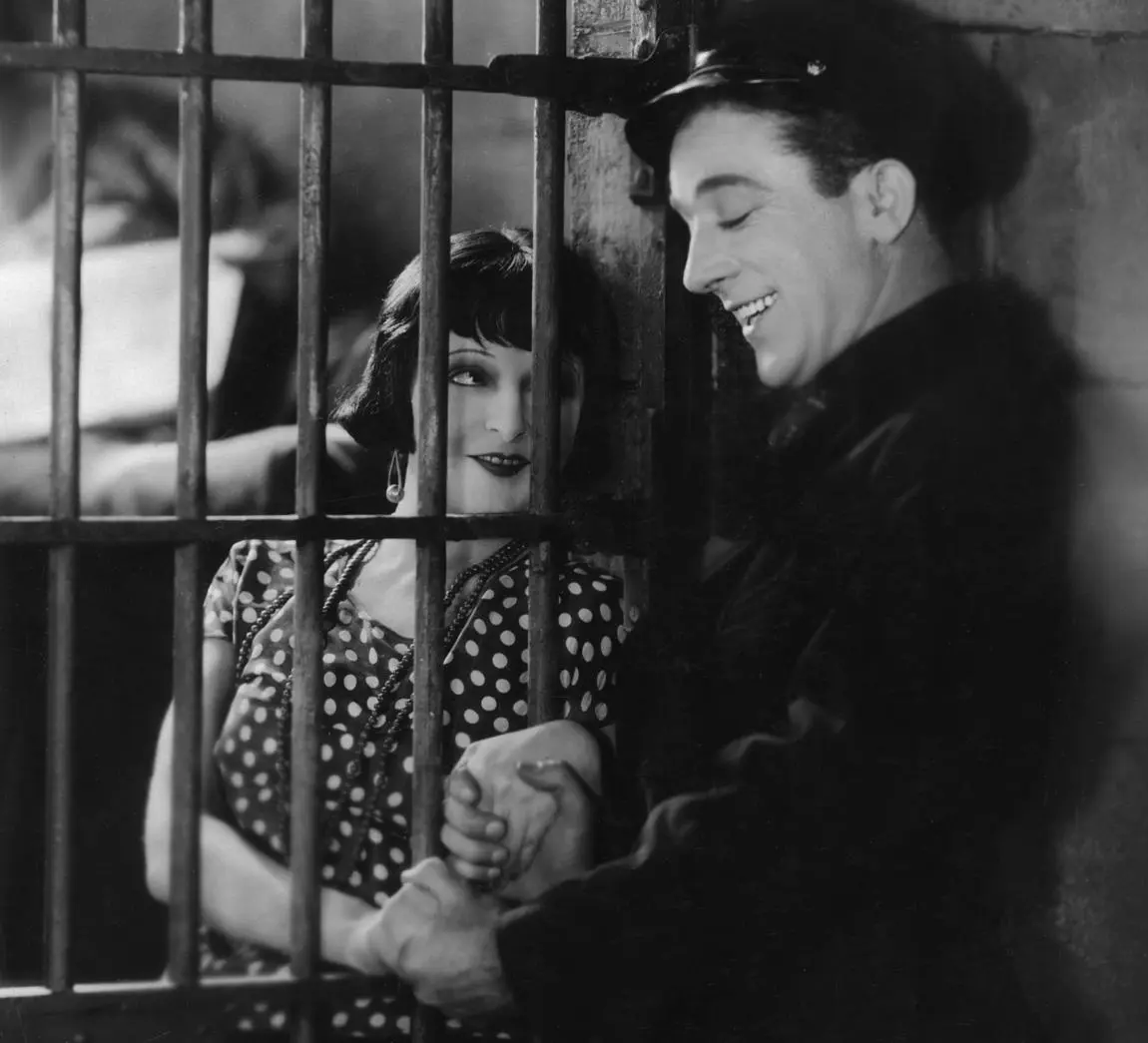
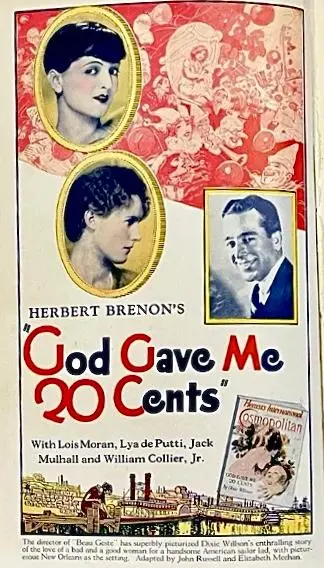
The film opens with a visceral energy. The sailors, Steve (Harry Lewis) and Barney (William Collier Jr.), are not presented as polished heroes but as men of the sea—rough, impulsive, and hungry for the distractions of the shore. When Steve 'sweeps' Mary (Lois Moran) onto a parade float, it isn't just a romantic gesture; it’s a chaotic disruption of her quiet life. Moran plays Mary with a stillness that stands in stark opposition to the surrounding madness of New Orleans. While many silent films of the era, such as The Salvation Hunters, focused on the crushing weight of poverty, this film uses the atmosphere of a festival to highlight the characters' internal isolation.

The performance of Lya De Putti as Cassie is the film's true engine. Unlike the 'fragile flower' Mary, Cassie is 'worldly'—a coded term in 1926 for a woman who has seen too much and lost her illusions. When she dares Steve to a coin toss, the stakes feel genuinely dangerous. It is a moment of pure cinematic tension. The coin spinning in the air represents the thin line between a reformed life and a return to the gutter. It’s a recurring theme in the genre, similar to the moral dilemmas found in The Flash of Fate.
The cinematography captures the dual nature of New Orleans with surprising sophistication. We see the bright, over-exposed whites of the parade floats and the deep, ink-black shadows of the docks where the climax takes place. The director uses these shadows to hide the 'larcenous ways' of Barney and Cassie, making the safe-cracking sequence feel claustrophobic and illicit. This isn't the sanitized version of crime seen in later decades; there is a dirtiness to it that recalls the bleakness of The Silent Lie.
One of the most striking sequences involves Mary finding the two dimes on the dock. In a modern film, this would be a throwaway moment. Here, it is treated with the gravity of a religious epiphany. The way the light hits the coins makes them look like holy relics. This is where the film takes its biggest stance: Mary’s faith is her only currency. It’s a bold, if somewhat manipulative, directorial choice that forces the audience to choose between Steve’s cynicism and Mary’s hope.
The film’s ending is its most debatable element. When the florist reveals that the dimes were 'two-headed,' it recontextualizes Mary’s 'miracle' as a trick of fate—or perhaps a trick of man. Was God giving her twenty cents, or was a dishonest coin the only thing that could save her? This ambiguity is where the film transcends its melodramatic roots. It suggests that even our most spiritual moments might be built on a foundation of deception. It’s a cynical observation wrapped in a happy ending. It works. But it’s flawed. It’s the kind of narrative complexity you don't always find in contemporaries like Thin Ice.
If you are looking for a historical document that captures the transition of silent film into more mature, darker themes, then yes. God Gave Me Twenty Cents offers a fascinating look at the 'vamp' vs. 'virgin' trope while delivering a surprisingly tense crime subplot. The performances, particularly by Lya De Putti, remain magnetic even a century later.
God Gave Me Twenty Cents is a fascinating relic that manages to be more than the sum of its parts. While the plot leans heavily on the tropes of its era—the reformed sailor, the fragile waitress, the dying sinner—the execution is handled with a level of visual panache that keeps it engaging. The 'two-headed coin' twist is a stroke of genius that adds a layer of irony to the title, suggesting that perhaps we make our own miracles out of the scraps of luck we find in the gutter. It’s a film that asks us to look for the divine in the mundane, even if the divine is just a couple of rigged dimes. For those willing to sit through its slower moments, it offers a rewarding, atmospheric experience that stands tall alongside films like The Whip.
IMDb —
1929
Community
Log in to comment.