DbcultAccessing Vault...
6.3/10
Senior Film Conservator
A definitive 6.3/10 rating for a film that redefined the boundaries of cult cinema. Midnight Mystery remains a cornerstone of transgressive art.
You should watch this if you have a soft spot for movies that feel like they were filmed inside a giant, echoing tin can. It is perfect for a rainy Sunday when you want to feel like you are in a library.
If you hate slow, early talkies where people stand very still so the 1930s microphones can hear them, you will probably hate this. It is definitely not an action movie.
I found it strangely charming because of how much it tries to be spooky with almost no budget. It’s got that locked-room vibe that makes you want to wrap up in a blanket.
So, we have this mystery writer named Sally. She goes to this island castle in Maine because rich people in movies always go to island castles for fun.
There is a lot of fog. Like, a lot. It looks like someone was standing off-camera with a very busy smoke machine.
The whole thing feels like a stage play. That’s probably because back then, they didn't really know how to move the cameras around yet without making a ton of noise.
It reminds me a bit of the stiff acting you see in Paid, which came out the same year. Everything is very deliberate.
There is this one guy, Lowell Sherman, who plays the "society man" character. He has this way of looking at people that makes him seem like he knows exactly what they had for breakfast and he’s disappointed in it.
He’s the best part of the movie, honestly. He doesn't even have to do much; he just leans against things and looks smug.
The lead actress, June Clyde, is fine, but she spends a lot of time looking shocked. I mean, there is a murder, so I guess that makes sense.
But sometimes she looks shocked at things that aren't even that scary. Like a door closing slightly too fast.
The castle itself is supposed to be in Maine, but it looks like a bunch of painted wood and shadows. I love that about these old RKO movies.
It doesn't feel real, but it feels theatrical. There is a difference.
The sound is... crackly. You can hear the hiss of the film running through the projector the whole time.
It’s a bit like listening to a ghost tell you a story through a telephone. Some people find that annoying, but I think it adds to the atmosphere.
The wind effects are hilarious. It sounds like someone blowing into a jug right next to the mic.
Whenever someone enters a room, they close the door and then stand there for two seconds. It’s like they are waiting for the director to nod at them.
There is a scene at a dinner table where everyone is being super polite even though they all basically hate each other. You can feel the tension, or maybe just the awkwardness of the script.
One of the guys has a mustache that looks like it might fall off if he talks too loud. I kept watching it instead of listening to the dialogue.
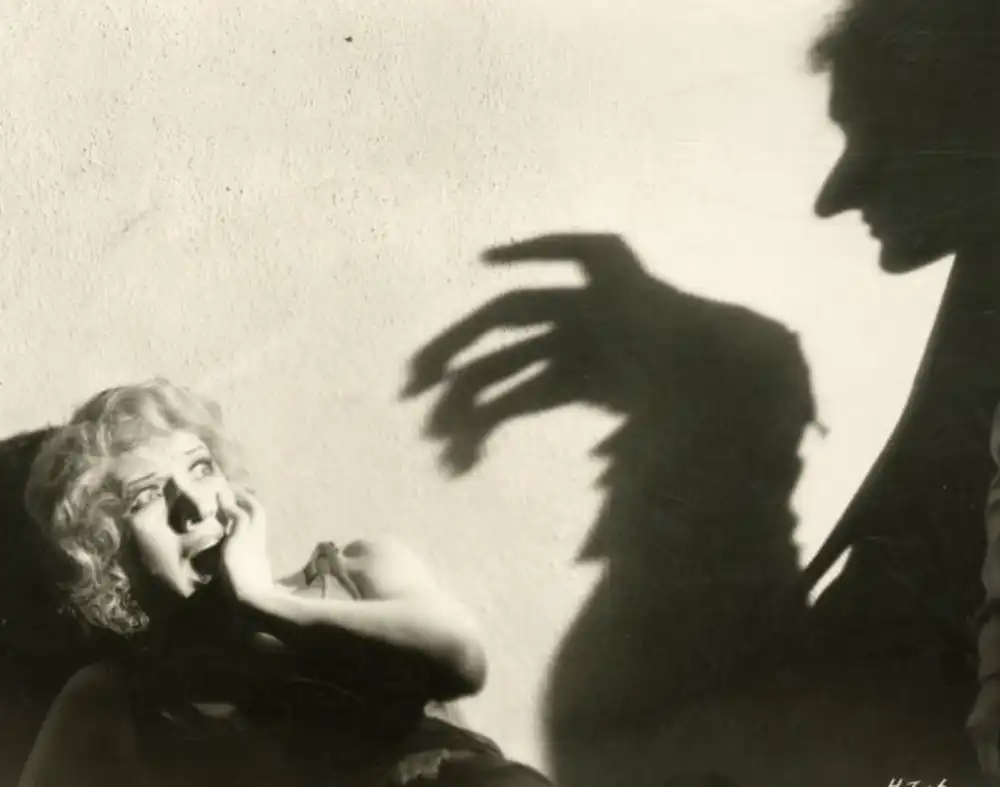
I also noticed how they use shadows on the walls. They’re huge. Bigger than the people.
It’s a very German Expressionism lite kind of look. Like they saw Der Dolch des Malayen and thought, "Hey, let's make it darker!"
The main character being a mystery writer is a trope we see all the time now. Think Murder, She Wrote but 50 years earlier.
She keeps explaining how she knows who the killer is because "that's how I would write it." It’s a bit meta for 1930.
Sometimes the movie gets a bit too wordy. People explain things that we just saw happen five minutes ago.
It’s like they didn't trust the audience to keep up. Or maybe they just had a lot of pages to fill.
The pacing is definitely lopsided. The first half is mostly people talking in tuxedos, and then the last twenty minutes is a mad dash to the finish.
It’s much shorter than something like Old Ironsides, which is a relief. It doesn't overstay its welcome.
Is it a masterpiece? No way. But it’s a solid little mystery if you like the era.
I left the movie feeling like I wanted to go to a foggy island, but maybe without the murder part. 🌊🏰
One more thing—the ending is a bit abrupt. It just kind of... stops. But that’s better than dragging it out for an extra half hour.
Anyway, if you see it on a streaming service or a late-night TV channel, give it a go. It’s better than most of the stuff from that specific transition period.
IMDb 5.1
1914
Community
Log in to comment.