DbcultAccessing Vault...
5.1/10
Senior Film Conservator
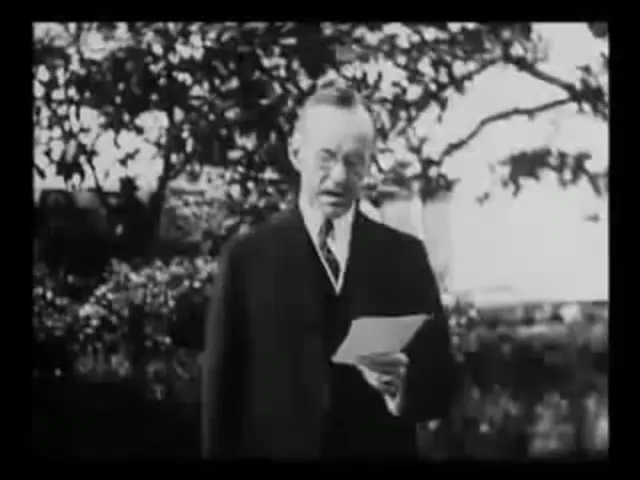
A definitive 5.1/10 rating for a film that redefined the boundaries of cult cinema. President Coolidge, Taken on the White House Grounds remains a cornerstone of transgressive art.
President Coolidge, Taken on the White House Grounds
The film opens with a serene, almost pastoral scene of the White House grounds, where the protagonist, President Calvin Coolidge, is seen in a contemplative pose, his gaze turned towards a vast expanse of greenery. The narrative unfolds as a series of dialogues and visual montages that explore the economic landscape of the early 1920s.
At the heart of the film, the tension between government fiscal policies and public dissatisfaction is palpable. Through a sequence of interviews with citizens, business leaders, and political figures, the audience is drawn into a debate that spans the spectrum of economic philosophy, from fiscal conservatism to progressive taxation.
Lee De Forest, the lead actor and co-writer, brings a charismatic presence to the role, his performance a blend of poise and urgency. His interactions with other characters, particularly those advocating for and against tax reform, are meticulously crafted, reflecting the complexity of the issues at hand. The use of early cinematic techniques, such as close-ups and subtle movements, enhances the emotional resonance of these discussions.
The film’s exploration of tax reform is not merely a historical curiosity but a poignant commentary on the enduring relevance of fiscal debates. The narrative weaves through various scenarios, from the plight of the average citizen struggling to make ends meet, to the challenges faced by businesses trying to thrive in a rapidly changing economic environment. Through these narratives, the film captures the essence of a nation grappling with the aftermath of war and the quest for a stable, prosperous future.
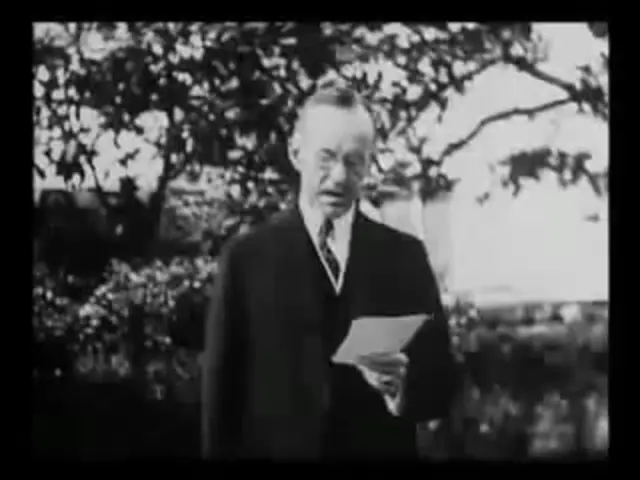
The visual style of the film is both innovative and restrained. The use of natural light and the incorporation of the White House grounds as a setting adds a sense of authenticity that is rarely seen in early silent films. The camera work, though simple by modern standards, is executed with a keen eye for detail, capturing the nuances of the dialogue and the shifting moods of the characters.
One of the most striking aspects of the film is its ability to convey the depth of the emotional and psychological impact of economic policies. Through a series of poignant scenes, the film illustrates how personal and societal issues are inextricably linked. The protagonist’s journey from a position of authority to one of reflection and empathy is a powerful metaphor for the broader themes of the film.
From a technical standpoint, President Coolidge, Taken on the White House Grounds stands out as a milestone in the early days of filmmaking. The film’s use of innovative editing techniques and the integration of newsreel footage provide a rich tapestry of historical context. The soundless narrative is punctuated by the occasional use of titles and intertitles, which serve to clarify the dialogue and advance the plot.
In comparison to other films of its era, such as Reported Missing and Prima Vera, President Coolidge, Taken on the White House Grounds offers a unique blend of historical authenticity and artistic innovation. It is a film that challenges viewers to consider the broader implications of economic policies and the human stories behind them.
In conclusion, President Coolidge, Taken on the White House Grounds is a rare gem in the annals of silent cinema. Its relevance extends far beyond its historical setting, offering contemporary viewers a window into a pivotal period in American history. Through its compelling narrative and innovative filmmaking techniques, the film remains a testament to the enduring power of cinema to illuminate complex social and political issues.
Community
Log in to comment.