DbcultAccessing Vault...
4.9/10
Senior Film Conservator
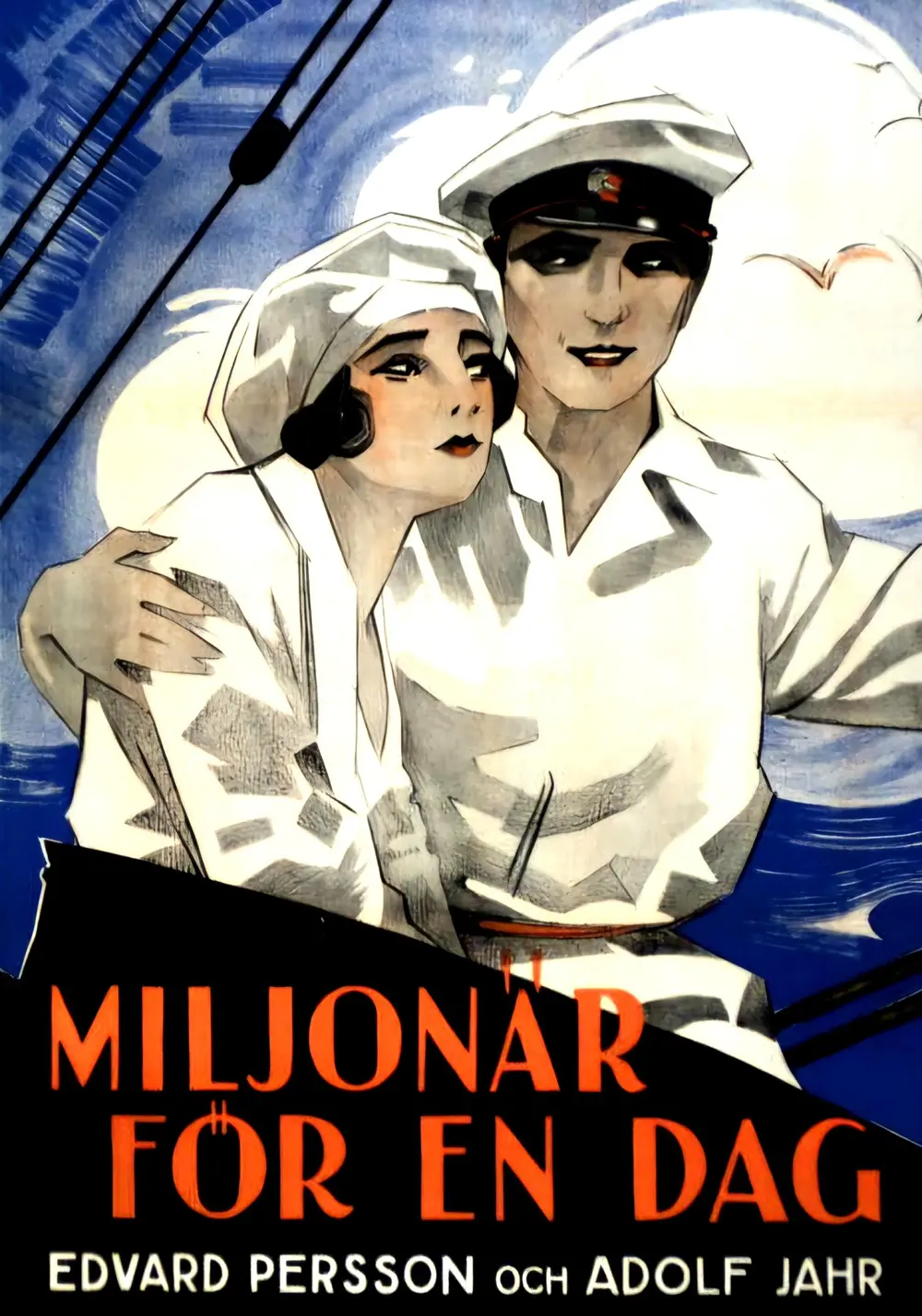
A definitive 4.9/10 rating for a film that redefined the boundaries of cult cinema. Miljonär för en dag remains a cornerstone of transgressive art.
Is Miljonär för en dag worth watching today? Short answer: yes, but with significant caveats that demand a particular kind of viewer. This film is a fascinating, if sometimes frustrating, window into a specific era of Swedish cinema, offering glimpses of talent and storytelling conventions that are both charmingly antiquated and surprisingly resonant.
It's a film best suited for cinephiles, historians of Scandinavian cinema, or those with a genuine curiosity for the foundational works that shaped later generations of filmmakers. If you’re looking for a fast-paced, modern narrative with slick production values, this is emphatically not for you.
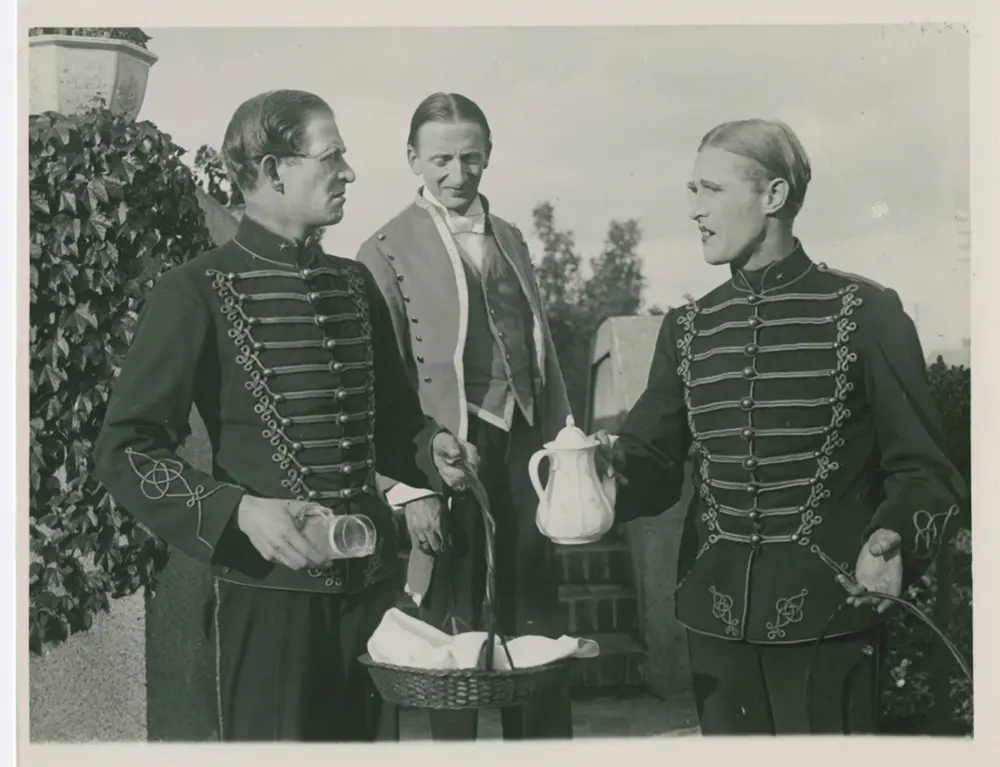
In the landscape of early 20th-century cinema, a film centered around a deathbed will is hardly revolutionary. Yet, Miljonär för en dag, directed by and starring Adolf Jahr and featuring the beloved Edvard Persson, manages to carve out its own peculiar niche. It’s a film that thrives on its simplicity and the inherent drama of human greed and expectation, even if its execution occasionally stumbles.
From the outset, the film establishes a tone of impending consequence. Count Sebastian Furucrona (Adolf Jahr) lies on his deathbed, a scene imbued with a quiet tension that permeates the entire estate of Lövstaborg. The revelation of the will, dramatically pulled from beneath his pillow, is the inciting incident, the spark that promises to ignite a series of familial machinations and personal reckonings. It’s a classic setup, and the film leans into it with a directness that is both its strength and, at times, its weakness.
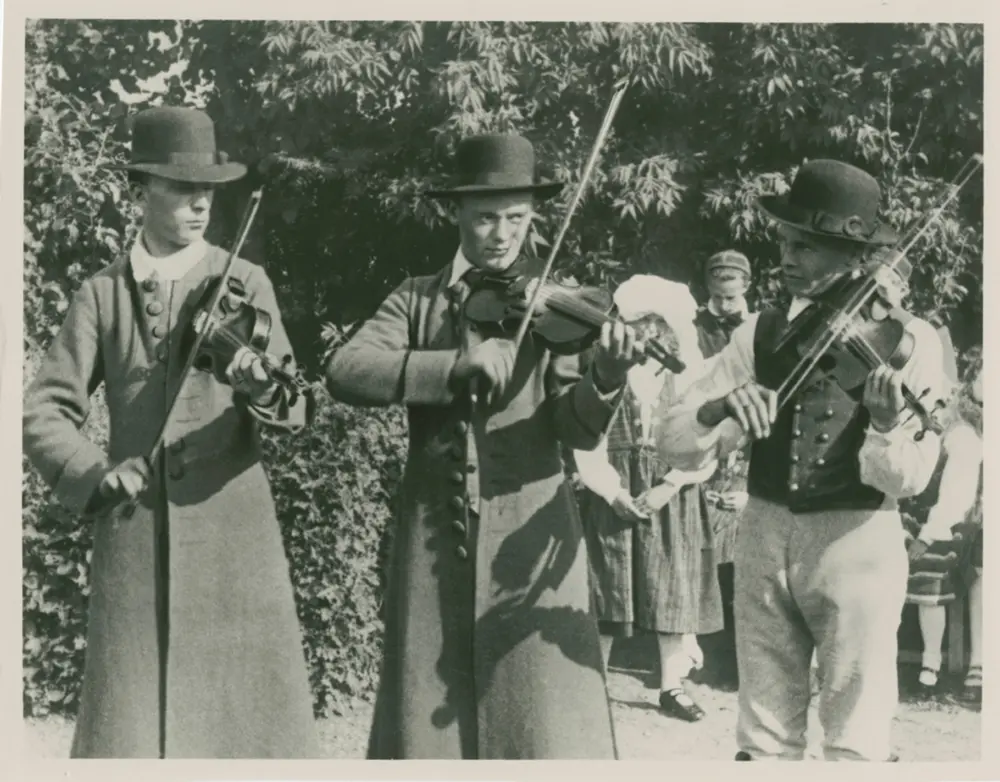
This film works because of its strong central premise and the magnetic, if understated, performances from its lead actors, particularly Adolf Jahr’s portrayal of the dying Count. It successfully taps into universal themes of inheritance and human nature, making it surprisingly engaging despite its age.
This film fails because its pacing can be agonizingly slow by modern standards, and some of the supporting performances lack the nuance needed to fully flesh out the ensemble. The technical limitations of its era are also quite evident, occasionally hindering immersion.
You should watch it if you appreciate historical cinema, enjoy character-driven dramas with a theatrical flair, or are a fan of early Swedish film, especially the work of Edvard Persson or Adolf Jahr.
Adolf Jahr, who not only directs but also stars as the ailing Count Furucrona, delivers a performance that anchors the film. His portrayal of a man on the brink, burdened by his final decisions, is subtle and effective. The scene where he produces the will is a masterclass in silent communication, his eyes conveying a mix of weariness, resolve, and perhaps a touch of mischievous satisfaction. It’s a powerful opening that sets a high bar for the dramatic tension to follow.
Edvard Persson, a name synonymous with Swedish folk humor and warmth, is a fascinating presence here. While the plot summary doesn't reveal his specific role, one can anticipate his character, whatever it may be, injecting a unique flavor. Persson’s ability to imbue even minor roles with a distinctive charm or a knowing glance is legendary. If he plays a character affected by the will, his reaction, whether one of shrewd calculation or genuine surprise, would undoubtedly be a highlight. His presence alone provides a certain gravitas, even if his role might be more restrained than his later, more boisterous comedic outings.
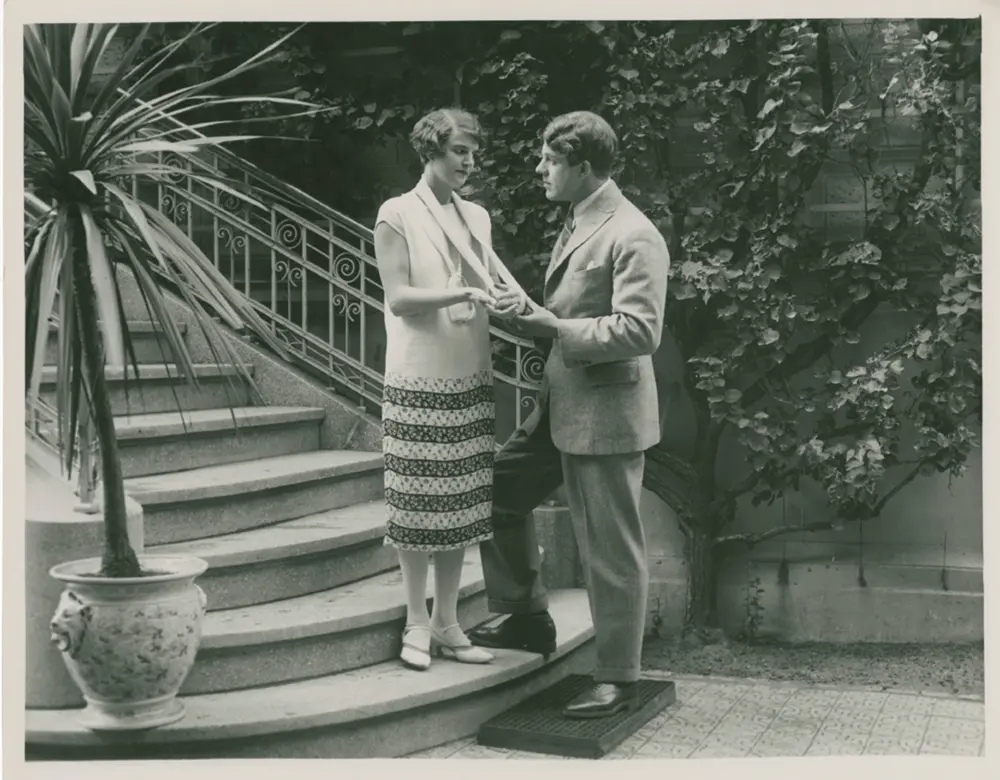
The supporting cast, including Ellen Rosengren, Gösta Lycke, and Jullan Kindahl, contribute to the tapestry of the film, though their performances vary in impact. Rosengren, in particular, often brings a quiet intensity that complements Jahr’s more stoic demeanor. However, some characters feel underwritten, serving more as plot devices than fully realized individuals. This is a common pitfall in films of this period, where character depth sometimes took a backseat to driving the narrative forward.
As director, Adolf Jahr demonstrates a keen understanding of how to frame a scene for dramatic impact, even within the technical constraints of the era. The opening sequence in the Count’s bedroom is particularly notable. The camera lingers, capturing the somber atmosphere, the heavy draperies, and the almost palpable silence before the will is revealed. This attention to setting and mood is a testament to Jahr’s directorial eye, even if the overall visual language might feel rudimentary to contemporary viewers.
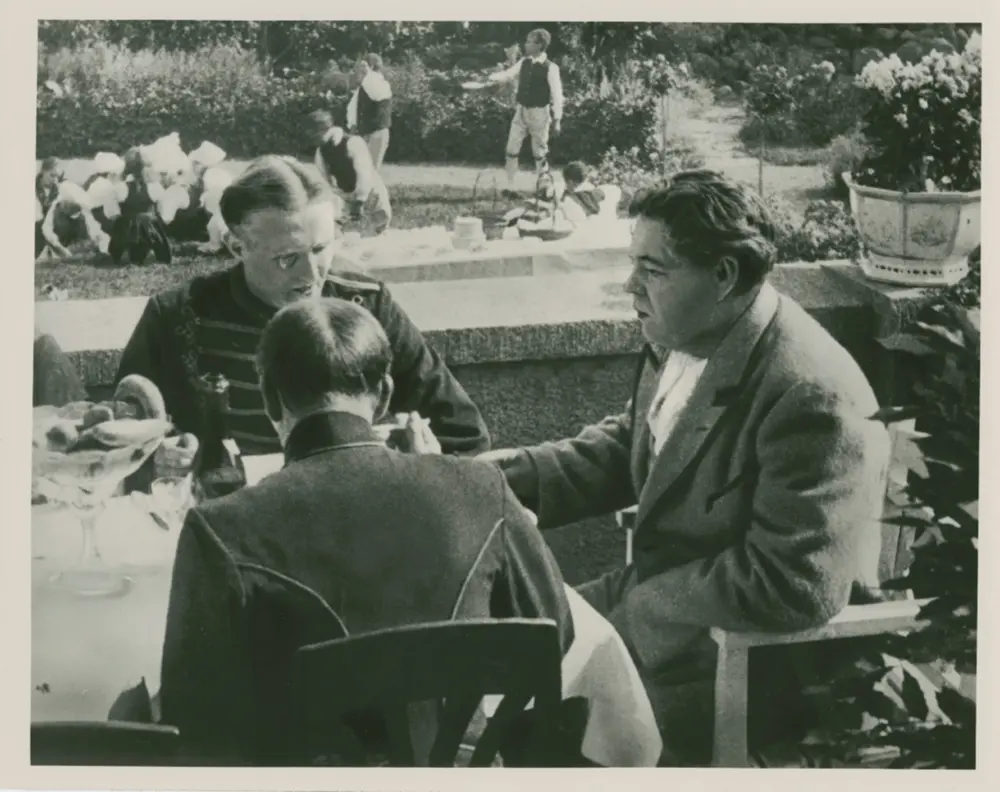
The cinematography, while not groundbreaking, effectively conveys the film’s tone. Lighting is often naturalistic, emphasizing the stark realities of the estate and its inhabitants. There's a particular shot, early on, that frames the Count against a dimly lit window, creating a silhouette that underscores his isolation and the gravity of his decision. It’s a simple technique, but highly effective in establishing the mood.
However, the film's visual storytelling sometimes feels static. There's a reliance on medium shots and longer takes, which, while allowing the actors to perform, can make certain scenes feel drawn out. Compared to the dynamic camera work seen in contemporary American films like The Lightning Raider or even some European productions like Nattens barn, Miljonär för en dag often prioritizes theatrical staging over cinematic fluidity.
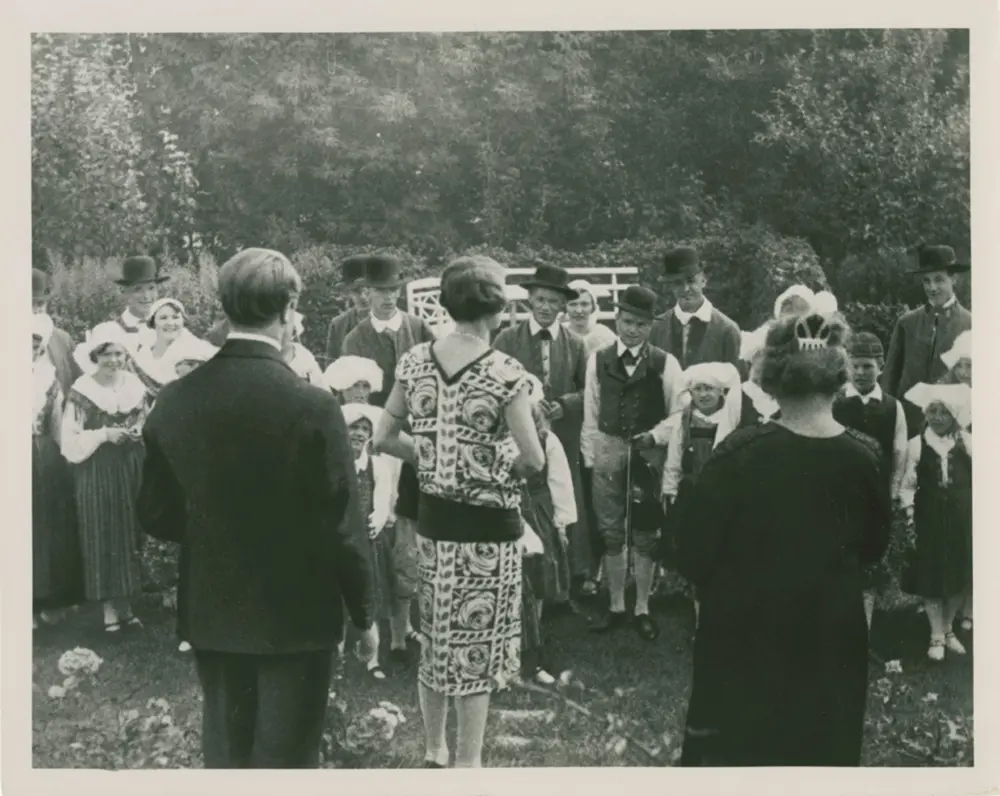
The pacing of Miljonär för en dag is undoubtedly a product of its time. It’s a slow burn, meticulously building its narrative brick by brick, rather than rushing to its conclusion. This deliberate speed allows for character moments to breathe, but it also demands patience from the audience. Modern viewers accustomed to quicker cuts and constant narrative propulsion might find themselves restless.
The film’s tone oscillates between genuine drama and moments that lean heavily into melodrama. The gravity of the will’s revelation is handled with appropriate solemnity, but the subsequent reactions of the beneficiaries, or lack thereof, can sometimes feel over-the-top or, conversely, strangely muted. There's a delicate balance that early cinema often struggled to maintain, and Miljonär för en dag is no exception. It works. But it’s flawed.
One surprising observation is how the film, despite its dramatic premise, maintains an underlying sense of quiet resignation. Instead of explosive confrontations, there's often a subdued tension, a sense that everyone is playing their part in a predetermined drama. This gives the film a unique, almost observational quality that distinguishes it from more overtly theatrical productions of its era, such as Madame Bo-Peep or The High Horse.
For those with an appetite for cinematic history, Miljonär för en dag offers genuine rewards. It’s a valuable piece of the puzzle that is early Swedish cinema, showcasing the talents of figures like Adolf Jahr and Edvard Persson in a dramatic context. It provides insight into the storytelling conventions and technical capabilities of its time.
However, for the casual viewer, it will likely feel dated. The slow pacing, the silent film acting conventions (even if it's not strictly a silent film, the influence is clear), and the often-minimalist production design might prove challenging. It requires an investment of patience and an appreciation for what it represents historically, rather than purely as entertainment in a modern sense.
Miljonär för en dag is a film that demands respect for its place in cinematic history, even if it struggles to fully captivate a contemporary audience. It’s a testament to the enduring power of a simple, strong premise and the foundational talents of its creators. Adolf Jahr, both in front of and behind the camera, crafts a narrative that, while occasionally plodding, never entirely loses its grip on the viewer's curiosity. Edvard Persson's presence, though perhaps not in a starring comedic role, adds an undeniable layer of intrigue and authenticity.
Ultimately, this isn't a film for everyone. It's a niche experience, a quiet drama that asks you to slow down, to appreciate the subtleties of an earlier age of storytelling. If you approach it with an open mind and an appreciation for the origins of cinema, you'll find a rewarding, if somewhat challenging, journey into a bygone era. It’s a historical document as much as it is a piece of entertainment, and its value lies precisely in that duality. It’s worth a watch, but be prepared to adjust your expectations to its rhythm.
IMDb 6.1
1919
Community
Log in to comment.