DbcultAccessing Vault...
Cult Review
Senior Film Conservator
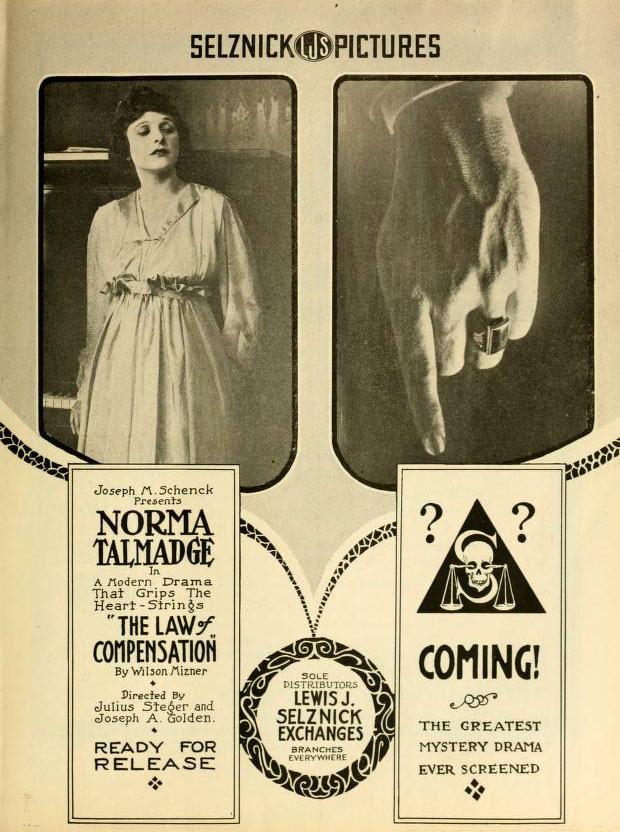
A ledger drenched in river-water and gasoline: that is the aftertaste of The Law of Compensation, a 1917 five-reeler that treats morality like a pawn ticket—transferable, time-stamped, and always redeemed at a loss.
Lorna Volare, ice-veined Manhattan diva, glides through the first act as though pain were a servant who forgot to bow. Her automobile, a lacquered beast of brass and arrogance, clips a paperboy on Fifth Avenue; the camera lingers on his spilled broadsheets flapping like wounded gulls. From this single mis-calculation, Mizner and Riley weave a cat’s-cradle of debts that tighten around every strata of a city busy monetizing breath itself. Volare’s restitution checks sprout legs, sprint through slums, and return multiplied, demanding interest payable in flesh.
Frank Dawson, usually typecast as stalwart lover, here embodies industrial fatigue: his foreman loses an arm to a drop-forge the same hour Volare’s chauffeur tosses a coin to the bleeding boy. The edit—collision smash-cut to iron severing bone—remains avant-garde even by 2020s standards; causality becomes a meat-grinder without safety guards.
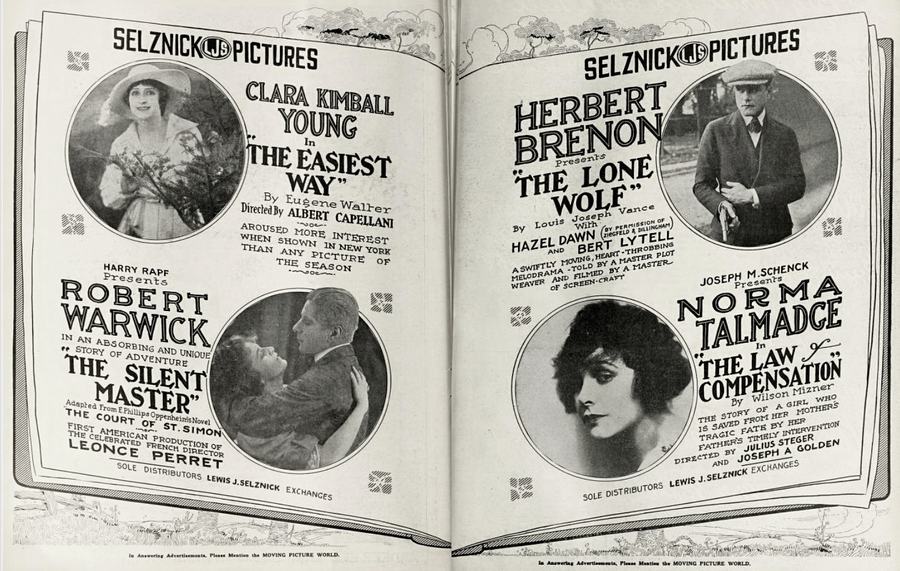
Norma Talmadge, top-billed yet used like a scalpel rather than a marquee, plays the stenographer Mary Hall whose fiancé dies because the hospital’s only surgeon (Burkhardt) is busy injecting mercury into his own veins. Talmadge’s face—luminous, angular—registers every micro-shock as she learns that grief, too, carries surtax. She will spend the film trading one grief for another, until her final close-up: eyes reflecting the river that swallowed her benefactress, a silent admission that forgiveness is simply debt renamed.
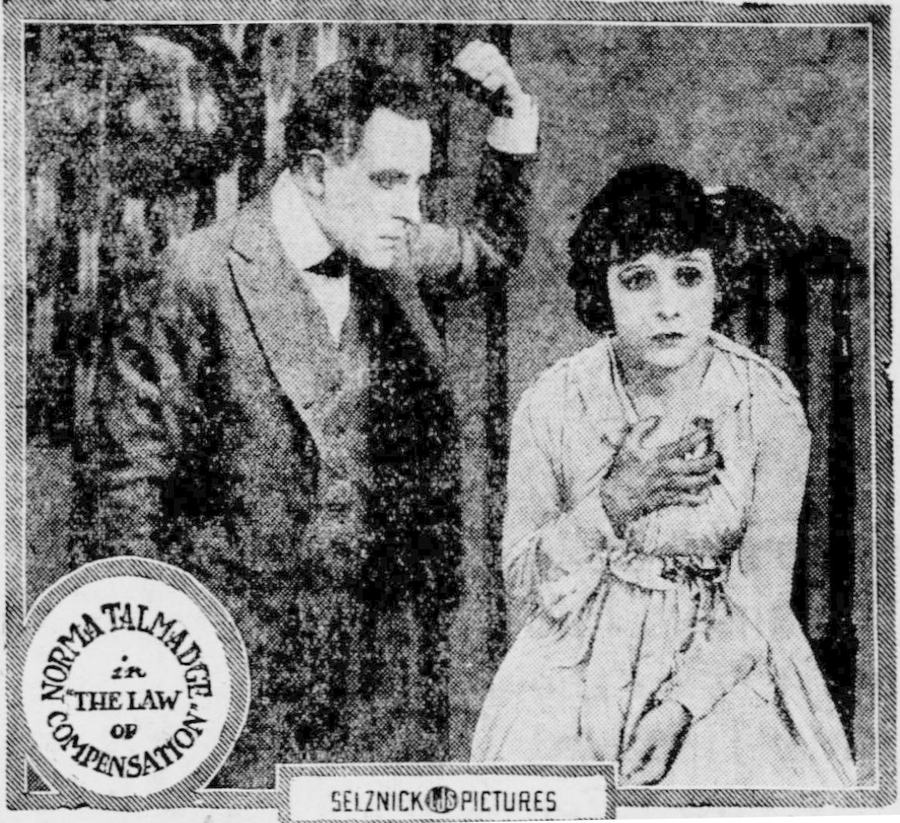
Most prints survive with hand-applied dyes whose logic feels alchemical rather than decorative. Tenement interiors bask in septic amber, as if poverty itself were a darkroom developing human negatives. The charity ball—where Volare attempts wholesale absolution—flares hellish carmine; gowns bleed into wallpaper, faces become copper coins slipping through slotted donation boxes. When the film shifts to cobalt for the pawn-shop sequence, the color functions like a notary stamp: every promise hereafter is forged, every signature counterfeit.
Volare’s acting palette runs from porcelain ennui to raw-knuckled terror without the usual melodramatic semaphore. Watch her hands: they start the picture gloved in French kid, end stripped to chafed skin, nails broken from clawing river ice. The extremities tell the balance sheet more truthfully than any intertitle. Dawson, meanwhile, weaponizes stillness; his one-armed foreman smokes in silence, exhaling guilt he never chose to inhale. The cigarette tip glows like a miniature furnace where futures are melted down and recast as shackles.
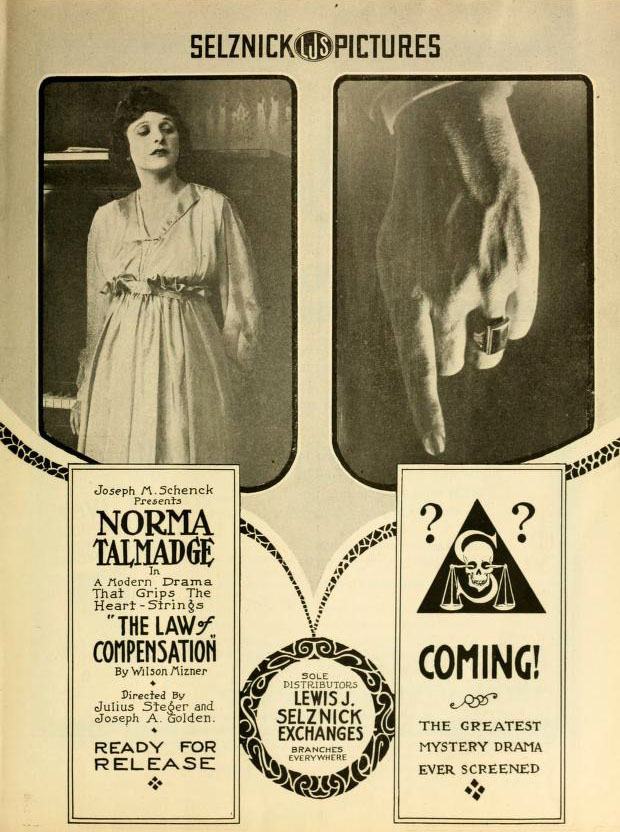
Mizner’s epigrams—delivered via intertitle—snap like broker’s chalk on slate: "Compassion is the check the wealthy write after the bank has closed." Riley counterweights with domestic details so precise they feel stolen from actual police ledgers: the pawn ticket number 88421 recurs like a prison chant; the boy’s shoes, split at the toe, are patched with newsprint announcing Volare’s engagement. The screenplay understands that in capitalism every emotion is fungible; even remorse can be short-sold.
Stack this against The Other’s Sins—another 1917 morality piece—and you see how Compensation refuses spiritual anesthesia. Where Sins offers redemption via prayer, Compensation insists redemption is merely debt consolidation. Pair it with Severo Torelli and the contrast sharpens: Torelli’s operatic lighting romanticizes suffering; Compensation’s arsenic-green makes suffering look like spoiled currency, something you scrape off your shoe.
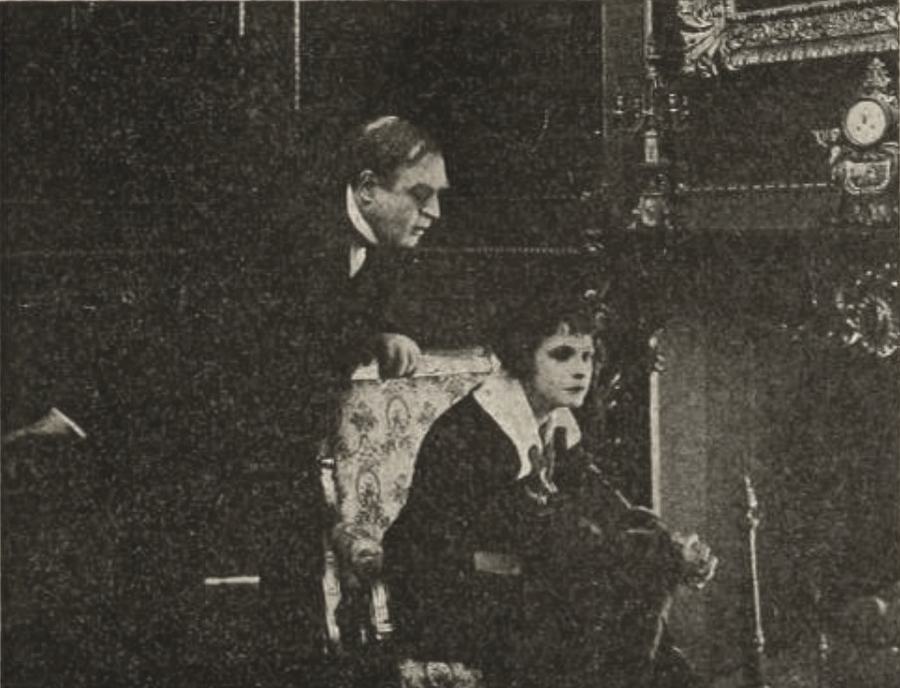
Trace its DNA and you hit Three Weeks in the loins—both pivot on aristocrats bartering flesh for absolution—yet Compensation excises the erotic perfume, replacing it with acrid sweat. Jump forward to Warning! The S.O.S. Call of Humanity and you’ll spot the same structural spiral: each altruistic gesture multiplies harm, proving the screenplay’s thesis that benevolence without redistribution is just vanity laundering.
Trade papers of 1917 split along class fault lines. Moving Picture World praised its "moral strenuousness" while Variety snarled that it "dresses predation in reformer's lace." Regional censor boards excised the cocaine sequence, resulting in a truncated morality tale that played like a banker’s alibi. Meanwhile, factory owners in Paterson, New Jersey, sponsored free matinees for workers—an irony the film itself would have savaged—proving that even critique can be commodified when the house lights brighten.
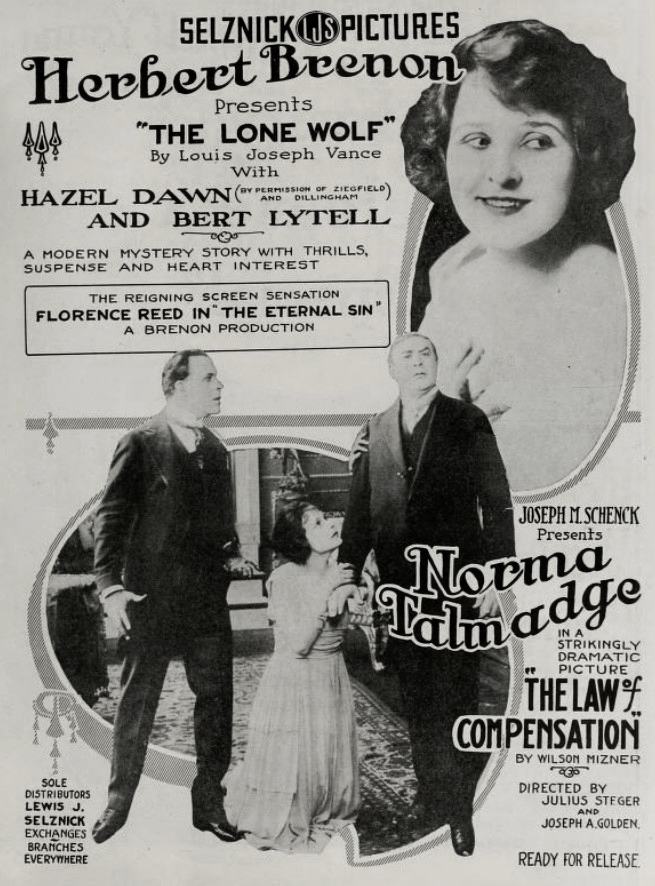
The 4K restoration on Kino’s Blu-ray (region-free) preserves the original tinting schema; the commentary by Dr. Shelley Stamp excavates production memos showing Volare negotiated a percentage of the negative cost in lieu of salary—life imitating ledger. Archive.org hosts an unrestored 35-minute abridgement missing the river finale; watch it only as an autopsy, not an encounter.
Nearly eleven decades on, The Law of Compensation feels less like a period curio than a recurring nightmare minted fresh each market crash. Its central horror—that restitution merely redistributes loss—remains newsprint-wet. You leave the screening checking your own moral balance, half expecting to find someone else’s blood on your ledger, interest compounding under the hush of projector flicker.
Verdict: 9/10 — Required viewing for anyone who still believes guilt can be paid off in a single installment.
IMDb 3
1928
Community
Log in to comment.