DbcultAccessing Vault...
Cult Review
Senior Film Conservator
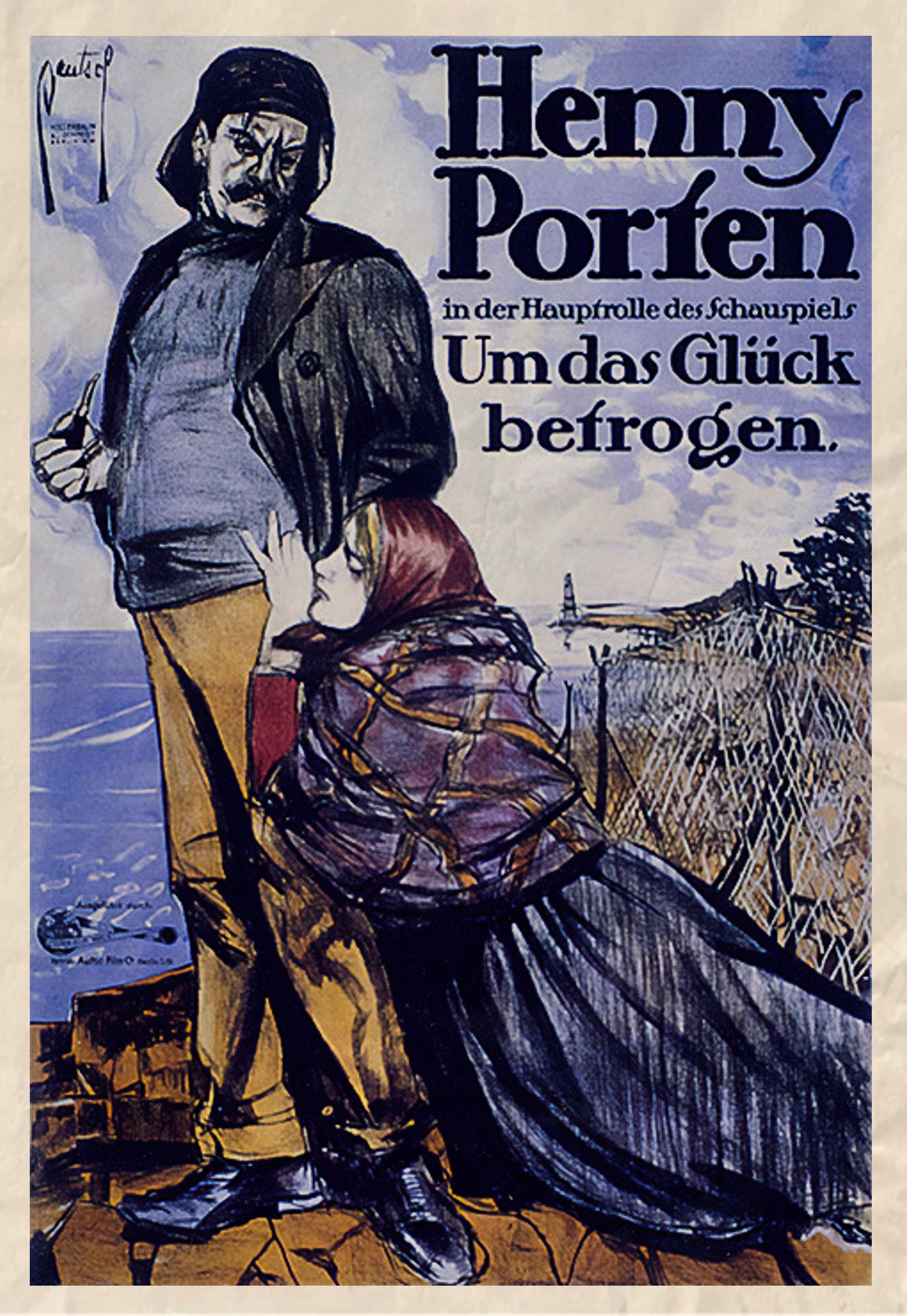
The year 1914 stands as a monumental threshold in the evolution of the moving image, a period where the primitive flickers of early cinema began to solidify into the sophisticated visual grammar of the feature-length drama. The Broken Promise, directed with a keen eye for atmospheric tension and social critique, serves as a quintessential artifact of this era. It is not merely a story of unrequited love or maritime adventure; it is a brutalist examination of the socio-economic pressures that govern human behavior, anchored by a performance from Henny Porten that resonates with a haunting, modern intensity.
From its opening frames, the film establishes a world defined by the elements. The village is not a pastoral idyll but a site of constant struggle against both the sea and the stifling expectations of the community. Unlike the heightened melodrama found in The Perils of Pauline, which relied on episodic spectacle, The Broken Promise opts for a slow-burn psychological realism. The cinematography captures the rugged cliffs and the churning surf with a sense of foreboding that mirrors the internal turmoil of its protagonist, Inge.
Inge’s position as an orphan-turned-laborer is depicted with a lack of sentimentality that is refreshing for its time. She is 'treated as one of the family,' a phrase that the film gradually reveals to be a euphemism for a lack of agency. When Jan, the fisherman’s son, falls for her, it is presented not as a fairy-tale romance but as a transgression against the household's precarious stability. The visual language here is subtle; the way the mother’s gaze lingers on the distance between Jan and Inge suggests a domestic panopticon where love is a luxury the poor cannot afford.
Jan’s descent into the world of smuggling is a fascinating narrative pivot. It reflects a common theme in early 20th-century cinema—the desperate male attempting to circumvent the slow grind of labor through illicit means. We see similar explorations of the working class's plight in Germinal; or, The Toll of Labor, but here the stakes are more intimate. Jan isn't fighting a mining conglomerate; he is fighting a mortgage. The 'magistrate' represents an invisible, bureaucratic evil that threatens to render his family homeless.
The sequence involving the motorboat and the revenue men is a masterclass in early action editing. There is a visceral thrill in seeing Inge join the crew—a move that subverts the traditional damsel role. She is not a passive observer; she is the architect of their escape. Her signaling of the smugglers from the water is a moment of profound empowerment, yet it is laced with irony. By saving Jan, she is inadvertently cementing her own doom, as his newfound 'success' only makes him a more attractive pawn for his father’s matrimonial schemes.
The middle act of the film shifts from the high seas to the claustrophobic interiors of the magistrate’s house and the aunt’s humble refuge. The revelation of the magistrate’s daughter as Jan’s intended bride transforms the film into a sharp critique of the legal system. Justice, in this village, is a commodity exchanged for land and lineage. The magistrate is not a figure of law but a figure of leverage. This thematic weight reminds one of The Scales of Justice, though The Broken Promise feels far more cynical regarding the possibility of a fair outcome.
The scene where Jan’s mother turns the pregnant Inge out of the house is filmed with a chilling economy. There are no histrionics, only the cold reality of a woman protecting her son’s social mobility at the cost of another woman’s life. Jan’s subsequent refusal to acknowledge the child is the ultimate 'broken promise.' It is a moment of moral cowardice that strips away any remaining sympathy for the male lead, setting the stage for the film’s increasingly dark trajectory. Unlike the softer redemptions found in Abraham Lincoln's Clemency, there is no paternal figure to offer a reprieve here.
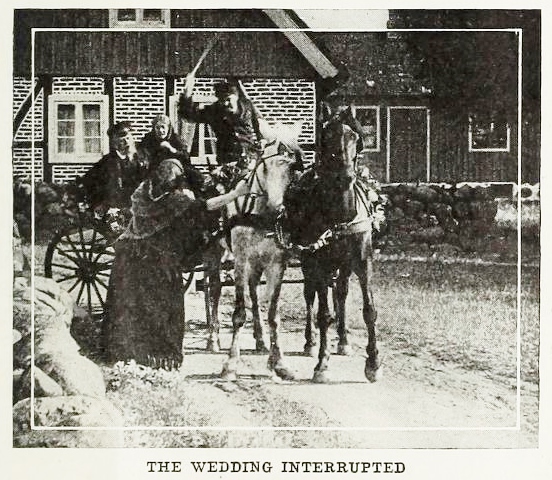
The climax begins with a sequence of shocking violence. As Jan drives his family to the wedding, Inge—desperate and destitute—makes one last plea. Jan’s response, striking her with his whip, is a motif of class-based violence that reverberates through the history of cinema. It is the moment where the 'lover' fully transitions into the 'oppressor.' This act of cruelty is what finally breaks Inge’s spirit, driving her to the revenue inspectors.
Her choice to reveal the smugglers' cave is a complex psychological beat. It is not just about revenge; it is an attempt to dismantle the system that has discarded her. However, the film brilliantly captures her immediate regret—a hallmark of the 'Porten style' of acting, where the face becomes a landscape of conflicting emotions. The race to warn Jan before the revenue men arrive creates a dual tension: the suspense of the chase and the dread of the inevitable confrontation.
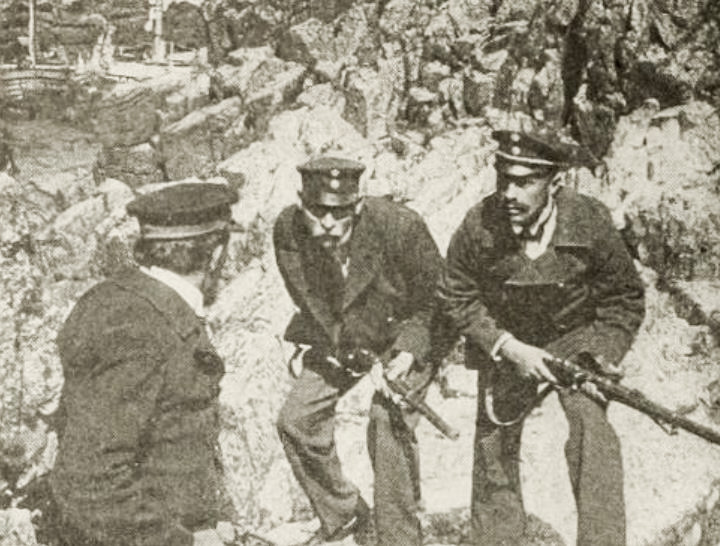
The ending of The Broken Promise is one of the most haunting finales in silent cinema. The escape on the sailboat, the pursuit by the revenue cutter, and the eventual shooting of Jan are staged with a grim inevitability. When the boat capsizes, the image of the two lovers—betrayer and betrayed—drowning in each other's arms is a powerful subversion of the romantic embrace. It is a 'Liebestod' (Love-Death) that suggests that in a world this broken, peace can only be found in the depths of the ocean.
This conclusion places the film in conversation with other tragic maritime works like Stormfågeln, yet it carries a more nihilistic weight. There is no moral lesson offered, no silver lining. The sea, which initially offered a way out through smuggling, ultimately becomes a tomb. The film suggests that the 'promise' was not just Jan’s to Inge, but the promise of the social contract itself, which has failed every character on screen.
Technically, the film is a marvel for 1914. The use of natural lighting in the exterior shots and the detailed production design of the fisherman’s cottage provide a grounded sense of place. Walter Turszinsky’s writing avoids the pitfalls of overly theatrical dialogue (represented via intertitles), opting instead for a narrative structure that prioritizes action and visual storytelling. The pacing is deliberate, allowing the audience to feel the weight of the characters' decisions.
In the broader context of 1914 cinema, which saw the release of films as varied as The Great Diamond Robbery and Life of the Jews of Palestine, The Broken Promise stands out for its psychological depth. It lacks the pantomime quality of Pierrot the Prodigal, favoring a gritty realism that would later become a staple of German Expressionism and, eventually, Film Noir.
Ultimately, The Broken Promise is a testament to the power of early cinema to tackle complex social issues. It doesn't shy away from the ugliness of human nature or the unfairness of the world. Henny Porten’s Inge is a character for the ages—a woman who is both victim and perpetrator, savior and destroyer. While other films of the era like The Price of Vanity or The Eagle's Mate offered more traditional moral frameworks, this film dares to end in the dark, cold water, leaving the audience to grapple with the wreckage of a life destroyed by a series of broken promises.
A definitive viewing for any serious student of film history, this work remains as potent today as it was over a century ago. Its exploration of the intersection between love and capital is timeless, and its visual execution remains a high-water mark for the silent era.
IMDb —
1921
Community
Log in to comment.