DbcultAccessing Vault...
Cult Review
Senior Film Conservator
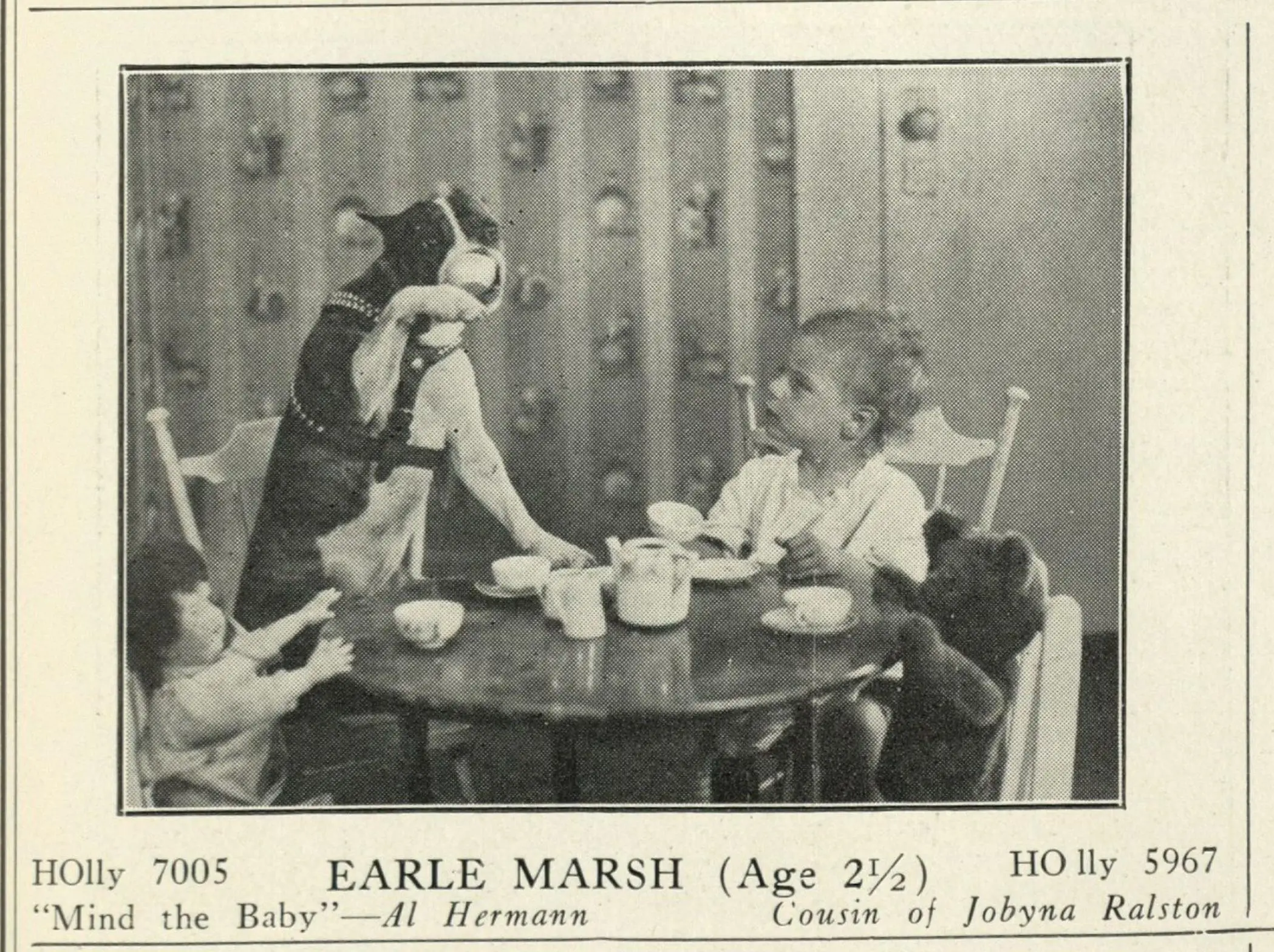
In the pantheon of early 20th-century cinema, few motifs resonate with as much primal intensity as the 'child in peril' trope, yet Mind the Baby elevates this convention into a gripping exploration of socio-economic desperation and canine nobility. Directed with a keen eye for suspense by Albert Herman and penned by the versatile Pinto Colvig, the film serves as a fascinating precursor to the high-stakes animal adventures that would later dominate the silver screen. Unlike the more surreal undertones of The Sons of Satan, this production grounds its stakes in the tangible, albeit heightened, reality of a foundling’s lost heritage.
Ernest Shields delivers a performance of chilling efficacy as Al, the antagonist whose motivations are fueled by a corrosive cupidity. Shields avoids the pitfalls of cartoonish villainy, opting instead for a calculated, predatory stillness that makes his pursuit of the infant all the more unsettling. His discovery of the child’s true identity—a narrative pivot involving a substantial inheritance—mirrors the thematic concerns of sudden wealth found in The Phantom Fortune. Al represents the encroaching cynicism of the urban world, a force that seeks to commodify innocence for personal gain, creating a stark contrast with the pastoral, albeit dangerous, setting of the film’s second act.
While the human cast provides the necessary dramatic framework, the true soul of the film resides in Pal the Dog. Long before the industry standardized the 'Wonder Dog' archetype, Pal was demonstrating a range of physical capability and emotive clarity that remains impressive nearly a century later. His role here is not merely that of a companion but that of a guardian spirit. When the child wanders away, Pal’s pursuit is filmed with a kinetic energy that rivals the maritime tension of His Briny Romance. The dog becomes the bridge between the human world and the untamed wilderness, a sentinel of morality in a landscape where human ethics have been compromised by greed.
The centerpiece of 'Mind the Baby' is undoubtedly the alligator farm sequence. In an era before sophisticated animatronics or digital trickery, the presence of live reptiles on screen lent a visceral authenticity to the proceedings. The cinematography captures the slow, prehistoric movements of the alligators with a dread that feels almost documentary-like. This sequence serves as a primordial crucible, stripping away the complexities of the inheritance plot and reducing the narrative to a singular, atavistic struggle for survival. The juxtaposition of the soft, vulnerable child against the hard, scaly textures of the predators creates a visual dissonance that is as effective today as it was during its initial release. One might find echoes of this environmental peril in The Catspaw, though Herman’s direction here leans more heavily into the suspense of the natural world.
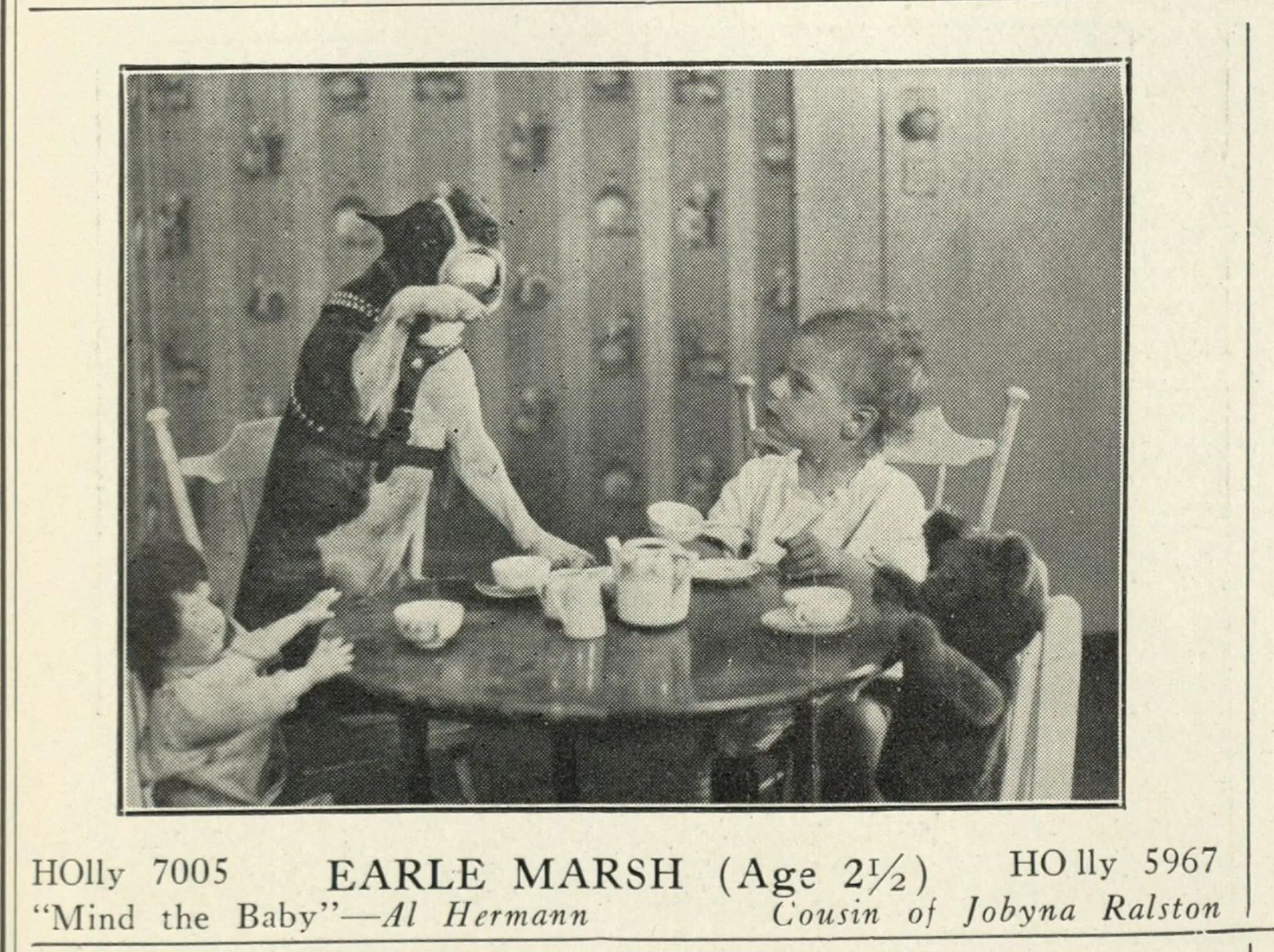
The collaboration between Pinto Colvig and Albert Herman yields a script that is surprisingly lean and focused. Colvig, who would later achieve immortality as the voice of various Disney characters, showcases an early knack for situational irony and emotional resonance. The pacing is deliberate, allowing the dread to germinate before the explosive climax. The film avoids the narrative bloat often found in contemporary features like What Happened to Jones, focusing instead on a tight, three-act structure that maximizes the impact of its central conflict. Herman’s direction ensures that every frame contributes to the overarching sense of mounting stakes, utilizing shadows and wide shots of the alligator farm to emphasize the child’s isolation.
Central to the film’s emotional gravity is the foster-mother, a character who embodies the virtues of altruism and unconditional love. Her role serves as the narrative’s moral anchor, providing a counterweight to Al’s malevolence. The eventual reward she receives is not merely a plot convenience but a symbolic restoration of balance. In many ways, her struggle to protect the child mirrors the themes of maternal sacrifice seen in The Humming Bird or the melancholic undertones of Az utolsó éjszaka. Her poverty is contrasted with the 'substantial reward' she earns through her kindness, reinforcing the film’s message that true worth is found in character rather than lineage.
'Mind the Baby' remains a significant artifact of silent cinema, not only for its technical execution but for its ability to weave disparate genres—melodrama, thriller, and animal adventure—into a cohesive whole. It captures a specific moment in film history where the boundaries of what could be depicted on screen were being pushed, particularly regarding animal stunts and child safety. While it may lack the occult mysticism of The Devil-Stone, it compensates with a raw, earnest energy. The film stands as a testament to the enduring power of simple stories told with conviction. Whether viewed as a showcase for Pal the Dog’s burgeoning stardom or as a critique of the avarice that can infect the human spirit, it remains a compelling piece of work that demands recognition beyond its status as a historical curiosity.
When examining the broader landscape of the era, 'Mind the Baby' occupies a unique niche. It possesses more heart than the satirical Squabs and Squabbles and offers a more visceral thrill than the domestic dramas of Nineteen and Phyllis. Even compared to the circus-themed peril of Sawdust, the alligator farm sequence in this film feels more immediate and dangerous. It avoids the religious sentimentality of The Holy City, opting instead for a secular redemption found through the bond between animal and child. Even the haunting atmosphere of Le revenant au baiser mortel cannot match the grounded, heart-pounding reality of Pal’s fight for the foundling’s life. Ultimately, 'Mind the Baby' is a triumph of early genre filmmaking, a story that asks Who Loved Him Best? and answers with the unwavering loyalty of a dog and the selfless care of a foster mother, proving that even in the face of saurian monsters and human villains, goodness—and a bit of luck—can prevail.
IMDb 8.2
1924
Community
Log in to comment.