DbcultAccessing Vault...
Cult Review
Senior Film Conservator
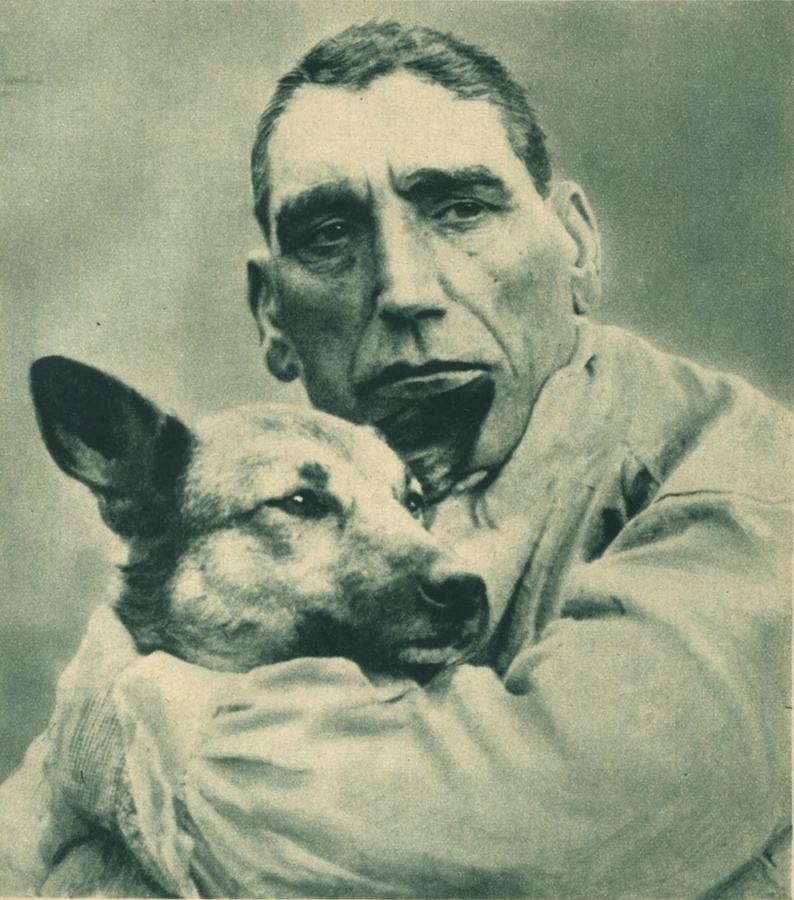
Stepping back into the nascent years of cinema, one encounters a rare gem in La Nouvelle Aurore (The New Dawn), a film that, despite the passage of time, pulsates with a vibrant energy and a profound socio-political consciousness. Penned by the legendary Gaston Leroux, whose narrative prowess needs no introduction, this picture transcends mere entertainment, offering a searing commentary on power, corruption, and the indomitable human spirit. It’s a testament to the era’s storytelling ambition, marrying intricate plotlines with emotionally resonant character arcs, all delivered through the eloquent silence of early French filmmaking.
Leroux, with his characteristic flair for the dramatic and the enigmatic, crafts a narrative that plunges us headfirst into the moral morass of early 20th-century Paris. The film introduces us to Cécile Dubois, portrayed with captivating intensity by Christiane Vernon, a journalist whose youthful idealism is matched only by her relentless pursuit of justice. Cécile's investigation begins innocuously enough, with the disappearance of several public figures and the curious financial collapse of a local orphanage. These seemingly disparate events, however, soon coalesce into a chilling pattern, revealing the sinister machinations of 'Le Serpent Noir' – a shadowy syndicate that operates with impunity, its tendrils reaching into every echelon of Parisian society. At the heart of this nefarious organization lies Monsieur Armand, a character brought to life with chilling nuance by René Navarre, whose public persona as a benevolent industrialist masks a soul steeped in avarice and ruthlessness. His chief enforcer, Jacques, played by Armand Dutertre, embodies the brutal efficiency of the syndicate, a stark contrast to the burgeoning hope Cécile represents.
As Cécile delves deeper, traversing the stark socio-economic divides of the city, her path converges with Inspector Henri Dubois, a role imbued with a fascinating blend of cynicism and latent integrity by Maurice de Canonge. Initially, Inspector Dubois dismisses Cécile's fervent theories as the fanciful imaginings of an overzealous reporter. Yet, the escalating brutality of Le Serpent Noir, coupled with Cécile's unwavering courage, gradually chips away at his hardened exterior. The plot ingeniously weaves together elements of mystery, social commentary, and high-stakes adventure, reminiscent in its grand scope of films like The Birth of a Nation, albeit without its problematic ideologies, focusing instead on a more universal struggle against oppression. The narrative gains significant emotional weight with the plight of Madame Dubois, the compassionate directress of the imperiled orphanage, whose tragic fate serves as a catalyst, propelling both Cécile and Inspector Dubois into a full-blown confrontation with the syndicate.
The ensemble cast of La Nouvelle Aurore is nothing short of extraordinary, each actor contributing a vital brushstroke to this sprawling canvas. Christiane Vernon as Cécile Dubois delivers a performance of remarkable depth and conviction. Her Cécile is not merely a damsel in distress, but a beacon of intellectual fortitude and moral courage, her expressive eyes conveying volumes of defiance and determination. Vernon's ability to project such intense resolve without uttering a single word is a masterclass in silent film acting, placing her among the era's most compelling female leads, perhaps even echoing the spirited independence seen in films like Little Women in its portrayal of a woman carving her own path.
Maurice de Canonge, as Inspector Henri Dubois, undergoes a compelling transformation. His initial portrayal of a weary, world-weary lawman is nuanced, allowing the audience to witness his gradual reawakening to justice. The subtle shifts in his posture and facial expressions, from detached skepticism to fervent commitment, are expertly handled, providing a powerful emotional anchor for the audience. René Navarre, a titan of early French cinema, is absolutely chilling as Monsieur Armand. He exudes a deceptive charm, a veneer of respectability that makes his underlying malevolence all the more terrifying. His performance is a testament to the power of suggestion in silent film, where a slight smirk or a flicker in the eye can convey unimaginable villainy. Navarre's ability to embody such a formidable antagonist elevates the stakes, making the conflict feel genuinely perilous.
Armand Dutertre's Jacques is a formidable physical presence, a ruthless enforcer whose silent menace is palpable. Guercy, as the grizzled street informant Papa Guercy, provides moments of earthy realism and crucial exposition, his weathered face telling stories of a thousand Parisian nights. Jacqueline Arly, as the enigmatic chanteuse Lysette, adds a layer of allure and mystery, her character embodying the moral ambiguities that often populate Leroux's worlds. Her performance is delicate yet impactful, a whisper of intrigue amidst the clamor of conflict. Even in smaller roles, actors like Frédéric Mariotti, Albert Bras, and Rachel Devirys (as the tragic Madame Dubois) contribute significantly, lending authenticity and emotional weight to the film's rich tapestry. The collective talent on display here rivals the grand spectacles of its time, demonstrating a profound understanding of how to convey complex emotions and intricate motivations without spoken dialogue.
The direction of La Nouvelle Aurore is a masterclass in early cinematic storytelling. The film utilizes its visual language with remarkable sophistication, employing dynamic camera movements and innovative editing techniques that were quite advanced for its period. The sequences involving chases through the Parisian catacombs are particularly thrilling, showcasing a nascent understanding of suspense and spatial tension that would influence countless thrillers to come. The director skillfully juxtaposes the opulent ballrooms of the elite with the squalid tenements of the working class, creating a stark visual commentary on social inequality that is both poignant and powerful. The use of lighting is also noteworthy; shadows are not merely absences of light but active participants in the narrative, obscuring villains and highlighting moments of revelation.
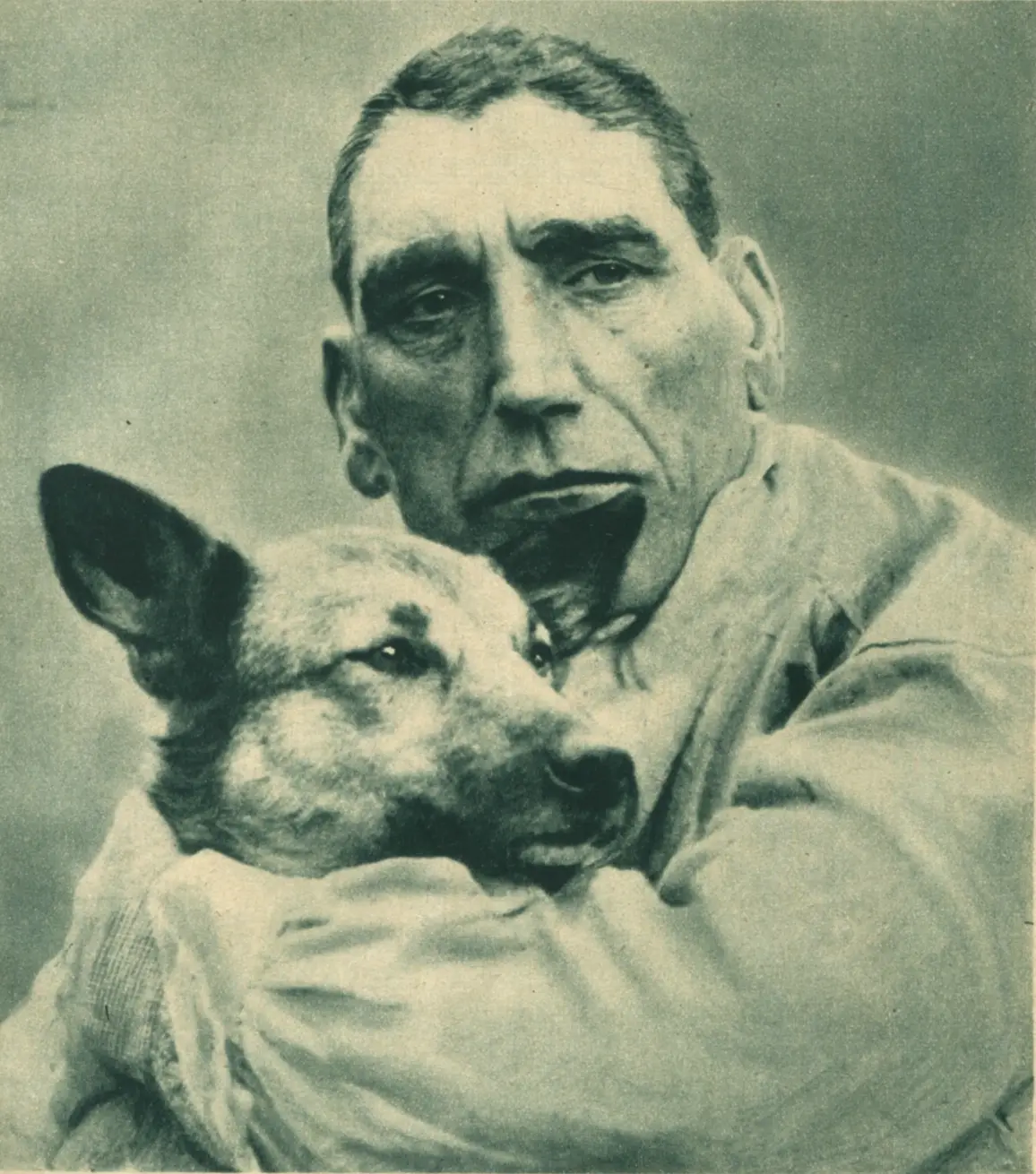
The production design meticulously recreates early 20th-century Paris, from its bustling street scenes to its clandestine meeting places. Every detail, from the costumes to the set dressings, contributes to an immersive experience, transporting the viewer directly into the heart of the story. The film's pacing, while deliberate, never drags, maintaining a steady build of tension that culminates in a truly explosive climax. The intertitles, rather than merely conveying dialogue, often serve as narrative devices, adding poetic flourishes or ironic commentary that enrich the viewing experience. In an era where many films were still finding their footing, La Nouvelle Aurore stands out as a remarkably polished and visually articulate work, demonstrating a clear vision for how cinema could tell complex stories with profound impact. This commitment to visual storytelling can be seen in other ambitious works of the period like Monna Vanna, which also relied heavily on visual grandeur and expressive performances to convey its dramatic weight.
Beyond its thrilling plot, La Nouvelle Aurore resonates with powerful themes that remain relevant today. At its core, it is a battle between light and shadow, justice and corruption, hope and despair. The film champions the cause of the marginalized and the oppressed, highlighting the systemic injustices perpetrated by those in power. Cécile Dubois embodies the spirit of reform and the unwavering belief that truth, no matter how inconvenient, will ultimately prevail. Her journey is a metaphor for the societal struggle towards a more equitable future, truly a 'new dawn' for the common person. The film subtly critiques the hypocrisy of the elite, who present a facade of benevolence while engaging in ruthless exploitation, a theme explored in various forms across cinematic history, sometimes with explicit social critique as in Delo Beilisa, which tackled judicial corruption.
The transformation of Inspector Dubois is another central thematic pillar, exploring the possibility of redemption and the power of moral awakening. His journey from jaded cynicism to active champion of justice underscores the film's optimistic message: that even the most entrenched systems can be challenged and changed through courage and collective action. The film also touches upon the role of the press in uncovering truth, portraying Cécile as a fearless crusader whose pen is mightier than any sword. This depiction of intrepid journalism fighting against powerful forces echoes the spirit of films like Perils of Our Girl Reporters, which celebrated the daring exploits of female journalists.
Leroux's writing ensures that these themes are not merely didactic but are deeply embedded within the characters' motivations and the unfolding drama. The film poses timeless questions about the nature of good and evil, the price of freedom, and the enduring human capacity for resilience. It’s a narrative that speaks to the heart of social conscience, urging viewers to consider their own roles in challenging injustice and striving for a brighter future. The symbolic 'new dawn' isn't just a literal victory over a criminal enterprise; it's a profound statement about the cyclical nature of societal progress and the perpetual need for vigilance against the encroaching shadows of corruption.
La Nouvelle Aurore stands as a significant work in the annals of silent French cinema, a testament to Gaston Leroux's versatility and the burgeoning artistry of the medium. Its blend of mystery, social drama, and thrilling adventure set a high bar for narrative complexity and character development in an era often characterized by simpler narratives. The film's influence can be seen in subsequent thrillers and social commentaries, proving that powerful stories, even without spoken dialogue, possess an enduring capacity to captivate and provoke thought. It reminds us that the foundations of cinematic storytelling were laid by visionary artists who understood the profound potential of visual narrative and expressive performance.
For modern audiences, viewing La Nouvelle Aurore is not merely an exercise in historical appreciation; it is an immersive journey into a meticulously crafted world, driven by universal themes and compelling performances. It challenges preconceptions about silent film, revealing it as a sophisticated art form capable of delivering profound emotional impact and intricate storytelling. The film's enduring power lies in its ability to transcend its historical context, speaking to timeless human struggles and aspirations. It is a vibrant, compelling piece of cinematic history that deserves to be rediscovered and celebrated, not just as a relic of the past, but as a living, breathing work of art that continues to resonate with the promise of a 'new dawn' for humanity.
In an era of rapid technological advancement in film, it's easy to overlook the foundational brilliance of works like this. Yet, La Nouvelle Aurore serves as a powerful reminder that the essence of cinema lies not in its special effects, but in its ability to tell a compelling story, to evoke genuine emotion, and to hold a mirror up to society. It captures a specific moment in history while simultaneously reaching for universal truths, making it a timeless piece that continues to inspire. The dedication of its cast, from the heroic Christiane Vernon to the villainous René Navarre, combined with Leroux's masterful narrative architecture, ensures its place as a cherished artifact of early cinema, a true 'new dawn' in storytelling. Its echoes can even be felt in the dramatic tension and moral gravitas of films like The White Sister, which also explored profound ethical dilemmas and human resilience within a compelling narrative framework. This film, far from being a dusty relic, is a vibrant, thrilling experience that reminds us of the enduring power of silent storytelling.
IMDb —
1925
Community
Log in to comment.