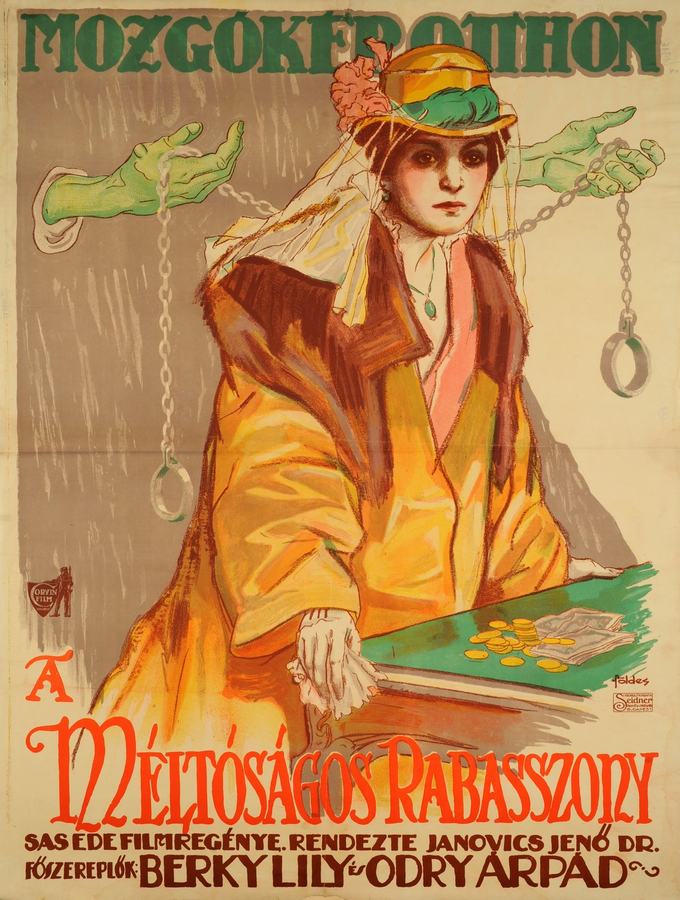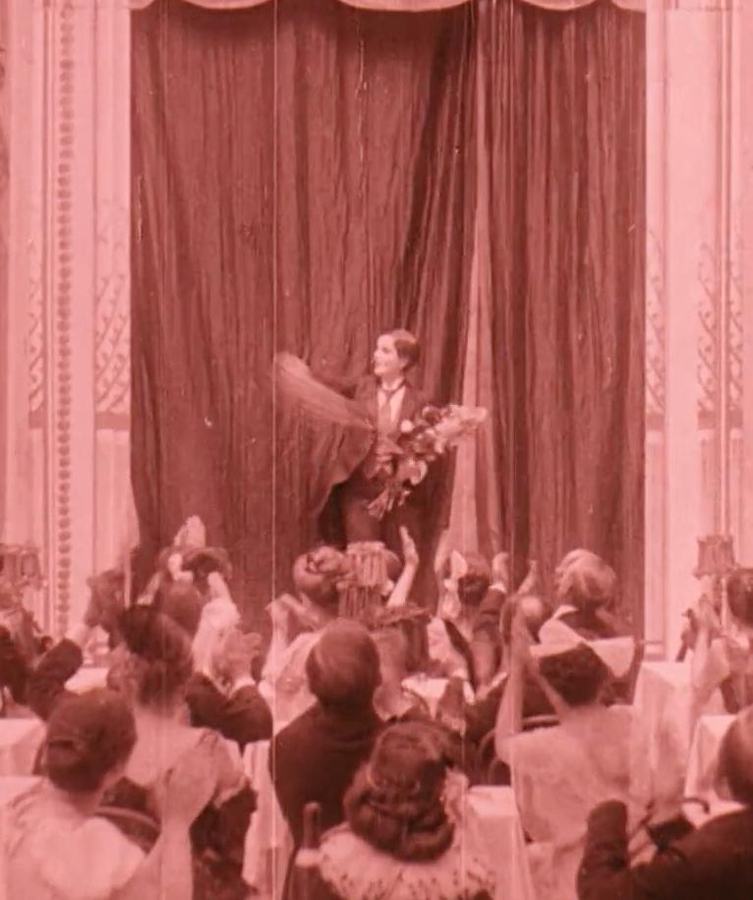
Gitta used to be a famous young primadonna before she married. For the sake of the theater she abandons her husband and son, goes to Russia with an actor, Vándori, to perform in cabaret as a dancer and is very popular with the officers.
Mihály Fekete, Jenö Janovics, Ede Sas
Hungary
There are silences that roar louder than Dolby thunder, and Az utolsó éjszaka wields such silence like a scalpel. Shot in 1922 on nitrate so flammable it could double as frontline ordnance, Mihály Fekete’s film arrived just as Hungary’s film industry staggered from post-Trianon wounds and hyper-inflationary vertigo. ...
Comparing the cinematic DNA and archive impact of two defining moments in cult history.
Jenö Janovics
Jenö Janovics
Community
Log in to comment.
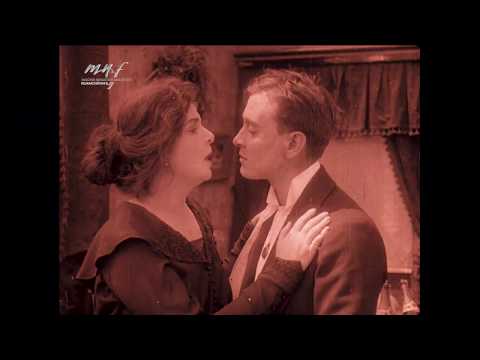
" There are silences that roar louder than Dolby thunder, and Az utolsó éjszaka wields such silence like a scalpel. Shot in 1922 on nitrate so flammable it could double as frontline ordnance, Mihály Fekete’s film arrived just as Hungary’s film industry staggered from post-Trianon wounds and hyper-inflationary vertigo. Studios auctioned off props for bread; cameras were mortgaged to buy coal. Yet out of this chaos blooms a fever dream of erotic damnation that rivals Sjöström’s spectral austerity ..."
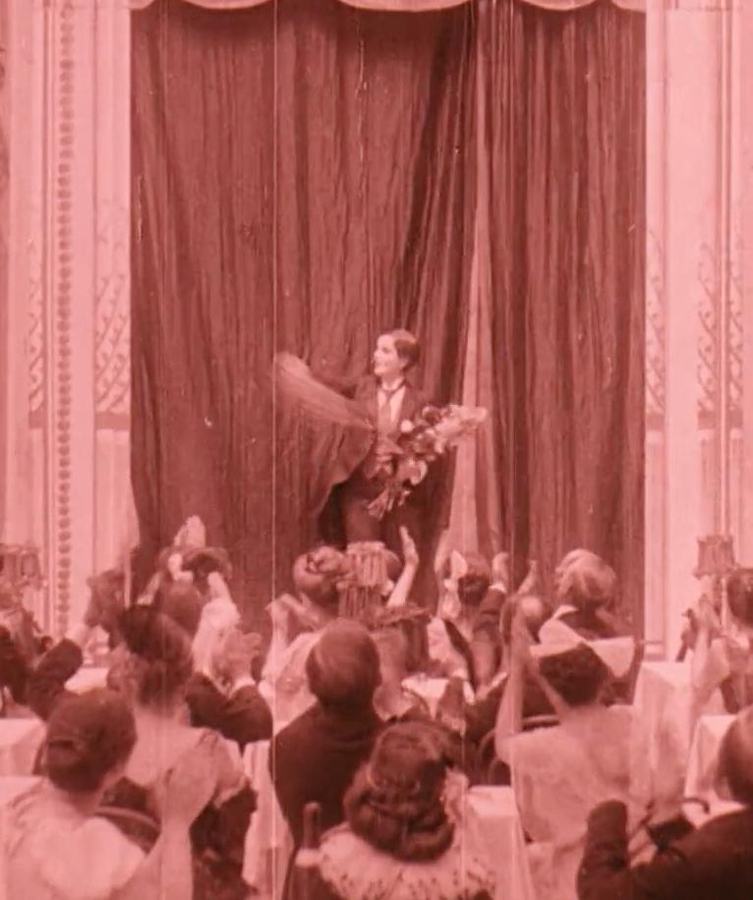
still_frame
Deep dive into the cult classic
Discover similar cinematic experiences
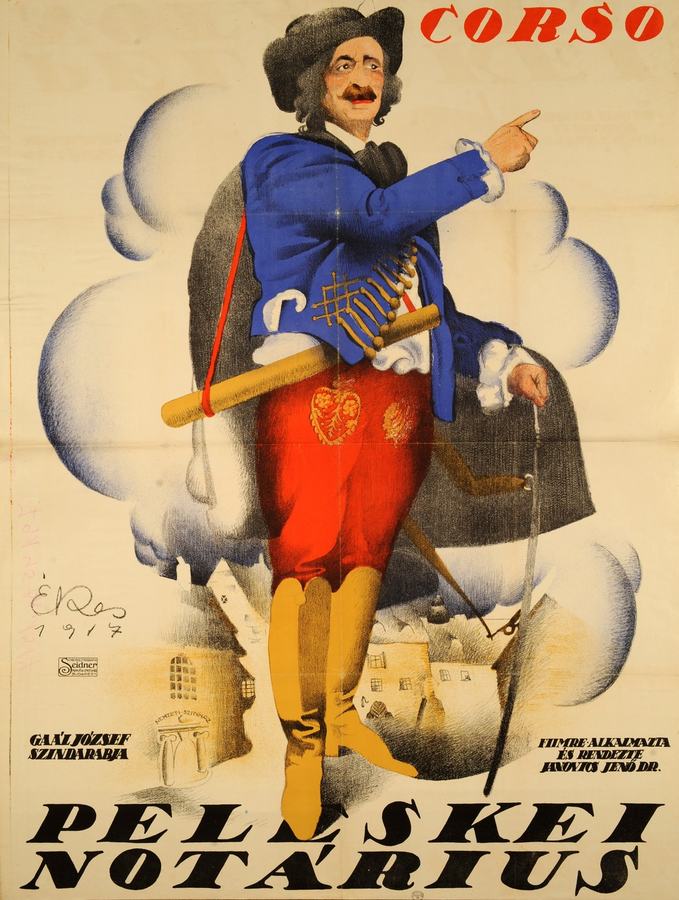
A Directorial Spotlight on Jenö Janovics