DbcultAccessing Vault...
Cult Review
Senior Film Conservator
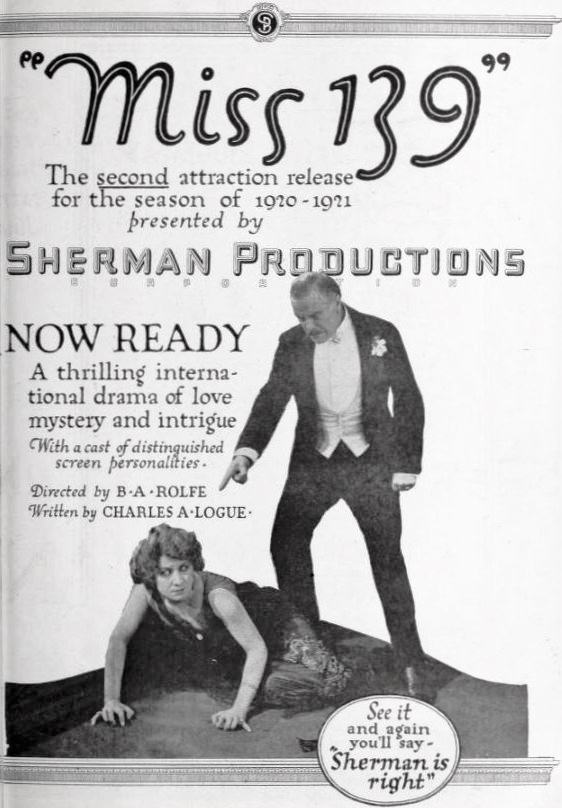
Miss 139 is a film that thrives in the shadows of moral compromise, its narrative as meticulously constructed as the counterfeit currency that fuels its plot. From the outset, Charles Logue establishes a rhythm that is both methodical and urgent, a hallmark of the silent film era’s ability to convey complex emotions without a single line of dialogue. The counterfeit ring, a metaphor for the post-war economic anxieties gripping Europe, is portrayed with cold efficiency, its operations a stark contrast to the volatile emotions simmering beneath the surface of its human players.
The film’s lead, a French gang member whose beauty is matched only by her cunning, is a character study in contradictions. Her negotiations with the US ringleader are fraught with unspoken tension, each meeting a chess game of wit and will. Yet, it is her relationship with the returning soldier—a man torn between duty to his country and an undeniable pull toward her—that forms the film’s emotional core. The soldier’s motivations, though initially shrouded in ambiguity, reveal layers of personal and national trauma, making their romance a collision of two worlds: one defined by survival, the other by redemption.
What elevates Miss 139 beyond a standard crime thriller is its nuanced exploration of power dynamics. The counterfeit ring is not merely a criminal enterprise but a commentary on the dehumanizing effects of industrialization. The machines that produce the fake bills hum with a mechanical indifference, a visual echo of the emotional detachment required of those who profit from deception. This theme resonates deeply in scenes where the gang’s members, including the soldier, grapple with their complicity in a system that prioritizes profit over humanity.
The performances are a masterclass in silent film acting. Tatjana Irrah, as the French gang member, embodies a fierce independence that challenges the passive female archetypes of her time. Her portrayal is a blend of steely resolve and hidden vulnerability, her expressions a language unto themselves. Sally Crute, as the soldier, brings a raw intensity to the role, his physicality conveying the internal conflict of a man battling external enemies and his own desires. The chemistry between the two is electric, their scenes together charged with an unspoken dialogue that transcends the constraints of the medium.
Logue’s direction is marked by a keen attention to detail in both setting and pacing. The film’s use of location is particularly noteworthy; the contrast between the opulent yet decaying French architecture and the stark, utilitarian American factories underscores the cultural divide that shapes the characters’ fates. A standout scene set in a Parisian café, where the gang member meets the ringleader, uses the dim lighting and cramped space to amplify the tension of their negotiation. The shadows play tricks on the characters, mirroring the moral gray areas they inhabit.
The film’s technical achievements are equally impressive. The editing, which alternates between rapid cuts during action sequences and lingering shots during emotional moments, creates a rhythm that mirrors the characters’ psychological states. The use of close-ups, particularly in scenes depicting the counterfeit printing process, emphasizes the precision required for both forgery and deception. These visual motifs—repetition, duplication, and the blurring of authenticity—serve as recurring metaphors for the film’s central themes.
Miss 139’s influence can be traced in later works that grapple with similar themes of identity and betrayal. Films like Gräfin Küchenfee and Virtuous Men echo its exploration of women navigating male-dominated criminal underworlds. However, Miss 139 distinguishes itself through its unflinching portrayal of the personal costs of systemic corruption. Unlike the more romanticized depictions in A Fugitive from Matrimony, this film presents its romance as a collision of two damaged souls, neither of whom can escape the consequences of their choices.
The film’s score, though largely absent due to its silent nature, is evoked through the sound of machinery and the ambient noise of urban environments. These sounds become characters in their own right, underscoring the mechanical coldness of the counterfeit operation against the organic warmth of human connection. In one particularly haunting sequence, the rhythmic clatter of a printing press is juxtaposed with the soft, aching notes of a distant violin, symbolizing the tension between the characters’ professional and personal lives.
The cinematography deserves special mention. The use of chiaroscuro lighting in scenes featuring the gang’s operations creates a stark visual hierarchy, with the characters often caught between light and shadow. This technique not only enhances the mood but also reflects their moral ambiguity. The camera work during the romance subplot is more fluid, with longer takes that allow the audience to linger on the characters’ reactions, a departure from the rigid, industrial framing of the crime sequences.
Miss 139 also challenges the gender norms of its era. The female lead is not a damsel in distress but a strategic player whose agency drives the narrative forward. This subversion of traditional roles is further underscored by the male characters’ vulnerabilities, particularly the soldier, whose heroism is complicated by his attraction to the very person he is tasked with opposing. The film’s refusal to sanitize its characters’ flaws makes it a precursor to later works like The Way of a Woman, which similarly examines women’s autonomy in patriarchal structures.
One of the film’s most compelling aspects is its exploration of the psychological toll of crime. The characters are not merely criminals; they are individuals shaped by economic hardship and personal trauma. The ringleader, played with chilling precision by Gordon Standing, is a figure of tragic grandeur, his charisma masking a deep-seated nihilism. His interactions with the gang member are fraught with a paternal protectiveness that complicates the viewer’s perception of him as a villain. This moral complexity is a hallmark of Logue’s storytelling, elevating the film beyond a simple good vs. evil narrative.
The film’s conclusion, though bittersweet, is thematically consistent. It rejects tidy resolutions in favor of a poignant acknowledgment of the cost of defiance against power structures. The final scene, set against a backdrop of burning counterfeit bills, is a visual metaphor for the futility of trying to counterfeit authenticity. The characters’ fates are sealed not by fate but by their own choices, a testament to the film’s commitment to realism.
In comparing Miss 139 to other works from the silent era, one might draw parallels to Her New York in its portrayal of urban landscapes as both setting and character. However, Miss 139’s transatlantic setting gives it a unique edge, reflecting the post-war anxieties of a fractured Europe and a newly assertive America. The film’s international scope is a strength, as it allows for a nuanced examination of how global economic forces shape individual lives.
The legacy of Miss 139 lies in its fearless examination of moral compromise and its innovative storytelling techniques. It is a film that rewards careful viewing, with layers of meaning uncovered with each rewatch. The interplay between its themes of authenticity and deception, freedom and control, remains strikingly relevant in an age where the boundaries between real and fake continue to blur.
In conclusion, Miss 139 is a masterwork of early cinema that defies easy categorization. Its blend of crime, romance, and social commentary is executed with such finesse that it remains compelling even a century after its release. For those seeking a film that is as intellectually rigorous as it is emotionally resonant, Miss 139 is an essential viewing experience.
IMDb —
1917
Community
Log in to comment.