DbcultAccessing Vault...
Cult Review
Senior Film Conservator
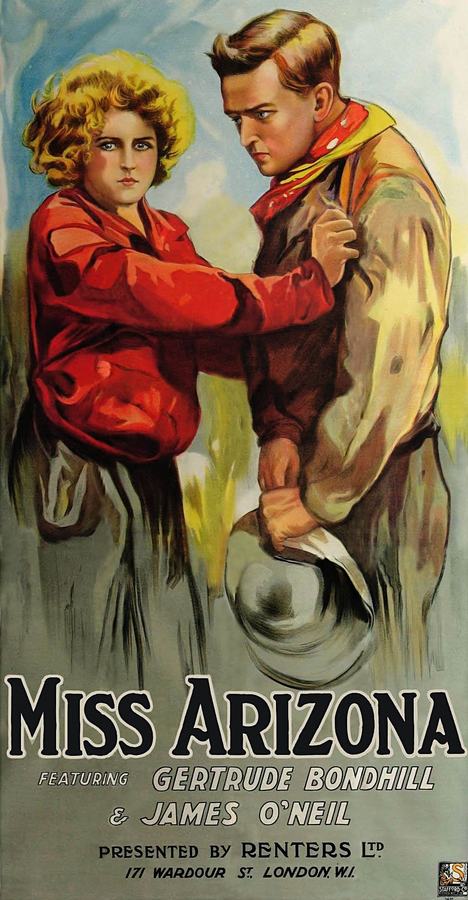
The cinematic landscape of the early 20th century was a fertile ground for narratives of grit, determination, and the stark realities of an evolving nation. Among these, the Western genre carved out a particularly resonant niche, often populated by stoic heroes and damsels in distress. Then came Miss Arizona, a film that, while perhaps not shattering every convention, certainly gave us a protagonist who defied easy categorization and etched herself into the collective consciousness with remarkable tenacity. Gertrude Bondhill, in the role of Farnley, delivers a performance that transcends the typical archetypes of her era, embodying a spirit of raw, unyielding justice that feels both timeless and distinctly modern.
At its heart, Miss Arizona is a tale of profound loss and the subsequent, unshakeable pursuit of retribution. The plot, deceptively simple on the surface, unravels with an almost primal force. Farnley, a young woman described as the 'tomboy of the West,' lives a life interwoven with the rugged beauty and inherent dangers of the frontier. Her existence, while perhaps unconventional for a woman of her time, is grounded by the presence of her father. This paternal anchor is violently ripped away in a moment of senseless brutality, a bar fight at 'The Oasis' that culminates in his death at the hands of Bob Evans. This isn't merely a plot point; it's the catalytic event that transforms Farnley from a spirited individual into an instrument of justice. The film doesn't dwell on the intricacies of legal systems, which were often nascent or non-existent in such frontier settings; instead, it plunges directly into the visceral, personal imperative of an eye for an eye. The immediacy of her grief, coupled with the stark absence of formal recourse, propels her onto a path of singular focus: avenging her father's murder.
George Elliot, the writer, crafts a narrative that, while adhering to certain genre expectations, imbues Farnley with a complexity that elevates the material. She isn't just a reactive character; her journey is one of internal fortitude blossoming into external action. The 'tomboy' label is crucial here, suggesting a pre-existing resilience and comfort in a masculine world, which now serves as her armor and weapon. This pre-conditioning makes her transformation into an avenger not a sudden, unbelievable shift, but a natural, albeit tragic, evolution of her character. The film subtly argues that the frontier itself demands such strength, especially from those who choose to live by its unwritten rules. In this regard, Miss Arizona shares thematic resonance with films like A Woman's Fight, where female protagonists are thrust into circumstances demanding extraordinary courage and self-reliance, challenging the passive roles often assigned to women in early cinema.
Gertrude Bondhill's portrayal of Farnley is nothing short of captivating. She doesn't just play the role; she inhabits it with a fierce authenticity that commands attention. Her performance is a masterclass in conveying depth through subtle gestures, piercing gazes, and a physical presence that speaks volumes without a single word. In an era where histrionics could often overshadow genuine emotion, Bondhill delivers a nuanced performance that grounds Farnley's rage in palpable sorrow and unwavering determination. You feel the weight of her loss, the burning intensity of her purpose, and the sheer, unadulterated will to see justice done. It's a performance that, even today, feels remarkably contemporary in its emotional honesty.
Bondhill’s Farnley isn't a delicate flower seeking protection; she’s a force of nature, untamed and formidable. This portrayal stands in stark contrast to many female characters of the time, often relegated to roles of romantic interest or fragile figures in need of rescue. Bondhill’s Farnley takes agency, grips it firmly, and wields it with lethal precision. Her strength isn't just physical; it's an inner resilience that radiates from the screen, making her a compelling figure for audiences then and now. Her raw power and self-sufficiency echo the independent spirit seen in characters from films like Miss Crusoe, another narrative exploring a woman's journey through challenging circumstances, albeit in a different setting. Bondhill's ability to convey both vulnerability and an iron will is a testament to her talent, solidifying Farnley as one of the most memorable female characters of the early Western genre.
The setting of 'The Oasis' is more than just a backdrop; it's a character in itself, embodying the volatile spirit of the frontier. It's a place where social norms are relaxed, where fleeting pleasures and sudden violence coexist. This particular establishment, a hub for wanderers, prospectors, and outlaws, becomes the initial crucible of Farnley's tragedy. The murder of her father there isn't just a personal affront; it's an act that highlights the precariousness of life in a world where justice is often dispensed by the fastest draw or the most determined hand. Bob Evans, the antagonist, is painted with broad strokes, a villain whose actions are driven by impulse and disregard for human life. While James O'Neill's role isn't explicitly detailed as Evans, the character serves as the embodiment of the lawlessness Farnley must confront. His villainy is not complex; it is the blunt instrument that shatters Farnley's peace and sets her on her inexorable path. This clear delineation of good and evil, while characteristic of the genre, effectively sharpens Farnley's moral compass and makes her quest all the more urgent and righteous.
The film cleverly uses the stark contrasts of the Western landscape – the sprawling, indifferent desert against the claustrophobic, charged atmosphere of the saloon – to amplify the emotional stakes. The open plains represent Farnley's freedom and her solitary resolve, while the enclosed spaces of human interaction become sites of danger and confrontation. This visual storytelling, though perhaps subtle by modern standards, was effective in conveying the mood and tension. It's a fundamental aspect of Western filmmaking, a technique that finds its roots in earlier works like Arizona (1918), which also utilized the vast, untamed beauty of the namesake state to underscore themes of struggle and survival.
While revenge is the driving force, Miss Arizona delves into deeper thematic waters. It explores the very nature of justice in an unpoliced territory. Is justice a societal construct, or is it an inherent human right, one that individuals are compelled to enforce when institutions fail? Farnley’s actions suggest the latter. Her quest is not merely for personal satisfaction; it’s an attempt to restore a moral balance that has been violently disrupted. This speaks to a broader commentary on the formation of law and order, and the transition from individual retribution to a more formalized system of justice, a transition the American West was actively undergoing during the period these films depicted.
Moreover, the film touches upon themes of identity and transformation. Farnley begins as a 'tomboy,' a term that implies a rejection of traditional femininity in favor of more 'masculine' traits like independence and ruggedness. Her father's death, however, forces her into a role that transcends even this. She becomes a symbol of the strength required to survive and thrive in a harsh environment, blurring gender lines further. Her journey is one of self-discovery through adversity, a narrative arc that continues to resonate with audiences who appreciate tales of resilience. This profound personal evolution under duress can be seen as a precursor to the intense character studies found in later films, where the protagonist's internal struggle is as vital as the external conflict. We see echoes of this internal fortitude in films like Life's Whirlpool, where characters are similarly tested by life's unforgiving currents and emerge transformed.
George Elliot's writing for Miss Arizona is understated yet impactful. He understands the core tenets of the Western genre – the stark landscapes, the clear-cut morality, the struggle between civilization and wilderness – and infuses them with a compelling human story. Elliot doesn't overcomplicate the plot, allowing the emotional journey of Farnley to take center stage. This simplicity is, in fact, its strength, allowing the audience to fully invest in her quest without being bogged down by unnecessary subplots. The dialogue, sparse and direct, serves to advance the narrative and reveal character without artifice, mirroring the pragmatic nature of the frontier inhabitants. It’s a testament to Elliot’s skill that he could craft such a memorable and potent narrative with what might seem like conventional elements, demonstrating how effective storytelling can elevate familiar tropes.
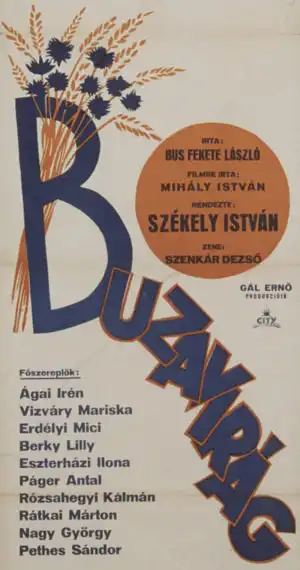
The film's pacing, likely a product of Elliot's script and the director's execution, moves with a deliberate momentum. There are moments of quiet reflection, allowing Farnley’s internal turmoil to register, punctuated by bursts of action that remind us of the ever-present danger she faces. This ebb and flow keeps the audience engaged, building tension towards the inevitable confrontation. The narrative avoids unnecessary detours, maintaining a laser focus on Farnley's objective, which contributes significantly to the film's overall impact and its ability to sustain audience interest throughout. This focused narrative approach can be contrasted with more meandering stories, highlighting the efficiency of Elliot's script. For instance, while a film like Mesék az írógépröl might explore complex, interwoven stories, Miss Arizona thrives on its singular, potent drive.
Miss Arizona, while perhaps not as widely discussed as some of its more famous contemporaries, holds a significant place in the annals of Western cinema. It's a film that, through its strong female lead and unambiguous portrayal of frontier justice, contributed to the evolving mythology of the American West. It proved that stories of vengeance and resilience were not exclusive to male protagonists, paving the way for more diverse portrayals of women in action-oriented roles. The film's influence, while perhaps subtle, can be traced through later Westerns that explored themes of female empowerment and independence.
Its enduring appeal lies in its potent blend of classic Western elements with a compelling character study. Gertrude Bondhill's Farnley remains a beacon of strength and determination, a character who resonates because her motivations are so universally understood: the profound pain of loss and the burning desire for justice. The film serves as a valuable historical document, offering a glimpse into the societal values and cinematic techniques of its time, while simultaneously delivering a narrative that transcends its era. It reminds us that fundamental human emotions and quests for fairness are evergreen. Much like Loyalty (1917), which explored the steadfastness of human spirit, Miss Arizona champions an unwavering commitment to a cause, however perilous.
To watch Miss Arizona today is to engage with a piece of cinematic history that still pulses with vitality. It's a reminder of the power of a well-told story, a captivating performance, and themes that continue to echo through the corridors of human experience. It’s not just a historical curiosity; it’s a vibrant, compelling narrative that stands on its own merits. The film, in its quiet power, teaches us about the resilience of the human spirit and the often-brutal demands of a world without formal order, a lesson that feels surprisingly relevant even in our complex modern age. Its exploration of personal justice versus institutional law is a debate that continues to rage, making Farnley's journey a timeless representation of an individual's fight against overwhelming odds. The emotional core of the film, the raw grief and subsequent quest for balance, ensures its place as a significant, albeit often overlooked, gem in the Western genre.
In conclusion, Miss Arizona is more than just a revenge Western; it is a testament to the enduring power of character-driven narratives. Gertrude Bondhill's Farnley is a character who refuses to be forgotten, her determined gaze and unyielding spirit cutting through the decades. It’s a film that demands to be seen, not just for its historical value, but for its intrinsic storytelling prowess and its enduring message of strength in the face of adversity. This film, with its compelling narrative and powerful lead performance, exemplifies the best of early Western cinema, inviting viewers to ride alongside Farnley as she seeks her rightful, if bloody, recompense.
IMDb —
1924
Community
Log in to comment.