DbcultAccessing Vault...
Cult Review
Senior Film Conservator
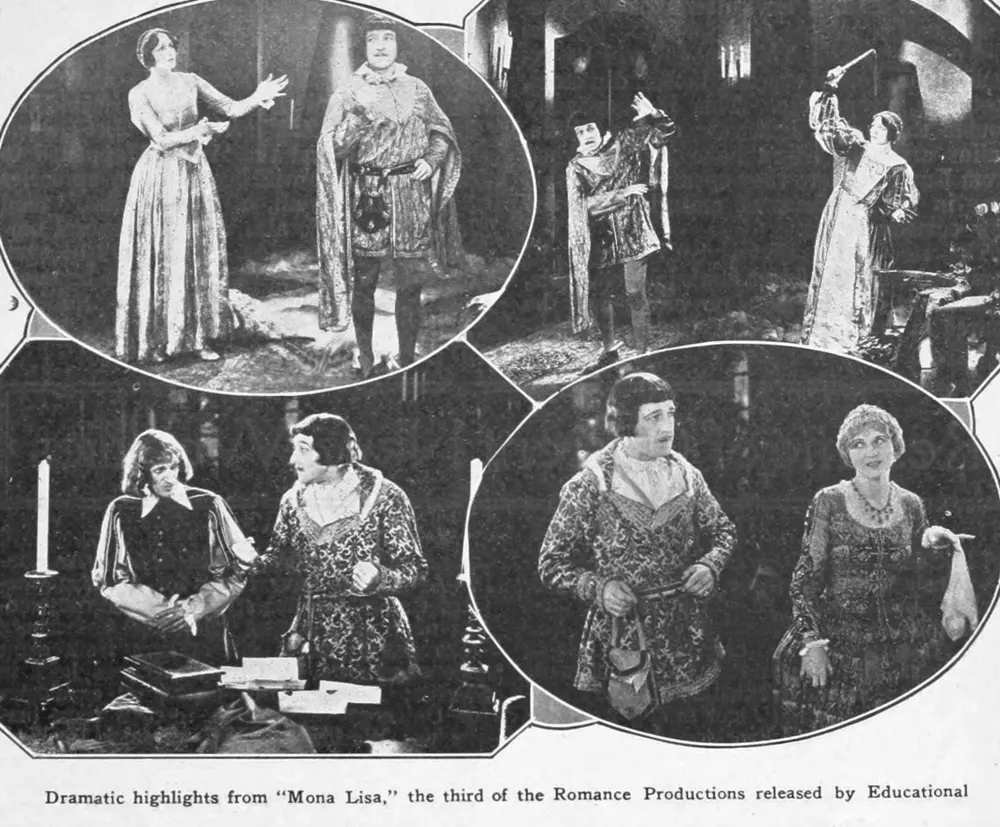
Is 'Mona Lisa' a silent film worth your precious viewing time in the bustling 21st century? Short answer: yes, but with significant caveats. This film is an intriguing, if occasionally ponderous, watch for cinephiles interested in the early evolution of cinematic storytelling and the nuanced portrayal of female agency, but it will likely test the patience of those seeking modern narrative pacing or clear-cut resolutions.
Arthur Maude's 1915 interpretation of the legendary figure attempts to imbue the iconic smile with a backstory steeped in romantic tragedy and quiet subversion. It's a historical curiosity that surprisingly offers a few profound moments, making it a compelling, if demanding, experience for a specific audience.
At its core, 'Mona Lisa' is a melodrama of its time, yet it manages to transcend some of the genre's more overt pitfalls through its central performance and a surprisingly clever meta-narrative conclusion. It is a film that asks us to consider the sacrifices made for love and status, and the quiet power found in ambiguity.
This film works because of its central performance by Esther Rhodes, who imbues Mona with a quiet strength and an almost unnerving sense of control, especially in the final act. It successfully explores themes of societal expectation versus personal desire, culminating in a genuinely thought-provoking ending that elevates it beyond mere period drama. This film fails because its pacing, typical of early silent cinema, can feel excruciatingly slow for contemporary viewers, and some secondary characters lack the depth needed to fully engage. You should watch it if you are a dedicated silent film enthusiast, a student of early cinematic narrative, or someone fascinated by the enduring mystery of the Mona Lisa and wish to see a unique, dramatic interpretation of her story.
Maude, as both director and writer (credited to Arthur Maude), crafts a story that, while reliant on certain theatrical conventions, attempts to explore the psychological underpinnings of its titular character. It's an ambitious effort for its era, seeking to provide a dramatic context for one of history's most famous visages.
The plot, as presented, is a familiar tale of star-crossed lovers thwarted by circumstance. Mona and Piero's initial love is painted with broad strokes, establishing a foundation that is quickly undermined by Piero's dire financial situation. The introduction of a wealthy benefactor, whose assistance comes with the steep price of marrying his daughter, immediately sets up the central conflict. Piero's decision, though painful, is portrayed as a pragmatic necessity, a choice between love and ruin. This moment, while a common trope, effectively illustrates the societal pressures of the time, where financial stability often dictated marital alliances far more than affection.
What follows is a seven-year leap, a narrative device common in early cinema to signify profound change and the passage of regret. Mona, now married to an older, presumably wealthy man, embodies a quiet sorrow. Her conversations with her cousin, filled with philosophical musings on the nature of marriage and love – whether it should be founded on fervent passion or enduring respect – are some of the film's most revealing moments. These exchanges, though delivered through intertitles, provide crucial insight into Mona's internal world, hinting at a woman who has learned to navigate a life of compromise with an astute mind.
The film smartly uses these dialogues to foreshadow Mona's later actions. Her cousin's skepticism about love founded solely on respect inadvertently challenges Mona to demonstrate the power of her intellect over mere emotion. It's a subtle but powerful setup for the climax.
The success of 'Mona Lisa' hinges almost entirely on Esther Rhodes' portrayal of the titular character. In an era before synchronized sound, the burden of conveying complex emotions fell squarely on physical acting and facial expressions. Rhodes rises to this challenge with remarkable subtlety. Her Mona is not a damsel in distress, nor is she a fiery rebel. Instead, she projects a quiet intelligence, a woman who observes, calculates, and ultimately, controls her own narrative, even within the confines of her societal role.
Consider the scene where Piero, after seven years, confesses his regret and proposes elopement. Rhodes' reaction is not one of unrestrained joy or immediate assent. Instead, there's a flicker of something deeper – perhaps satisfaction, perhaps a carefully masked sense of triumph – before she agrees. This nuanced portrayal suggests a character far more complex than the simple heartbroken lover. It feels less like a spontaneous rekindling and more like a long-awaited opportunity for a woman who has been biding her time.
My unconventional observation here is that Mona Lisa's actions, initially appearing as passive resignation, reveal a calculating intellect far ahead of her time. She is not merely reacting to her circumstances; she is actively shaping them, albeit through indirect means. This makes her a surprisingly modern figure for a film of this vintage. Rhodes' ability to convey this through subtle gestures and an expressive gaze is truly commendable.
Arthur Maude's direction is competent, if not groundbreaking, for the period. He understands the visual language of silent cinema, utilizing intertitles effectively to convey dialogue and internal thoughts. The staging of scenes is generally straightforward, focusing on clarity and emotional impact. However, the film's pacing is undoubtedly its biggest hurdle for modern audiences. It works. But it’s flawed.
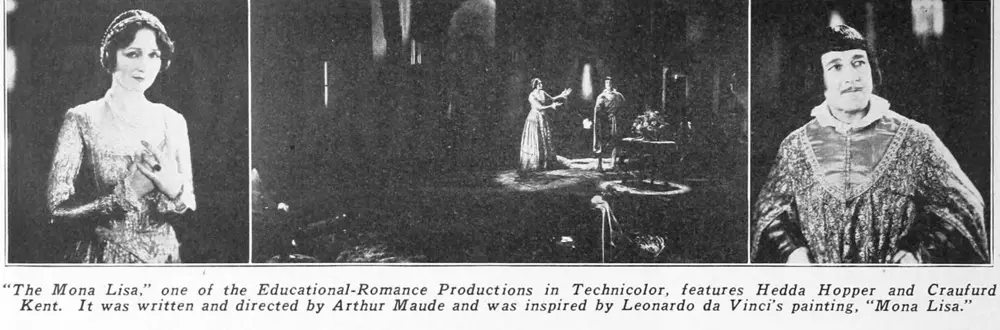
Silent films often employed longer takes and a more deliberate rhythm, allowing audiences to absorb the visual information and read the intertitles without feeling rushed. In 'Mona Lisa,' this deliberate pace can, at times, feel glacial. The extended discussions between Mona and her cousin, while crucial for character development, stretch on, demanding a patience that contemporary viewers rarely possess. This is not necessarily a flaw in the film itself, but rather a characteristic of its era that requires a shift in viewing expectations.
However, Maude demonstrates a flair for building suspense in the climactic midnight rendezvous. The tension leading up to Piero's arrival, the hushed movements of the muffled figure, and the dramatic reveal are handled with a theatrical precision that effectively draws the audience into the unfolding drama. The quick cuts between Piero, the mysterious figure, and the looming confrontation create a palpable sense of anticipation, proving that silent cinema could indeed be thrilling.
The cinematography, while not employing the dynamic camera movements of later eras, effectively establishes the film's tone. The use of natural light and often stark, unfussy sets creates an atmosphere of grounded realism, contrasting with the inherent melodrama of the plot. Interiors are often dimly lit, reflecting the constrained, somewhat melancholic lives of the characters, particularly Mona.
Costumes and set design, though simple, are authentic to the period, grounding the story in a believable historical context. The overall tone is one of quiet melancholy, punctuated by moments of romantic yearning and dramatic tension. There's a persistent sense of regret that permeates the film, lingering in Mona's expressions and Piero's desperate pleas.
The film doesn't shy away from depicting the emotional cost of societal expectations. The visual language, through its framing of isolated figures and somber settings, reinforces this theme, making the characters feel trapped within their circumstances. This visual storytelling, though rudimentary by today's standards, is effective in conveying the film's emotional landscape.
The film's climax is where it truly distinguishes itself. The cousin's overhearing of the elopement plan and her subsequent actions set up a dramatic confrontation. However, the true stroke of genius lies in Mona's ultimate orchestration of the reveal. It is not a simple betrayal, but a calculated move that places Mona firmly in control.
The moment Piero tears off the cloak, expecting Mona but finding her cousin, is a powerful shock. But it's Mona's subsequent appearance and her enigmatic question to Piero – asking whether he believes she planned this for revenge or if her cousin tried to save her from herself – that elevates the film. This question, left unanswered, is brilliant. It forces both Piero and the audience to confront the ambiguity of her motives, cementing her as a figure of profound mystery. It's a bold move, refusing a clear-cut explanation and instead embracing the very enigma that defines her.
The inclusion of Da Vinci at the very end, drawn to Mona's inscrutable expression, serves as a meta-commentary on the entire narrative. His decision to sketch her portrait, knowing that generations will wonder what that smile means, directly links the film's fictionalized backstory to the real-world legend. It's a clever narrative device that retroactively justifies the entire dramatic arc, suggesting that the complexity of Mona's life is precisely what makes her smile so captivating.
For those with a deep appreciation for the foundational years of cinema, 'Mona Lisa' offers a fascinating window into early narrative techniques and character development. It is less suited for casual viewers accustomed to rapid-fire storytelling. Consider it a historical artifact with lingering emotional resonance.
If you enjoy dissecting the nuances of silent film acting and appreciate narratives that prioritize psychological depth over overt action, this film provides real value. It demands patience but rewards the attentive viewer with a unique perspective on a timeless legend. It's not a film for everyone, but for the right audience, it's a surprisingly rich experience.
Ultimately, 'Mona Lisa' is more than just a historical curiosity; it's a testament to the enduring power of a well-crafted narrative, even one constrained by the nascent language of cinema. While it demands a certain level of commitment due to its pacing and silent film conventions, the reward is a compelling character study and a surprisingly sophisticated exploration of human motivation.
Esther Rhodes' performance alone makes this film worth seeking out for those who appreciate the art of silent acting. Her Mona Lisa is not a passive canvas, but an active participant in her own destiny, leaving us to ponder the true meaning of her enigmatic smile long after the credits roll. It may not be a cinematic experience for everyone, but for those willing to lean in and listen to its silent whispers, it offers a profound and memorable encounter with a legend. It stands as a fascinating precursor to later, more technically advanced films exploring complex female characters, such as The Sporting Venus or even Bought and Paid For, albeit with a unique historical twist.
IMDb 6.9
1924
Community
Log in to comment.