DbcultAccessing Vault...
5.5/10
Senior Film Conservator
A definitive 5.5/10 rating for a film that redefined the boundaries of cult cinema. The Giant Killer remains a cornerstone of transgressive art.
Stepping back into the formative years of animated cinema, Walter Lantz's 'The Giant Killer' emerges not merely as a relic of a bygone era, but as a fascinating artifact of storytelling evolution. This 1933 production, starring the foundational characters of Dinky Doodle and his steadfast companion Weakheart, encapsulates a period of dynamic experimentation and burgeoning creativity within the nascent animation industry. Lantz, a titan whose influence would later be cemented by icons like Woody Woodpecker, was already demonstrating a keen understanding of character dynamics and the potent simplicity of classic fables. The film, in its concise runtime, delivers a narrative punch that belies its age, weaving a tale of discovery, peril, and ingenuity with an unvarnished charm that continues to resonate.
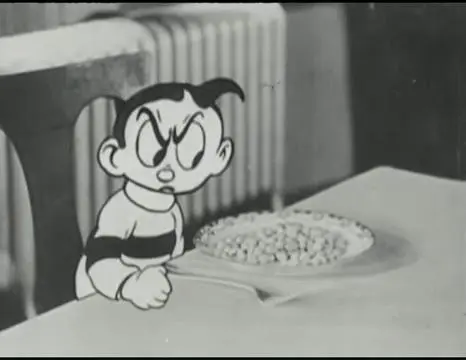
The visual aesthetics of 'The Giant Killer' are a testament to the artistic sensibilities of its time. The animation, while not possessing the fluid, multi-plane sophistication of later Disney masterpieces, is imbued with a raw energy and expressive clarity. Characters like Dinky Doodle, with his diminutive stature and plucky demeanor, and Weakheart, the loyal yet often comically terrified dog, are rendered with a delightful economy of line. Their movements are exaggerated, often rubbery, a hallmark of early cartooning that prioritized comedic effect and dynamic action over strict realism. The golden egg-laying hen, a pivotal MacGuffin, is drawn with an almost mystical aura, her precious cargo glistening with a captivating, almost hypnotic allure. In stark contrast stands the titular ogre, a truly formidable creation. His design emphasizes bulk, clumsiness, and an almost primal hunger, making him a genuinely imposing, albeit somewhat bumbling, antagonist. The use of shadow and simple perspective effectively conveys his colossal size and the threat he poses, a testament to Lantz's directorial prowess in conjuring menace from relatively simple drawings. This foundational visual style, emphasizing clear character archetypes and exaggerated reactions, laid crucial groundwork for the expressive vocabulary of animated storytelling for decades to come.
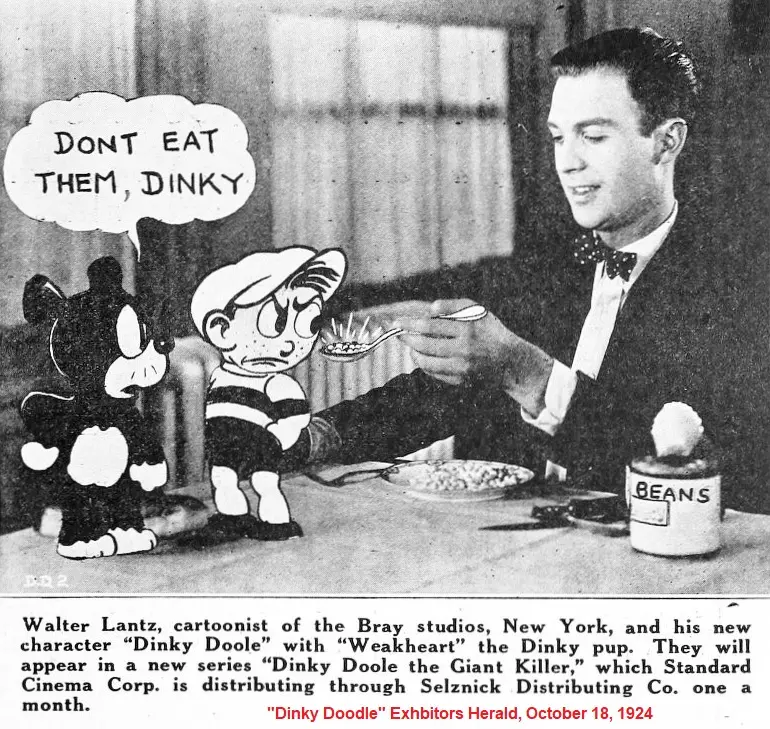
At its heart, 'The Giant Killer' presents a timeless narrative: the sudden acquisition of extraordinary fortune and the inevitable challenges it attracts. Dinky Doodle and Weakheart's discovery of the golden hen is a moment of pure, unadulterated joy, a fantastical stroke of luck that promises boundless prosperity. Yet, Lantz swiftly introduces the counterpoint to this idyllic vision: the monstrous ogre. This narrative structure, where good fortune immediately precipitates grave danger, is a powerful storytelling device, drawing parallels to ancient myths and fables that caution against the perils of unearned wealth or the temptation of quick riches. The ogre isn't just a physical threat; he embodies the consequences of attracting attention, of having something others covet, and the sheer, unreasoning force of primal appetite. His hunger for the golden eggs, and indeed for Dinky and Weakheart themselves, transforms the simple discovery into a high-stakes battle for survival. This direct and impactful narrative, devoid of convoluted subplots, is characteristic of early cinema's focus on clear emotional arcs and immediate dramatic tension, much like the straightforward moral dilemmas explored in films such as The Black Stork, where the narrative quickly establishes its core conflict and stakes.
Being a 1933 production, 'The Giant Killer' fully leverages the relatively new advent of synchronized sound, transforming the viewing experience from silent spectacle to a cacophony of carefully orchestrated effects and musical cues. The film's sound design is remarkably effective for its era, using exaggerated sound effects – the comical squawk of the hen, the thunderous footsteps of the ogre, the frantic yelps of Weakheart – to heighten both the humor and the suspense. The musical score, often jaunty and dynamic, underscores the action, shifting dramatically to reflect changes in mood, from lighthearted discovery to frantic chase. Lantz expertly weaves humor into the fabric of the peril. Weakheart's cowardly antics provide much-needed comic relief, while Dinky Doodle's ingenious (and often slapstick) methods of confronting the ogre elicit genuine laughs. This blend of suspense and humor is a hallmark of classic cartooning, designed to entertain a broad audience. The pacing is brisk, a rapid-fire succession of gags and escalating danger that keeps the audience engaged, a technique that demonstrates Lantz's understanding of the medium's kinetic potential. The film uses sound not just as an accompaniment, but as an integral narrative tool, much like how the dramatic tension in a live-action thriller such as The Speed Maniac relies on the roar of engines and the screech of tires to convey urgency and excitement.
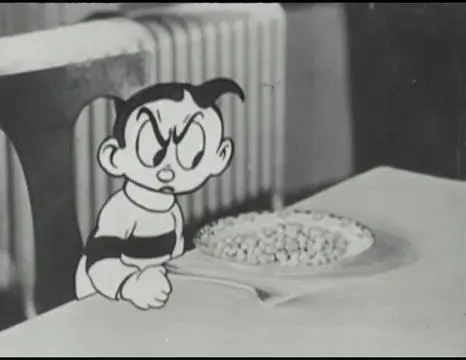
The core conflict of 'The Giant Killer' is a classic articulation of the David and Goliath archetype: the small, seemingly insignificant hero confronting a vastly superior, intimidating foe. Dinky Doodle, despite his size, embodies courage and, more importantly, cunning. He doesn't rely on brute strength, which he clearly lacks, but on quick thinking, improvisation, and a bit of cartoonish trickery. This emphasis on intellect over brawn is a recurring and empowering theme in children's literature and animation, teaching that wit and resourcefulness can overcome even the most formidable obstacles. The ogre, for all his size and booming voice, is ultimately outsmarted, his sheer power proving to be his undoing when confronted by a cleverer adversary. This narrative choice elevates Dinky Doodle from a mere lucky discoverer to a genuine hero, a figure who earns his victory through ingenuity. The struggle against overwhelming odds and the triumph of the underdog is a universally appealing motif, one that finds echoes in the dramatic human struggles depicted in films like The Price They Pay, where characters face monumental challenges and must find inner strength or clever solutions to prevail.
Walter Lantz's personal imprint on 'The Giant Killer' is indelible. As both a writer and a key creative force, Lantz was instrumental in shaping the early identity of American animation. His work on this film, preceding the widespread fame of Woody Woodpecker, showcases his foundational understanding of character appeal, comedic timing, and narrative economy. He understood the power of simple, relatable desires (like finding a golden hen) and primal fears (like a hungry ogre) to create engaging stories. Lantz's animation studio, which would go on to produce hundreds of cartoons, was a hotbed of talent and innovation. 'The Giant Killer' stands as an important early example of his studio's output, demonstrating the developing animation techniques and narrative conventions that would become standard. It contributed to the burgeoning landscape of animated shorts that offered escapism and lighthearted entertainment to audiences during a challenging economic period. The film's straightforward fantastical premise, combined with its clear comedic and dramatic beats, provided a form of delightful diversion, much like the romantic comedies such as Cupid Camouflaged or the lighthearted dramas of The Loves of Letty offered their own unique brand of escapism in the live-action realm, transporting viewers from their daily concerns into worlds of adventure and romance.
While 'The Giant Killer' might appear rudimentary to modern eyes accustomed to sophisticated CGI and complex narratives, its enduring appeal lies precisely in its fundamental strengths. It's a masterclass in concise storytelling, delivering a complete and satisfying arc within a short timeframe. The themes of courage, resourcefulness, and the unexpected challenges that accompany good fortune are universal and timeless. The film serves as a vital historical document, offering a window into the artistic and technical advancements of early sound animation, and the pioneering spirit of creators like Walter Lantz. It reminds us that compelling narratives don't always require elaborate budgets or intricate plots; sometimes, the most potent stories are those that tap into our collective understanding of classic archetypes and the simple, yet profound, human (or cartoon character) desire to overcome adversity. In its unassuming brilliance, 'The Giant Killer' remains a charming and significant piece of animated history, a testament to the foundational magic that Lantz and his team conjured from ink and celluloid, proving that even a small hero can face down a colossal threat with a bit of wit and a loyal, albeit weak-hearted, friend. Its clarity of purpose and direct emotional impact are qualities that transcend the specific technological limitations of its era, much like the enduring human dramas found in films such as The Courtship of Myles Standish, which, despite its historical setting, speaks to universal themes of love and conflict.
IMDb —
1933
Community
Log in to comment.