DbcultAccessing Vault...
7.4/10
Senior Film Conservator
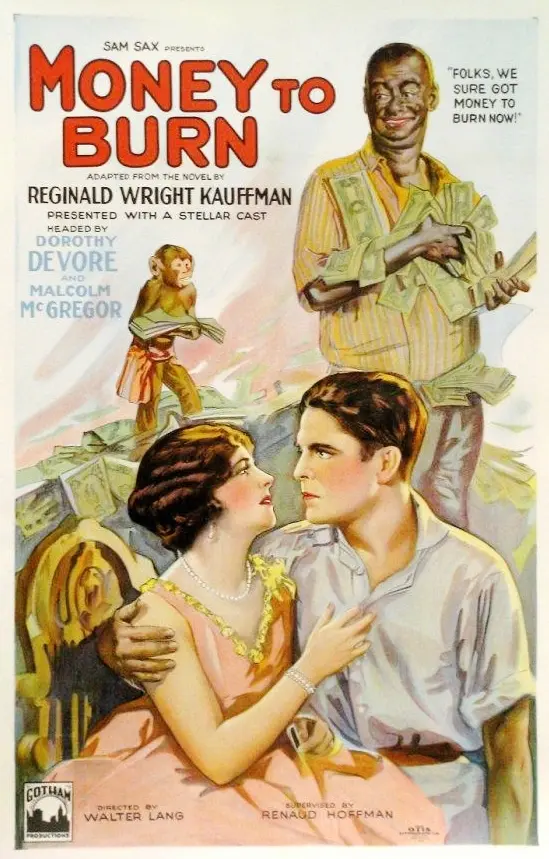
A definitive 7.4/10 rating for a film that redefined the boundaries of cult cinema. Money to Burn remains a cornerstone of transgressive art.
Is Money to Burn a hidden gem of the silent era that demands a modern audience? Short answer: No, but it remains a fascinating curiosity for those who appreciate the pulpier side of 1920s South American-set adventures.
This film is specifically for historians of the silent thriller and fans of gothic romance tropes. It is absolutely not for viewers who require narrative logic or high-budget spectacle to stay engaged.
If you are looking for a definitive piece of 1926 cinema, you might find more technical mastery in something like Hands Up!. However, Money to Burn offers a unique, albeit messy, blend of medical drama and crime syndicate intrigue. It works. But it is deeply flawed.
1) This film works because: The atmospheric tension within the 'forbidden chapel' creates a genuine sense of dread that elevates the second half.
2) This film fails because: The inciting incident—Dan jumping overboard because he *thinks* he killed a man—is handled with such clumsy pacing that it loses all emotional weight.
3) You should watch it if: You enjoy the 'secret lair' trope of early cinema and want to see how 1920s directors handled the intersection of romance and organized crime.
The film opens with a standard shipboard romance. Malcolm McGregor, playing Dr. Dan Stone, possesses the square-jawed earnestness typical of the era. He isn't a complex hero, but he fills the frame well. His chemistry with Dorothy Devore’s Dolores is established quickly, perhaps too quickly. In the 1920s, a single shared glance over a railing was often enough to justify a leap into the dark Atlantic.
When Dan believes he has killed a man to protect Dolores, the film takes its first major risk. He doesn't face the music; he jumps. This moment is meant to be heroic and tragic, but today it feels almost comical. The editing here is jagged. We see the splash, and then we are suddenly in South America. This jarring transition is a hallmark of lower-budget productions of the time, lacking the fluid continuity found in a contemporary classic like Sally of the Sawdust.
The shift from the high seas to the Valdez estate is where the film finds its pulse. The concept of a counterfeiting ring operating out of a chapel is a stroke of pulp genius. It provides a stark visual contrast: the sacred architecture of the chapel versus the profane act of forging currency. The cinematography in these scenes is the film's strongest suit. Shadowy corners and low-angle shots of the 'large black man' guarding the secret room create a proto-noir aesthetic.
Ortego, played by George Chesebro, is a far more compelling presence than the lead. He carries an oily charm that makes his pursuit of Dolores feel genuinely threatening. While the uncle, Diego, is a mustache-twirling caricature, Ortego represents the emerging 'gangster' archetype that would soon dominate the talkies. His rescue of Dan is not an act of mercy, but one of utility. He needs a doctor to keep his 'assets' alive. This transactional view of human life gives the film a darker edge than your average 1926 romance.
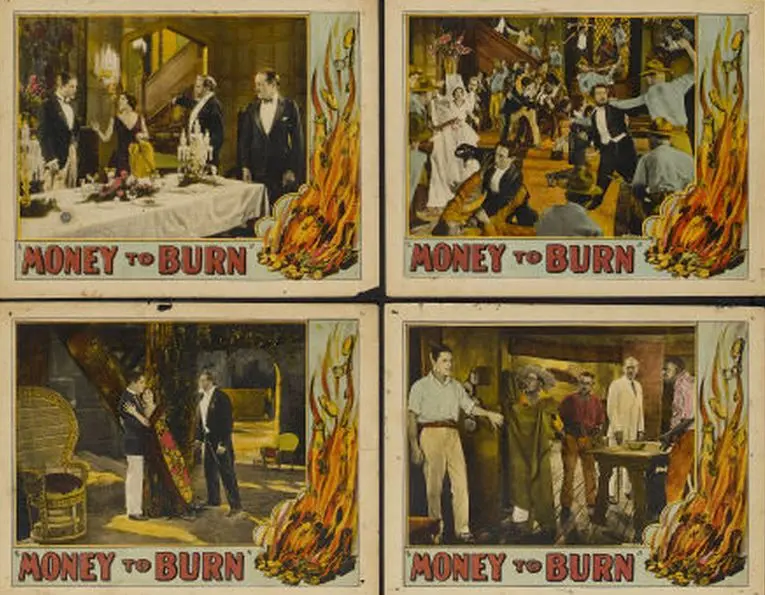
Dorothy Devore is the anchor here. While many silent actresses were prone to 'The Gish Flutter'—excessive hand-wringing and wide-eyed panic—Devore plays Dolores with a surprising amount of steel. When she is forbidden from entering the chapel, her curiosity feels driven by intelligence rather than mere plot necessity. She is a woman trapped in a patriarchal cage, and her eventual reunion with Dan feels earned because she does half the work to find him.
Jules Cowles and Eric Mayne provide the supporting weight needed to make the Valdez estate feel like a real place. Cowles, in particular, has a face made for the silent screen—every wrinkle tells a story of greed or regret. However, the film suffers from an overabundance of characters. By the time we get to the intrigue involving the guarded sick man, the narrative feels stretched thin. It lacks the tight focus of a film like Cassidy, which managed its underworld elements with much more precision.
The pacing of Money to Burn is its greatest enemy. The first act on the ship feels like a different movie entirely. It is a light romance that suddenly curdles into a thriller. Once we reach the chapel, the film slows to a crawl. We spend a significant amount of time watching Dan treat a patient we barely know. While this builds the 'mystery,' it kills the momentum established by the shipboard escape.
The set design of the chapel deserves a mention. It doesn't look like a Hollywood backlot; it has a crumbly, authentic texture. You can almost smell the dust and the ink. The use of practical lighting—candles and lanterns—creates a flickering tension during the secret meetings. It is a shame the direction by James Bell Smith doesn't always take advantage of these sets, often opting for flat medium shots when a close-up or a Dutch angle would have amplified the paranoia.
Money to Burn is worth watching for anyone interested in the evolution of the 'South American Intrigue' subgenre. It captures a moment in time when cinema was moving away from pure Victorian melodrama and toward the gritty crime stories of the 1930s. It is a bridge between the romanticism of Rip Van Winkle and the hard-boiled realism that was just around the corner.
Pros:
Cons:
One of the most debatable aspects of the film is its treatment of the law. Dan Stone is a doctor who believes he has killed a man, yet he never once considers turning himself in. In the moral universe of Money to Burn, the law is an abstract concept that only serves to keep lovers apart. This cynical worldview is actually quite modern. It suggests that in the 'wilds' of South America, the only justice that matters is the justice you carve out for yourself with a scalpel or a fist. This is a far cry from the moralizing tone of Where Are My Children?, which sought to lecture its audience on social purity.
The finale, where the intrigue 'grows ever larger,' is a chaotic scramble. The discovery of Dan and Dolores by the guard leads to a confrontation that feels a bit rushed. The film spends so much time building the mystery of the chapel that the actual escape feels like an afterthought. However, the sight of the lovers standing amidst the ruins of a criminal empire—and a literal printing press—remains a potent image. It is the ultimate 1920s fantasy: love conquering the corruption of the modern world.
"Money to Burn is a film of two halves: a forgettable romance on a boat and a gripping, if illogical, thriller in a basement. It survives on the strength of its atmosphere rather than its script."
Money to Burn (1926) is a middle-of-the-road silent production that is saved from obscurity by its gothic leanings. It doesn't have the grand scale of Lille Dorrit or the experimental flair of some European imports like Fremdenlegionär Kirsch, but it possesses a certain gritty charm. If you can get past the leaps in logic—and the literal leap off the boat—there is a rewarding little thriller buried here. It is a testament to the fact that even in 1926, audiences were hungry for stories about secret lives and the dark things that happen behind closed doors. It’s flawed. It’s messy. But for a Sunday afternoon dive into the archives, it’s just enough to keep you watching.
IMDb —
1918
Community
Log in to comment.