DbcultAccessing Vault...
Cult Review
Senior Film Conservator
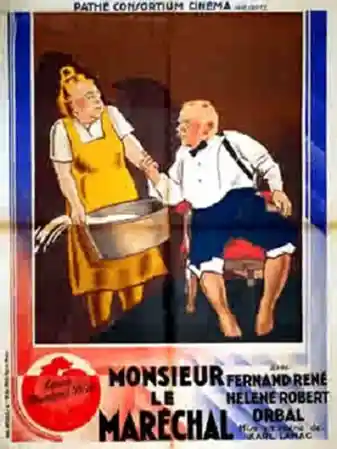
So, is Monsieur le maréchal worth dusting off today? Well, if you’re big into early French cinema or just curious how films used to tell stories, then yeah, maybe. For most folks looking for a quick, engaging watch, probably not. This one’s really for the patient viewer, the kind who enjoys picking apart old techniques. 🧐
It’s not a movie that’s going to grab you right away, that’s for sure. The pacing feels… different. Like watching a really slow play sometimes. But that’s part of its charm, I guess. You’re meant to sit with it, let the moments unfold.
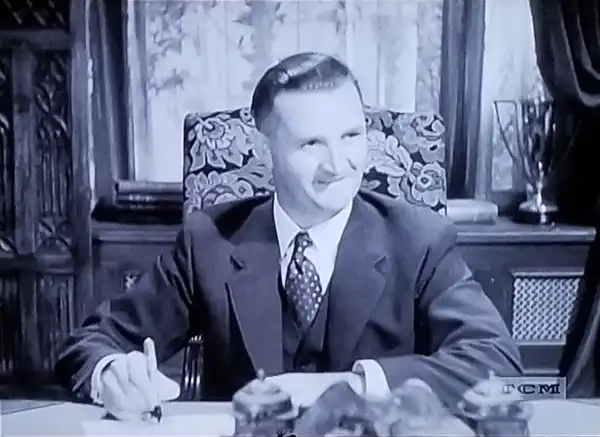
Fernand-René as the Marshal himself, he’s got this presence. It’s all in the eyes and those slight, almost imperceptible nods. No big speeches, mostly just a heavy look. You really feel the weight of his office, even if the scene around him is a bit static. There’s a particular shot where he just stares out a window for what feels like a minute and a half. Nothing happens. But you feel him thinking. 🤔
And the way they handle the crowd scenes! Oh boy. You get these wide shots, and everyone’s just kinda… standing there. Like they were told “look busy” and they did their best, but it comes off a little stiff. It’s not quite the bustling Parisian streets they’re trying to evoke. More like a very polite gathering.
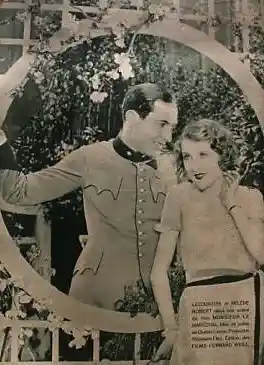
There’s a bit with a young woman, played by Hélène Robert, who’s trying to get the Marshal’s attention. Her expressions are so big, almost melodramatic, which totally contrasts with Fernand-René’s quiet intensity. It’s a fascinating dynamic. You can almost see the different acting styles clashing a bit, a real peek into the era.
Some of the sets, though, they’re really something. The Marshal’s office, specifically. All dark wood and heavy curtains. You can almost smell the old paper and dust. It feels lived-in, not just a backdrop. 🖼️
The storyline itself… it’s a bit hazy. Something about duty, maybe a personal sacrifice? It never spells things out completely. You piece it together from glances and the occasional intertitle card that flashes up. It makes you work a little, which can be rewarding, but also a bit frustrating if you’re used to everything being laid out neat and tidy.
One scene, near the end, where the Marshal walks through a corridor alone. The shadows are just *perfect*. They stretch out behind him, making him seem both powerful and really, really isolated. That stuck with me. It didn’t need words, just that visual. 🚶♂️
And then there’s Paul Marthès, playing... someone important, I think. He's got this twitchy energy. Almost like he's in a different movie. It adds a strange kind of tension when he's on screen with the more stoic characters. You keep wondering what he's going to do next, or if he's about to burst into a full-on pantomime. It's a bit much at times.
Honestly, the film gets noticeably better once you accept its rhythms. Once you stop expecting a modern narrative, and just let it wash over you. It's like finding an old, forgotten painting. Not perfect, maybe a little faded, but still interesting to look at and think about. ✨
IMDb —
1923
Community
Log in to comment.