DbcultAccessing Vault...
4.9/10
Senior Film Conservator
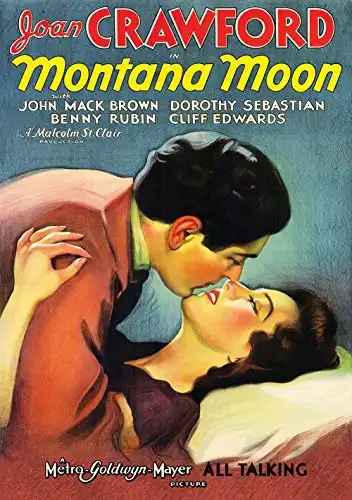
A definitive 4.9/10 rating for a film that redefined the boundaries of cult cinema. Montana Moon remains a cornerstone of transgressive art.
Okay, so Montana Moon. Is it worth watching today? Yeah, if you’re a classic film person, absolutely. Especially if you’re into early Joan Crawford, before she became *the* Joan Crawford. For anyone else? You might find it a bit... quaint. It's not for folks looking for a modern pace, that’s for sure. But if you like old Westerns, or just curious about how they used to make 'em, give it a shot. If you want explosions and deep character arcs, maybe skip this one.
The whole thing really kicks off with Joan Crawford, playing Joan Prescott. She's this character who is just a whirlwind of activity, never stops. She’s rich, for sure, and flighty, with this undeniable wild energy. Like, her first big scene has her riding in, just shooting her gun off for absolutely no reason other than, well, *she can*. Quite the introduction, actually. You get this immediate sense that she’s never, ever heard the word “no” in her life. That’s a big problem later, you see.
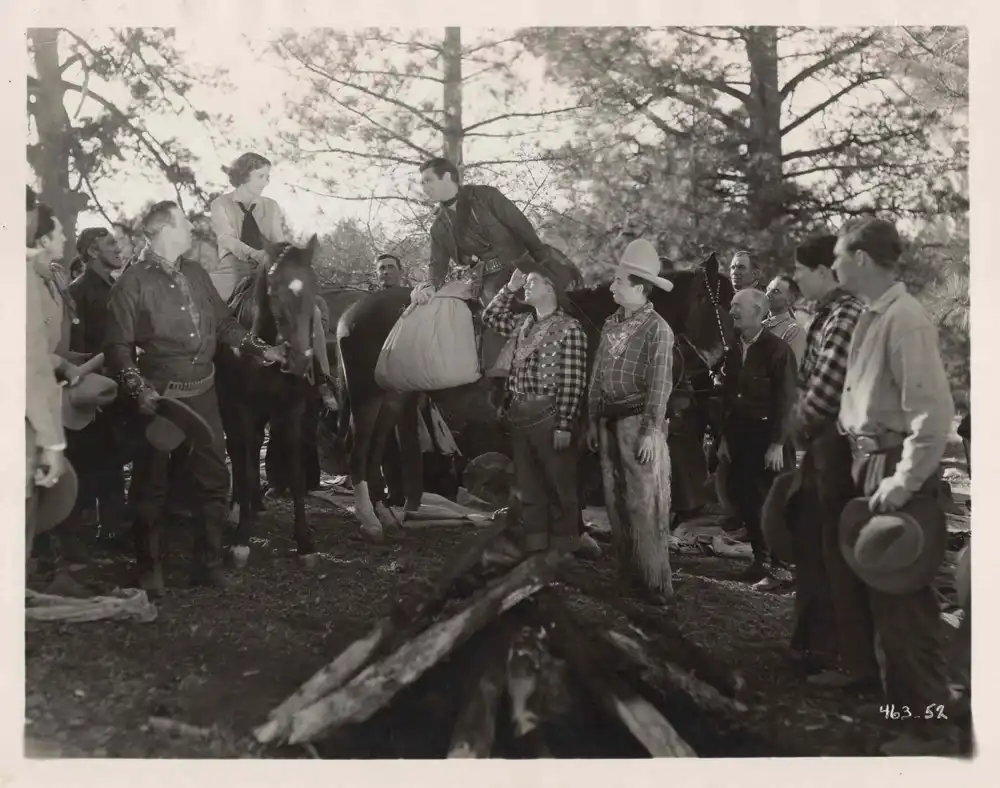
Then she meets Larry Winton, played by Johnny Mack Brown. He's a Texas cowboy, a rancher. He calls her "Montana," and it’s kinda sweet, kinda possessive, all at once. You can tell right away these two are from different planets. But, you know, sparks fly and they get hitched pretty fast. Like, real fast.
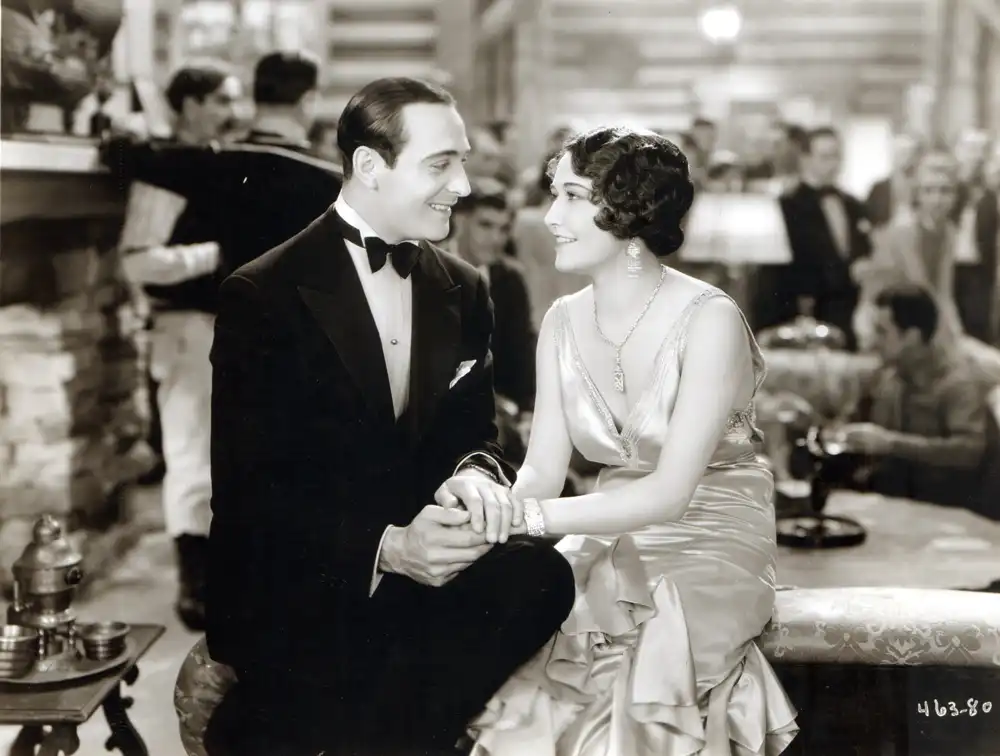
Their honeymoon is where the trouble really starts bubbling up, like a pot boiling over on the stove. Joan, or “Montana,” just absolutely cannot settle down. She’s throwing these wild parties, which is not really a rancher's thing, and she’s flirting with pretty much everyone who looks her way. There’s this one particular scene where she’s dancing with someone else, a bit too close, and Larry just gets all stiff and quiet. You can almost feel the air get thick with his frustration, his temper simmering. It’s a very clear "city girl meets country boy" conflict, laid out right there.
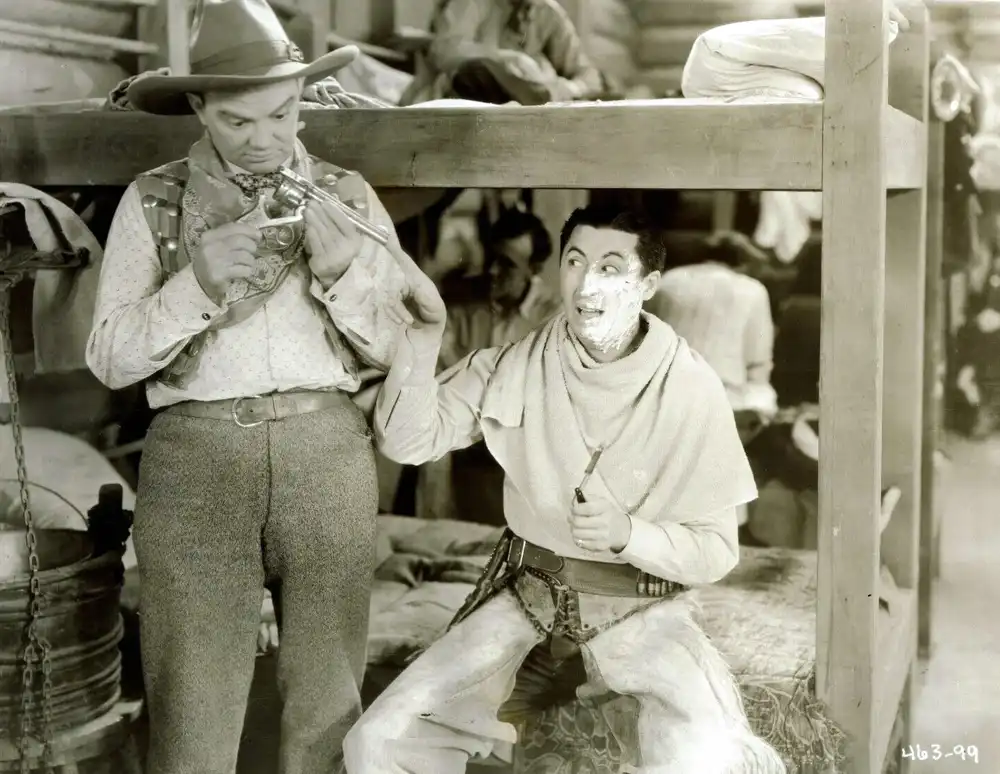
Benny Rubin pops up as Maggie, a sort of comic relief sidekick. He’s got some decent one-liners, trying to smooth things over. But honestly, a lot of his bits feel like they're trying a little *too* hard to be funny. Like the movie feels like it needs a break from the main drama, but it doesn't quite land, you know?
The visual style is interesting for 1930. There are some sweeping shots of the ranch that actually look pretty good. But then there are interior scenes that feel a bit stagey, like everyone’s waiting for their cue. The crowd scenes have this oddly empty feeling sometimes, like half the extras wandered off for a smoke break, or something.
One moment that sticks out: Larry's sister, played by Dorothy Sebastian, has this quiet strength. She’s trying to be a good sister-in-law, but you can see her eyes just rolling when Joan does something particularly wild. It’s a subtle performance, one of the better ones, actually, even if it's brief. A nice little anchor in all the chaos.
The movie really, really leans into this big question: "can a wild spirit actually be tamed?" Joan Crawford’s character is *so* over the top. Like, sometimes she’s almost a caricature of a spoiled rich girl. And you’re left wondering if Larry is just being a bit too rigid, too much of a stick-in-the-mud, or if she’s just completely impossible to deal with. It's a balancing act, this dynamic, and the film doesn't always manage it perfectly. Sometimes it leans too hard one way, then the other.
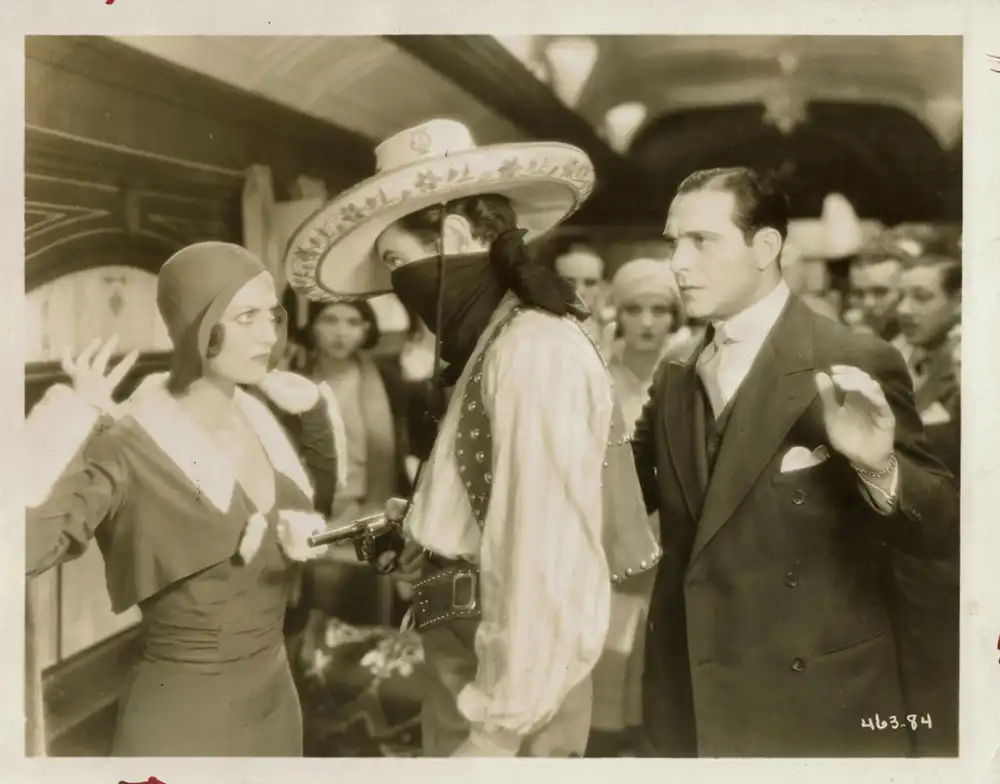
There’s a whole subplot with a former flame, Jeff, played by Ricardo Cortez, who is still clearly into Joan. He's this smooth-talking guy, and he makes Larry look even more like a country bumpkin. It adds to the tension, but sometimes it feels a little forced, like "oh, we need a villain here," you know? Just a bit too convenient.
The ending gets pretty dramatic, with a big chase sequence and some serious decisions. Without giving too much away, let’s just say it tries to wrap things up with a neat bow, but you’re left wondering if these two really *will* be happy ever after. Or if Joan will just find another party to crash next week. 🤷♀️ Honestly, I’m still not sure.
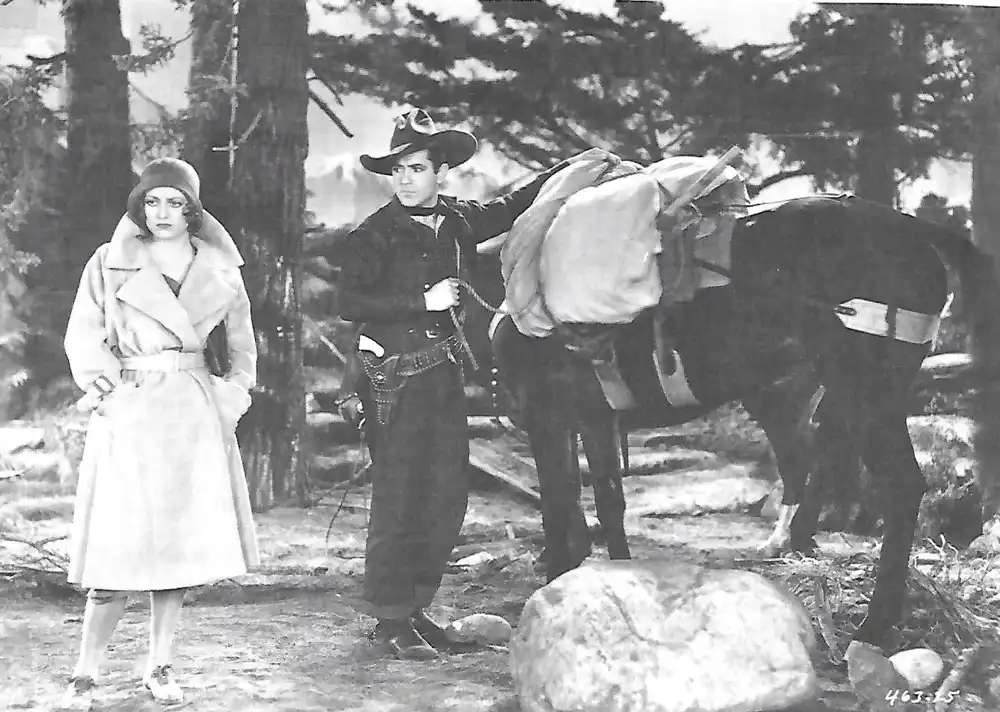
What I found kinda charming, in a weird way, was just how earnest it all felt. Even with the slightly wooden acting here and there – which, c'mon, it’s 1930, we can forgive that a bit – and the pacing that definitely slows down in spots, there’s a genuine, honest attempt to tell a story. A story about two people who maybe, deep down, shouldn't really be together but are, for some reason. It’s a real snapshot of early sound film trying to figure things out, you know? Like, what even *is* a movie with talking in it?
Overall, Montana Moon is a decent peek into early
IMDb —
1921
Community
Log in to comment.