DbcultAccessing Vault...
7/10
Senior Film Conservator
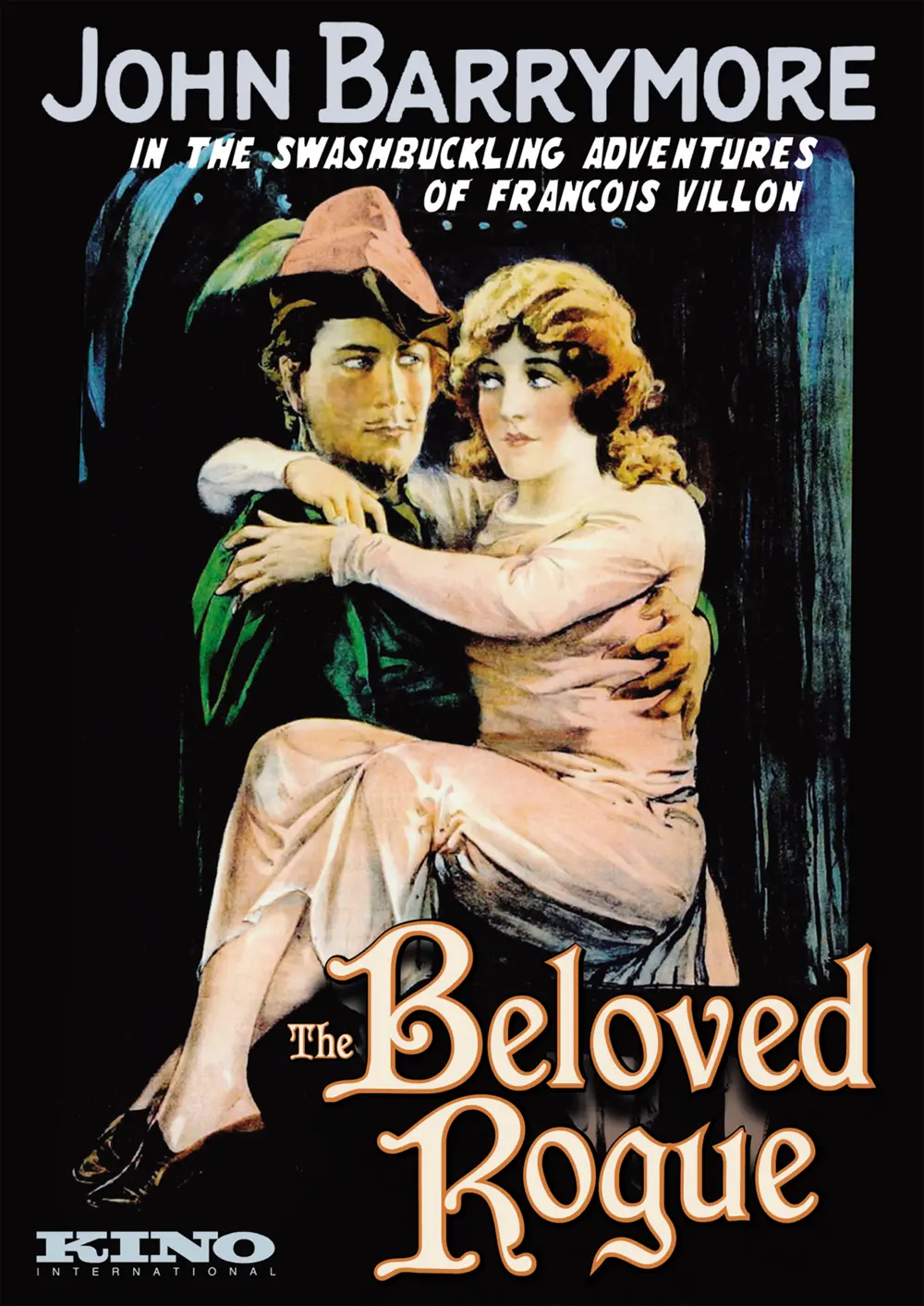
A definitive 7/10 rating for a film that redefined the boundaries of cult cinema. The Beloved Rogue remains a cornerstone of transgressive art.
Is The Beloved Rogue worth watching today? Short answer: yes, but with significant caveats that demand a specific kind of viewer. This film, a grand showcase for John Barrymore, offers a fascinating glimpse into early cinematic spectacle, yet it’s a product of its time that won’t resonate with everyone.
It's a film for those who appreciate the theatricality of silent cinema, the raw power of a charismatic lead, and a sweeping historical narrative, even if its pacing occasionally falters. It is emphatically not for audiences accustomed to modern narrative conventions, subtle character development, or rapid-fire dialogue.
This film works because of John Barrymore's magnetic, larger-than-life performance, which anchors the entire production with an irresistible blend of wit and intensity.
This film fails because its pacing can feel ponderous by contemporary standards, and some of its dramatic flourishes lean heavily into melodrama that might alienate modern sensibilities.
You should watch it if you have an appreciation for silent film artistry, are a fan of historical epics, or simply want to witness one of Hollywood's original great stars at the peak of his powers.
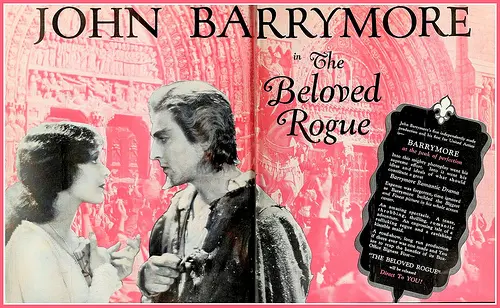
At its heart, The Beloved Rogue attempts to capture the essence of François Villon, a figure as mythical as he is historical. The plot, even in its simplicity, lays bare a compelling duality: Villon as the celebrated wordsmith and Villon as the defiant renegade. It's a tightrope walk between high culture and low life, a narrative ambition that is, frankly, audacious for its era.
The film doesn't just tell us Villon is a prankster or a criminal; it endeavors to show us through a series of vignettes that, while sometimes broad, effectively paint a picture of a man constantly challenging authority. His 'patriotism' isn't a flag-waving exercise but a deeply ingrained defiance against perceived injustice, a commitment to the common folk that often puts him at odds with the ruling class.
One particularly memorable sequence, though perhaps apocryphal in its historical accuracy, sees Villon orchestrating a grand public humiliation of a pompous official. This act, a blend of clever wordplay and theatrical mischief, perfectly encapsulates his 'prankster' persona, simultaneously endearing him to the masses and enraging the powerful. It’s a foundational piece of the character’s appeal.
The writers—Walter Anthony, Paul Bern, George Marion Jr., and even John Barrymore himself—clearly understood the theatrical potential of such a character. They crafted a story that, despite its silent film constraints, yearns for operatic scale. It’s a testament to their vision that Villon's spirit, even through the lens of nearly a century, remains vibrant and rebellious.
However, the narrative sometimes struggles to balance these competing facets of Villon's personality. The shift from boisterous comedy to poignant drama, or from romantic dalliance to patriotic fervor, can feel abrupt. This isn't necessarily a flaw, but rather a characteristic of early cinematic storytelling, where broad strokes were often preferred to nuanced transitions. It’s a film that demands you meet it halfway, accepting its inherent theatricality.
The Beloved Rogue is less a historical document and more a romanticized ballad, sung with grand gestures and a knowing wink. It’s a portrayal of a legend, not a biography.
To speak of The Beloved Rogue without immediately dissecting John Barrymore's performance would be a critical oversight. He doesn't just play François Villon; he embodies him with a force that few actors, even today, could hope to match. Barrymore was a titan of the stage and screen, and this film is a masterclass in silent era acting, full of grand gestures, piercing gazes, and a remarkable physical agility.
His Villon is a whirlwind of emotion: charming and roguish one moment, fiercely determined the next, and utterly heartbroken when circumstances demand it. Consider the scene where Villon, having escaped capture, finds himself momentarily despondent. Barrymore's subtle slump, the way his eyes convey a fleeting vulnerability before snapping back to defiant resolve, speaks volumes without a single intertitle. It’s a performance that transcends the limitations of the medium.
Barrymore's ability to switch between the comedic and the dramatic is truly remarkable. His physical comedy, particularly in scenes involving his mischievous pranks, is genuinely amusing, reminiscent of a more refined, intellectual Chaplin. Yet, when the stakes are high, as when Villon faces the threat of execution or defends his ideals, Barrymore imbues his character with a gravitas that feels utterly authentic.
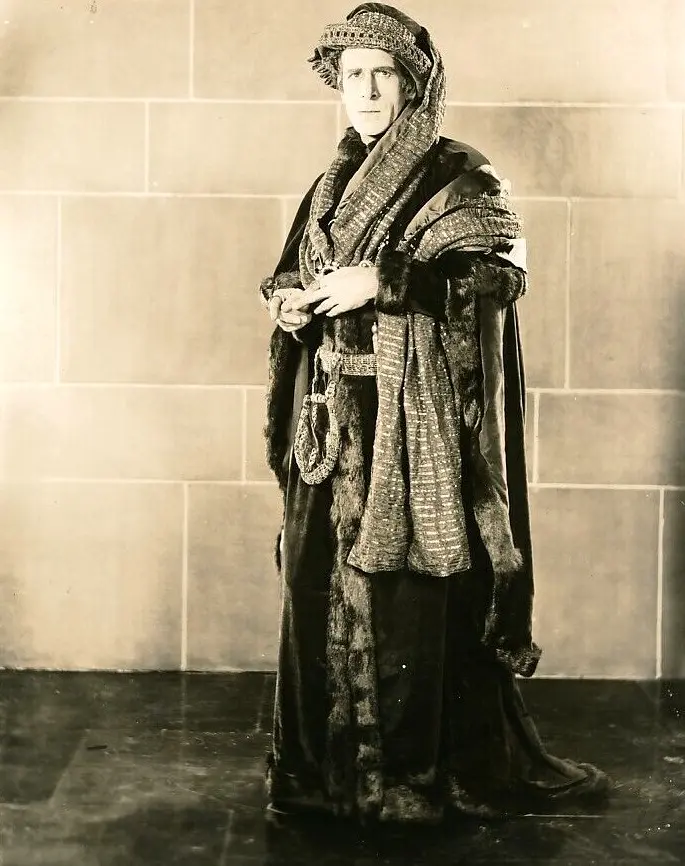
The supporting cast, while often overshadowed, provides solid backing. Marceline Day, as the film's romantic interest, brings a delicate innocence that contrasts well with Villon's boisterousness. Her expressions, though less grand than Barrymore's, are effective in conveying her character's purity and growing affection. Nigel De Brulier, as King Louis XI, offers a suitably cunning and calculating antagonist, his sneering presence a perfect foil to Villon’s rebellious spirit.
It’s a performance that solidifies Barrymore's place among the greatest actors of the era, standing alongside contemporaries like Rudolph Valentino in The Son of a Sheik or Douglas Fairbanks. He commands every frame, turning what could have been a simple historical adventure into a character study of immense depth and theatrical flair. Without Barrymore, this film would be a historical curiosity; with him, it’s a vibrant piece of cinematic history.
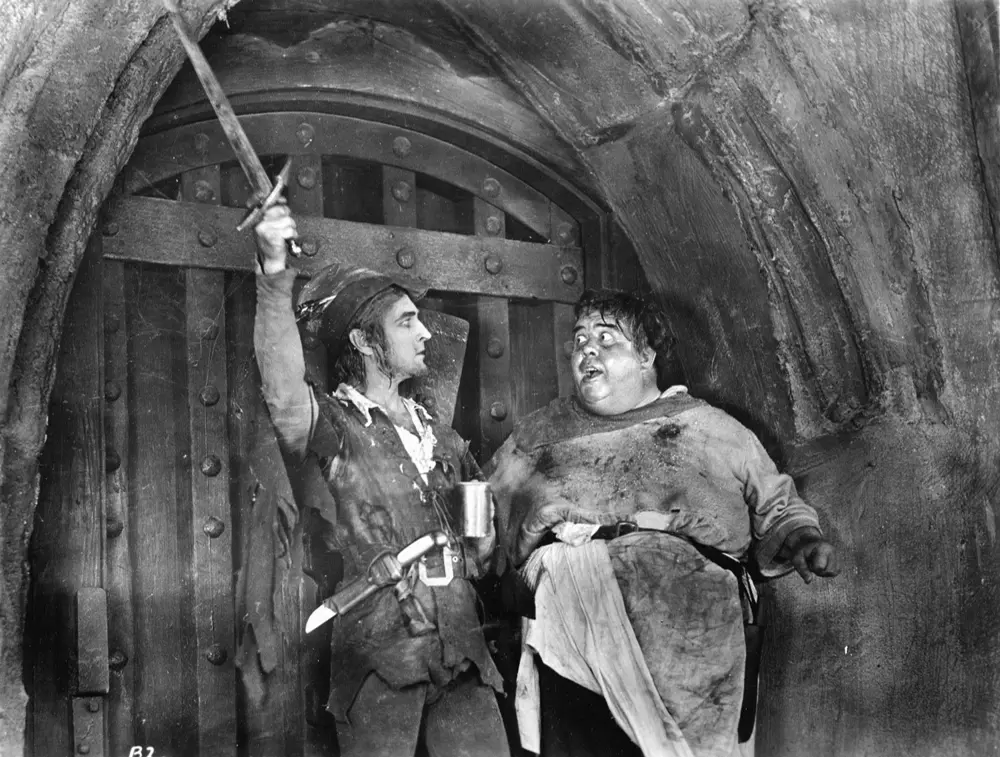
Director John Francis Dillon, alongside cinematographer Joseph H. August, crafts a visually opulent world for Villon's escapades. The film’s aesthetic leans heavily into a romanticized vision of 15th-century France, utilizing grand sets and sweeping camera movements that were impressive for the time. This isn’t a gritty, realistic portrayal; it’s a theatrical spectacle designed to transport the audience.
The cinematography often employs dramatic lighting, particularly in the more intense or romantic scenes. Shadows are used to great effect, creating a sense of intrigue in the cobbled alleyways where Villon operates as a 'criminal' and highlighting the opulence of the royal court. A standout moment involves a moonlit chase across Parisian rooftops, a sequence that, despite its age, still evokes a sense of thrilling adventure and visual poetry. The silhouettes against the night sky are striking.
Dillon's direction is characterized by a dynamic approach to framing and composition. He understands how to use the full scope of the frame to enhance the narrative, whether it’s a tight close-up on Barrymore's expressive face or a wide shot capturing the bustling energy of a medieval marketplace. The battle sequences, while not on par with later epics, are staged with a surprising degree of energy and chaos, benefiting from clever editing.
The tone of the film shifts fluidly, almost ambitiously, between swashbuckling adventure, lighthearted comedy, and genuine dramatic tension. Dillon manages to hold these disparate elements together, largely through the consistent visual style and Barrymore's anchoring performance. It's a directorial effort that prioritizes spectacle and emotional impact over strict realism, a choice that largely pays off.
While some of the visual effects might seem quaint by modern standards, the sheer ambition of the production design, combined with thoughtful cinematography, ensures that The Beloved Rogue remains a visually engaging experience. It’s a testament to the artisans of early Hollywood that they could conjure such a rich, immersive world without the aid of digital enhancements.
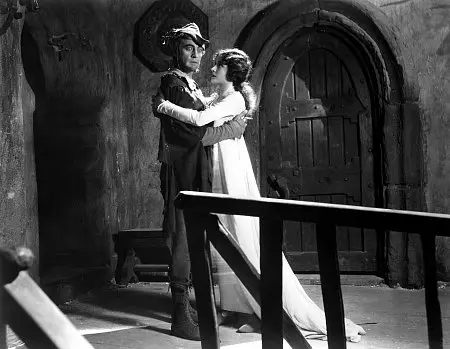
The pacing of The Beloved Rogue is perhaps its most divisive element. As with many films from the silent era, it operates on a different rhythm than contemporary cinema. Scenes often linger, allowing emotions to play out fully on the actors' faces, and intertitles punctuate the action, providing exposition or dialogue. For some, this deliberate pace will feel immersive; for others, it might test their patience.
However, within its own context, the pacing feels appropriate for a story of this scope. It allows the audience to absorb the elaborate production design and the intricate details of the historical setting. The film takes its time to establish Villon’s world, from the squalor of the Parisian streets to the grandeur of the royal palace. This slow burn allows the dramatic stakes to build gradually, making the climactic moments feel genuinely earned.
The production design, overseen by William Cameron Menzies, is nothing short of extraordinary. The recreation of 15th-century Paris is breathtaking, featuring towering castle walls, winding alleyways, and richly detailed interiors. The sheer scale of the sets is astounding, particularly the sprawling court scenes and the meticulously crafted taverns. These weren't mere backdrops; they were worlds unto themselves, contributing significantly to the film's immersive quality.
The costumes, too, are exquisite, adding layers of authenticity and visual splendor. From Villon's tattered but distinctive attire to the elaborate robes of King Louis XI and the elegant gowns of the court ladies, every detail feels considered. This attention to period detail helps ground the more fantastical elements of Villon's character, making his escapades feel more plausible within the lavish, historical framework.
The film’s grand scale often draws comparisons to other historical epics of the time, such as Nell Gwynne or even the ambitious Paris, though The Beloved Rogue often feels more intimate despite its expansive settings, thanks to Barrymore's focused performance. The overall impact of the production design is undeniable; it’s a key factor in the film’s enduring appeal, showcasing the craftsmanship of early Hollywood at its peak.
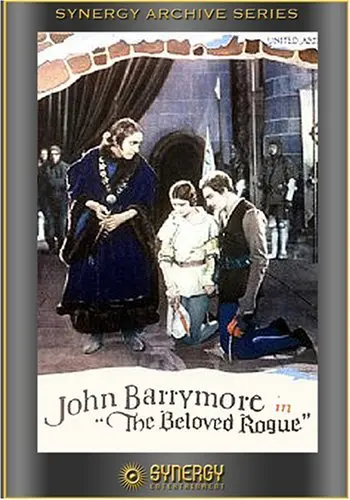
Yes, The Beloved Rogue is absolutely worth watching today, especially for those with an interest in film history. It offers a unique window into the silent era's narrative ambitions and visual grandeur. John Barrymore's performance alone justifies the viewing.
However, be prepared for a different cinematic experience. Its pace is slower, its acting style more overtly theatrical. It requires an open mind and a willingness to appreciate storytelling conventions of a bygone era. If you can embrace these elements, you'll find a rewarding and surprisingly engaging film.
It's a foundational text for understanding the evolution of the historical epic and the power of a charismatic lead. Don't expect a modern blockbuster, but anticipate a journey back to the roots of cinematic spectacle.
The Beloved Rogue is a fascinating, if imperfect, relic of early Hollywood. Its strengths lie almost entirely in the magnetic presence of John Barrymore, who delivers a performance that is both commanding and nuanced, even within the broad strokes of silent film acting. The production design is grand, the cinematography often inspired, and the ambition palpable. It’s a film that genuinely tries to capture the spirit of a complex, legendary figure, and largely succeeds.
However, its adherence to silent film conventions, particularly its deliberate pacing and occasional melodramatic flourishes, will undoubtedly be a hurdle for many modern viewers. It's not a film to casually put on; it demands attention and a certain appreciation for its historical context. But for those willing to lean in, there’s a rich, engaging experience to be had.
It works. But it’s flawed. Yet, its flaws are often part of its charm, serving as a reminder of how much cinema has evolved, and how much has remained timeless. The Beloved Rogue is an essential watch for film historians and Barrymore admirers, a vibrant testament to the power of star presence that still, against all odds, manages to entertain and intrigue.
IMDb 6.4
1925
Community
Log in to comment.