DbcultAccessing Vault...
3.2/10
Senior Film Conservator
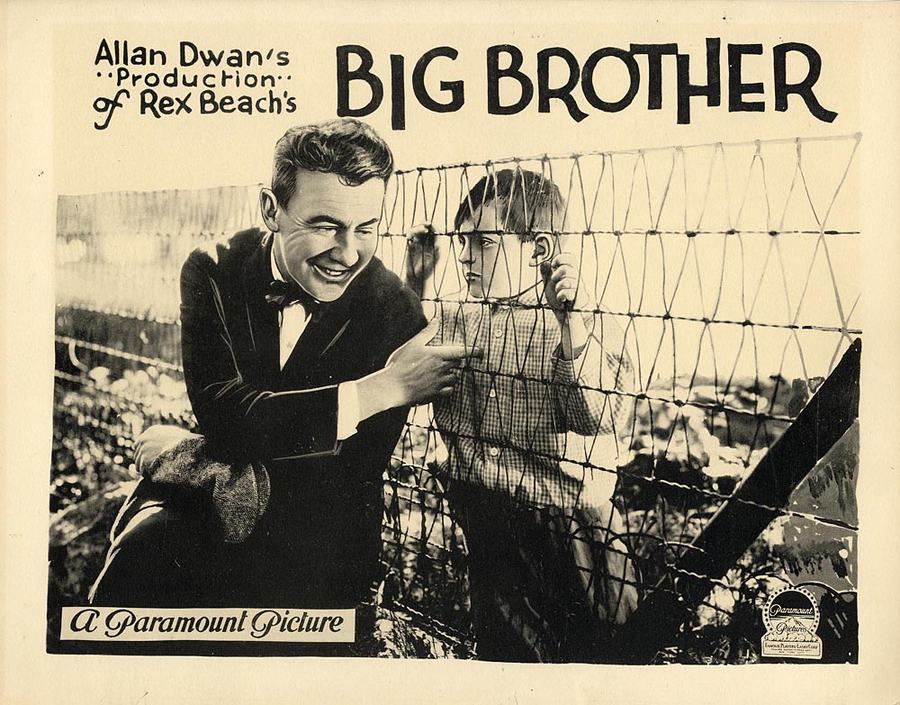
A definitive 3.2/10 rating for a film that redefined the boundaries of cult cinema. Big Brother remains a cornerstone of transgressive art.
The annals of cinematic history are replete with tales of redemption, but few resonate with the raw, unvarnished sincerity found in the 1923 silent drama, Big Brother. This film, largely overlooked by contemporary audiences, offers a fascinating glimpse into the moral complexities and emotional depth early cinema was capable of conveying. It's a narrative that eschews simplistic binaries, instead delving into the arduous journey of a man grappling with his past while striving to forge a future worthy of an innocent's trust. The very premise — a hardened gangster suddenly saddled with the care of a vulnerable child — is a potent dramatic engine, propelling the story forward with an irresistible blend of pathos and inherent conflict.
At its core, Big Brother is a character study of Jimmy Donovan, portrayed with a compelling blend of menace and burgeoning humanity. Donovan is not merely a caricature of a criminal; he is a man forged in the crucible of his environment, a product of circumstance who has embraced a life of illicit gain. His transformation is not a sudden epiphany, but a gradual, often painful, awakening spurred by the tragic death of his associate, Big Ben Murray. The sudden imposition of guardianship over Midge, Big Ben's seven-year-old brother, acts as a profound catalyst. This isn't a responsibility sought; it is a destiny thrust upon him, and the weight of it visibly shifts something within his hardened exterior. One might draw a thematic parallel to films like Little Lord Fauntleroy, where a child's innocence acts as a transformative force on an older, jaded guardian, though the stakes and the initial moral standing of the guardian are considerably different here. Donovan's initial interactions with Midge are marked by an awkwardness that slowly gives way to a paternal tenderness, an almost imperceptible softening of his demeanor that is truly moving to witness.
The film deftly navigates the external pressures that threaten Donovan's nascent reformation. The court's decision to take custody of Midge, based entirely on Donovan's notorious reputation, is a stark reminder of societal judgment and the indelible stain of a criminal past. This plot point is crucial, as it elevates the narrative beyond a simple domestic drama into a trenchant commentary on the challenges of societal reintegration. It forces Donovan to confront not only his internal demons but also the formidable skepticism of the world around him. The judicial system, in its well-intentioned but often inflexible approach, becomes an antagonist of sorts, forcing Donovan to prove his sincerity through actions rather than mere declarations. This struggle for societal acceptance, despite genuine efforts at change, echoes the themes found in later films concerning ex-convicts attempting to go straight, where the past continually haunts the present. The visual storytelling, reliant on expression and gesture, effectively communicates Donovan's frustration and despair at being judged solely by his former identity, even as his heart yearns for a different path.
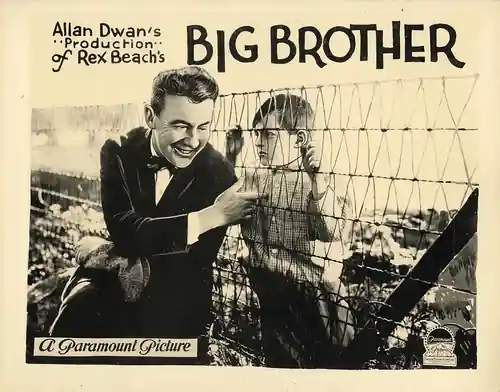
The climax of Donovan's journey towards redemption is orchestrated through a classic cinematic device: a test of character under duress. The opportunity to recover a payroll stolen by his former criminal associates serves as the ultimate proving ground. This isn't merely about retrieving money; it's about reclaiming his moral standing, not just in the eyes of the court and Kitty, but within himself. The confrontation with his ex-colleagues is fraught with tension, a palpable sense of danger permeating the scene. It forces Donovan to definitively break ties with his past, to choose a new path, even if it means directly opposing those he once called comrades. This sequence is masterfully handled, showcasing the raw courage required for true transformation. It's a moment that defines him, allowing him to shed the skin of the gangster and emerge as a protector, a responsible guardian. The resolution of this conflict is deeply satisfying, not just because justice is served, but because Donovan's personal victory feels hard-won and entirely earned.
The strength of Big Brother lies significantly in its performances, particularly from its lead. While specific actor names like Yvonne Hughes, Martin Faust, Paul Panzer, Milton Herman, Charles Hammond, Florence Ashbrooke, Raymond Hatton, Charles Henderson, Jack Oakie, Neill Kelley, Mickey Bennett, Tom Moore, Edith Roberts, William Black, and Joe King may not be household names today, their collective efforts in conveying nuanced emotions without spoken dialogue are commendable. The art of silent acting demands an extraordinary command of physicality, facial expression, and gestural language. The portrayal of Jimmy Donovan, likely by one of the more prominent names among the cast, must have been particularly demanding, requiring a delicate balance between projecting an intimidating past and an emerging tenderness. The child actor playing Midge would have been crucial, too, as the innocence of the boy is the primary catalyst for Donovan's change. The subtle shifts in their interactions, the gradual warmth that develops, are communicated through glances, touches, and body language that speak volumes. This silent ballet of emotion is a testament to the skill of these early performers, who honed a craft that, while different from sound acting, was no less potent in its ability to evoke empathy and understanding from the audience.
No tale of reformation is complete without a compelling romantic interest, and Kitty serves this role admirably. She is not merely a prize to be won but an integral part of Donovan's journey. Her initial skepticism is understandable, rooted in his reputation, yet her eventual acceptance is a powerful validation of his efforts. Kitty acts as a moral compass, her presence subtly nudging Donovan towards the right path. Her belief in him, once earned, becomes a crucial anchor in his new life. The romance isn't gratuitous; it's woven into the fabric of the narrative, symbolizing the complete embrace of a 'normal' and virtuous existence. Her faith in his ability to change, despite external evidence, is a testament to the power of human connection and belief in second chances. This dynamic, where the love interest's approval signifies true societal acceptance, is a recurring trope in cinema, but in Big Brother, it feels earned through Donovan's arduous efforts.
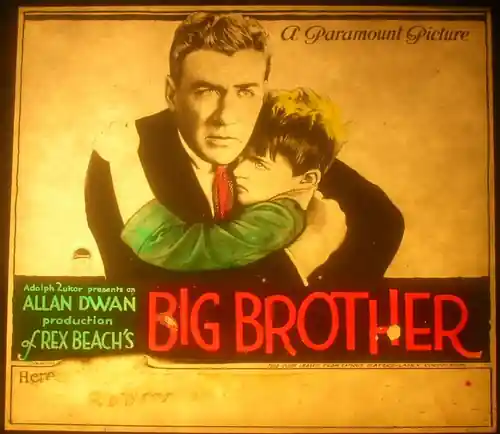
The strength of Big Brother's narrative lies in the skillful writing by Paul Sloane and Rex Beach. Their ability to craft a compelling story of moral transformation within the constraints of silent film is remarkable. They understood the power of visual storytelling, of building character through action and reaction, and of creating emotional resonance without dialogue. The plot unfolds with a clear trajectory, each event logically leading to the next, building tension and developing character arcs with precision. The themes they explore—redemption, paternal love, societal judgment, the struggle against one's past—are universal and timeless, ensuring the film's continued relevance despite its age. Their work showcases the foundational principles of good storytelling that transcend technological advancements in cinema. The careful construction of Donovan's journey, from reluctant guardian to determined reformer, is a testament to their narrative prowess, making the emotional payoff at the end feel genuinely earned.
Big Brother taps into a deeply resonant human theme: the concept of a 'found family.' Midge is not Donovan's biological son, but the bond that forms between them is arguably stronger due to the circumstances that forge it. This theme is a powerful one, explored in countless stories across various mediums. It speaks to the idea that love and responsibility can transcend bloodlines, that true family is built on care, commitment, and shared experience. The film beautifully illustrates how Midge's presence brings purpose and meaning to Donovan's otherwise aimless and destructive existence. It's a narrative that explores the transformative power of unconditional love, even when that love is initially unexpected and unwelcome. This foundational theme ensures that even a century after its release, Big Brother can still connect with audiences who appreciate stories of unlikely bonds and profound personal growth. Comparisons could be drawn to films like Motherhood, though often focused on the maternal, the core idea of an unexpected guardian finding purpose through a child's needs remains potent.
Watching Big Brother today is not just an exercise in film criticism; it's an immersion into a bygone era of filmmaking. The reliance on intertitles to convey dialogue and exposition, the exaggerated yet expressive acting styles, the often stark lighting and set design – these elements combine to create a distinct aesthetic. Far from being a hindrance, the silence itself often amplifies the emotional impact, forcing the viewer to pay closer attention to visual cues, to interpret the nuances of every gesture and facial flicker. The score, which would have been performed live during its initial run, played a crucial role in setting the mood and guiding the audience's emotions, a component often missing in modern viewings unless specifically restored. This film, like many of its contemporaries, serves as a vital historical document, showcasing the nascent stages of cinematic language and the innovative ways filmmakers sought to tell complex stories without the aid of synchronized sound. It reminds us that storytelling in its purest form transcends technological limitations, relying instead on universal human experiences and compelling character arcs. It is a stark contrast to the rapid-fire dialogue and intricate soundscapes of modern blockbusters, yet its emotional resonance is no less profound, perhaps even more so for its visual purity.
While the film features a gangster protagonist, its themes extend far beyond the genre's typical confines. It's a universal story about the human capacity for change, the desire for acceptance, and the profound influence one life can have on another. Donovan's journey is not just about escaping the law; it's about escaping the person he used to be, a far more challenging endeavor. The narrative skillfully avoids glorifying his criminal past, instead focusing on the arduous path to moral rectitude. This makes the film relevant not just to fans of early crime dramas, but to anyone interested in stories of personal growth and the power of human connection. The film's enduring message is one of hope: that no matter how far one has strayed, the possibility of redemption and a meaningful life always exists, often ignited by the most unexpected of circumstances. This aspirational quality is perhaps why films like The Transgressor or The Actress' Redemption, despite their different contexts, resonate with similar notes of profound personal transformation.
Big Brother stands as a compelling testament to the power of early cinema to explore complex moral quandaries and deliver emotionally resonant narratives. It’s a film that, despite its age and the technical limitations of its era, manages to tell a deeply human story with grace and conviction. Its exploration of redemption, paternal responsibility, and the arduous journey from societal outcast to respected individual remains as potent today as it was a century ago. For those willing to delve into the rich tapestry of silent film, Big Brother offers a rewarding experience, a window into a foundational period of cinematic art, and a timeless narrative that continues to provoke thought and stir emotion. It’s a film that deserves to be rediscovered, studied, and appreciated for its contribution to the enduring legacy of storytelling through the moving image. Its quiet power speaks volumes, reminding us that true cinematic artistry often lies not in elaborate special effects or booming soundtracks, but in the compelling portrayal of the human heart's capacity for change.
IMDb —
1917
Community
Log in to comment.