DbcultAccessing Vault...
7.1/10
Senior Film Conservator
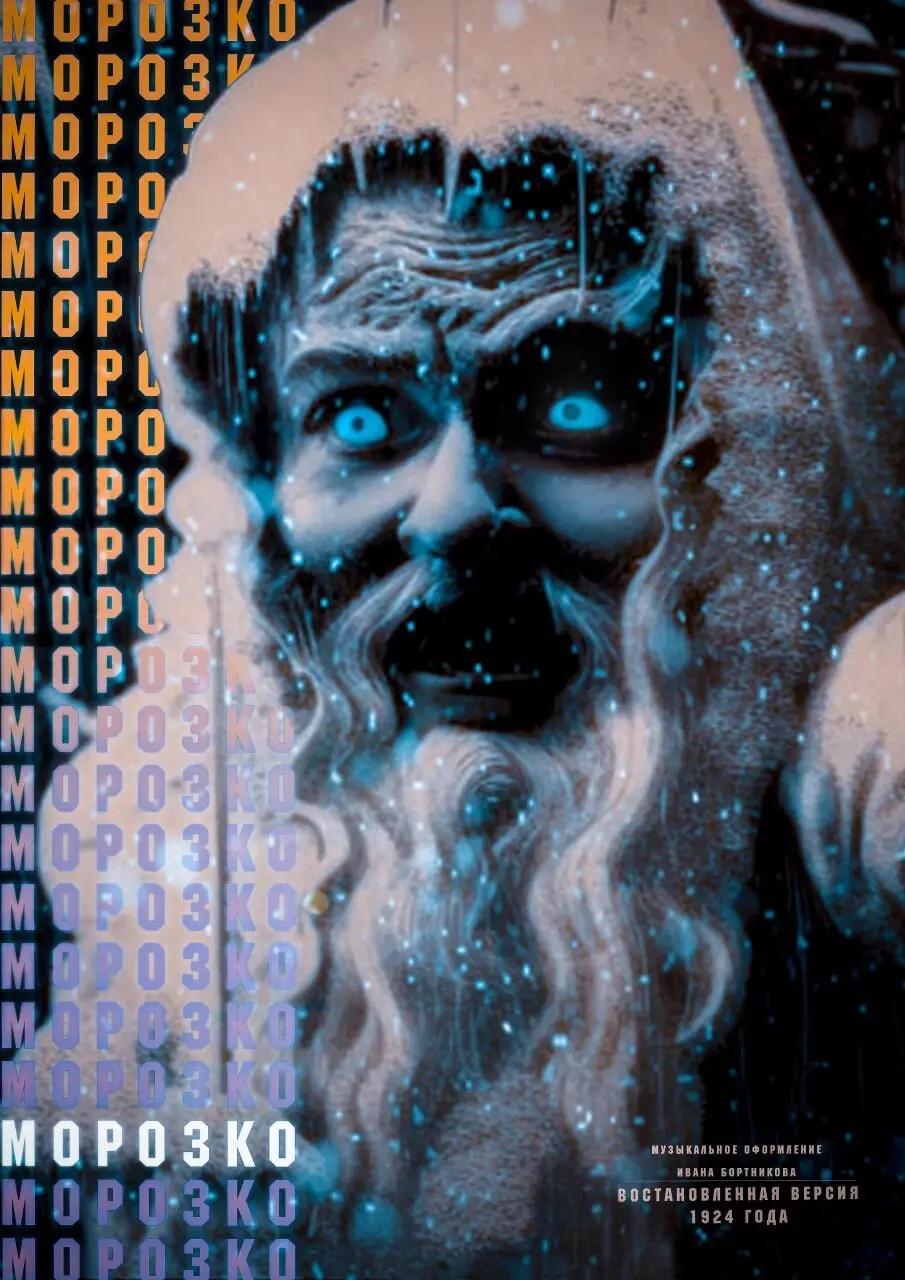
A definitive 7.1/10 rating for a film that redefined the boundaries of cult cinema. Morozko remains a cornerstone of transgressive art.
Stepping into the world of Morozko is akin to opening a forgotten, frost-kissed tome, its pages imbued with the ancient magic of a land where winter reigns supreme and human hearts are tested by elemental forces. This isn't merely a film; it's a cultural touchstone, a vibrant tapestry woven from the threads of Russian folklore, brought to life with a sincerity and visual splendor that continues to captivate generations. Far from being a simplistic children's fable, it delves into the profound dichotomies of human nature—kindness versus cruelty, humility versus vanity—all set against a backdrop of breathtaking, often unforgiving, natural beauty.
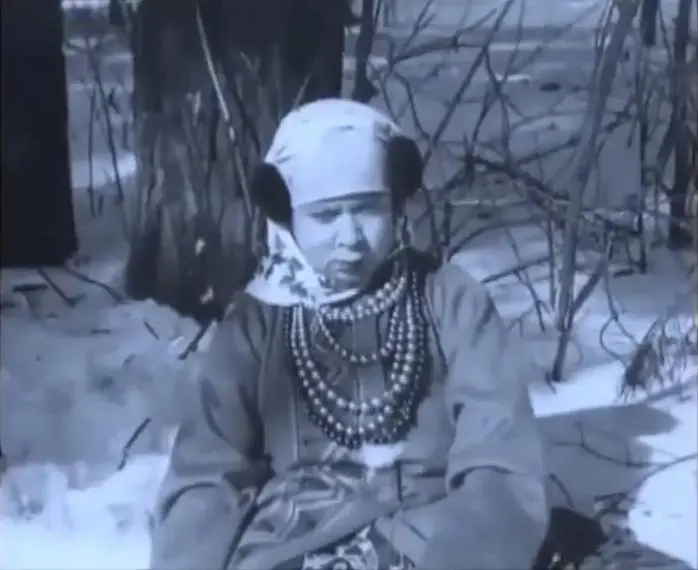
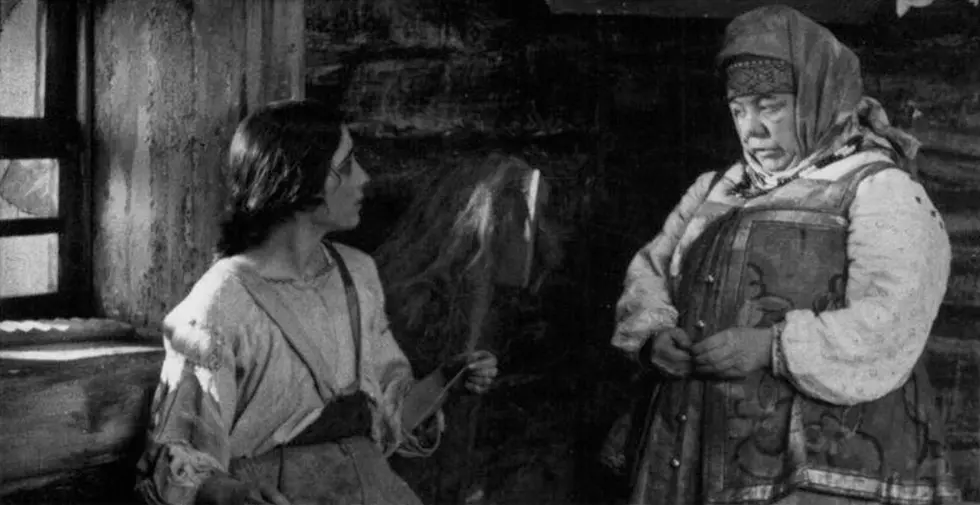
The narrative, deceptively straightforward, unfolds with the elegant inevitability of a seasonal shift. Our protagonist, a young woman whose inherent goodness shines like a beacon, endures the relentless torment of her malevolent stepmother and her equally odious stepsister. This isn't a nuanced portrayal of domestic strife; it's a stark, almost operatic depiction of pure malice juxtaposed with unshakeable virtue. The stepmother, a figure of grotesque caricature, embodies a primal, envious cruelty that demands the girl's banishment into the lethal embrace of the winter forest. It's a moment of profound emotional brutality, forcing the viewer to confront the depths of human unkindness, yet it also serves as the crucible for our heroine's ultimate transcendence.
The winter landscape itself is arguably one of the film's most compelling characters. It's not just a setting; it's an active participant, a vast, white canvas upon which the drama of human spirit and mythical intervention is painted. The cinematography, even by contemporary standards, is remarkably effective in conveying both the harshness and the serene beauty of a Russian winter. Every snow-laden branch, every icy breath, contributes to an atmosphere that feels simultaneously real and utterly fantastical. This meticulous attention to environmental detail elevates the story beyond a simple morality play, grounding its magical elements in a tangible, albeit enchanted, reality.
It is in this formidable environment that the girl encounters Morozko, the spirit of frost. This isn't a whimsical sprite but a powerful, ancient entity, depicted with a majestic sternness that commands respect. His initial tests of the girl are not designed to punish but to probe the very core of her being, to ascertain the sincerity of her kindness and the depth of her resilience. Her responses, unfailingly polite and humble despite her dire circumstances, speak volumes. This interaction forms the emotional and thematic heart of the film, illustrating that true worth lies not in outward appearances or material possessions, but in the purity of one's heart and the steadfastness of one's character. The casting of Vasili Toporkov as Morozko imbues the character with a gravitas that makes his magical interventions feel both earned and awe-inspiring, a far cry from the more overtly playful magical figures sometimes seen in other folk adaptations.
The ensemble cast, featuring talents like Boris Livanov and Varvara Massalitinova, brings a vibrant energy to these archetypal roles. Massalitinova's portrayal of the wicked stepmother is a masterclass in theatrical villainy, her every sneer and decree dripping with venom. Her performance, while exaggerated, perfectly serves the heightened reality of the fairy tale genre. Klavdiya Yelanskaya, in the role of the beleaguered but ultimately triumphant stepdaughter, radiates an inner strength that makes her suffering empathetic and her eventual reward deeply satisfying. The film's strength lies in its ability to present these larger-than-life characters without sacrificing their emotional impact, making their struggles and triumphs feel genuinely significant.
Beyond the central figures, the film is populated with an array of memorable, often eccentric, supporting characters that deepen its folkloric roots. These include talking animals, mischievous spirits, and other denizens of the enchanted forest, each contributing to the rich tapestry of the narrative. This world-building is subtle yet effective, immersing the viewer in a reality where the boundary between the mundane and the magical is delightfully permeable.
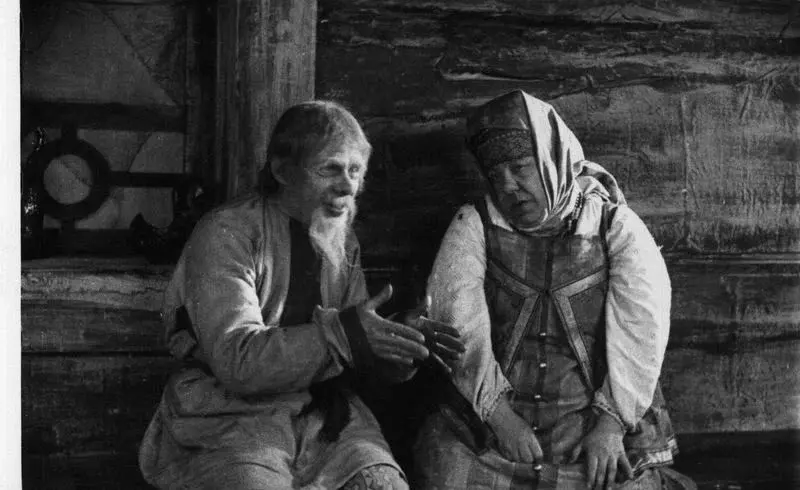
Morozko is more than just a visually appealing fairy tale; it's a profound exploration of timeless themes. It champions the virtues of humility, kindness, and perseverance in the face of adversity. The film unequivocally states that true beauty emanates from within, and that genuine goodness will ultimately be rewarded, even in the harshest of circumstances. This message, delivered without preachiness, resonates deeply and universally, explaining its enduring appeal across cultures and generations.
The film's influence can be seen in countless subsequent fairy tale adaptations, particularly those that lean into the magical realism of their source material. Its blend of practical effects, stunning outdoor photography, and earnest storytelling set a high bar. While not directly comparable in plot, the thematic underpinning of enduring hardship through virtue can be seen in the spiritual resilience explored in films like The Martyrdom of Philip Strong, where inner strength defines the character's journey, albeit in a very different context. Similarly, the struggle against internal or external forces of malice, a cornerstone of Morozko, echoes the confrontational narratives found in films such as The Hun Within, where characters must grapple with overwhelming odds or insidious influences.
The artistry behind Morozko extends to its meticulous production design and costume work. Each element contributes to the fantastical atmosphere, from the intricate patterns on Morozko's icy robes to the rustic charm of the village dwellings. These details, far from being mere adornments, serve to deepen the viewer's immersion in this unique world. The practical effects, though dated by modern standards, possess an inherent charm and ingenuity that often surpasses contemporary CGI in conveying a sense of tangibility and wonder. The transformation sequences and magical manifestations, while simple, are executed with a conviction that makes them utterly believable within the film's established reality.
The pacing of the film is deliberate, allowing the audience to savor each moment, each visual tableau. It eschews the rapid-fire editing and constant stimulation common in many modern productions, opting instead for a more contemplative rhythm that mirrors the slow, majestic unfolding of a winter landscape. This unhurried approach allows for greater emotional impact, giving scenes the space to breathe and allowing the moral lessons to sink in without feeling didactic. It's a testament to the power of classic storytelling, where the narrative's inherent strength is allowed to shine without unnecessary embellishment.
Morozko also serves as a fascinating cultural document, offering a glimpse into the enduring power of Russian folklore and its capacity to convey universal truths. The film's allegorical nature is undeniable; it speaks to the age-old human struggle between good and evil, selfishness and altruism. In an era often dominated by cynicism, its unwavering belief in the triumph of virtue is both refreshing and deeply moving. It reminds us that even in the bleakest of winters, warmth and hope can always be found, often in the most unexpected places.
The film's unique charm also lies in its distinctly Eastern European aesthetic, which sets it apart from Western fairy tale adaptations. There's a certain rugged beauty, a pragmatic magic, that permeates every frame. This authenticity is key to its enduring appeal, preventing it from feeling generic or derivative. It stands proudly as a singular vision, a testament to the creative spirit of its writers and the director's unwavering commitment to the source material.
In conclusion, Morozko transcends its humble origins as a folk tale adaptation to become a cinematic experience of considerable depth and beauty. Its stark morality, enchanting visuals, and heartfelt performances combine to create a film that is both deeply entertaining and profoundly resonant. It's a reminder of the power of storytelling to illuminate the human condition, to celebrate virtue, and to offer hope even in the face of overwhelming adversity. For anyone seeking a film that marries genuine magic with timeless moral lessons, Morozko remains an essential, captivating watch, a shimmering jewel in the crown of world cinema.
Its ability to evoke such strong emotional responses, from the frustration at the stepmother's cruelty to the heartwarming joy of Morozko's benevolence, speaks volumes about its narrative strength. Unlike some other films that might struggle with maintaining a consistent tone, Morozko expertly balances its darker elements with moments of pure, unadulterated wonder. The underlying message, that kindness is a strength more potent than any cold, calculated malice, is delivered with such conviction that it leaves an indelible mark. It’s a fable for the ages, its wisdom as crisp and clear as the winter air it so beautifully depicts, proving that some stories, like the spirit of frost itself, are truly eternal.
IMDb —
1922
Community
Log in to comment.