DbcultAccessing Vault...
7.3/10
Senior Film Conservator
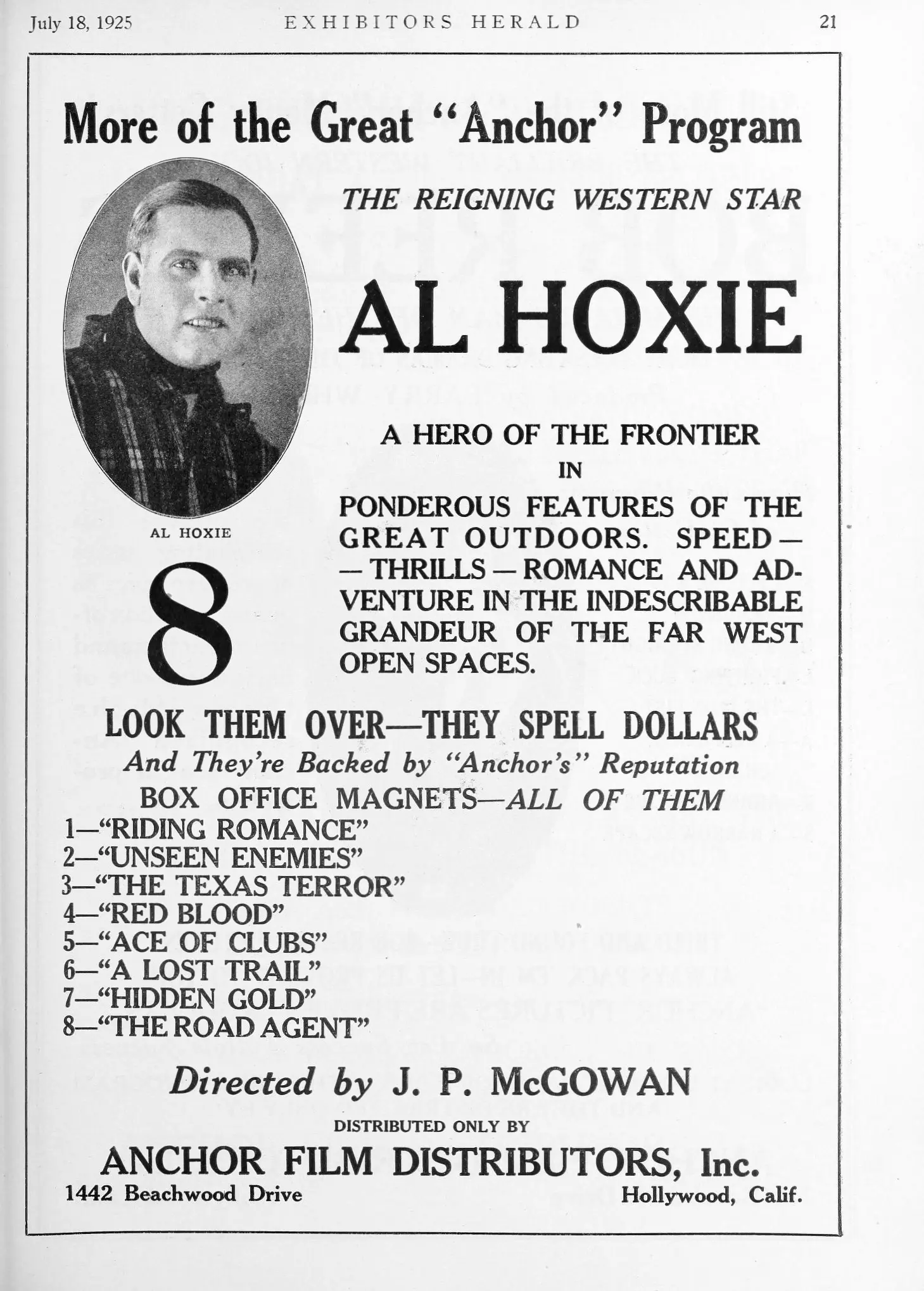
A definitive 7.3/10 rating for a film that redefined the boundaries of cult cinema. Red Blood remains a cornerstone of transgressive art.
Donald Custer, played by J.P. McGowan, is a man ensnared in a web of deceit and moral corruption. His story begins with a fateful poker game where he, under the guise of his father's name, forges a check to settle a debt. However, the game is not as straightforward as it appears, and 'Ace High', a cunning and relentless adversary, easily outmaneuvers Custer. When Custer attempts to reclaim the check, he finds himself entangled in a series of events that spiral towards tragedy.
The film's narrative is a chess game of misdirection and suspense. Buck, another character played by Len Sowards, arrives on the scene to retrieve the check, a task that is fraught with peril. Upon his arrival, he discovers the body of Carlotta, a woman whose involvement in the poker game is a mystery. This pivotal moment sets the stage for a series of confrontations and revelations that challenge the audience's understanding of trust and loyalty.
As Buck and Custer navigate through the shadows of betrayal, the film delves into the psychological and emotional turmoil of its characters. The relationship between the two men evolves from a simple task of retrieval to a complex dance of mutual suspicion and growing respect. The tension is palpable, and the audience is drawn into the intricate plot twists that unfold.
The film's visual storytelling is a testament to its era. The use of close-ups and dramatic lighting effectively convey the characters' inner turmoil and the intensity of the situations they face. The cinematography captures the gritty realism of the setting, from the dimly lit poker rooms to the vast, open spaces that symbolize the characters' isolation and vulnerability.
One of the standout aspects of 'Red Blood' is its exploration of moral ambiguity. The film raises questions about the nature of justice and the consequences of one's actions. It is a commentary on the corrupting influence of money and power, and how they can warp the moral fabric of individuals. The characters are not solely defined by their moral choices; they are multifaceted individuals whose actions are influenced by their past and the present circumstances.
The performances of J.P. McGowan and Len Sowards are particularly noteworthy. McGowan's portrayal of Donald Custer is a tour de force, capturing the character's transformation from a naive gambler to a hardened and determined man. Sowards' performance as Buck adds depth to the narrative, as he oscillates between being a partner and an adversary. The chemistry between the two actors is electric, and their interactions are the heart of the film's compelling tension.
Comparatively, 'Red Blood' shares a similar thematic depth with films like 'The Writing on the Wall' and 'Ashes of Hope'. Both these films explore the darker aspects of human nature and the moral compromises that come with ambition and desire. However, 'Red Blood' stands out with its more direct and visceral portrayal of conflict and its exploration of the psychological impact of deception.
The film's score, while not as prominent as the visual elements, adds a layer of emotional depth to the proceedings. The music, often subtle and background, enhances the tense atmosphere and underscores the emotional stakes of the characters' actions.
While 'Red Blood' is a silent film, it excels in utilizing sound effects and intertitles to convey dialogue and enhance the narrative. The intertitles are carefully crafted, providing context and advancing the plot without breaking the flow of the action. This technique is particularly effective in conveying the characters' thoughts and emotions, making the film a compelling and immersive experience.
One of the film's strengths is its ability to maintain a consistent tone throughout. Despite the complexity of the plot, the film never loses its grip on the audience. The pacing is well-balanced, with moments of intense action and quieter, more introspective scenes that provide moments of respite and reflection.
However, the film is not without its flaws. The ending, while satisfying in its resolution, feels somewhat rushed. The abrupt conclusion leaves some loose ends that could have been explored further to provide a more complete narrative. Additionally, the film's reliance on visual storytelling and intertitles means that it may not be as accessible to modern audiences who are less familiar with silent film techniques.
Despite these minor drawbacks, 'Red Blood' is a significant achievement in its genre. It is a film that demands attention and provocation, challenging the viewer to engage with its complex narrative and morally ambiguous characters. For film enthusiasts and those interested in the silent era, 'Red Blood' is a must-see. It is a reminder of the artistry and depth that could be achieved in cinema before the advent of sound.
IMDb 5.7
1933
Community
Log in to comment.