DbcultAccessing Vault...
Cult Review
Senior Film Conservator
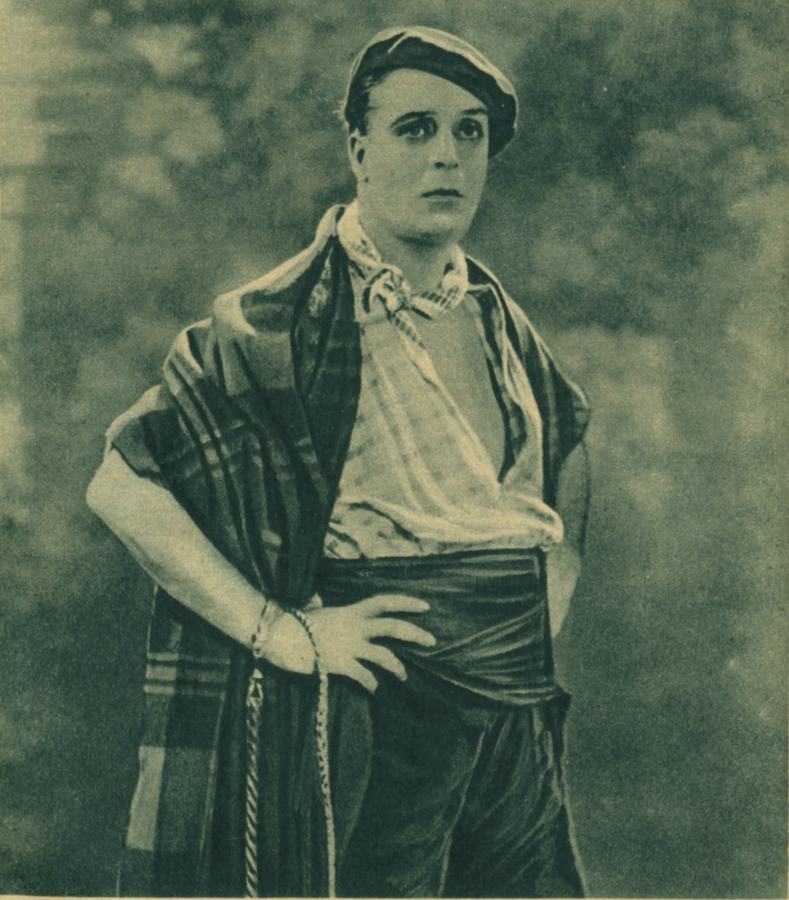
To witness La brèche d'enfer is to step into a time capsule where the grammar of cinema was still being forged in the white-hot heat of creative experimentation. This 1923 relic, penned by the prolific Pierre Decourcelle, represents a pinnacle of the French silent tradition—a genre that prioritized atmospheric density and emotive resonance over the literalism that would later dominate the medium.
Pierre Decourcelle was not merely a writer; he was a master architect of the soul's darker corridors. In La brèche d'enfer, his narrative construction avoids the simplistic tropes often associated with early melodrama. Instead, he crafts a world where the environment itself—the jagged rocks and the cavernous depths—acts as a silent protagonist. Much like the sprawling emotional landscapes found in The Soul of Buddha, Decourcelle utilizes the screen to externalize internal turmoil. The script demands a level of nuance from its cast that was rare for the era, pushing the boundaries of what could be communicated without the crutch of synchronized dialogue.
The story’s progression is deliberate, almost agonizingly so, allowing the tension to ferment. We see echoes of this structural patience in contemporary German works like Der Fund im Neubau - 2. Teil: Bekenntnisse eines Mörders, where the slow reveal of moral decay is far more impactful than any sudden shock. Decourcelle understands that the 'breach' is not just a place, but a moment of no return—a point where the characters must confront their own reflections in the dark pool of their choices.
At the heart of this storm is Simone Jacquemin. Her performance is a masterclass in subtlety. In an era where many actors succumbed to the 'theatrical' style of exaggerated gesticulation, Jacquemin employs a restrained vocabulary of micro-expressions. Her eyes carry the narrative's burden, reflecting a spectrum of emotion from paralyzing fear to defiant resolve. When contrasted with the more aggressive screen presence found in The Man Tamer, Jacquemin’s approach feels strikingly modern. She does not play to the gallery; she plays to the lens, inviting the audience into her character's claustrophobic reality.
Murray Goodwyn provides a sturdy counterpoint, his physicality grounding the more ethereal elements of the plot. The chemistry between the leads is palpable, built on a foundation of shared silence and meaningful proximity. The supporting cast, including Gaby de Naval and Manuel Caméré, populates the world with a sense of lived-in history. Each character feels like they possess a life off-screen, a backstory that informs their every move within the frame. This ensemble depth is reminiscent of the character-driven complexity in Society for Sale, where social standing and personal integrity are in constant friction.
The cinematography of La brèche d'enfer is nothing short of revolutionary for 1923. The use of natural light, filtered through the rugged French landscapes, creates a chiaroscuro effect that heightens the film's gothic undertones. The camera is not a static observer; it moves with a predatory grace, stalking the characters through the 'breach' and capturing the sheer scale of their isolation. This visual ambition rivals the aerial grandeur seen in Washington's Sky Patrol or the technical bravado of The Zeppelin's Last Raid, yet it remains firmly rooted in the emotional stakes of its domestic drama.
There is a sequence near the midpoint of the film where the shadows seem to lengthen of their own accord, swallowing the protagonists as they navigate a mountain pass. It is a moment of pure visual poetry, suggesting that the physical world is conspiring against their survival. This thematic use of landscape is a precursor to the psychological thrillers of the mid-century, proving that the silent era was far more sophisticated than modern audiences often credit it for. The textures of the film—the grain of the wood, the spray of the water, the coarseness of the stone—are captured with a tactile intimacy that makes the viewing experience visceral.
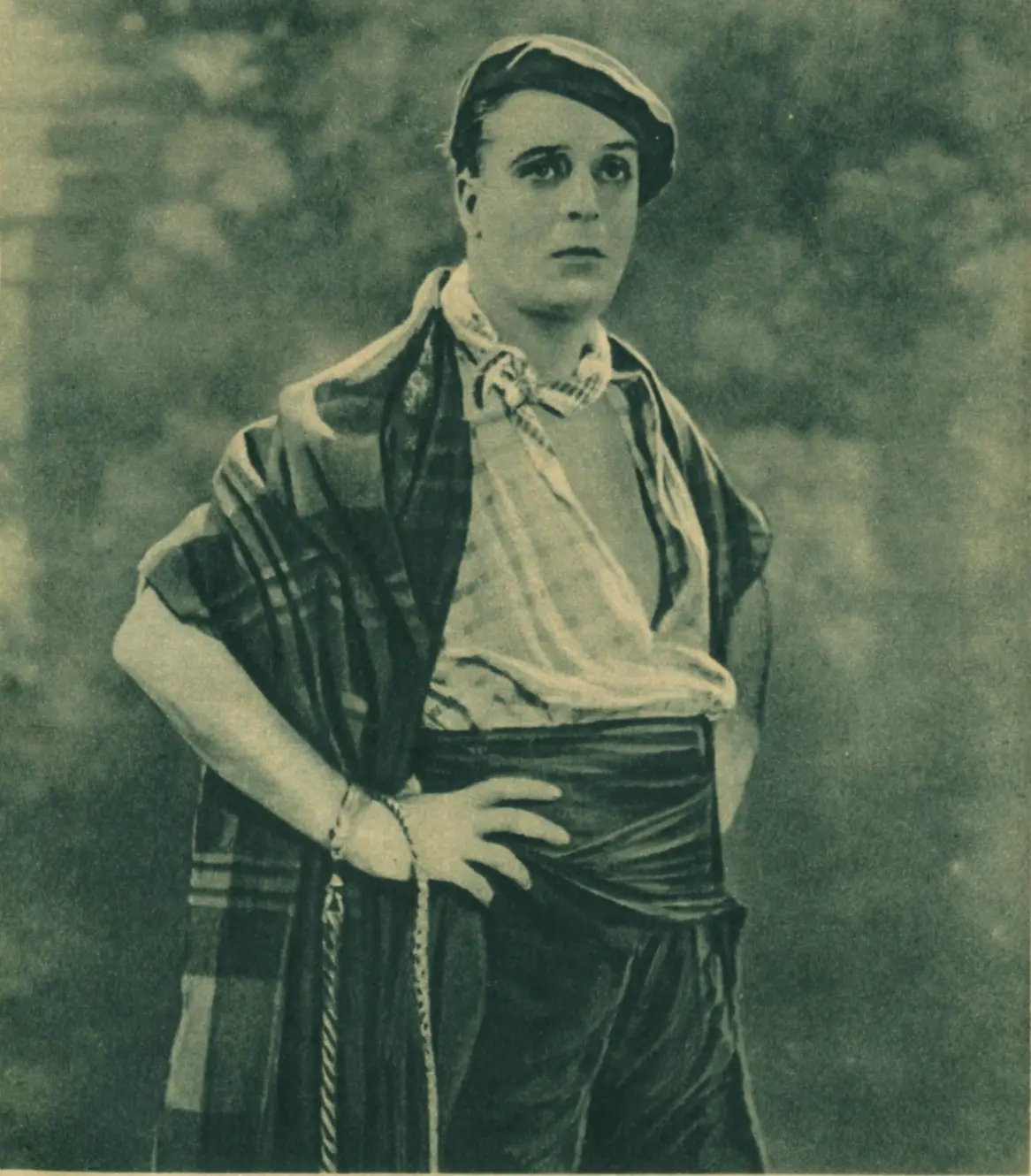
While La brèche d'enfer operates within the framework of melodrama, it serves as a scathing critique of the rigid class structures of post-war France. The characters are trapped not just by their secrets, but by the expectations of their station. This exploration of the 'parasitic' nature of high society mirrors the themes explored in Parasites of Life. Decourcelle uses the high-stakes plot to expose the rot beneath the gilded surface of the French aristocracy, suggesting that the 'hell' of the title is as much a social construct as a physical reality.
In many ways, the film acts as a bridge between the historical grandeur of Kaiserin Elisabeth von Österreich and the contemporary grit of Blue Blazes. It balances the weight of tradition with the urgency of the present. The 'breach' becomes a symbol for the divide between the old world and the new—a gap that many of the characters find impossible to cross. The film’s preoccupation with reputation and the consequences of past actions also brings to mind the moral weight of Under Suspicion, though Decourcelle’s vision is arguably more cynical and visually expansive.
One cannot discuss La brèche d'enfer without acknowledging its unique rhythm. The editing, handled with a precision that belies the primitive technology of the time, creates a cadence that is almost musical. There are movements of frantic activity followed by long, contemplative pauses. This rhythmic ebb and flow is essential to the film's power; it forces the viewer to sit with the characters in their moments of quiet desperation. It lacks the frenetic energy of Married in Haste, opting instead for a brooding intensity that lingers long after the final frame.
The intertitles are used sparingly, allowing the visual storytelling to carry the majority of the weight. When they do appear, they possess a poetic quality that enhances the mood rather than simply explaining the plot. This is high-level cinema, where every element—from the costume design of Renée Wilde and Germaine Bordat to the set pieces—is meticulously curated to serve the overarching theme of inescapable fate. It is a film that demands total immersion, rewarding the patient viewer with a profound sense of catharsis.
Comparing La brèche d'enfer to its contemporaries reveals its unique standing. While The Siren's Song might lean more heavily into the seductive power of the femme fatale, and Triumph might focus on the grandiose nature of success, La brèche d'enfer is more interested in the internal collapse of the individual. It is a more intimate, and ultimately more devastating, portrait of the human condition. Even when placed alongside the rugged American frontierism of Honeymoon Ranch or the historical pageantry of The Royal Oak, this French masterpiece stands out for its sheer psychological depth.
The film’s conclusion is neither happy nor tragic in the conventional sense; it is inevitable. The 'breach' is finally crossed, but at a cost that leaves the survivors fundamentally altered. It is this refusal to provide easy answers that cements La brèche d'enfer as a work of high art. It challenges the viewer to look into the abyss and recognize the reflection staring back. In the pantheon of silent cinema, this film deserves a place of honor—not just as a historical curiosity, but as a living, breathing piece of storytelling that continues to resonate with its raw emotional honesty and visual splendor.
"In the silence of the breach, the loudest sound is the breaking of a human heart."
IMDb —
1917
Community
Log in to comment.