DbcultAccessing Vault...
5.8/10
Senior Film Conservator
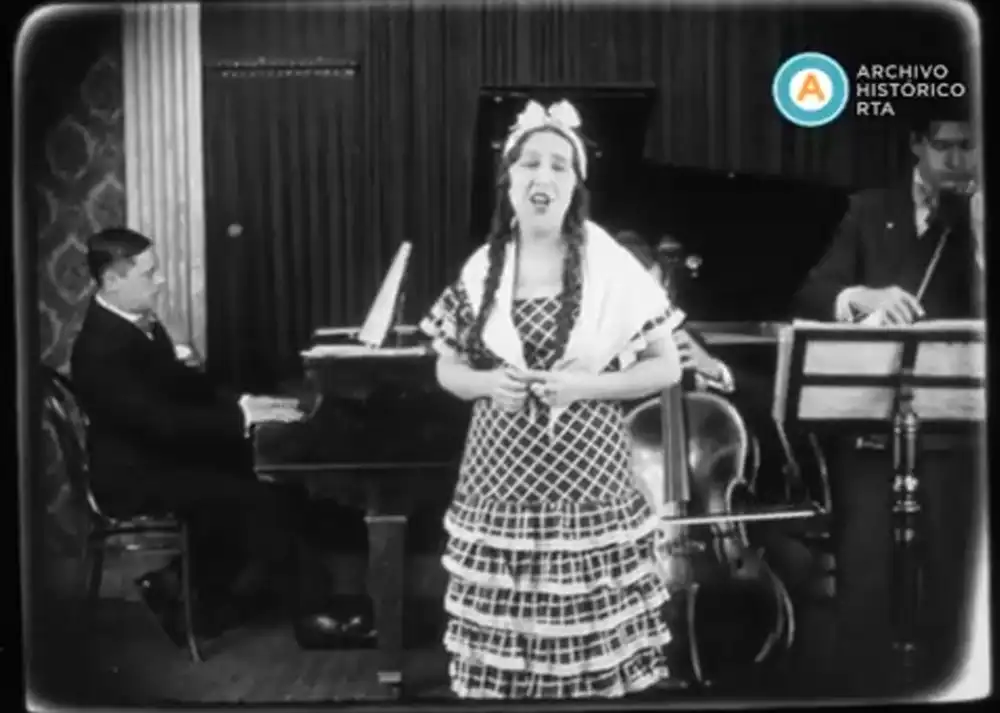
A definitive 5.8/10 rating for a film that redefined the boundaries of cult cinema. Mosaico criollo remains a cornerstone of transgressive art.
Alright, let’s talk about Mosaico criollo. If you’re looking for something with explosions or even, like, fast talking, this isn’t it. It’s a film for the curious, for folks who dig into the very early days of cinema and want to see how stories were told then. You’ll probably hate it if your idea of a good time is anything made after 1980. But if you’re up for a slow, almost meditative experience, a sort of historical artifact, then yeah, give it a shot. Just manage your expectations, okay? 🧐
The title itself, Mosaico criollo, really nails what you're in for. It's a mosaic. Pieces. Not a big, clean picture with a beginning, middle, and end like we're used to. It feels more like the camera just sort of drifted through a neighborhood, catching bits of life as they happened. You don’t get a clear plot in the modern sense. Instead, you observe.
There's this sequence, I remember, where a woman, played by Nedda Francy, is just sitting by a window. The shot lingers. And lingers. You see the light change. You feel her quiet waiting, maybe a bit of sadness. It’s not dramatic, not in an obvious way. But that stillness? It just kinda sinks in. You don't get much dialogue, of course, but her expressions, the way she moves her hands ever so slightly, it tells a whole story without a single word. It’s pretty captivating, honestly.
And the music. Since Julio Perceval was involved, you know the score would have been a big deal back then. Even just imagining it, the film has a kind of rhythmic flow. Like a folk tune playing softly in the background of your mind as you watch. It's all part of that 'criollo' feel, I think. Very much of its place and time.
The pacing is a thing. It’s deliberate. Some might say slow. Very slow. But it forces you to actually look at what’s on screen. Not just glance, but really take in the details: the old street scenes, the costumes, the faces. You can almost feel the dust in the air, the warmth of the sun on those old buildings. It’s a real postcard from the past.
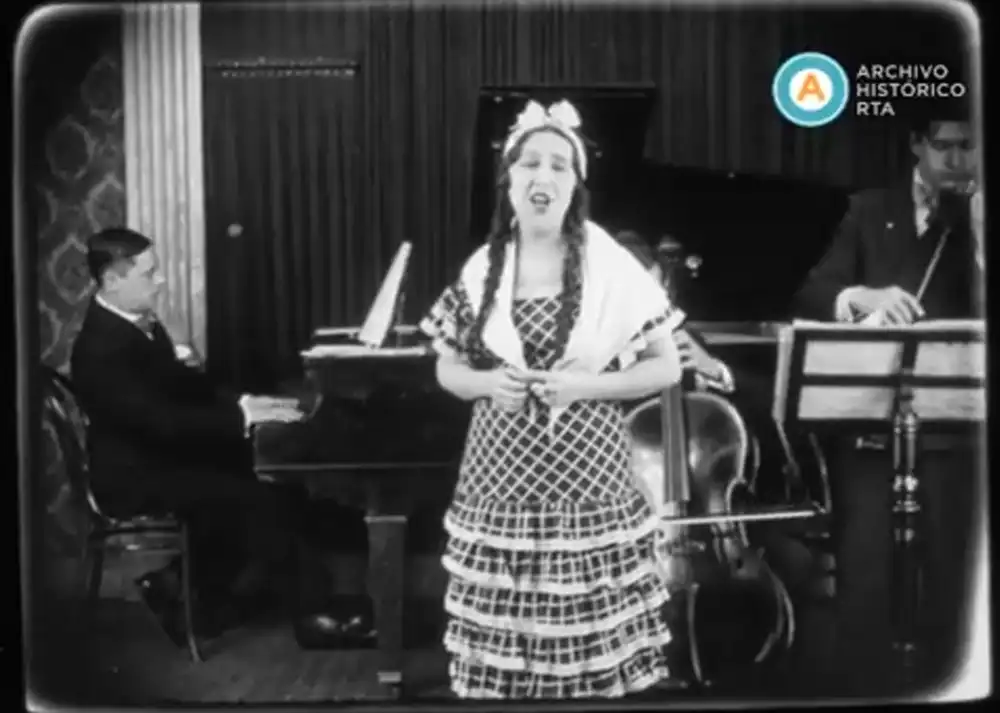
Miguel Faust Rocha, too, has some moments where he's just... existing. His character often feels like he carries a silent burden. There's a scene where he's at a small, cluttered desk, and he just puts his head in his hands for a long moment. No big outburst, no tears. Just that heavy sigh you can almost hear. It’s surprisingly effective.
What’s fascinating is how the film builds atmosphere. It’s not just about what the characters are doing. It’s about the spaces they inhabit. The way a lamp casts shadows. The empty market square at dawn. These little, almost mundane things become important. They give the film its texture. Its soul, even.
Sometimes, a scene goes on just a little too long, where you start to wonder if the projectionist fell asleep. Then you realize, oh, that’s just how it was. That’s the rhythm. It’s not a mistake; it’s a deliberate choice. Or maybe not deliberate, just... natural for the era. It makes you adjust your own internal clock.
The film isn't trying to deliver a grand message. It doesn't have a big twist. It's more about presenting a slice of life, a feeling. A snapshot. And for that, it works. It doesn't pretend to be anything it's not.
You probably won't be talking about the intricate plot points of Mosaico criollo with your friends. But you might remember that quiet woman by the window, or the heavy sigh of a man at his desk. Those small, human moments? They stick with you.
So, yeah. If you're a film student, or just a really patient person with a deep love for cinema history, Mosaico criollo offers something unique. It’s not an easy watch for everyone, but it’s a genuine piece of history. It feels like someone just pointed a camera and said, 'Let's see what happens here.'
IMDb —
1916
Community
Log in to comment.