DbcultAccessing Vault...
Cult Review
Senior Film Conservator
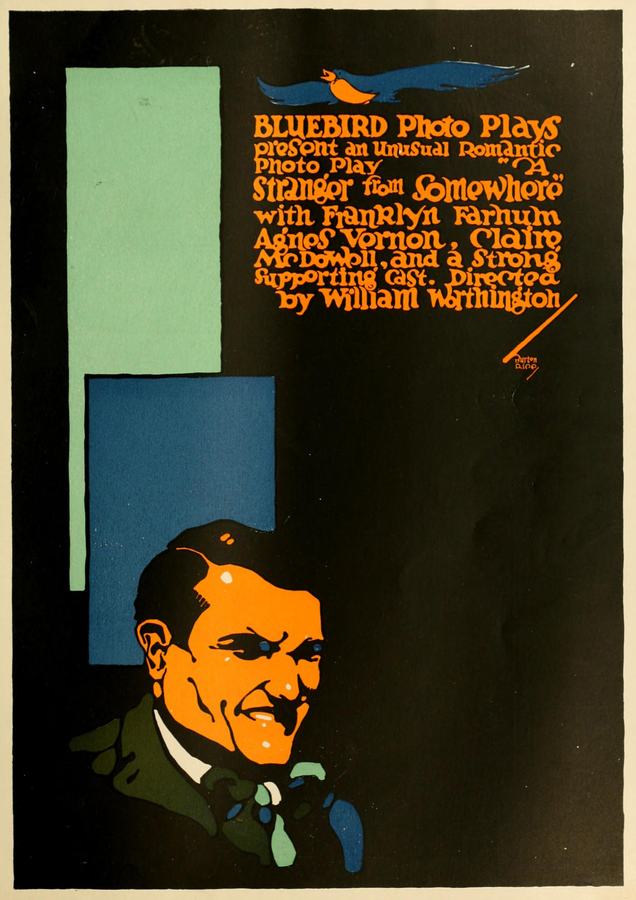
In the annals of early cinema, where narratives often hinged on grand gestures and melodramatic turns, a film like A Stranger from Somewhere emerges as a surprisingly intricate tapestry of human folly and fate. Released in 1916, this silent era gem transcends mere entertainment, offering a compelling study in the psychology of deception, the capricious nature of love, and the profound confusion born from mistaken identity. It’s a work that, even through the patina of age, speaks with a resonant clarity about the eternal dance between artifice and authenticity, a complex ballet choreographed by the whims of cunning con artists and the innocent heart of a millionaire. This isn't just a story; it's a meticulously crafted puzzle, each piece a testament to the ingenuity of its creators and the enduring power of a well-told tale.
The film plunges us headfirst into the audacious world of professional swindlers, personified by the charismatic yet calculating duo, Howard Dana and Olga Veloski. Their target: Sam Brockton, a Western millionaire whose recent arrival in town signals an opportunity for a lucrative fleece. What makes their initial gambit so compelling is not just the audacity, but the meticulous planning. They choose a vacant residence on 'Millionaire's Row,' transforming it into a temporary stage for their elaborate confidence game. This setting immediately establishes a tension between appearance and reality, a theme that will permeate every layer of the narrative. The very air of wealth and respectability is weaponized, an invisible lure for the unsuspecting. It's a calculated risk, a high-stakes performance where the emotional and financial vulnerabilities of the mark are expertly exploited. The precision of their planning, the seamless execution of their deception, speaks volumes about the darker side of human ingenuity, a craft honed to perfection, echoing the intricate schemes seen in other crime dramas of the era, such as The Man Who Could Not Lose, where the stakes are equally high and the lines between right and wrong blur with every calculated move.
Just as Olga and Howard prepare to spring their trap, the narrative takes an unforeseen, romantic turn. Sam Brockton, far from being a mere mark, is portrayed as a genuinely good-hearted individual. His encounter with Agnes Darling and her father, precipitated by a mundane automobile breakdown, is a stroke of pure serendipity. Brockton, ever the gentleman, offers assistance, and in that shared moment of mechanical troubleshooting, a connection sparks. Agnes, charming and gracious, captivates him instantly. This organic, unscripted development stands in stark contrast to the meticulously planned machinations of the con artists. It introduces an element of genuine human emotion, a pure, unadulterated romance that threatens to derail the entire scheme. This unexpected love story provides the narrative with its moral compass, a beacon of authenticity amidst a sea of manufactured realities. It's a testament to the idea that even in the most cynical of worlds, genuine connection can blossom, a theme often explored in the romantic melodramas of the era, where love, often against all odds, finds a way to assert itself.
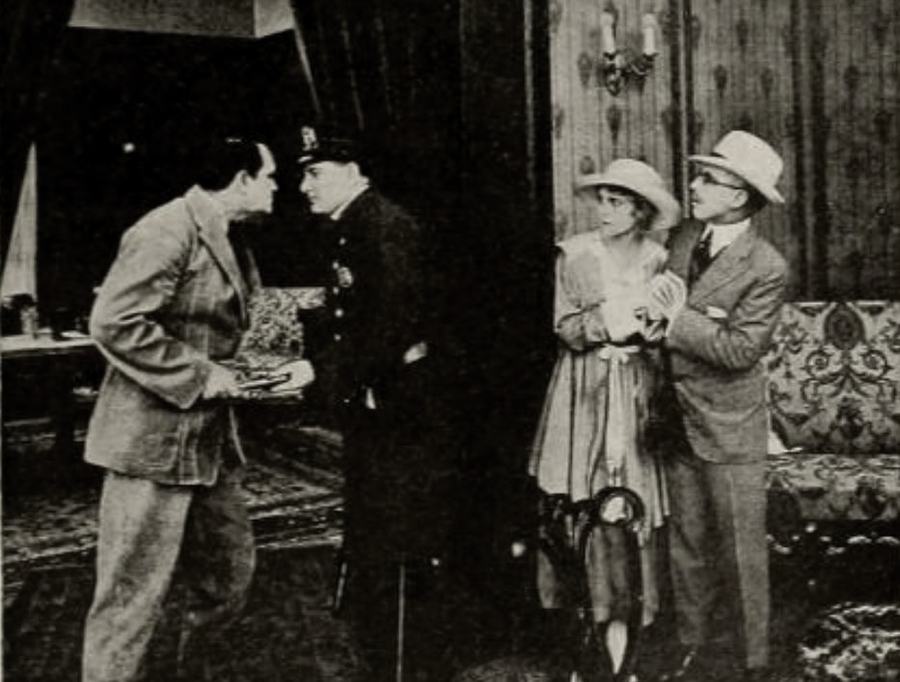
Olga, ever the opportunist, witnesses the nascent romance between Brockton and Agnes. With cunning alacrity, she seizes upon this new development, luring Brockton to what she deceptively claims is her residence, but is, in fact, the city home of the Darlings – a house currently vacant, or so she believes. The confidence game is executed, Brockton is fleeced, and the swindlers make their escape. However, the carefully constructed illusion shatters with the unexpected arrival of Mr. Darling and Agnes. Discovering Brockton in their home, a stranger amidst their private sanctuary, could have spelled disaster. Yet, Brockton's inherent honesty, his frank and engaging explanation, not only diffuses the tense situation but remarkably endears him to the Darlings. They are charmed, perhaps even impressed by his candor, and in a gesture of unexpected hospitality, invite him to their country home in the mountains. This pivotal scene is a masterclass in dramatic irony; the very act of deception inadvertently paves the way for deeper, more authentic connections, showcasing the unpredictable nature of human interaction and the sheer luck that can sometimes intervene in the most dire circumstances. It's a delicious twist that elevates the narrative beyond a simple crime story, imbuing it with layers of human fallibility and surprising grace.
The plot thickens considerably with the introduction of 'Dippy' Lewis, another member of Olga's criminal fraternity. His striking, almost uncanny, resemblance to Sam Brockton is a stroke of narrative genius. Olga, overhearing the Darlings' invitation to Brockton, immediately recognizes the immense potential of this doppelgänger. Her new plan is audacious: dress 'Dippy' to impersonate Brockton and send him to the mountain retreat. This development catapults the film into the thrilling territory of mistaken identity, a trope beloved in fiction for its inherent dramatic and comedic possibilities. The idea of one person being mistaken for another, especially when their characters are diametrically opposed, creates a rich vein of narrative tension. 'Dippy,' a common crook, is now tasked with embodying the refined millionaire, a performance that is bound to have catastrophic consequences. The film explores the profound implications of identity – how much of it is inherent, and how much is perceived? Can a mere change of clothes and location truly transform a man, or will his true nature inevitably betray him? This thematic exploration of identity, its malleability and its unbreakable core, resonates with the philosophical undertones found in other silent films that questioned the nature of self, such as Das Bildnis des Dorian Gray, where external appearance and internal corruption are in constant, unsettling dialogue.
'Dippy' Lewis, under Olga's direction, arrives at the Darlings' mountain home, received as the esteemed Sam Brockton. However, a criminal cannot simply shed his skin. 'Dippy's' inherent instincts lead him to commit a series of robberies among the hotel guests, tarnishing Brockton's reputation before the real man even arrives. When Brockton finally makes his appearance, he finds himself under immediate suspicion, bewildered by Agnes's perplexing conduct towards him. The audience, privy to the deception, experiences a delicious irony as Brockton navigates a world that seems to have turned against him, unable to comprehend the subtle shifts in Agnes's demeanor or the accusatory glances from others. Agnes, on her part, is genuinely perplexed by the strange transition in 'Brockton's' manner. The gentlemanly, charming man she met by the roadside has seemingly become crude, even suspicious. This dramatic contrast between the authentic Brockton and the impostor 'Dippy' highlights the profound difference that character, beyond mere physical resemblance, makes. It's a classic setup for both tension and comedic misunderstanding, a narrative device employed with great effect to showcase the havoc that mistaken identity can wreak on relationships and reputations, not unlike the moral quandaries faced by characters in films like The Folly of Desire, where compromised identities lead to escalating complications.
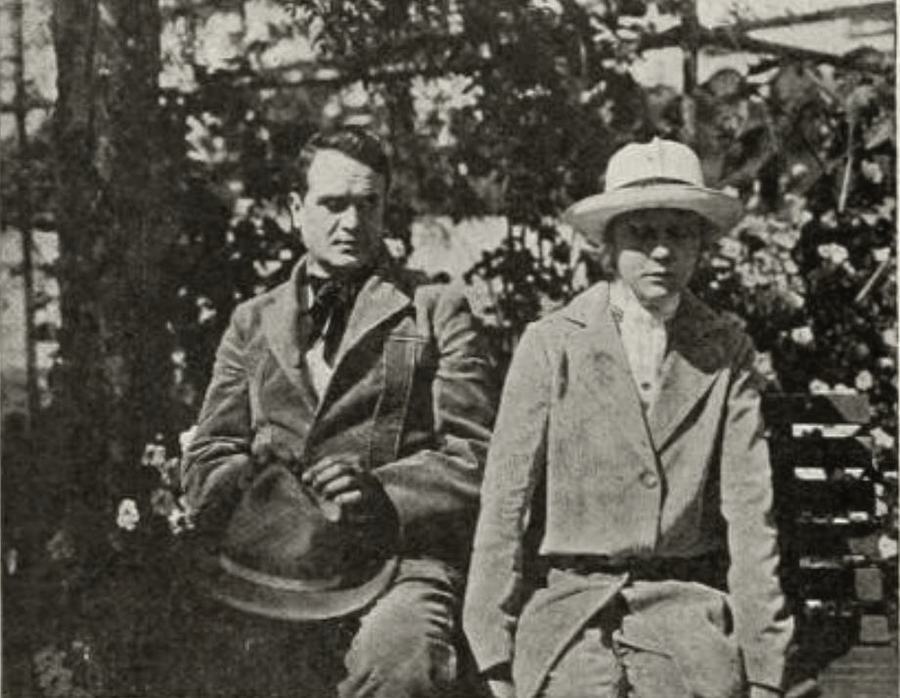
As if the web of deceit weren't tangled enough, Olga orchestrates another sinister plot: to chloroform Brockton and dispose of him in a cellar, ensuring 'Dippy' has free reign. However, in a stroke of narrative brilliance and comedic timing, her toughs, misled by the striking resemblance, mistakenly chloroform and confine 'Dippy' instead. This accidental kidnapping is a pivotal moment, introducing an element of farcical humor into the escalating drama. It not only removes the impostor from the scene, thus inadvertently clearing the path for the real Brockton, but also underscores the inherent chaos that can undermine even the most meticulously laid criminal plans. The irony is palpable: the very tool intended to secure the deception ultimately contributes to its unraveling. This unexpected turn of events injects a fresh surge of energy into the plot, demonstrating that even the most cunning criminals are subject to the unpredictable currents of chance and misjudgment. It's a delightful subversion of expectations, a reminder that in the world of silent film, often populated by clear-cut heroes and villains, fate frequently interjects with its own unique brand of justice and comedic timing.
With 'Dippy' temporarily out of commission, the true Brockton finds himself free to continue his courtship of Agnes, albeit under a cloud of her initial confusion. The Darlings, deciding to return to the city, extend their invitation for Brockton to call upon them there. Olga, still oblivious to the mix-up and 'Dippy's' predicament, remains convinced that her original plan is progressing. She works to locate and free 'Dippy,' intent on having him once again impersonate Brockton for a final, decisive maneuver at the Darling home. However, fate, or perhaps simply good timing, intervenes yet again. Before Olga can execute her renewed scheme, Brockton makes his genuine visit to the Darlings. The stage is thus set for the ultimate confrontation, a dramatic climax where the intricate threads of deception, romance, and mistaken identity finally converge. When Olga, unaware of Brockton's earlier visit, sends 'Dippy' to call at the Darling residence, the two men—the genuine millionaire and his crude doppelgänger—meet face-to-face. This moment is the narrative's crescendo, the point where all illusions shatter, and truth, with all its messy implications, is finally revealed. The ensuing confrontation, though likely depicted with the exaggerated expressions and gestures characteristic of silent cinema, would have been a profoundly satisfying resolution, as the tangled matters are settled once and for all. This dramatic unmasking and the subsequent fallout are reminiscent of the heightened emotional stakes and revelations found in intense dramas like Carmen, where passion and betrayal ultimately lead to an explosive conclusion.
In a film so reliant on the nuances of identity and deception, the performances of the cast are paramount. While specific details of their acting styles are often lost to time, the silent era demanded a unique blend of expressive physicality and emotional clarity. Franklyn Farnum, as Sam Brockton, would have needed to convey not just the millionaire's wealth, but his inherent goodness, his charm, and later, his genuine bewilderment. His portrayal would have been crucial in garnering audience sympathy and distinguishing him from his crude counterpart. Agnes Vernon, as Agnes Darling, would have had the challenging task of portraying a woman caught between two versions of the same man, her confusion and growing affection needing to be conveyed without dialogue. Her ability to subtly shift her expressions, from initial fascination to perplexing doubt and finally to understanding, would have anchored the emotional core of the film. Claire McDowell, likely playing Olga Veloski, would have embodied the cunning mastermind, her ambition and ruthlessness evident in every calculated glance and gesture. Barney Furey, likely as 'Dippy' Lewis, would have offered a stark, often comedic, contrast to Farnum's Brockton, his rough edges and criminal instincts shining through the borrowed finery. The success of such a complex plot hinges on the actors' ability to delineate these distinct personas, making the audience believe in the deception while also recognizing the underlying truth. The subtle ways these actors used their bodies, their eyes, and their facial expressions to communicate layers of meaning, particularly in differentiating Brockton from 'Dippy,' would have been a masterclass in silent film artistry, echoing the intricate character work required in psychologically charged films like The Bells, where inner turmoil is externalized through powerful, non-verbal performance.
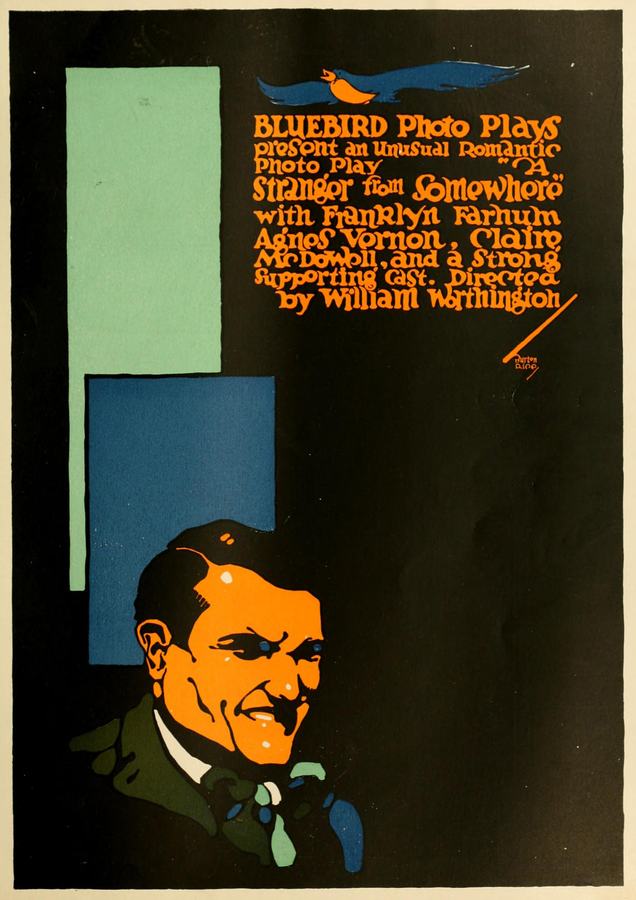
Beyond the performances, A Stranger from Somewhere would have showcased the burgeoning cinematic techniques of its time. The direction would have been tasked with maintaining the intricate plot's clarity, guiding the audience through the labyrinth of mistaken identities and shifting allegiances. Cinematography, even in its nascent stages, would have played a vital role in establishing mood and setting, from the opulent interiors of 'Millionaire's Row' to the serene, yet ultimately deceptive, beauty of the mountain retreat. The use of intertitles would have been crucial, not just for dialogue, but for providing narrative exposition and internal thoughts, guiding the audience's understanding of the complex emotional states and plot twists. Editing, though less sophisticated than today, would have been essential in building suspense, contrasting scenes of deception with moments of genuine romance, and orchestrating the climactic meeting of the two 'Brocktons.' The film's ability to sustain its intricate narrative over its runtime, relying solely on visual storytelling and explanatory text, is a testament to the ingenuity of early filmmakers who were constantly pushing the boundaries of this new art form. It's a reminder of the foundational principles of visual storytelling that continue to inform cinema today, a narrative ambition that could be compared to the grand, adventurous scope of films like The Extraordinary Adventures of Saturnino Farandola, which similarly navigated complex plots with the tools of early cinema.
At its heart, A Stranger from Somewhere is more than just a crime caper; it's a poignant exploration of universal themes. The central conflict between deception and authenticity resonates deeply. Olga's elaborate cons are contrasted with Brockton's genuine nature, highlighting the fragile line between appearance and reality. The film subtly questions whether true character can ever be fully concealed, or if it will inevitably shine through, despite all attempts at impersonation. Love, too, plays a crucial role, acting as both a catalyst for complications and a force for clarity. Agnes's initial confusion and eventual recognition of the true Brockton underscore the idea that love, while perhaps initially blind, ultimately possesses a deeper insight, capable of discerning truth beneath layers of artifice. The unpredictable nature of fate, the happy accidents and unfortunate coincidences that steer the narrative, suggests a world where human agency is constantly battling against the currents of chance. It's a story that, despite its period setting, feels remarkably modern in its psychological complexity, offering timeless reflections on human nature, trust, and the elusive quest for identity in a world often eager to believe a well-spun lie. The film’s intricate dance of fate and free will, where characters’ choices and unforeseen circumstances intertwine, finds echoes in the dramatic tension of films like Hämnaren, where individual actions have far-reaching and often unintended consequences.
While many silent films have faded into obscurity, A Stranger from Somewhere stands as a compelling argument for the enduring power and sophistication of early cinema. Its intricate plot, rich characterizations, and thematic depth demonstrate that even in an era without synchronized sound, filmmakers were capable of crafting narratives that were both entertaining and thought-provoking. The film serves as a valuable historical document, offering insights into the social anxieties and entertainment preferences of the early 20th century. Its complex interplay of romance, crime, and mistaken identity would continue to be fertile ground for storytellers for decades to come. For modern audiences, rediscovering such a film is a journey back to the roots of cinematic storytelling, a chance to appreciate the foundational artistry that paved the way for all that followed. It reminds us that innovation and compelling narratives are not exclusive to any single era, but are rather a timeless pursuit, continually refined by the creative spirit. The resilience of its narrative, still engaging despite its age, speaks to a universal appeal that transcends the specific technological limitations of its time, much like the timeless human struggles depicted in The Other Side of the Door or Loyalty, which continue to resonate with viewers across generations.
In conclusion, A Stranger from Somewhere is a testament to the enduring allure of a well-crafted mystery intertwined with unexpected romance. It’s a film that, despite its age, manages to captivate with its clever plot twists, engaging characters, and insightful exploration of the human condition. For those with an appreciation for the silent era's unique charm and narrative ingenuity, this film offers a richly rewarding experience, a vibrant glimpse into a bygone era of cinematic magic. Its intricate dance of deception and desire remains as compelling today as it was over a century ago, solidifying its place as a significant, albeit perhaps lesser-known, piece of early film history.
IMDb 5.7
1916
Community
Log in to comment.