DbcultAccessing Vault...
Cult Review
Senior Film Conservator
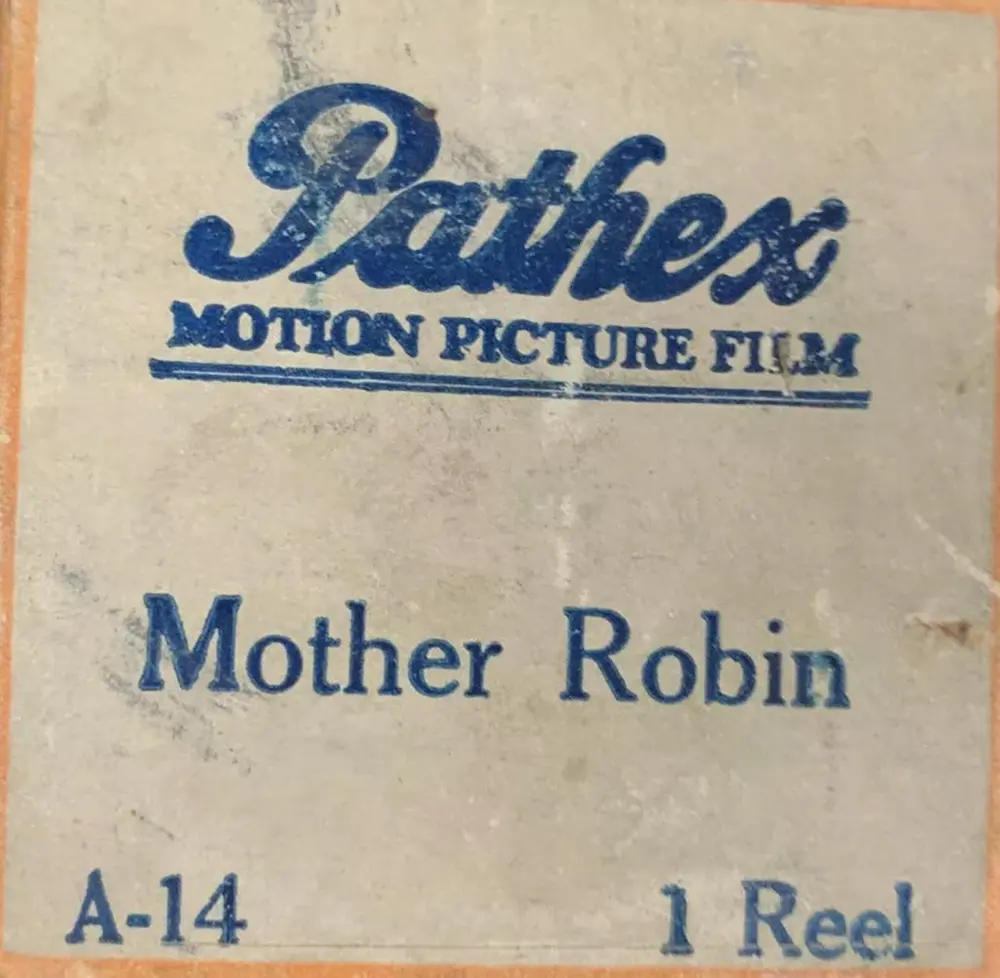
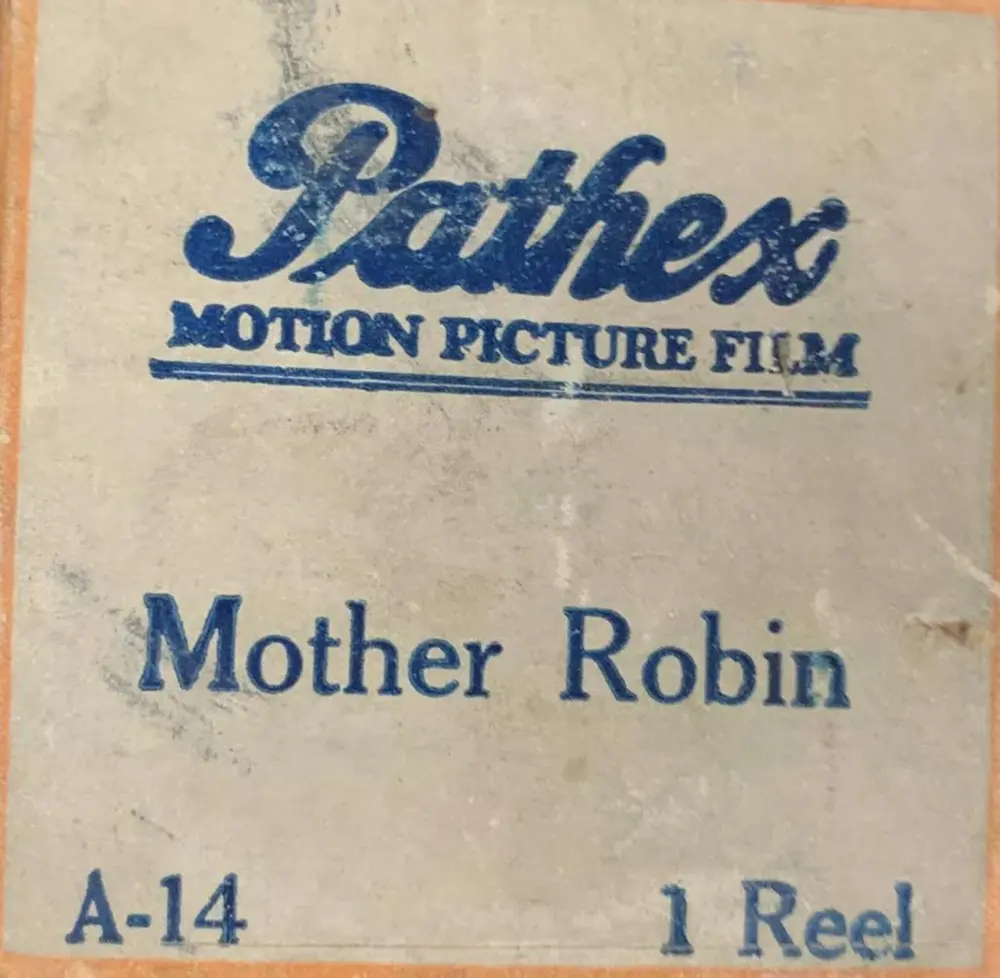
No, not unless you are a completionist or someone who finds the mere existence of moving images from the early 20th century inherently fascinating. For the average viewer, Mother Robin is a sixty-second loop of biological routine that offers zero narrative payoff. It is a film for researchers and those who want to see the exact moment nature photography stopped being a still hobby and started being a moving one.
This film works because it is entirely honest about its lack of ambition. It doesn't try to tell a story about the "struggle of motherhood" or use a sweeping score to make you care about a bird. It fails because it is fundamentally boring, offering nothing more than what you could see by looking out a kitchen window for three minutes.
You should watch it if you want to see the primitive origins of the nature documentary without the polish of modern editing. You should avoid it if you expect any form of cinematic engagement or character development.
In the early days of cinema, movies like Mother Robin weren't called documentaries; they were "actualités." The goal was simple: show something that moves. Unlike the staged antics found in The Haunted House or the choreographed movement of Girls, this film is purely observational. There is a certain bluntness to it that I find more refreshing than the over-produced nature content on streaming platforms today. There is no fake tension created in the editing room. No one slowed down the footage to make a worm look more "menacing."
The camera is fixed. It doesn't pan. It doesn't zoom. We see the mother robin land, her head jerking with that specific, twitchy bird-paranoia. She shoves a morsel into a mouth, and for a second, the frame is a mess of vibrating feathers and open beaks. Then she leaves. The cycle repeats. It is the cinematic equivalent of a GIF, but without the irony.
One could argue that the film’s limitation is its greatest strength, but that would be a lie. The film is limited because the technology and the filmmaker's imagination were limited. There is no attempt to frame the nest in a way that highlights the environment. We don't see the tree; we don't see the sky. We see a cluster of gray and brown textures. The film grain is heavy, making the "choice morsels" look like indistinct smears of dark matter.
I find the lack of music to be the film's only saving grace. Without a violin or a playful flute to dictate the mood, the viewer is left with a cold, almost clinical view of survival. It’s not "sweet" that she’s feeding them; it’s a chore. The fledglings aren't "cute"; they are hungry holes that need to be filled. This lack of sentimentality is rare in later cinema, where every animal must be turned into a protagonist.
The pacing is dictated entirely by the bird. When the bird is gone, nothing happens. The frame is empty of action, yet the camera keeps rolling. This creates a strange, dead space that modern audiences will find intolerable. In an era of three-second average shot lengths, staring at an empty nest for ten seconds feels like an eternity. It is a reminder of how much we rely on directors to tell us where to look and how to feel.
The lighting is flat and harsh, likely whatever natural light could penetrate the foliage. This isn't a complaint—it’s just a fact. The film doesn't care about aesthetics. It cares about the record. But as a critic, I have to ask: is the record worth looking at? Only if you care about the robin as a specimen. As a piece of art, it is non-existent.
Cons:
Mother Robin is a fragment. It is a piece of film that exists because someone had a camera and a nest nearby. It isn't a masterpiece, and it isn't "essential." It is a dull, honest look at a bird doing bird things. Watch it if you want to see the literal floor of cinema history, but don't expect to feel anything other than a slight relief when it's over.
IMDb —
1920
Community
Log in to comment.