DbcultAccessing Vault...
5.6/10
Senior Film Conservator
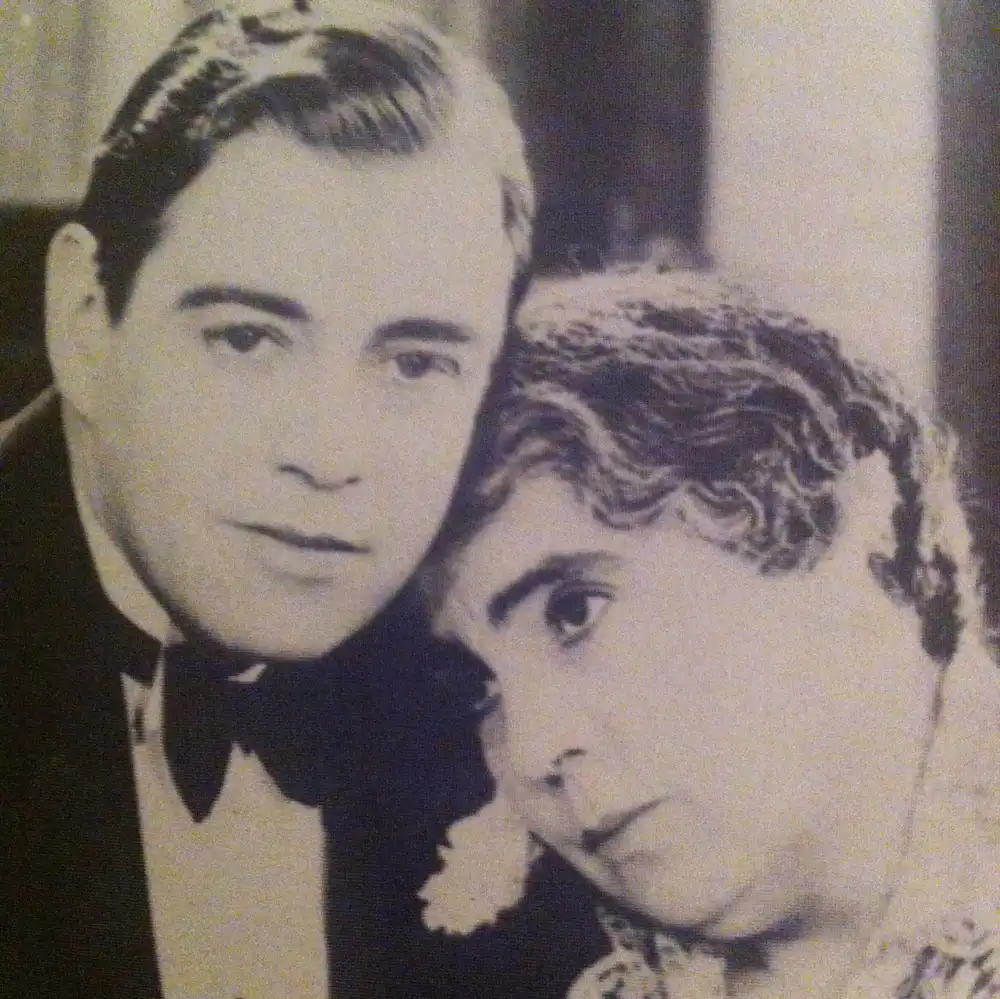
A definitive 5.6/10 rating for a film that redefined the boundaries of cult cinema. Mother's Boy remains a cornerstone of transgressive art.
Okay, so Mother's Boy? Yeah, it's one of those *old school* melodramas. If you're into seeing how films tackled big emotions back in 1929, or you just have a soft spot for tragic singers, then absolutely, give it a watch. But if you're looking for something fast-paced or super gritty, you'll probably find yourself kinda bored. This one is all about the *heartstrings*, and boy, does it tug.
The story's pretty straightforward, a classic tearjerker really. You meet Tommy O'Day, played by Morton Downey. He’s this kid from the Lower East Side, and he's got a voice that just, well, *sings*. It's really something special, you totally get why everyone wants to hear him.
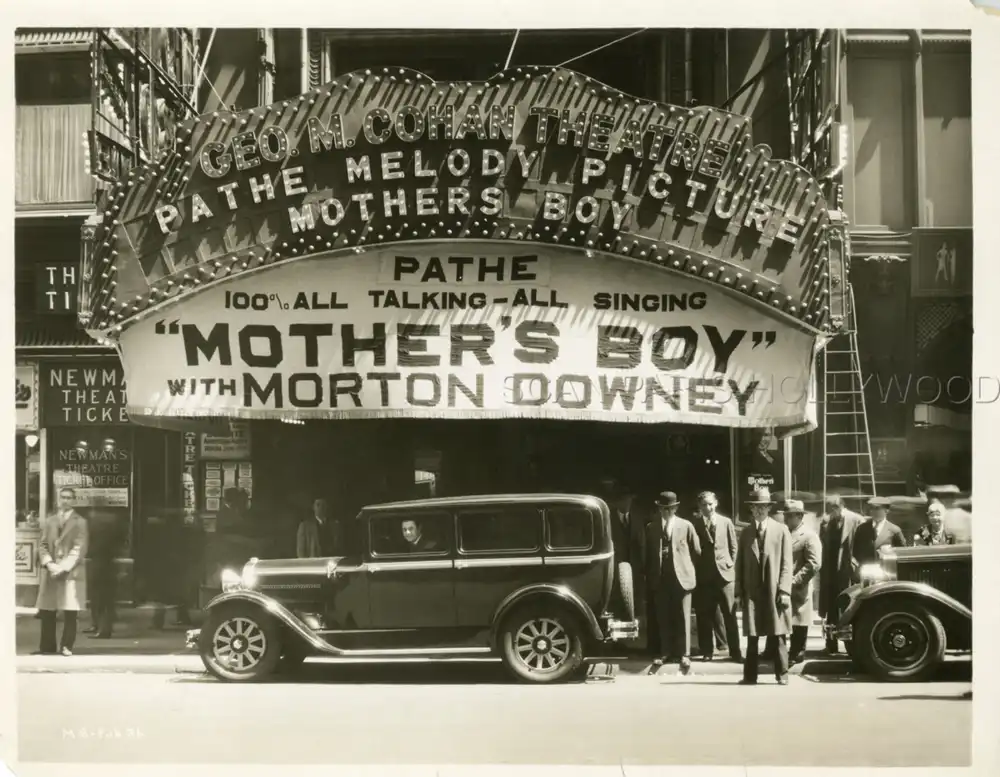
His family life, though, it's rough. There's this awful scene where his father just *lays into him*, accusing him of stealing the family’s savings. It feels pretty unfair, and you can almost feel Tommy’s chest tighten, even through the old film quality.
So, Tommy takes off. Just walks right out. No big, drawn-out goodbye, which is kinda jarring but also makes it feel more real, that sudden break. You feel that sting of a family broken, a bridge burned, even if it's all a bit theatrical.
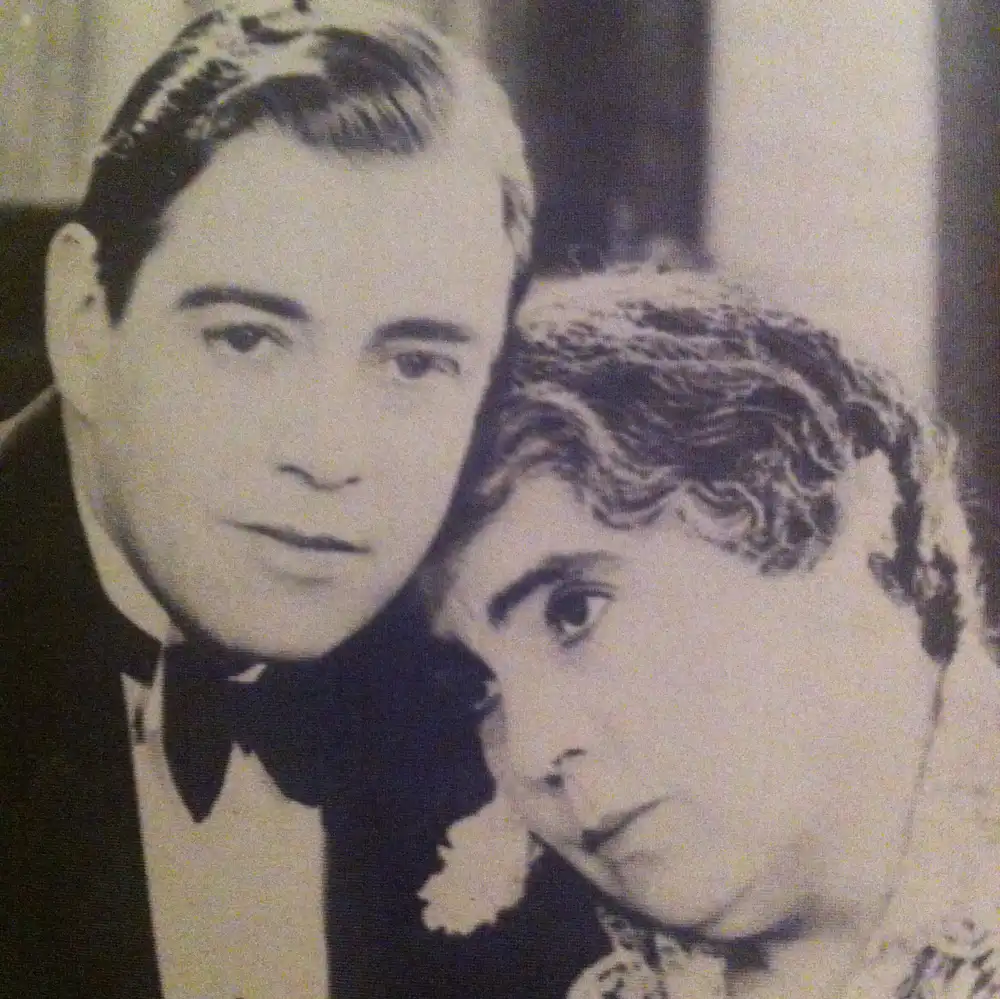
He finds work singing in a cabaret, which is pretty quickly a hit. Downey’s performance there, you see him just *blossom*. The audience shots are fun, a glimpse into what entertainment looked like back then.
Before you know it, he's on Broadway, the big time. It all happens a bit fast, but that's how these stories often go. You gotta get to the dramatic bit, right?
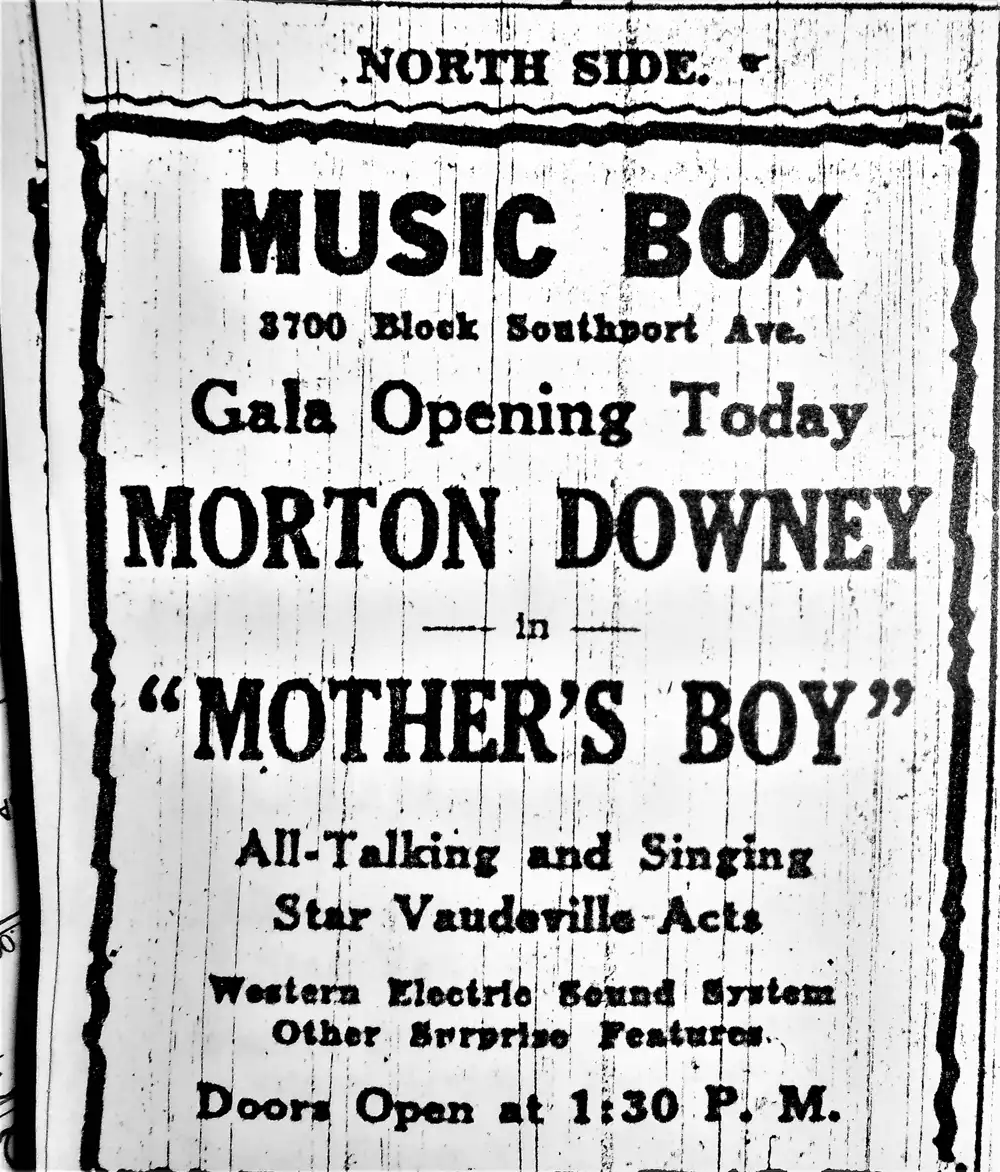
And that dramatic bit? It’s the kind of thing that makes you wanna groan, but also… you get it. Opening night, lights, excitement, and then a message: his mother, Beryl Mercer, is dying. And she wants to see him. *Now*.
Mercer, bless her, she really sells the mother figure here. You don't see her much, but her presence hangs over everything. You know what she means to Tommy.
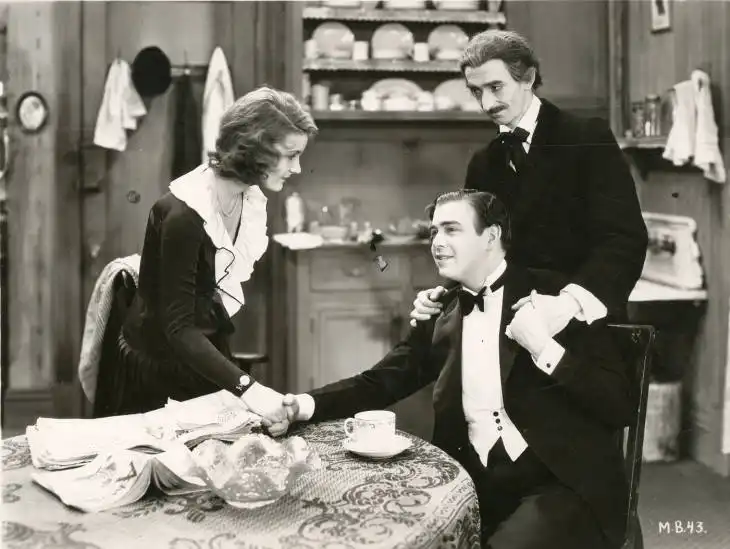
That moment, right before he's supposed to go on stage, the choice he has to make? It's the whole movie. You can almost feel the weight of it. Does he go for his dream, or does he go to his dying mother? It’s a very simple dilemma, but it’s still effective.
The film doesn't really hold back on the sentimentality. Like some of those other early talkies, say Tenderloin, the pacing is a whole different beast. It lets scenes linger, really driving home the emotions. Sometimes it works, sometimes you wish they'd just, y'know, *get on with it*.
One thing I noticed, the dialogue can feel a bit… *stiff* at times. But then, it's 1929. Everyone was still figuring out how to talk on screen without sounding like they were on a stage. It adds to the charm, if you're into that kind of thing. It's not trying to be subtle.
It's not a film that's gonna change your life or anything. But it’s a solid example of an early talkie leaning hard into melodrama. It reminds you how much raw emotion was considered enough to carry a whole picture back then. If you like a good, old-fashioned cry, or just want to see a piece of film history that's genuinely earnest, you could do worse. It's got its heart in the right place, even if it wears it squarely on its sleeve.
IMDb 5.9
1932
Community
Log in to comment.