DbcultAccessing Vault...
7/10
Senior Film Conservator
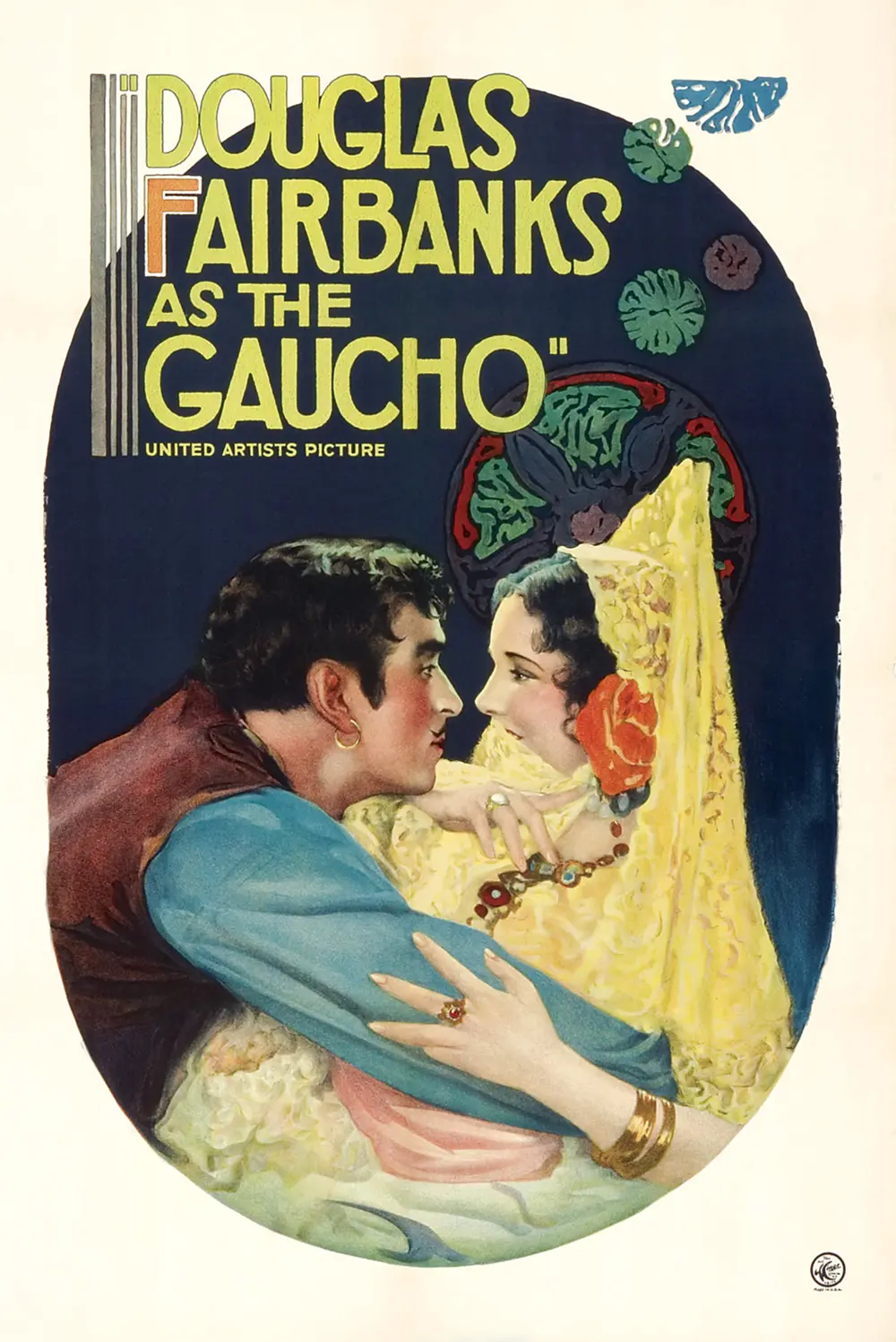
A definitive 7/10 rating for a film that redefined the boundaries of cult cinema. The Gaucho remains a cornerstone of transgressive art.
Is Douglas Fairbanks' 1927 silent epic, The Gaucho, still worth your time in the bustling landscape of contemporary cinema? Short answer: yes, but with significant caveats that demand a certain cinematic palate. This film is a vibrant, if occasionally uneven, historical artifact that showcases the unparalleled charisma of its star, making it a compelling watch for enthusiasts of silent film, adventure narratives, and the sheer spectacle of a bygone era.
However, it is decidedly not for those seeking rapid-fire pacing, nuanced character development typical of modern storytelling, or anyone with a low tolerance for the theatrical conventions of the 1920s. It’s a film that asks for patience and rewards it with a unique blend of mysticism, swashbuckling action, and a peek into the grand ambitions of early Hollywood.
This film works because of Douglas Fairbanks' magnetic screen presence, the ambitious scale of its production, and its surprisingly dark themes for a silent adventure. It fails because of its occasionally simplistic plot progression, a tendency for melodrama over genuine dramatic tension, and a pacing that can feel ponderous by today's standards. You should watch it if you appreciate silent era spectacle, enjoy classic adventure stories, or are a fan of Fairbanks' legendary physicality and charm.
The Gaucho plunges us into a world where the miraculous and the mundane collide, set against the breathtaking, if somewhat stylized, backdrop of the Argentine Andes. The premise is immediately captivating: a young girl’s improbable survival of a cliff fall leads to her being blessed with healing powers. This isn't just a plot device; it's the very foundation upon which an entire civilization is built. The subsequent creation of a shrine and the rapid growth of a gold-rich city around it speak volumes about humanity's enduring need for belief and the unfortunate tendency for that belief to attract greed.
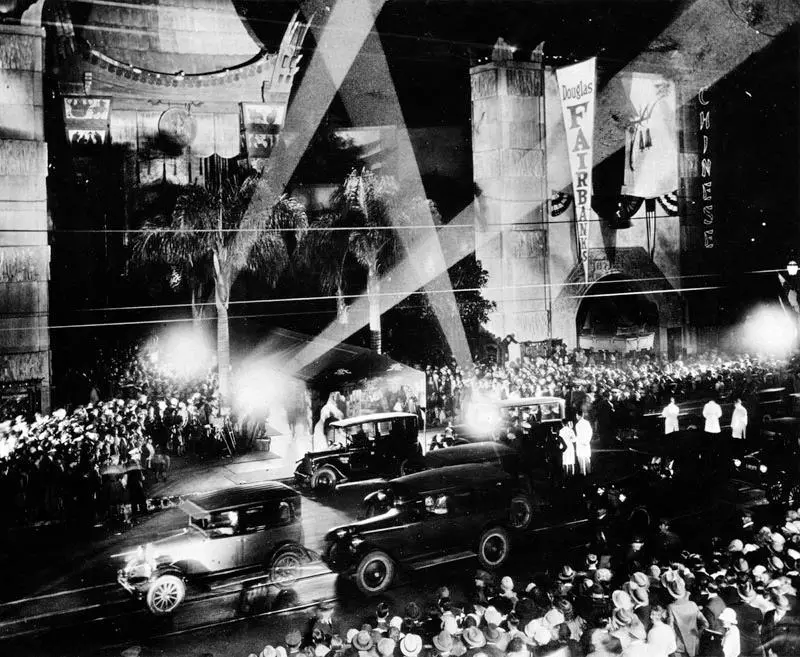
Douglas Fairbanks, as the titular Gaucho, is the dynamic force meant to restore balance. His entrance into this narrative, not as a saint but as a charismatic outlaw, immediately subverts expectations. He's not merely a hero; he's a symbol of untamed spirit, a direct counterpoint to the rigid, sadistic tyranny of General Ruiz, portrayed with chilling effectiveness by Nigel De Brulier. Ruiz’s capture of the city and his desecration of the shrine are acts of pure villainy, designed to galvanize both the audience and the Gaucho into action. The conflict is clear: good versus evil, freedom versus oppression, faith versus avarice.
The film’s narrative, written by Fairbanks himself, leans heavily into archetypes, a common practice in the silent era. The miraculous girl, the evil general, the dashing hero – these are familiar figures, yet Fairbanks imbues them with enough energy to keep them engaging. The mystical elements, particularly the girl's healing powers, are handled with a certain earnestness that, while perhaps quaint to modern eyes, effectively establishes the stakes and the moral compass of the story. It works. But it’s flawed.
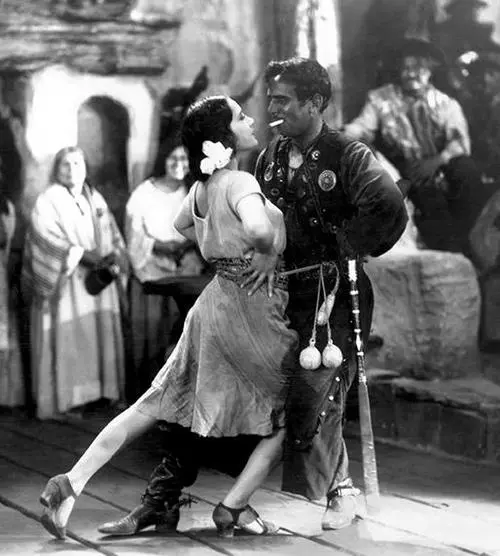
To discuss The Gaucho without focusing on Douglas Fairbanks is to miss the point entirely. Fairbanks was more than an actor; he was a phenomenon, a physical poet of the silent screen. His performance here is a masterclass in silent film acting, relying heavily on athleticism, expressive facial gestures, and an almost balletic grace. From the moment he appears, leaping and swinging, his energy is infectious. He commands every frame, turning what could have been a standard adventure into a showcase for his unique brand of swashbuckling charm.
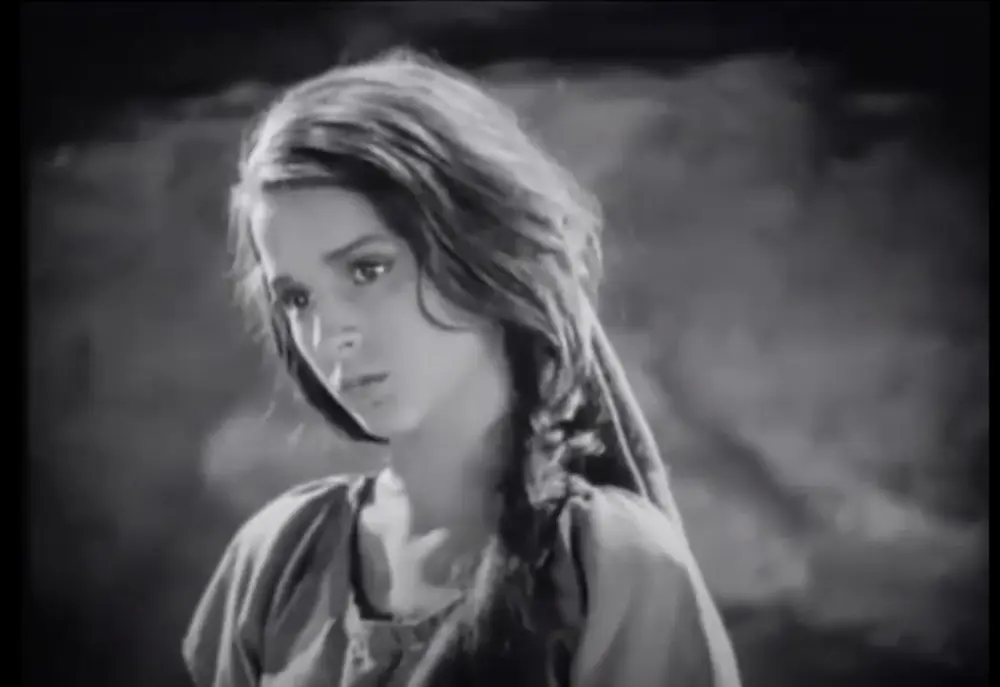
Fairbanks' Gaucho is a whirlwind of motion. There’s a particular sequence where he navigates the city’s rooftops, a feat of parkour before the term even existed, that exemplifies his commitment to practical, thrilling stunts. This isn't just showing off; it's a deliberate choice that defines his character – untamed, free, and capable of impossible feats. His interactions, whether with the solemn, almost ethereal Mary Pickford or the fiery Lupe Velez, are always tinged with a playful arrogance that is uniquely Fairbanks.
However, I’d argue that while his physical prowess is undeniable and visually stunning, sometimes his sheer athleticism overshadows the emotional depth required for certain dramatic beats. There are moments where the film calls for a more introspective hero, but Fairbanks often defaults to dynamic action, occasionally sacrificing a deeper emotional connection for another impressive display. This isn't necessarily a flaw, but an observation of his particular performance style, which prioritized spectacle and energy above all else. His screen presence is so strong that it almost becomes a character in itself, sometimes at the expense of the narrative's more subtle requirements.
The visual ambition of The Gaucho is undeniable, especially for a film of its era. The creation of an entire city, built from a single miraculous event, is a testament to the grand scale of silent film production. While the Andes backdrop is clearly a studio creation, there’s an earnest attempt to convey scale and a sense of otherworldliness. The contrast between the initial, almost spiritual simplicity of the shrine and the later opulence of the gold-laden city is visually striking, effectively communicating the narrative’s thematic concerns about faith and corruption.
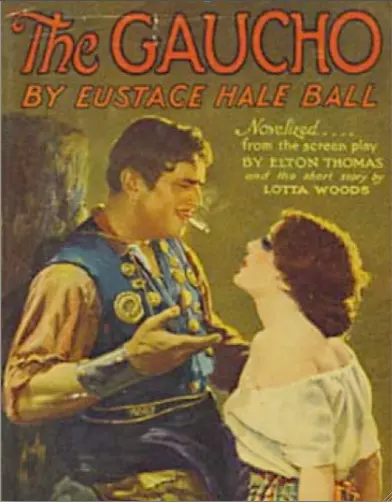
Cinematography, while constrained by the technology of the time, makes effective use of lighting to create mood. The early scenes, particularly those around the shrine, often employ softer, more ethereal lighting, hinting at the sacred. Conversely, General Ruiz's reign is depicted with harsher, more dramatic shadows, emphasizing his tyrannical grip. The film is full of impressive set pieces, from sprawling market squares to the intimate confines of the shrine, all designed to immerse the viewer in this fantastical Argentine setting. The art direction, led by Carl Oscar Borg, creates a convincing, if idealized, vision of a South American frontier.
One particularly memorable visual is the sheer density of the crowds in the city scenes, conveying the thriving community that has grown around the miracle. It speaks to the logistical challenges and triumphs of silent film production, where elaborate sets and hundreds of extras were the norm to achieve a sense of epic scale. The film, for all its grand spectacle, inadvertently highlights the fragility of faith when confronted with brute force, a surprisingly cynical undercurrent for a Fairbanks vehicle.
While Fairbanks is undoubtedly the star, the supporting cast provides crucial texture to the narrative. Mary Pickford, in an uncredited role as the girl blessed with healing powers, brings a delicate, almost angelic presence, embodying the spiritual core of the story. Lupe Velez, as the fiery Mountain Girl, offers a passionate counterpoint, her vivacious energy a perfect foil to Fairbanks' roguish charm. She steals scenes with her intensity and raw emotion, proving herself a formidable screen presence even in limited appearances.
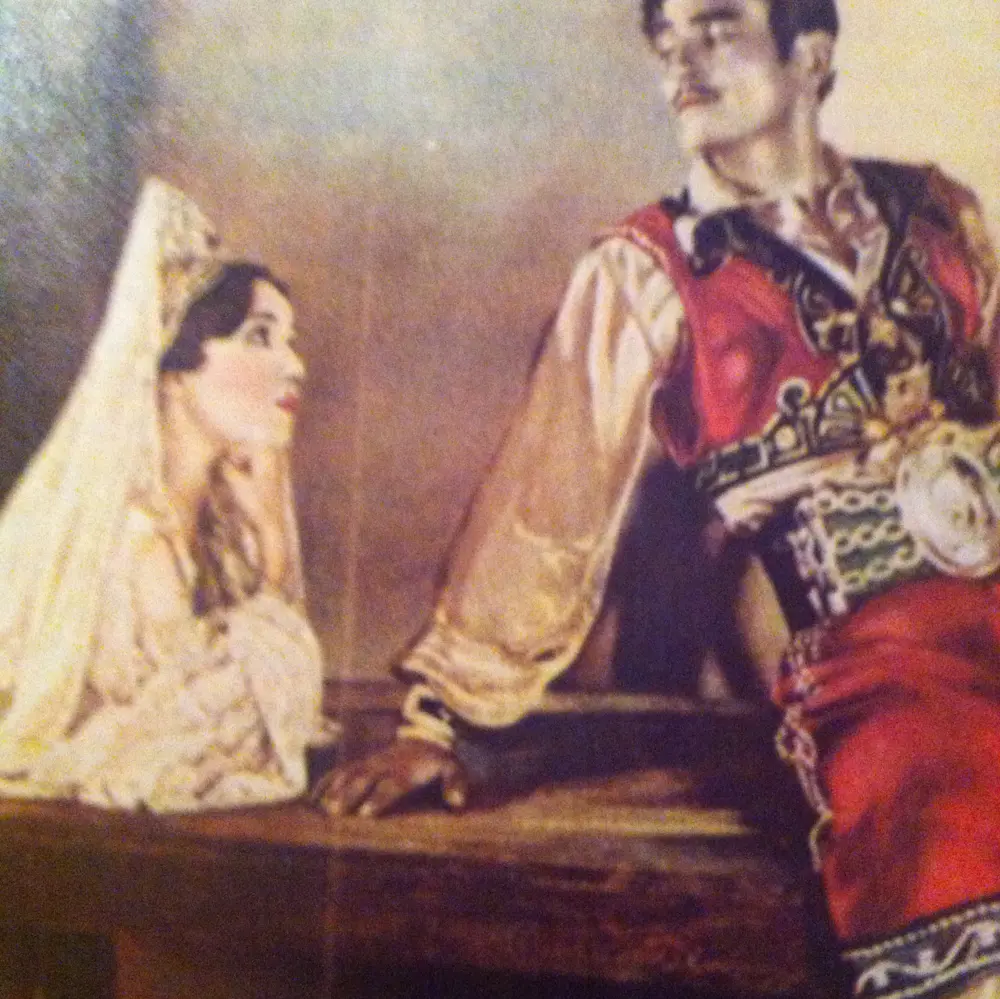
Nigel De Brulier’s General Ruiz is a standout villain. He’s not merely evil; he’s sadistic, his cruelty conveyed through subtle sneers and menacing gestures that are genuinely unsettling. His performance adds a layer of genuine menace that raises the stakes beyond simple heroics. The direction, largely attributed to F. Richard Jones and Fairbanks himself (who was heavily involved in all aspects of his productions), is competent, if not groundbreaking. The pacing, typical of the era, can feel slow by modern standards, with extended sequences dedicated to establishing mood or showcasing stunts.
However, the action sequences are remarkably well-staged, showcasing Fairbanks' vision for dynamic, engaging physical comedy and daring stunts. The film understands its strengths and leans into them. The tone shifts from mystical reverence to high-stakes adventure and occasional melodrama, but it generally maintains a sense of exciting escapism, even when dealing with darker themes of oppression and spiritual corruption. The film is a product of its time, yes, but one that still holds a mirror to enduring human struggles.
Silent film enthusiasts should seek out The Gaucho for its historical significance and its star's iconic performance. It offers a unique blend of adventure, mysticism, and moral conflict. The production values are impressive for the era. It’s a compelling example of grand-scale storytelling from the 1920s.
For those accustomed to the rapid-fire editing and complex narratives of contemporary cinema, The Gaucho might feel like a slow burn. Its reliance on visual storytelling and exaggerated gestures requires a different kind of engagement. However, for anyone willing to adjust their expectations and immerse themselves in the artistry of the silent era, the film offers a rewarding experience. It's a window into the past, a testament to the power of pure visual spectacle and the undeniable charisma of a true movie star.
The themes, though presented through a 1927 lens, remain relevant: the corrupting influence of power, the resilience of faith, and the eternal struggle for freedom. It’s a film that, despite its age, still manages to entertain and provoke thought, even if some of its dramatic beats feel a touch simplistic. It’s a spectacle. But it’s also a product of its time.
The Gaucho is an essential watch for anyone interested in the golden age of silent film and the enduring legacy of Douglas Fairbanks. It’s a vibrant, ambitious spectacle that, despite its age, still pulsates with a unique energy and charm. While it demands a degree of patience and an appreciation for the conventions of its time, the rewards are significant: a thrilling adventure, a captivating performance from one of cinema’s first true action stars, and a fascinating glimpse into a world where miracles and outlaw heroes shaped destiny. It may not appeal to everyone, but for its target audience, it offers a rich and rewarding cinematic experience that transcends its silent origins. For a taste of classic Hollywood daring, you could do far worse than to gallop alongside The Gaucho. If you enjoy this, you might also find a similar spirit of adventure in Prince of the Saddle.
IMDb 6.6
1937
Community
Log in to comment.