DbcultAccessing Vault...
5.9/10
Senior Film Conservator
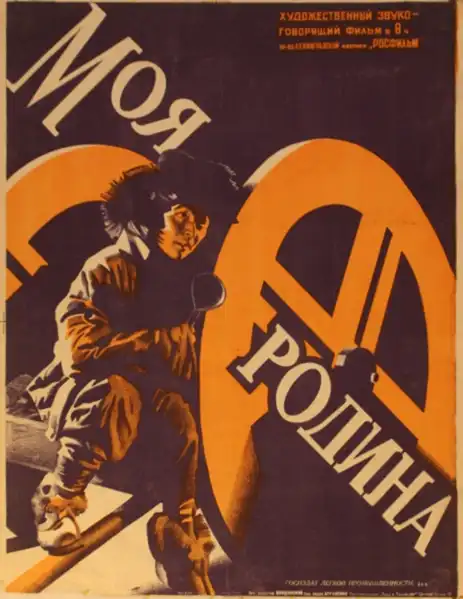
A definitive 5.9/10 rating for a film that redefined the boundaries of cult cinema. Moya rodina remains a cornerstone of transgressive art.
If you're into the nitty-gritty of 1930s Soviet propaganda, Moya rodina is a fascinating relic. If you’re looking for something that moves with any kind of modern speed or subtlety, you’re going to have a rough time.
This is a movie that wears its heart—and its politics—right on its sleeve. It’s loud, it’s earnest, and it really wants you to understand the difference between the 'bad' invaders and the 'good' Red Army soldiers.
The story starts with Van, our young peasant lead, who basically just wanders into a nightmare. He’s handed a rifle and told to march, which is a pretty classic setup for this kind of film. Watching him go from a confused pawn to someone who actually sees the humanity of the enemy is the whole point here.
There is a scene involving an interrogation that goes on for quite a while. It’s not subtle. It’s meant to make your skin crawl, and yeah, it works, even if it feels a bit like the director is hitting you over the head with a sledgehammer.
The film has this uneven, jumpy energy. Sometimes it feels like a documentary, other times it’s pure theatrical drama. The scenes at the Soviet frontier post, where the soldiers are practicing their Chinese phrases, have this weird, sweet awkwardness to them. It’s almost funny how hard they try to sound natural while clearly reading from a script.
When the combat finally hits, it’s chaotic. It doesn’t have the polish you’d expect from 7th Heaven or other big-budget stuff of the era, but there is a raw intensity to the way the bridge attack is staged. It’s messy, but in a way that feels like they actually filmed it in a real, dusty location rather than a studio lot.
You can tell this movie was made to push a specific message, and it never tries to hide that. It’s not trying to be The Village Shoemakers or any of those more grounded, intimate stories. It’s a big, sweeping statement on borders and brothers.
I found myself zoning out during the long speeches, but then something small would happen—like a look between two soldiers—that pulled me back in. It’s not a perfect film by any stretch, but it’s a stubborn one. It refuses to be anything other than exactly what it is.
IMDb —
1921
Community
Log in to comment.