DbcultAccessing Vault...
7.4/10
Senior Film Conservator

A definitive 7.4/10 rating for a film that redefined the boundaries of cult cinema. Mutter Krausens Fahrt ins Glück remains a cornerstone of transgressive art.
Alright, so if you're looking for a feel-good movie night, just close this tab now. Seriously. Mutter Krausens Fahrt ins Glück, which means 'Mother Krause's Journey to Happiness,' is anything but. If you're into really raw, historical social dramas, especially from the silent era, and you don't mind a gut-punch, then yeah, buckle up. Everyone else? You'll probably find this too bleak, maybe even a bit preachy, and you’ll walk away feeling pretty low. 😬
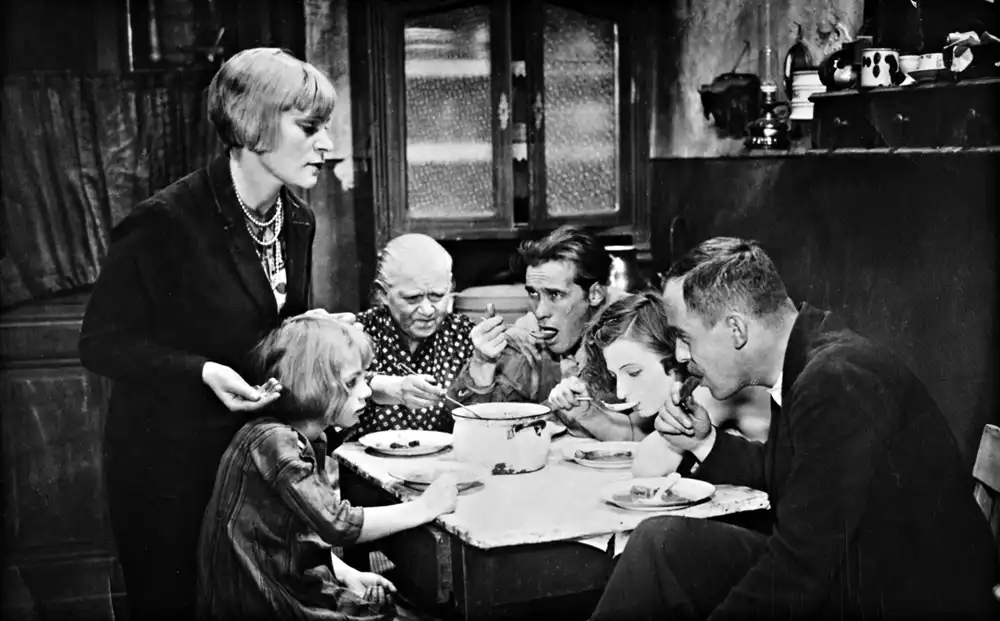
The film just drops you right into the Wedding district of Berlin, circa 1929. It’s not some picturesque postcard view. No, this is the gritty, grimy, overcrowded side. You almost smell the damp and the despair coming off the screen, even without sound.

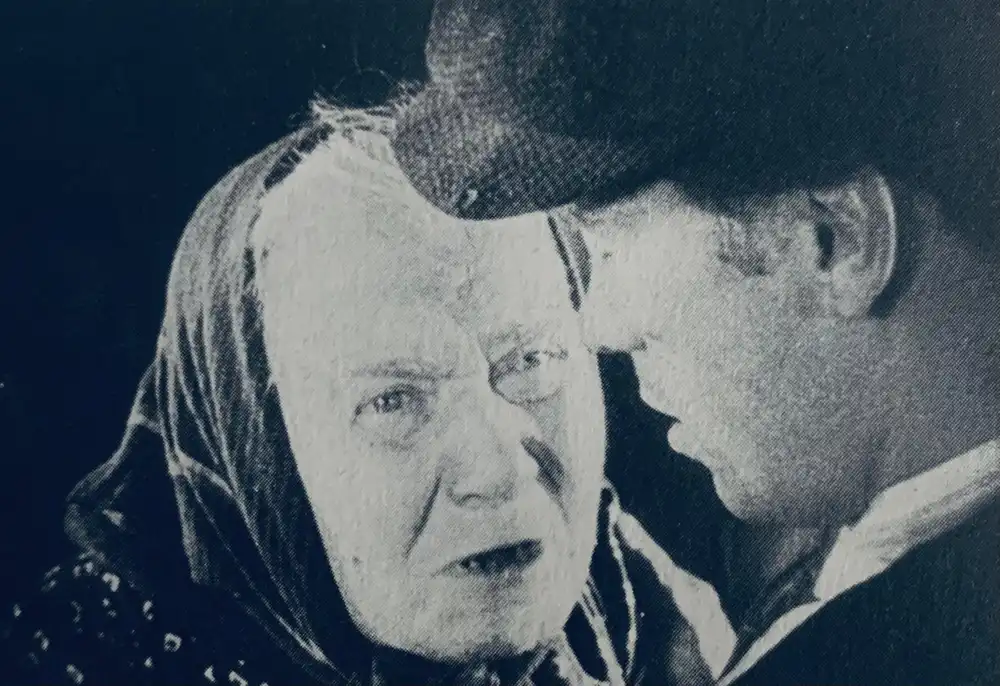
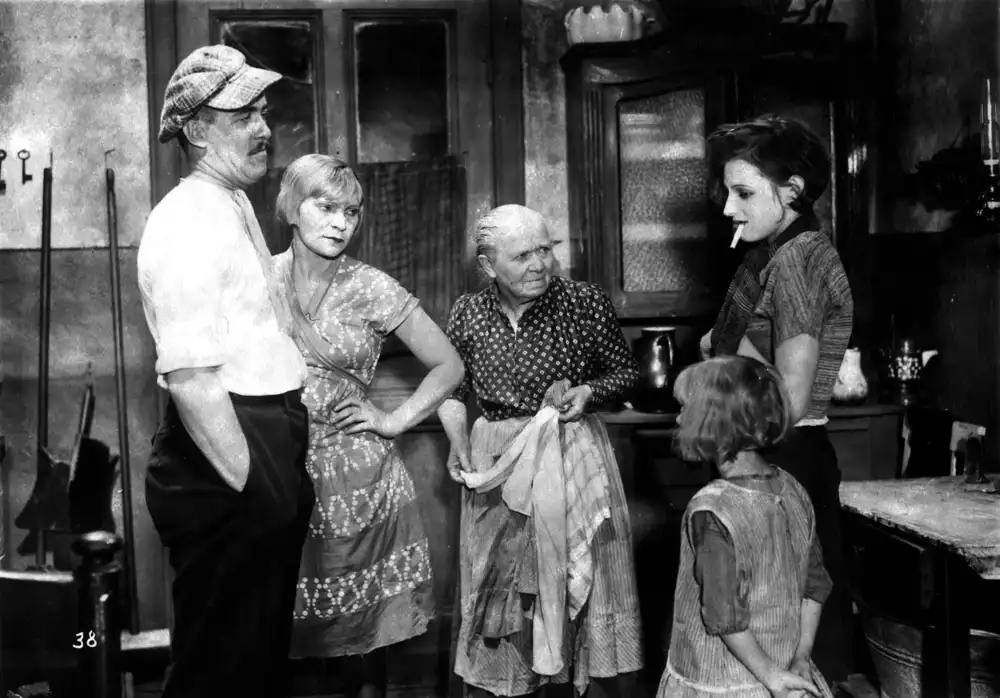
We meet Mutter Krause, played with such a weary, lived-in sadness by Alexandra Schmitt. She’s just trying to make ends meet, bottle by bottle, in her cramped, dark flat. Her hands, you really notice them. Always working, always a bit shaky. It’s not just acting; it’s like she *is* the embodiment of constant struggle.
Then there’s her son, Paul (Friedrich Gnaß). He’s not a bad guy, exactly, but he’s just so trapped by everything. He drinks, he argues, he’s got this restless energy that has nowhere to go. You see him just *trying* to escape, but every door slams shut.
His wife, Else (Vera Sacharowa), and their little daughter, Grete (Fee Wachsmuth), they’re caught in the middle of it all. Grete, she’s so small, so quiet. There's a moment she just sits on the floor, watching the adults with these huge, observant eyes. It’s heartbreaking, because you know she sees everything, understands too much for her age. 💔
The film does not shy away from the sheer hopelessness. There’s a scene where Paul just stares out a window, and the city outside feels like a cage. No grand speeches needed. Just that look on his face, that tells you everything.
And the sheer contrast! They show the cramped tenements, then flash to the fancy parts of Berlin. It’s a very deliberate choice, driving home the divide. Not subtle at all, but then, it wasn't trying to be.
The whole 'communism as a saving grace' part, it’s quite central. You see the workers’ movement, their meetings, their solidarity. It’s presented as the only real solution, the only light in this crushing darkness. The film is *very* clear about where its sympathies lie, and it makes no apologies for it.
One scene, a street fight breaks out. It’s chaotic, quick, and just another symptom of the boiling frustration. It's not just a plot point; it feels like another Tuesday in that neighborhood.
The title, 'Journey to Happiness,' feels like the cruellest joke by the time you reach the end. Mutter Krause’s fate… it’s a release, but not a happy one. More of a tragic escape. And the camera lingers on the child, Grete, being taken away. It’s a bittersweet, almost desperate sort of hope. Like, *maybe* for the next generation. Maybe.
This film isn't trying to entertain you in the usual way. It's trying to make you *see*. And it succeeds. It’s heavy, yes, and sometimes the message is a bit on the nose, but the raw honesty of those performances, especially Schmitt as Mutter Krause, it just sticks with you. You'll think about it for days.
Did I mention the cat? There’s a cat that just wanders through a few shots, completely unfazed by all the human misery. Kind of a strange, small detail that I kept noticing. 🐈⬛
It’s a tough, important piece of history. Not a Sunday afternoon flick, but definitely one to chew on if you’re up for it.

IMDb 5.4
1933
Community
Log in to comment.