DbcultAccessing Vault...
6.5/10
Senior Film Conservator
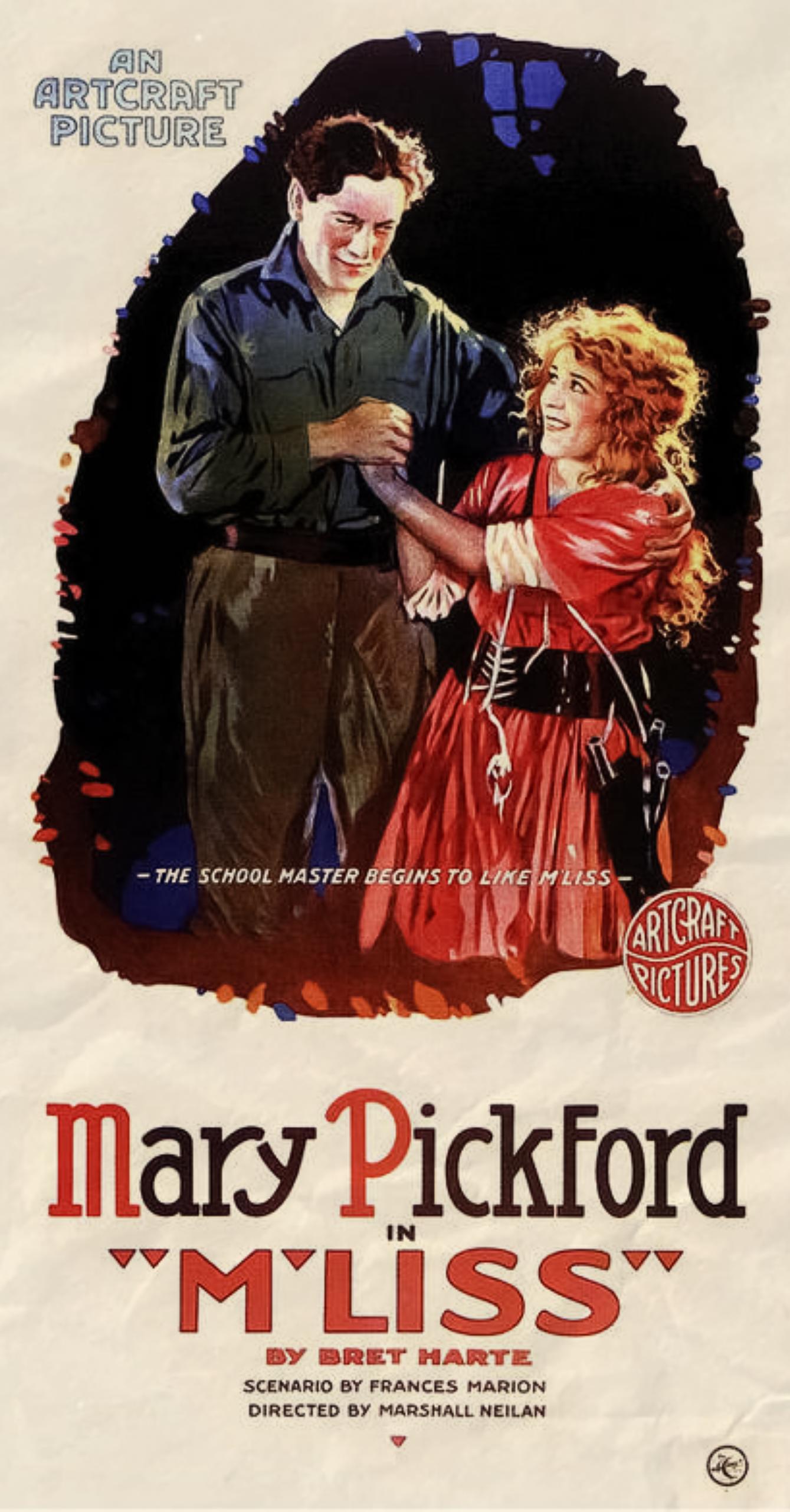
A definitive 6.5/10 rating for a film that redefined the boundaries of cult cinema. M'Liss remains a cornerstone of transgressive art.
In the pantheon of silent cinema, few figures cast a shadow as formidable as Mary Pickford. In the 1918 iteration of M'Liss, we witness a transformative performance that defies the saccharine 'America's Sweetheart' archetype often attributed to her. This film, directed by Marshall Neilan and scripted by the incomparable Frances Marion, serves as a gritty exploration of the Western frontier, filtered through the lens of a coming-of-age odyssey. Pickford’s M'Liss is not a fragile flower but a resilient weed, thriving in the cracks of a crumbling mining society. Her physicality in this role is a masterclass in silent expressionism; she moves with a jagged, nervous energy that suggests a creature perpetually on the verge of flight or fight. Unlike the more polished innocence seen in Seventeen, Pickford imbues her character with a palpable dirt-under-the-fingernails realism that anchors the film’s more melodramatic tendencies.
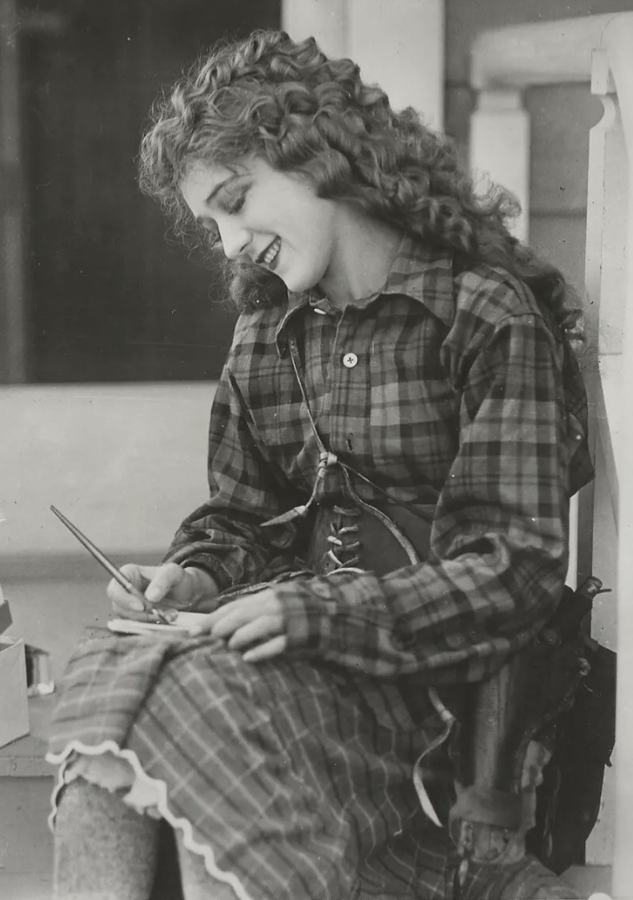
The source material, authored by Bret Harte, provides a robust foundation for this cinematic endeavor. Harte’s preoccupation with the rugged individualism of the West is translated into a visual vernacular that emphasizes the isolation of the mining camp. The cinematography utilizes the naturalistic lighting of the California landscape to create a sense of vast, indifferent space. This is a far cry from the theatrical artifice found in Pierrot the Prodigal. Here, the environment is an antagonist in its own right. The dusty trails and weathered shacks of Smith’s Pocket are rendered with a stark clarity that heightens the stakes of the central conflict. When Charles Gray (Thomas Meighan) enters this domain, the contrast between his sartorial elegance and the camp's pervasive grime creates an immediate socio-economic tension. The film cleverly uses these visual cues to establish the 'otherness' of Gray, which later makes him such a convenient scapegoat for the community's frustrations.
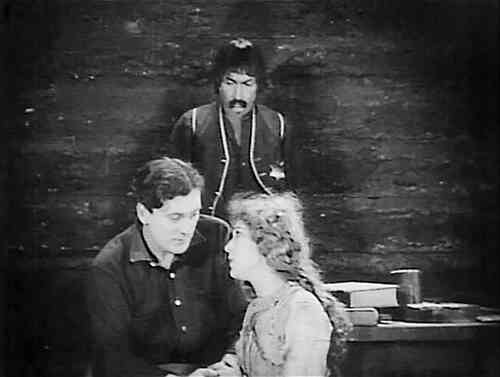
The narrative pivot occurs with the murder of 'Old Man' Smith, M'Liss’s father, played with a tragic, alcoholic pathos by Tully Marshall. The subsequent implication of Charles Gray in the crime is handled with a sophisticated sense of mounting dread. The screenplay avoids the frantic pacing of The Perils of Pauline, opting instead for a slow-burn tension that mirrors the psychological weight of the situation. The injustice is not merely a plot device; it is a critique of the mob mentality that permeated the early American frontier. We see the thin veneer of civilization stripped away as the miners, formerly neighbors, transform into a monolithic engine of vengeance. This thematic exploration of collective guilt and the fragility of law is surprisingly modern, echoing the tonal gravitas found in War As It Really Is, albeit in a domestic, civilian context.
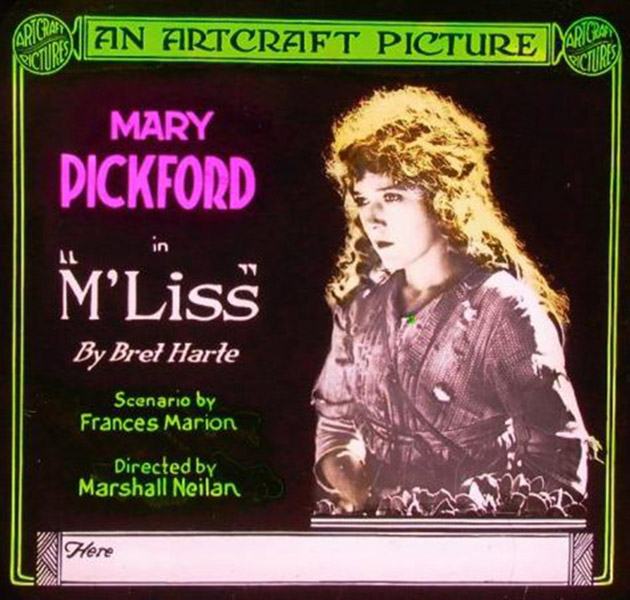
While Pickford is the undeniable solar center of this production, the supporting cast provides a stellar orbit of characterizations. Thomas Meighan offers a stoic, grounded performance as Gray, providing the necessary counterweight to Pickford’s kineticism. His portrayal of the schoolteacher is one of quiet dignity, making his eventual peril all the more poignant. Monte Blue, in a smaller role, hints at the burgeoning talent that would later make him a star. The interplay between these characters creates a rich social microcosm. One might compare the ensemble dynamics here to the intricate character webs in The Lily and the Rose, where personal motivations are constantly clashing with societal expectations. In M'Liss, the stakes are elevated by the life-and-death consequences of the frontier setting. The film doesn't shy away from the darker aspects of human nature, yet it maintains a thread of hope through the tenacity of its heroine.
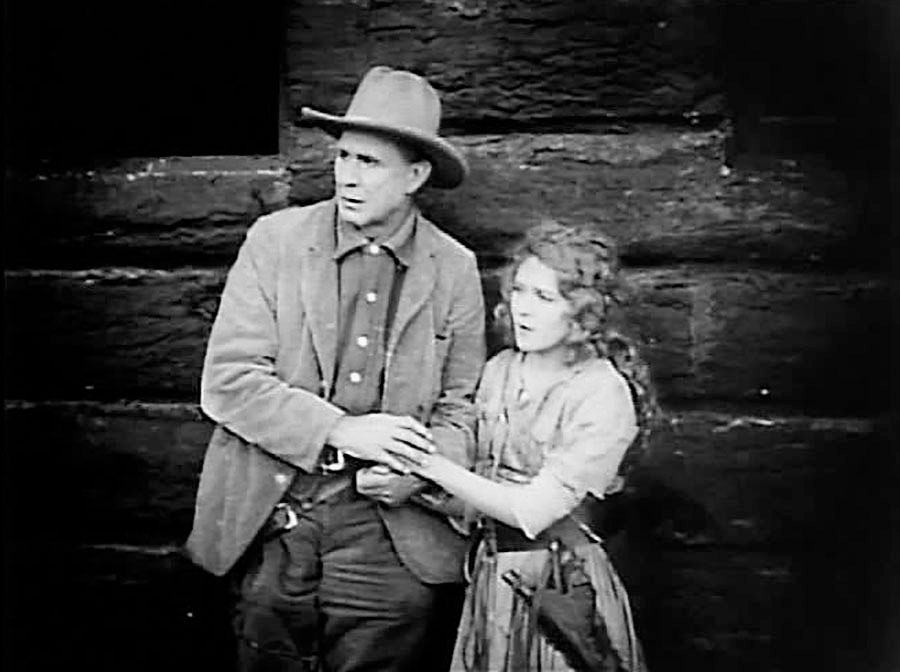
Technically, M'Liss represents the apex of the Artcraft Pictures production model. The editing is remarkably fluid for 1918, utilizing cross-cutting to build suspense during the climactic rescue sequence. The use of close-ups is particularly effective, capturing the micro-expressions of Pickford as she realizes the gravity of the threat against Gray. This level of intimacy with the performer was still a relatively new language in cinema, and M'Liss speaks it fluently. The film's ability to balance broad slapstick—such as M'Liss’s early antics in the schoolroom—with the high-stakes drama of the finale is a testament to Neilan’s directorial dexterity. It avoids the tonal inconsistencies that plague films like Gloriana, maintaining a cohesive atmosphere throughout its duration.
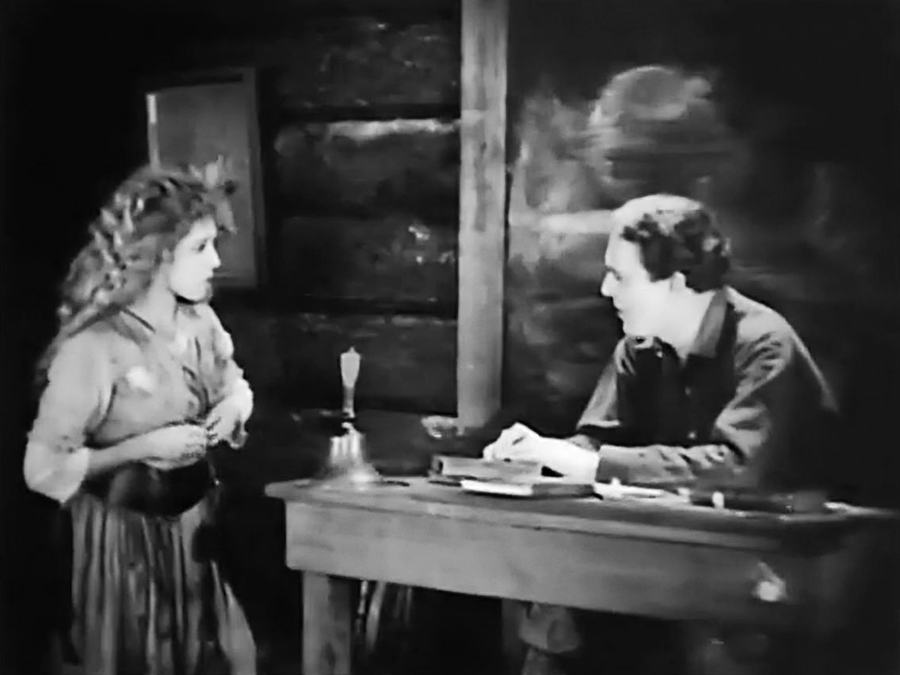
Central to the film’s enduring relevance is its depiction of female agency. M'Liss is the architect of the film's resolution. She is not a passive observer of her own fate or the fate of the man she loves. In a cinematic era often dominated by the 'damsel in distress' trope, Pickford’s character is a radical departure. She navigates the masculine world of the mining camp with a cunning and bravery that many of her male counterparts lack. This subversion of gender roles is even more pronounced when compared to the traditionalist narratives found in Daughter of Destiny. M'Liss’s journey is one of self-actualization; she starts as a wild child and emerges as a woman of formidable resolve, capable of challenging the very foundations of the camp’s distorted justice system.
The production design deserves significant praise for its commitment to authenticity. The sets feel lived-in and precarious, echoing the boom-and-bust cycle of the gold rush. There is a sense of transience in every frame—the feeling that this community could vanish as quickly as it appeared. This atmospheric density is something often missing from the more polished productions of the time, such as A Rich Man's Plaything. In M'Liss, the mud is real, the sweat is palpable, and the danger is visceral. This grit serves to highlight the purity of the bond between M'Liss and Gray, a connection that stands in stark contrast to the greed and violence surrounding them. The film’s ability to find beauty in the mundane and the rugged is a hallmark of its artistic success.
Reflecting on M'Liss over a century after its release, one is struck by its narrative economy and emotional resonance. It is a film that understands the power of the image to convey complex human emotions. The final sequences, where M'Liss races against time to halt the lynching, are as pulse-pounding today as they were in 1918. The film’s exploration of the outsider—both M'Liss and Gray—resonates with a universal truth about the struggle to find one’s place in a hostile world. While it shares some DNA with the sentimentalism of Tears and Smiles, it transcends that genre through its unflinching look at the darker impulses of the American spirit. It remains a definitive entry in the Pickford canon, a testament to her power as a producer and an actress who was never afraid to get her hands dirty in the pursuit of cinematic truth.
Furthermore, the film’s influence can be seen in the subsequent decades of Western filmmaking. It established a blueprint for the 'taming of the wilderness' narrative that would be revisited by directors like John Ford. However, few would capture the specific, idiosyncratic energy that Pickford brings to the screen. Her M'Liss is a singular creation, a blend of vulnerability and ferocity that remains unmatched. Whether she is engaging in a physical brawl or silently contemplating the loss of her father, Pickford commands the frame with an intensity that is breathtaking. In the broader context of 1918 cinema, a year that also gave us The Man Who Could Not Lose, M'Liss stands out as a work of significant depth and technical maturity. It is a film that demands to be seen not just as a historical curiosity, but as a vibrant, living piece of art.
Ultimately, the triumph of M'Liss lies in its refusal to simplify the complexities of its characters. Even the 'villains' are driven by a recognizable, if misguided, sense of community preservation. The film acknowledges that in the vacuum of traditional law, men will create their own, often brutal, substitutes. By placing a young woman at the heart of this moral quagmire, the film forces the audience to confront the limitations of that justice. It is a bold, evocative, and deeply moving experience that highlights the sophisticated storytelling capabilities of the silent era. For those seeking a bridge between the literary traditions of the 19th century and the visual innovations of the 20th, M'Liss is an essential destination.
IMDb 5.5
1935
Community
Log in to comment.